2026 Midterm Elections: Key Races & US Policy Impact
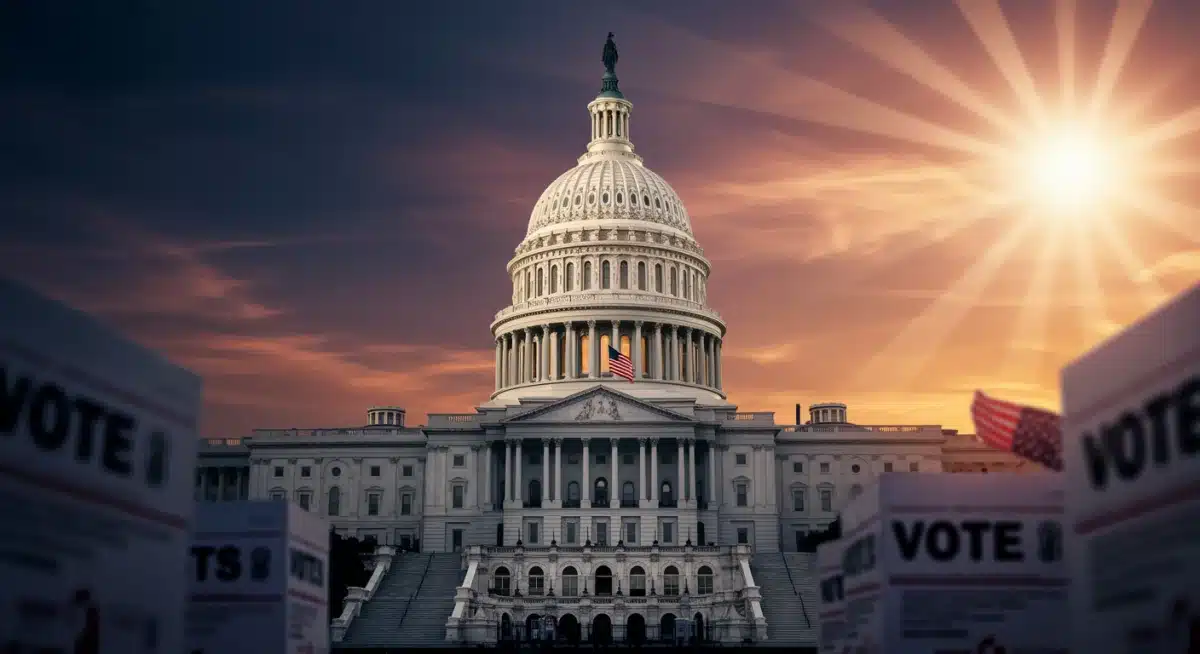
The 2026 Midterm Elections will significantly reshape US political landscapes, influencing legislative agendas and policy directions across critical sectors like healthcare, economy, and environment for the subsequent four years.
The 2026 Midterm Elections Impact promises to be a pivotal moment for American policy, with key races poised to redefine the legislative landscape and influence the nation’s trajectory for the next four years. Understanding these critical contests is essential for anyone tracking the future of the United States.
The Stakes of the 2026 Midterm Elections
The 2026 Midterm Elections are not merely a routine political event; they represent a crucial juncture for the United States. These elections will determine the balance of power in both chambers of Congress, directly impacting the legislative agenda, judicial appointments, and the overall direction of domestic and foreign policy. The outcomes will either solidify current political trends or initiate significant shifts, making every race a high-stakes battle.
Historically, midterm elections often serve as a referendum on the sitting president’s performance and the party in power. This cycle will likely be no different, with voter sentiment deeply influenced by economic conditions, social issues, and geopolitical events. The demographic shifts across the country also play a vital role, as changing populations can alter voting patterns and sway traditionally safe seats.
Understanding the Historical Context
Midterms frequently see lower voter turnout compared to presidential elections, but their impact on governance is profound. Control of Congress can lead to legislative gridlock or a surge in policy advancements, depending on which party holds the majority. The upcoming elections will also set the stage for the 2028 presidential race, with emerging leaders and key policy debates gaining national prominence.
- Congressional Control: The primary objective for both major parties will be to secure or maintain majorities in the House and Senate.
- Policy Direction: The partisan composition of Congress will dictate the feasibility of passing significant legislation on issues like climate change, healthcare, and infrastructure.
- Judicial Appointments: Senate control is crucial for approving presidential judicial nominees, impacting the federal judiciary for decades.
- Presidential Mandate: The election results will signal public approval or disapproval of the current administration’s policies, influencing the President’s ability to govern effectively.
In essence, the 2026 Midterm Elections are far more than just local contests; they are a national barometer of political will and a predictor of future policy trajectories. The implications for everyday Americans, from their economic well-being to their civil liberties, are immense.
Key Senate Races to Watch
The battle for control of the Senate in 2026 will undoubtedly feature several hotly contested races, each with unique dynamics and profound implications for the national political landscape. These contests often involve incumbents defending their seats in increasingly polarized states or open seats where seasoned politicians vie for new opportunities. The outcome of these races will directly influence the legislative bottleneck or flow for the next two years.
States with a history of swing voting or those experiencing significant demographic shifts will be under intense scrutiny. The candidates’ ability to connect with diverse electorates, articulate clear policy positions, and mobilize their base will be crucial. Campaign strategies will likely focus on local issues while simultaneously aligning with broader national party platforms.
Notable Contests and Their Significance
Several states are already emerging as potential battlegrounds, where the margins of victory could be razor-thin. These races often attract substantial national funding and media attention, becoming bellwethers for the national mood. The ability of candidates to resonate with independents and cross-over voters will be a deciding factor.
- Arizona Senate Race: Often a swing state, Arizona’s Senate seat could be a critical pickup or hold for either party. The state’s evolving demographics and independent voter base make it highly unpredictable.
- Pennsylvania Senate Race: Another perennial battleground, Pennsylvania’s Senate contest will test the strength of both parties in a state known for its diverse economic interests and population centers.
- Ohio Senate Race: While trending Republican in recent years, Ohio still offers opportunities for competitive races, especially if a strong Democratic candidate emerges.
- Georgia Senate Race: Georgia has shown increasing competitiveness, and its Senate race will be a key indicator of demographic shifts and their political ramifications in the South.
These races are not just about individual politicians; they are about the broader ideological struggle playing out across the nation. The winners will not only cast votes in Washington but will also shape the narrative and direction of their respective parties for years to come. The stakes are incredibly high, as each seat can contribute to the delicate balance of power in the Senate.
House of Representatives: The Battle for the Majority
The fight for control of the House of Representatives in the 2026 Midterm Elections will be a granular, district-by-district struggle, profoundly influenced by redistricting, local issues, and national political currents. With every seat up for grabs every two years, the House often reflects the most immediate shifts in public opinion, making it a highly dynamic and responsive body. The party that secures the majority will wield significant power over the legislative agenda, including initiating impeachment proceedings, controlling committee assignments, and shaping budget priorities.
Gerrymandering efforts following the 2020 census have already set the stage for many of these contests, creating districts that are either safely partisan or fiercely competitive. Both parties will invest heavily in these swing districts, knowing that even a small shift in voter sentiment can flip a seat. The ability of candidates to address hyper-local concerns while still aligning with national party messaging will be crucial for success.
Emerging Trends in House Campaigns
Campaigns for the House are increasingly sophisticated, utilizing data analytics and targeted messaging to reach specific voter segments. Social media and grassroots organizing play a more significant role than ever, especially in mobilizing younger voters and diverse communities. The issues dominating these campaigns often include economic stability, access to healthcare, and educational opportunities.
- Suburban Swing Districts: Many suburban areas, traditionally seen as moderate, have become key battlegrounds, with voters often swayed by issues like property taxes, school quality, and public safety.
- Rural Resentment: Rural districts, while often leaning conservative, can still be competitive if candidates effectively address the unique economic challenges and healthcare access issues faced by these communities.
- Urban Mobilization: High voter turnout in urban centers, particularly among minority groups, is vital for Democratic success, making voter registration and mobilization efforts paramount.
The battle for the House majority is a complex tapestry of local grievances, national policies, and demographic shifts. Each district’s outcome contributes to the larger picture of American governance, directly influencing the legislative capacity and effectiveness of the next Congress. The 2026 Midterm Elections Impact on the House will be felt immediately in policy debates and legislative priorities.
Potential Impact on US Policy: Healthcare and Economy
The outcomes of the 2026 Midterm Elections will profoundly shape US policy, particularly in critical areas like healthcare and the economy. The legislative priorities of the controlling party in Congress will dictate whether existing policies are reinforced, repealed, or dramatically altered. This ripple effect will touch every American, from the cost of their medical care to their employment prospects and financial stability.
In healthcare, debates often revolve around the Affordable Care Act (ACA), prescription drug costs, and access to services. Depending on the partisan control, we could see renewed efforts to expand or restrict government involvement in healthcare, impacting insurance coverage, provider networks, and public health initiatives. The economic agenda will likely focus on issues such as inflation, taxation, job creation, and trade agreements, with each party offering distinct approaches to foster prosperity and manage national debt.
Healthcare Policy Crossroads
The future of healthcare policy hinges significantly on the 2026 Midterm Elections. A Republican-controlled Congress might push for market-based solutions, potentially reducing government subsidies and increasing private sector involvement. Conversely, a Democratic majority would likely advocate for strengthening the ACA, expanding Medicare/Medicaid, and implementing stricter regulations on pharmaceutical companies. These differing philosophies have tangible impacts on insurance premiums, coverage options, and the overall accessibility of medical care for millions.
Key areas of focus include:
- ACA Status: Will there be attempts to repeal, replace, or expand the Affordable Care Act?
- Prescription Drug Pricing: Will Congress enact stricter controls on drug manufacturers or rely on market competition?
- Telehealth Expansion: Will pandemic-era telehealth flexibilities become permanent, affecting access to care in rural areas?
- Mental Health Services: Will there be increased funding and integration of mental health into primary care?
Economic Policy Direction
On the economic front, the elections will influence fiscal policy, regulatory frameworks, and investment strategies. A Republican-led Congress might prioritize tax cuts, deregulation, and reduced government spending, believing this stimulates economic growth. A Democratic majority would likely favor investments in infrastructure, green energy, and social programs, often funded through higher taxes on corporations and high-income earners. These decisions directly affect inflation, employment rates, and the distribution of wealth.
Considerations for economic policy include:
- Tax Reform: Will corporate and individual tax rates be adjusted, and how will this impact businesses and consumers?
- Infrastructure Spending: Will major investments continue in roads, bridges, and broadband, creating jobs and improving connectivity?
- Energy Policy: Will there be a push for more fossil fuel production or a greater emphasis on renewable energy incentives?
- Trade Agreements: Will the US pursue new international trade deals or revisit existing ones, affecting global supply chains and domestic industries?
The policies enacted post-2026 Midterm Elections will have lasting consequences for the economic health of the nation and the welfare of its citizens. The choices made by voters will directly translate into the legislative actions that shape America’s economic future.
Environmental and Social Policy Implications
Beyond healthcare and the economy, the 2026 Midterm Elections will significantly influence environmental regulations and social policy debates, reflecting the evolving values and priorities of the American populace. These areas are often highly contentious, with deeply held beliefs on both sides, making legislative action particularly challenging and dependent on the balance of power in Congress. The outcomes will determine the nation’s approach to climate change, civil rights, education, and immigration, among other critical issues.
Environmental policies often focus on climate change mitigation, conservation efforts, and pollution control. Social policies encompass a broad range of topics, including reproductive rights, LGBTQ+ protections, voting rights, and educational reforms. The partisan leanings of the newly elected Congress will dictate the legislative momentum or stagnation in these areas, affecting communities nationwide.
Environmental Policy Shifts
The approach to environmental protection and climate change will be a key differentiator. A Democratic-led Congress would likely push for more aggressive climate action, including investments in renewable energy, stricter emission standards, and conservation initiatives. Conversely, a Republican majority might prioritize energy independence through increased domestic fossil fuel production and a rollback of environmental regulations, arguing for economic growth over stringent environmental controls.
Key environmental policy considerations:
- Climate Legislation: Will there be new laws to reduce carbon emissions and promote green technologies?
- Conservation Efforts: How will national parks and protected lands be managed, and will new areas be designated for conservation?
- Pollution Standards: Will regulations on air and water quality be tightened or loosened, impacting public health and industrial practices?
- International Agreements: What stance will the US take on global climate accords and environmental partnerships?
Social Policy Debates
Social issues are often deeply personal and culturally significant, making them highly resonant in midterm elections. Debates around reproductive rights, gun control, and immigration will likely intensify based on congressional control. A more conservative Congress might seek to restrict abortion access or expand gun rights, while a more liberal body would likely champion reproductive freedoms and stricter gun laws. Immigration reform also remains a persistent challenge, with differing views on border security, pathways to citizenship, and migrant support.
Key social policy areas to watch:
- Reproductive Rights: Will there be federal legislation to protect or restrict abortion access, following recent Supreme Court decisions?
- Gun Control: Will new federal gun safety measures be enacted, or will efforts focus on protecting Second Amendment rights?
- Immigration Reform: Will Congress address border security, DACA recipients, or pathways to legal residency?
- Education Policy: What will be the federal role in K-12 education, student loan reform, and higher education funding?
The 2026 Midterm Elections Impact on these environmental and social policies will shape not only the legal framework but also the cultural fabric of the United States. The battles fought in these areas are often reflections of fundamental disagreements about the role of government and individual liberties.
The Role of Voter Engagement and Demographics
Voter engagement and demographic shifts are fundamental forces that will determine the outcomes of the 2026 Midterm Elections. Understanding how different segments of the population participate and where they increasingly reside is crucial for predicting election results and analyzing their subsequent policy implications. Turnout, particularly among younger voters and minority groups, often plays a disproportionate role in midterm cycles, where overall participation tends to be lower than in presidential years.
Demographic trends, such as the growth of Hispanic and Asian American populations, and the migration patterns across states, can fundamentally alter the political landscape of districts and states. Parties that effectively adapt their messaging and outreach strategies to these evolving demographics will have a significant advantage. The ability to mobilize these key voter blocs will be paramount for victory.
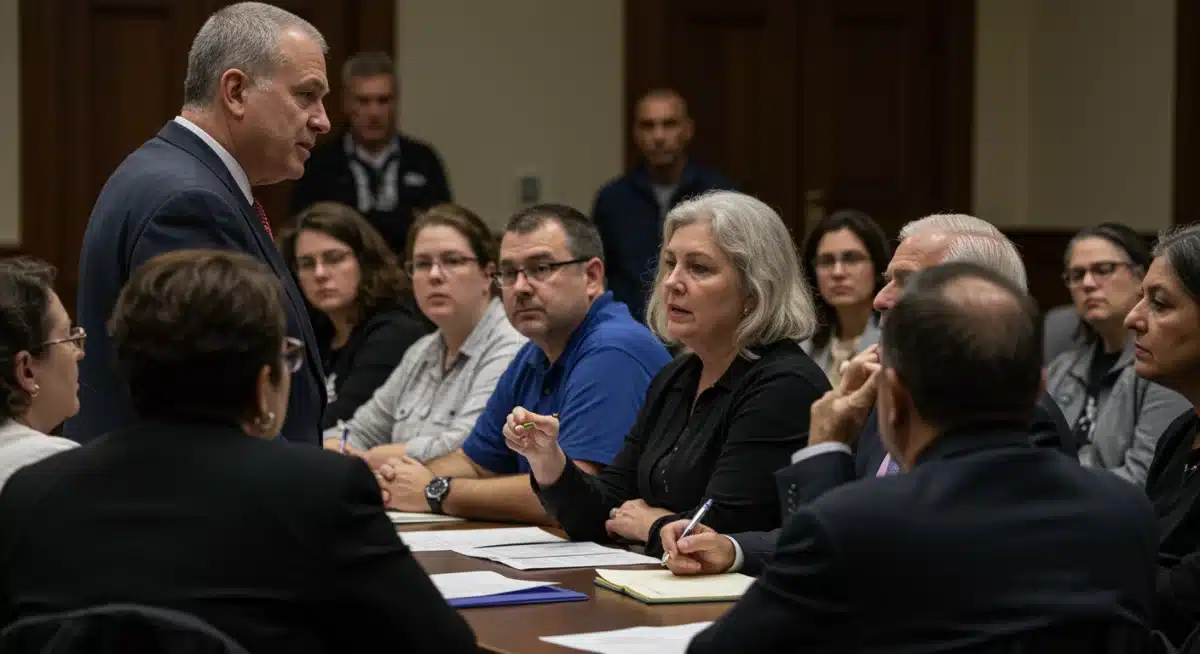
Mobilizing Key Demographics
Different demographic groups exhibit distinct voting patterns and priorities. Effective campaigns must tailor their messages to resonate with these varied concerns. For instance, younger voters often prioritize climate change and social justice, while older voters may focus more on healthcare costs and social security. Understanding these nuances is essential for successful voter mobilization efforts.
- Youth Vote: Engaging college students and young professionals through digital platforms and grassroots efforts is critical for energizing this often underrepresented group.
- Minority Voters: Tailoring messages to address specific concerns of Hispanic, African American, and Asian American communities can significantly boost turnout in key areas.
- Suburban Women: This demographic often swings between parties and can be highly influenced by issues like education, healthcare, and economic stability.
- Rural Voters: Addressing economic challenges, agricultural policies, and access to services is crucial for connecting with voters in rural areas.
Impact of Demographic Shifts
The ongoing shifts in population distribution across the United States have a direct impact on electoral maps. States experiencing an influx of new residents may see their political leanings evolve over time, transforming traditionally safe seats into competitive ones. This necessitates a continuous re-evaluation of campaign strategies and resource allocation by both political parties.
For example, the growth of urban and suburban areas at the expense of rural populations can change the political character of a state. Similarly, the aging of the population in some regions and the youth bulge in others will influence the issues that dominate campaigns and the policies that gain traction. The 2026 Midterm Elections Impact will be a direct reflection of how these demographic tides are navigated and harnessed by political campaigns.
Ultimately, the success of any political party in 2026 will depend not just on policy platforms, but also on their ability to understand, engage, and mobilize the diverse tapestry of American voters. The interplay of voter engagement and demographic trends is a powerful determinant of electoral outcomes and, consequently, future US policy.
| Key Aspect | Brief Description |
|---|---|
| Congressional Control | Determines legislative agenda and executive branch oversight for the next two years. |
| Healthcare Policy | Impacts ACA, drug pricing, and access to medical services. |
| Economic Direction | Influences tax policy, inflation, job creation, and infrastructure spending. |
| Social & Environmental Issues | Shapes climate action, reproductive rights, and immigration reform. |
Frequently Asked Questions About the 2026 Midterm Elections
The 2026 Midterm Elections are primarily about determining the balance of power in the US Congress. Voters will elect all 435 members of the House of Representatives and approximately one-third of the Senate. These elections often serve as a national referendum on the policies and performance of the sitting presidential administration and the party currently in control.
Midterm elections significantly impact US policy by determining which party controls Congress. The controlling party sets the legislative agenda, influences budget allocations, and can either support or obstruct the President’s policy initiatives. A shift in power can lead to major changes in areas like healthcare, economic policy, and environmental regulations for the subsequent two to four years.
While specific candidates and race dynamics are still evolving, states historically known for competitive Senate races will likely be critical in 2026. These often include swing states like Arizona, Pennsylvania, Ohio, and Georgia. These races are crucial as they can tip the balance of power in the Senate, affecting judicial appointments and legislative outcomes.
Voter engagement is crucial in midterm elections, as turnout is typically lower than in presidential years. The ability of campaigns to mobilize their base, particularly younger voters and diverse communities, can significantly influence the results. Higher engagement from specific demographics can shift the electoral landscape and impact which issues receive legislative priority.
The 2026 Midterm Elections could profoundly affect economic policy. A Republican-controlled Congress might pursue tax cuts and deregulation, while a Democratic majority might favor investments in infrastructure and social programs. These choices influence inflation, job growth, federal spending, and the overall economic direction, directly impacting businesses and individual financial stability.
Conclusion
The 2026 Midterm Elections stand as a defining moment for the United States, with their outcomes poised to significantly influence policy across every major sector. From the intricate balance of power in Congress to the specific legislative directions in healthcare, the economy, environmental protection, and social issues, the choices made by voters will resonate for years. Understanding the key races, demographic shifts, and potential policy implications is not just an academic exercise, but a vital step for every citizen invested in the nation’s future. The impact of these elections will undoubtedly shape the American experience for the next four years and beyond.