2026 Unemployment Rate: Decoding the 3.8% Decline and its Household Impact

The economic landscape of the United States in 2026 has witnessed a remarkable turnaround, with the 2026 unemployment rate declining significantly to 3.8%. This figure, a testament to resilience and strategic economic policies, marks a pivotal moment for American households and the broader global economy. A low unemployment rate is often hailed as a sign of a robust and healthy economy, indicative of ample job opportunities and increased consumer confidence. However, delving deeper into this statistic reveals a complex interplay of factors, future challenges, and profound implications for everyday Americans.
Understanding the journey to this 3.8% figure requires an examination of the preceding years, marked by unprecedented global events and swift economic adjustments. The aftermath of the early 2020s presented formidable challenges, from supply chain disruptions to shifts in labor demand. Yet, through innovation, adaptation, and targeted government interventions, the labor market has not only recovered but has also entered a phase of sustained growth. This article will explore the multifaceted reasons behind the declining 2026 unemployment rate, analyze its economic implications for American households, discuss potential challenges that lie ahead, and offer insights into what this means for the future.
The Road to 3.8%: Factors Driving the Decline in 2026 Unemployment Rate
The journey to a 3.8% unemployment rate in 2026 is a narrative of strategic planning, technological advancements, and a resilient workforce. Several key factors have converged to create this favorable economic climate.
Technological Innovation and Digital Transformation
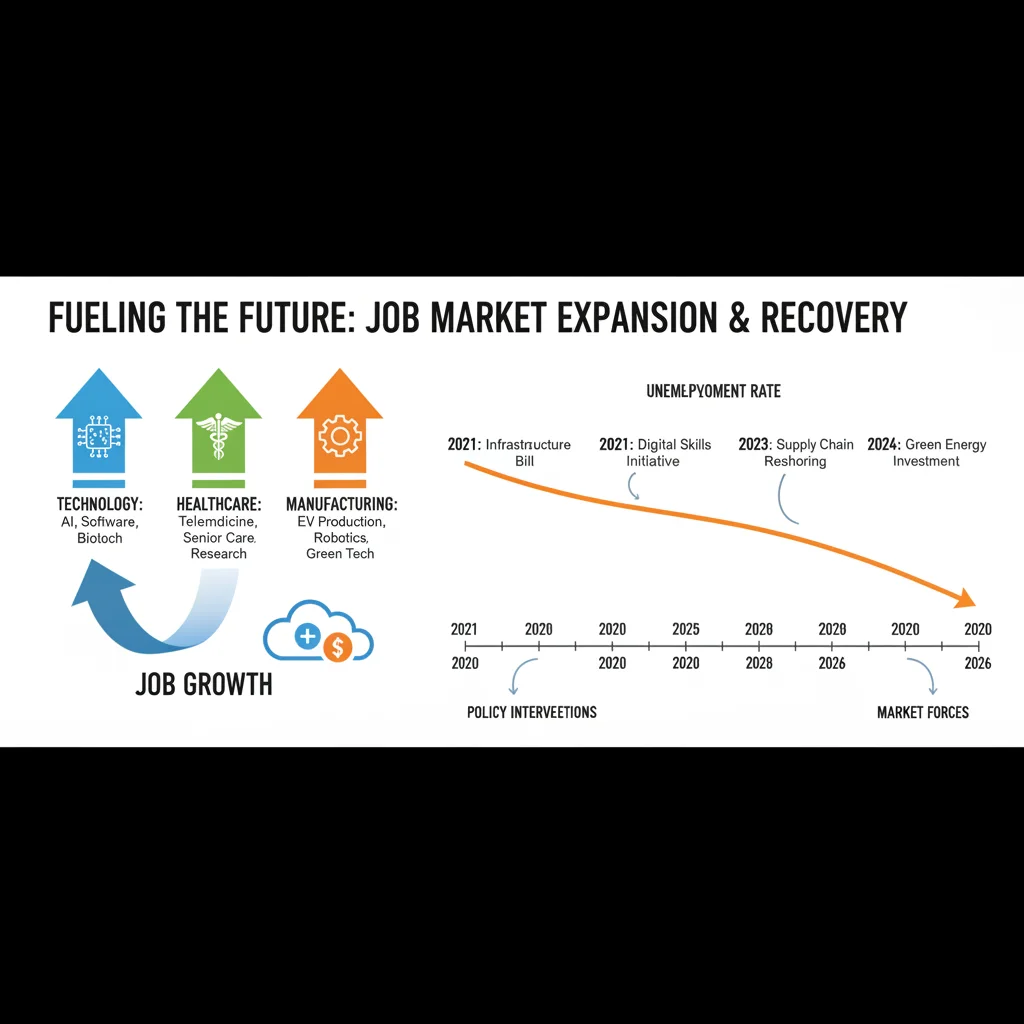
One of the primary drivers has been the accelerated pace of technological innovation. The rapid adoption of artificial intelligence, automation, and digital platforms across various industries has not only streamlined processes but also created entirely new sectors and job roles. While initial concerns about automation replacing human labor were prevalent, the reality has shown a net positive impact on employment. New jobs in AI development, data science, cybersecurity, and digital infrastructure have emerged, requiring specialized skills but also offering significant opportunities for reskilling and upskilling the existing workforce. This digital transformation has made businesses more efficient, competitive, and capable of expanding, thereby fueling job creation.
Robust Government Policies and Stimulus Measures
Government policies have played a crucial role in stabilizing the economy and fostering job growth. Targeted stimulus packages, infrastructure investments, and support for small and medium-sized enterprises (SMEs) have provided the necessary impetus for recovery. Programs aimed at vocational training and educational subsidies have also helped bridge the skills gap, ensuring that the labor force is adequately prepared for the demands of new and evolving industries. Furthermore, policies promoting domestic manufacturing and reducing reliance on foreign supply chains have created jobs within the country, bolstering local economies.
Resilient Consumer Demand and Business Investment
A strong and consistent consumer demand has been another cornerstone of this economic recovery. As confidence returned and employment opportunities increased, households felt more secure in their financial situations, leading to increased spending. This surge in consumer expenditure, in turn, encouraged businesses to invest more in expansion, innovation, and hiring. The positive feedback loop between consumer confidence, business investment, and job creation has been instrumental in driving down the 2026 unemployment rate.
Adaptability of the Workforce and Remote Work Trends
The adaptability of the American workforce has also been a significant factor. The shift towards remote and hybrid work models, initially a necessity, has evolved into a strategic advantage for many companies. This flexibility has broadened the talent pool, allowing businesses to hire from a wider geographical area and offering employees better work-life balance. For sectors that struggled with traditional recruitment, remote work has opened new avenues for attracting and retaining talent, contributing to overall employment stability and growth.
Sector-Specific Growth
Certain sectors have experienced particularly robust growth, contributing disproportionately to the decline in unemployment. The healthcare sector, driven by an aging population and advancements in medical technology, continues to be a major employer. The green energy sector, propelled by investments in renewable resources and sustainable technologies, has also seen significant job creation. Additionally, the logistics and e-commerce sectors have continued their expansion, adapting to evolving consumer habits and supply chain demands.
Economic Implications for American Households: A Closer Look
The decline in the 2026 unemployment rate to 3.8% has profound and often positive implications for American households. This low rate generally signifies a healthier economic environment, but its effects are felt in various aspects of daily life.
Increased Job Security and Wage Growth
One of the most immediate benefits is increased job security. With fewer people competing for jobs, those who are employed tend to feel more secure in their positions. This security can lead to greater confidence in making long-term financial decisions, such as purchasing a home or investing in education. Moreover, a tight labor market often translates into wage growth. As employers compete for a limited pool of skilled workers, they are more likely to offer higher salaries and better benefits to attract and retain talent. This increased purchasing power directly benefits households, allowing them to improve their quality of life, save more, or pay down debt.
Improved Financial Stability and Reduced Poverty
The reduction in unemployment directly contributes to improved financial stability for families. More individuals earning regular incomes means fewer households relying on social safety nets and a decrease in poverty rates. This stability extends beyond immediate income, influencing access to healthcare, retirement savings, and educational opportunities for children. A robust job market can lift entire communities out of economic hardship, fostering a sense of well-being and progress.
Boost in Consumer Confidence and Spending
High employment rates are closely linked to high consumer confidence. When people are employed and feel secure about their financial future, they are more inclined to spend money on goods and services. This increased consumer spending is a vital component of economic growth, as it stimulates demand, encourages business expansion, and creates further job opportunities. From retail to hospitality, various sectors benefit from this ripple effect, further solidifying the economic recovery.
The impact of this confidence is not merely transactional; it shapes the economic narrative, fostering an environment where innovation and entrepreneurship can thrive. Businesses, sensing a receptive market, are more willing to take risks and invest in new ventures, creating a dynamic economic cycle.
Impact on Housing Market and Real Estate
The housing market is particularly sensitive to unemployment rates. A low 2026 unemployment rate typically leads to increased demand for housing, as more people can afford to buy homes. This can result in rising home prices and increased construction activity, creating jobs in the construction and real estate sectors. While rising home prices can be a challenge for first-time buyers, it also indicates a healthy and appreciating asset for existing homeowners, contributing to household wealth.
Challenges and Potential Drawbacks of Low Unemployment
While a 3.8% unemployment rate is largely positive, it is not without its potential challenges. One significant concern is inflation. A tight labor market, coupled with strong consumer demand, can lead to upward pressure on prices as businesses face higher labor costs and increased demand for goods and services. Central banks often monitor these dynamics closely to prevent the economy from overheating.
Another challenge is the potential for labor shortages in specific sectors or for highly specialized roles. While overall unemployment is low, certain industries might struggle to find workers with the necessary skills, leading to bottlenecks in production or service delivery. This highlights the ongoing need for robust educational and training programs to ensure the workforce remains agile and equipped for future demands.
Navigating the Future: Sustaining Economic Growth and Addressing Disparities
Maintaining a low 2026 unemployment rate and ensuring its benefits are broadly distributed requires continuous effort and foresight. The future economic landscape will undoubtedly present new challenges and opportunities.
Addressing Income Inequality
Despite a low unemployment rate, income inequality remains a persistent concern. While average wages may rise, the distribution of these gains is not always equitable. Policies aimed at promoting fair wages, strengthening collective bargaining, and investing in education for underprivileged communities are crucial to ensure that the benefits of economic growth reach all segments of society. Bridging the gap between high-skill, high-wage jobs and lower-skill positions is essential for long-term social and economic stability.
Investment in Education and Workforce Development
To sustain low unemployment, continuous investment in education and workforce development is paramount. The rapid pace of technological change means that skills can quickly become obsolete. Governments, educational institutions, and businesses must collaborate to provide accessible and relevant training programs, focusing on future-proof skills such as digital literacy, critical thinking, and adaptability. Lifelong learning initiatives will be key to ensuring that the American workforce remains competitive and resilient.
Managing Inflationary Pressures
As mentioned, a low unemployment rate can contribute to inflationary pressures. Central banks will need to carefully manage monetary policy to keep inflation in check without stifling economic growth. This delicate balancing act involves monitoring key economic indicators and making timely adjustments to interest rates and other policy tools. Transparent communication from central banks will be vital in managing public expectations and maintaining economic stability.
Global Economic Integration and Geopolitical Risks
The US economy does not operate in isolation. Global economic conditions, trade relations, and geopolitical events can significantly impact domestic employment. Maintaining stable international relations, fostering fair trade agreements, and diversifying supply chains are crucial strategies to mitigate external risks and protect the domestic labor market. The ability to adapt to global shifts will be a defining characteristic of sustained economic success.
Promoting Entrepreneurship and Small Business Growth
Small businesses are often the backbone of job creation. Policies that support entrepreneurship, reduce regulatory burdens, and provide access to capital for startups can further stimulate job growth and innovation. Encouraging a culture of innovation and risk-taking can lead to the emergence of new industries and sectors, creating diverse employment opportunities and ensuring a dynamic economy.
The Human Face of the 2026 Unemployment Rate
Beyond the statistics and economic models, the 3.8% 2026 unemployment rate represents millions of individual stories of hope, opportunity, and stability. It means more families can afford healthy food, better education for their children, and a secure retirement. It means fewer individuals struggling with the psychological toll of joblessness and more contributing actively to their communities.

For many, this period of low unemployment provides a chance to pursue career advancements, switch to more fulfilling roles, or even start their own businesses. The increased bargaining power of employees can lead to not just higher wages, but also better working conditions, greater flexibility, and improved benefits, contributing to overall job satisfaction and well-being.
However, it is also important to acknowledge that even with a low overall rate, pockets of high unemployment can still exist. Certain demographics, regions, or industries may face unique challenges. Therefore, economic policies must be granular and targeted, ensuring that no community is left behind in the broader wave of prosperity.
Conclusion: A Promising Horizon with Persistent Vigilance
The decline in the 2026 unemployment rate to 3.8% is a significant achievement, reflecting a resilient economy, effective policy interventions, and an adaptable workforce. This positive trend has brought increased job security, wage growth, and improved financial stability for countless American households, fostering a sense of optimism and renewed confidence.
However, the path forward requires persistent vigilance. Addressing challenges such as potential inflation, income inequality, and the need for continuous workforce development will be crucial to sustaining this economic momentum. By investing in education, promoting inclusive growth, and carefully managing macroeconomic policies, the United States can ensure that the benefits of a low unemployment rate are not only maintained but also extended to all its citizens.
The current economic climate offers a promising horizon, but it also underscores the importance of proactive and adaptive strategies to navigate the complexities of a rapidly evolving global economy. The 3.8% 2026 unemployment rate is more than just a number; it is a barometer of national well-being and a testament to the collective efforts toward a more prosperous future.