veterans mental health benefit programs: find help now

veterans mental health benefit programs provide eligible veterans with counseling, psychiatric care, crisis support, telehealth, and targeted social services; confirm eligibility with your DD‑214 and medical records, apply via the VA portal or through an accredited veterans service officer for faster filing and appeals.
veterans mental health benefit programs can unlock care many vets don’t know they qualify for. Curious about eligibility, paperwork, or where to get fast help? Vamos explorar passos práticos e recursos reais para facilitar o acesso.
How the programs work and who qualifies
veterans mental health benefit programs connect veterans with care, money, and services many do not know exist. This section explains how they work and who can qualify.
Read on to see typical benefits, common eligibility rules, and simple steps to start an application.
What these programs typically cover
Programs often pay for counseling, medication, crisis care, and rehab. Some cover family support or housing help tied to mental health needs.
Core eligibility factorsEligibility usually depends on service type, discharge status, and medical records. Each program sets its own rules, so details vary by agency.
- Service status: active duty, reserve, or National Guard records matter.
- Discharge characterization: honorable or other qualifying discharges increase options.
- Documentation: service papers and medical records help prove need.
- Income and disability rating: some programs have means tests or require a VA rating.
Understanding these factors helps you focus on programs that match your situation. Start with a simple checklist of your service dates, discharge type, and any treatment notes.
How the application process works
Most programs ask for an application, supporting documents, and sometimes a medical exam. Processing times vary from weeks to months.
Many applicants find it faster to get help from a veterans service officer or a nonprofit that files claims for them. These helpers know the common forms and where to send records.
Keep copies of everything you submit and note the date you apply. If a request is denied, ask for the reason and whether you can appeal.
Ways benefits are delivered
Benefits may come as direct care, referrals to specialists, cash assistance, or telehealth visits. Programs can be local, state-run, or federal.
- In-person therapy and group counseling
- Medication management and psychiatric care
- Residential or intensive outpatient programs
- Telehealth and crisis hotlines for quick access
Eligibility for each delivery method differs. For example, telehealth may be open to more veterans, while residential programs often need a higher level of documented need.
If you are unsure which program fits, list your biggest needs—therapy, crisis care, or financial help—and match them to program descriptions. Use local veterans services to narrow options quickly.
Key takeaways: check your service records, learn each program’s rules, ask for filing help, and keep clear copies of all documents to speed approval.
Applying: step-by-step paperwork and practical tips
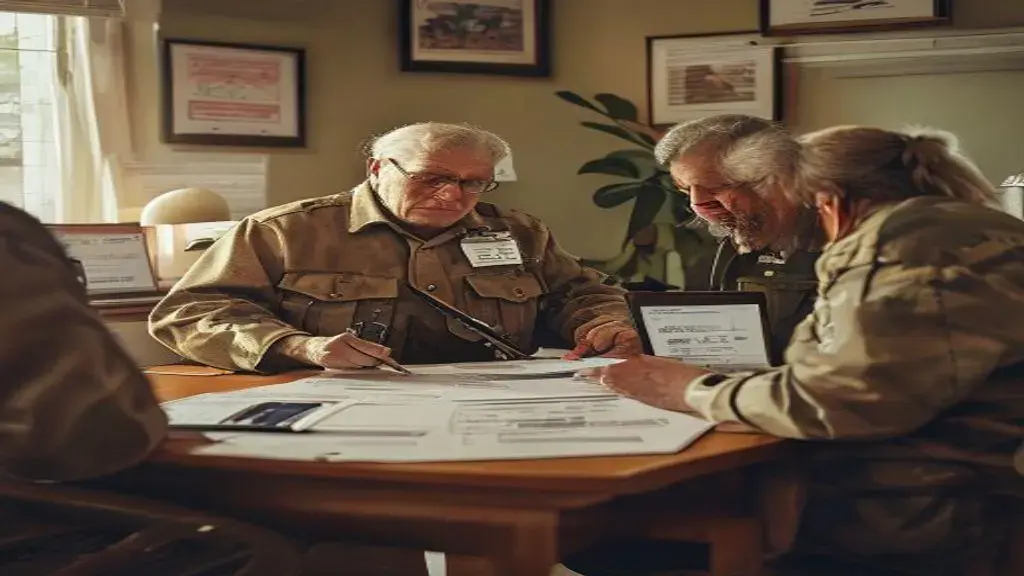
veterans mental health benefit programs often require paperwork, but a clear plan makes applying simpler. These tips show step-by-step actions you can take today.
Follow a few basic steps to gather documents, complete forms, and track your application without getting overwhelmed.
Gather essential documents first
Start by making a folder with your key records. Having originals and copies speeds every step.
- DD‑214 or service record showing dates and discharge type.
- Medical records or treatment notes that document mental health needs.
- Photo ID and proof of address.
- Any previous VA decision letters or disability ratings.
Organize files by date and label each item so you can find it quickly when a form asks for specific evidence.
Complete forms clearly and accurately
Read each question and answer honestly. Mistakes slow processing and may cause requests for more proof.
Use black ink or type when possible. If a field does not apply, write “N/A” instead of leaving it blank.
- Double-check personal info like Social Security numbers and service dates.
- Attach supporting documents in the order the form requests them.
- Keep a checklist of submitted items and note the submission date.
If you need help interpreting a question, ask a veterans service officer or a claims counselor before signing any form.
Avoid common errors such as missing signatures, unsigned release forms, or incomplete medical records. These are frequent reasons for delays.
Where to file and who can help
You can file online, by mail, or in person. Choose the option that matches your comfort and access to technology.
- Use the VA’s official portal for faster digital uploads.
- Visit a local veterans service organization for in‑person help.
- Contact a state veterans affairs office or accredited claims agent to review your packet.
Helpers can explain program rules, suggest additional evidence, and often submit forms on your behalf to reduce errors.
Keep copies of everything you send and ask for a receipt or confirmation number for online submissions. Record contact names and dates of calls.
Track progress and handle denials
After you apply, note expected timelines and set reminders to follow up. Many programs give status updates online or by phone.
If your claim is denied, read the reason carefully and get help to prepare an appeal. Appeals usually require new evidence or clarification.
- Request a decision explanation in writing.
- Gather additional records that address the denial points.
- Consider professional help for complex appeals or higher‑level reviews.
Regular follow‑up and clear documentation increase the chance of a successful outcome.
Action steps: assemble records, complete forms carefully, get filing help if needed, and track your application until you receive a decision.
Types of care covered and common limitations
veterans mental health benefit programs can cover many forms of care, from talk therapy to crisis services. This section lists typical options and what often limits them.
Knowing the types of care helps you match needs to programs and avoid surprises when you apply.
Common types of clinical care
Most programs fund outpatient therapy and psychiatric care first. These are the easiest to access for many veterans.
- Individual therapy with licensed clinicians for PTSD, depression, and anxiety.
- Medication management by psychiatrists or primary care providers.
- Group therapy and peer support groups for shared recovery work.
- Residential or inpatient programs for severe crises or intensive care.
Telehealth has expanded access. Many veterans can join therapy by video, which reduces travel and wait times.
Supportive and social services
Beyond clinical visits, programs often include case management and housing support tied to mental health needs. These services aim to stabilize daily life.
Vocational rehab and benefits counseling help veterans return to work or school while managing symptoms. Family counseling may also be available in some plans.
Some programs link to community partners for legal aid, substance use treatment, or housing placement—useful when mental health intersects with other challenges.
Typical limits and eligibility boundaries
Each program sets rules that create limits. Knowing common restrictions helps set expectations when you seek care.
- Coverage caps: some programs limit the number of therapy sessions or days in residential care.
- Documentation requirements: official records and clinical notes are often needed to prove medical necessity.
- Waiting lists and geographic limits: rural areas may have fewer in‑person options, affecting access.
- Program scope: certain benefits target specific diagnoses, service eras, or disability ratings.
Preauthorization rules can delay some services. Check whether prior approval, referrals, or second opinions are required before treatment begins.
If a needed service is out of network or not covered, ask about alternative programs, sliding‑scale community clinics, or short‑term crisis support while you appeal or seek referrals.
Bottom line: understand which care a program typically pays for, watch for session limits and documentation rules, and ask coordinators about telehealth or community options to fill gaps.
Local and online resources for immediate support

veterans mental health benefit programs link vets to fast help in crises and steady local care. This section shows where to get immediate support and how to reach it.
You will find phone lines, walk‑in clinics, online options, and community groups that can assist right away.
Local places to get help now
Many towns have resources you can visit the same day. Staff there can arrange care or make referrals.
- VA medical centers and community clinics for urgent mental health visits.
- Vet Centers for counseling tailored to military life and trauma.
- Hospital emergency departments when safety is at risk.
- Local veterans service organizations (VFW, American Legion) for quick guidance and referrals.
If you are unsure where to go, contact a local veterans office or call a community health line for directions.
Online and phone options for quick access
Hotlines and telehealth let you get help from home. They are useful at night or in rural areas.
- Veterans Crisis Line: call 988 then press 1 or use online chat for immediate support.
- VA telehealth and online therapy platforms that connect you to licensed providers.
- Peer support forums and moderated groups for shared experience and tips.
- Mobile apps offering guided breathing, mood tracking, and crisis resources.
These services work well when travel is hard or you need a fast check‑in. Keep the crisis line number saved in your phone.
Practical tips to find and use resources
Start with one call or one click. You do not always need proof of benefits to get immediate care.
- Have a list: phone numbers, clinic addresses, and a family contact.
- Ask if walk‑ins are accepted or if an appointment is required.
- Use video visits if you have trouble with transport or mobility.
- Tell staff if you need language help or accessibility services.
If a program asks for records, ask if emergency services can be provided while you gather paperwork. Many places offer short‑term help without full documentation.
Key point: combine local walk‑ins, hotline calls, and online care to get prompt support. Save numbers, keep ID handy, and reach out—help is available even before benefits are approved.
veterans mental health benefit programs can connect you to care and support, but you may need to act to get them. Gather key records, seek filing help, and use crisis or telehealth services if you need help now. Small steps—organize documents, apply, and follow up—often speed access to the right care.
FAQ – veterans mental health benefit programs
Who qualifies for veterans mental health benefit programs?
Eligibility often depends on service dates, discharge status, and medical evidence. Check specific program rules or ask a veterans service officer for help.
What documents do I need to apply?
Common documents include your DD‑214 or service record, medical or treatment notes, photo ID, and any previous VA decision letters. Keep copies.
Where can I get immediate help in a crisis?
Call the Veterans Crisis Line (dial 988 then press 1), use VA telehealth, visit a VA medical center, or go to an emergency room for urgent care.
What if my claim is denied?
Read the denial reason, gather additional evidence, and file an appeal. Seek help from a veterans service organization or an accredited claims agent to improve your case.