rising political polarization in America: what comes next?
rising political polarization in America has widened partisan gaps across media, geography, and institutions, lowering cross-party trust, shifting elections toward identity-driven choices, hampering local cooperation, and remaining measurable and addressable through targeted civic, electoral, and media reforms.
rising political polarization in America shows up at family dinners, town halls and online feeds — but why has it grown so intense? This piece walks through causes, evidence and small actions you can notice or try.
Roots and drivers behind rising polarization
rising political polarization in America has deep roots that shape how people think, talk and vote. This section breaks down the main drivers in clear, concrete terms.
Understanding where the split comes from helps spot small, practical steps people can take to reduce tensions at home and in public life.
Historical and institutional roots
Long-term changes set the stage. Party realignments, the civil rights era, and shifts in regional power changed who votes with whom. Institutions like the courts, Congress and state governments also affect how conflict plays out.
Media ecosystems and social media
News sources and platforms shape what people see. Algorithms favor emotion and repeat content that fits a user’s views.
- Algorithmic echo chambers amplify similar opinions.
- Partisan cable and online outlets reward outrage.
- Targeted political ads narrow the messages voters receive.
- Decline of local reporting reduces shared facts.
These forces make disagreements feel larger than they might be. When people live in separate media worlds, facts and frames diverge fast.
Economic, social and geographic drivers
Economic change and where people live both matter. Job loss in some areas, rising inequality, and migration to like-minded neighborhoods deepen social divides.
- Economic anxiety can turn into political anger.
- Suburban and urban sorting creates fewer cross-cutting contacts.
- Educational and cultural gaps shape political outlooks.
When daily life lacks diverse encounters, people grow more certain about their views and less open to others.
Political incentives also push polarization. Primary systems and safe districts reward extreme positions. Leaders and pundits can gain attention and power by stoking conflict rather than bridging it.
Feedback loops lock the system: polarized media drives polarized voters, which creates polarized institutions, which then reinforce more polarization. Breaking this cycle requires changes at many levels.
In short, rising political polarization in America is driven by a mix of history, media, economics and political incentives. Each driver feeds the others, making the split harder to reverse but not impossible to address.
Effects on communities, elections and everyday life
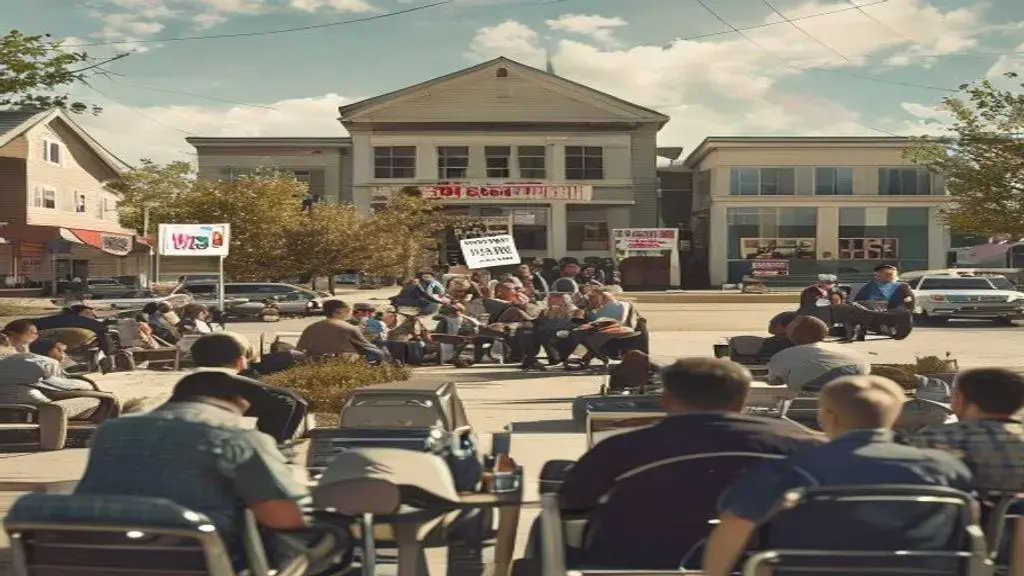
rising political polarization in America changes how neighbors relate and how people vote. It reshapes daily life in visible and quiet ways.
This section looks at local ties, elections and routine interactions so you can spot the trends and understand their effects.
community ties and local institutions
Polarization can fray local bonds. People sort into like-minded groups, and common ground shrinks.
- Schools and parent groups become battlegrounds over curriculum and values.
- Faith communities may split along political lines, reducing shared rituals.
- Local news declines, leaving gaps filled by partisan outlets.
When local institutions lose trust, cooperation on basic projects gets harder. Projects that once united neighbors meet more resistance.
Public meetings feel more hostile, and volunteers are less likely to work across divides. The result is weaker community problem-solving and fewer mixed social circles.
how polarization reshapes elections and governance
Elections grow more about identity than policy. Voters pick candidates who signal loyalty to a tribe.
- Primaries favor extreme candidates, narrowing choices in general elections.
- Negative ads and targeted messages raise anger and lower trust.
- Gerrymandering and safe districts reduce incentives to compromise.
These dynamics change who runs for office and how laws are made. Policy debates stall when compromise hurts political standing.
At the same time, turnout patterns shift. Some groups become very engaged while others drop out, altering who is heard at the ballot box.
everyday interactions and personal life
Polarization reaches kitchens, workplaces and online feeds. Small daily moves reflect larger divides.
- Family dinners can end in silence rather than debate, straining relationships.
- Workplaces may avoid politics, or they may split teams along beliefs.
- Shopping choices and neighborhood moves reflect identity more than convenience.
These shifts affect mental health and social trust. People may feel isolated or anxious about simple interactions.
At the civic level, less trust in institutions makes public health, safety and common projects harder to run. Shared facts matter, and when those fade, cooperation costs rise.
In short, the effects on communities, elections and daily life are deep and linked. Recognizing these patterns is the first step to finding practical ways to rebuild trust and keep civic life functioning.
What research and data say about recent trends
rising political polarization in America shows up in polls, voting records and social data. Researchers use many measures to track how views and behaviors change over time.
This section summarizes key findings in clear terms so you can see what the numbers really mean for everyday life and policy.
polling and public opinion trends
Surveys find growing distance between party supporters on core issues and attitudes. People today are more likely to view the opposing party unfavorably.
- More respondents report strong dislike for the other party than in past decades.
- Fewer people hold mixed views; party and ideology line up more often.
- Issues like immigration, race and trust in institutions show the largest gaps.
These shifts show up in standard polls and in large national studies. Changes are gradual but steady, and they affect how people choose leaders.
measuring polarization in institutions
Data from legislatures and courts reveal clearer divides. Roll-call votes and judicial rulings show wider ideological gaps among elites.
- Congressional voting records indicate less cross-party cooperation on major bills.
- Judicial appointments often align with clear political philosophies.
- State legislatures also reflect national splits, shaping local policy differences.
When leaders move apart, policy debates harden and compromise becomes rarer, which changes what governments can realistically do.
At the same time, turnout and electoral data show new patterns. Polarization can increase engagement among some groups while discouraging others from voting. That shifts which voices matter most in elections.
social media, information flows and big data
Online platforms create measurable echo chambers. Algorithms often surface content that triggers strong reactions, and that magnifies partisan signals.
Researchers track shares, likes and network clustering to see how ideas spread. Misinformation travels fast in polarized networks, and fact-checking reaches different audiences unevenly.
Large datasets also let scholars map geographic sorting. Counties and neighborhoods are more homogenous than before, and maps of voting show widening regional differences.
These patterns combine: media exposure, geography and institutional incentives reinforce each other. Data makes the links visible and helps target remedies.
what the data suggests about causes and change
Evidence points to multiple, interacting causes rather than a single source. Elite behavior, media dynamics and social sorting all matter.
- Elite polarization often leads and public views follow, though feedback runs both ways.
- Economic and cultural change helps explain some partisan shifts in particular places.
- Technology and media alter how quickly opinions spread and harden.
Overall, the research shows that rising political polarization in America is measurable, multi-causal and durable, but not immutable. Data also identifies moments and places where bridges still form, offering a basis for practical interventions.
How citizens and leaders can reduce the divide

rising political polarization in America makes many feel stuck, but citizens and leaders can take clear steps to bridge divides. Small moves add up when they focus on trust and facts.
Below are practical tactics that communities and officials can use to reduce tension and strengthen civic life.
community dialogue and local projects
Start with places people already share. Conversations work best when they focus on common needs, not abstract fights.
- Host neutral community forums with clear rules for respectful talk.
- Run small joint projects like park cleanups or food drives to build trust.
- Support local journalism that reports facts, not hot takes.
These steps create repeated, positive contact. Over time, simple cooperation makes political differences feel less central to daily life.
institutional changes that help
Some fixes come from rules and systems. Changing how people vote or how districts are drawn can lower the payoff for extreme positions.
Reforms like open primaries, ranked-choice voting, and independent redistricting reduce incentives to run on pure tribal appeal. They give voters more reason to consider competence and compromise.
Local policies that reward cross-party teamwork also matter. When leaders see benefits in working together, they are more likely to do it.
leadership, norms and incentives
Leaders set the tone. When public figures model calm, fact-based speech, others follow. Incentives from parties and donors also shape behavior.
- Reward leaders who reach across the aisle with positive coverage and support.
- Create bipartisan task forces for concrete problems like infrastructure or schools.
- Encourage parties to promote candidates who can build broader coalitions.
Changing incentives makes cooperation not just possible but politically smart.
At the individual level, simple habits help. Ask questions before judging. Seek out reliable sources. Limit time on feeds that push anger. These moves lower emotional intensity and open space for discussion.
Training in listening and media literacy can scale those habits. Schools, workplaces and civic groups can teach people how to spot manipulation and hold calm conversations.
Finally, measure progress. Track local trust, turnout, and cross-party participation in civic events. Small gains can guide bigger efforts and show what works.
Taken together, these actions by citizens and leaders can ease the patterns that drive rising political polarization in America. The change is gradual, but focused steps build stronger, more resilient communities.
Rising political polarization in America can be eased with steady, practical work. Small acts—better local talks, fair rules, and leaders who model calm—build trust and make cooperation possible.
Write in English (US)
FAQ – Rising political polarization in America
What does rising political polarization mean?
It means political views and attitudes in the U.S. are growing more divided, with people and parties moving farther apart on issues and trust.
How does polarization affect local communities?
It strains local bonds, makes public meetings tense, and reduces cooperation on shared projects like schools or neighborhood improvements.
What practical steps can citizens take to reduce the divide?
Listen to others, join neutral community projects, limit time on outrage-driven feeds, and support local journalism and media literacy.
How can leaders and institutions help lower polarization?
Leaders can model calm, promote bipartisan solutions, and back reforms like open primaries and fair redistricting to reduce incentives for extreme positions.