Healthcare Policy Shifts 2026: What Your Family Needs to Know

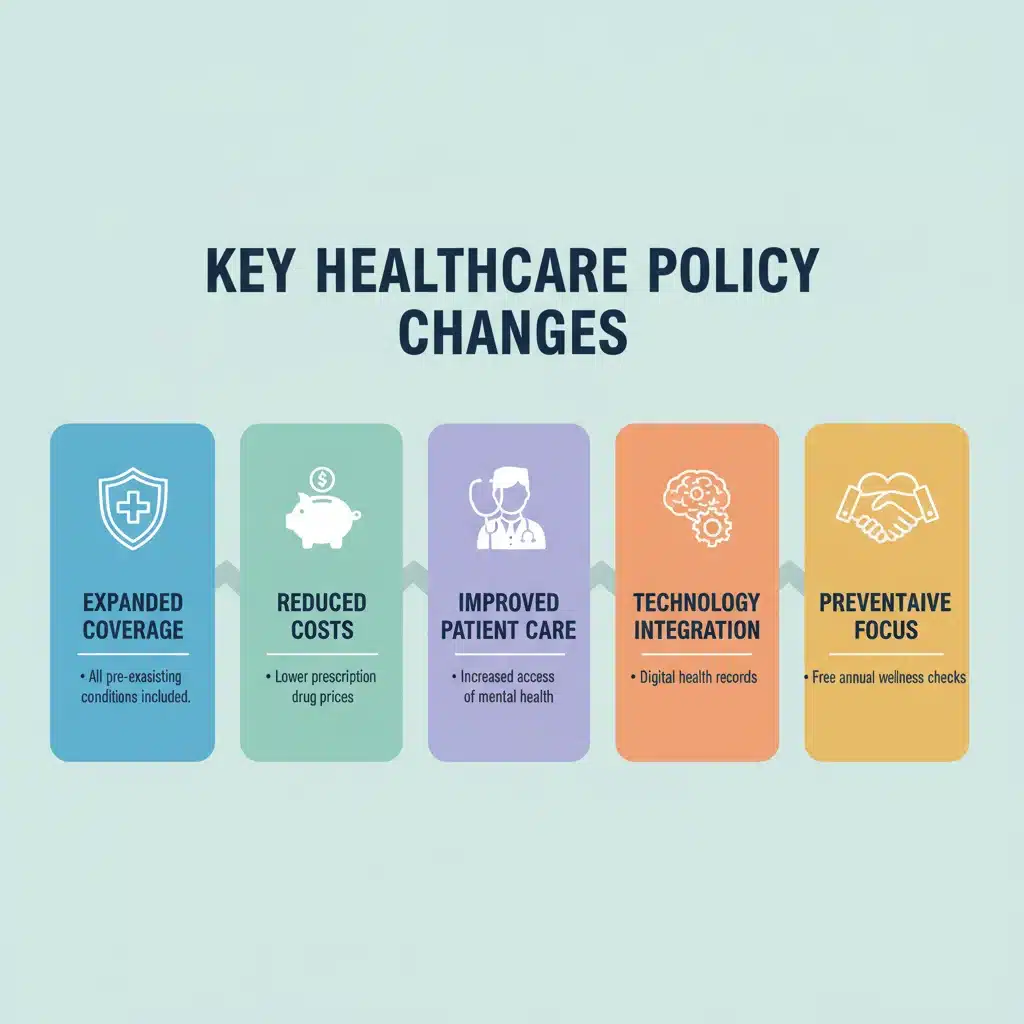
Alert: Major Healthcare Policy Shifts Expected in Q1 2026 – What 5 Key Changes Mean for Your Family
The landscape of healthcare is in a constant state of evolution, and as we approach Q1 2026, significant healthcare policy shifts are on the horizon. These forthcoming changes are not merely bureaucratic adjustments; they are foundational alterations that could profoundly impact how you and your family access medical care, manage health costs, and utilize insurance benefits. Understanding these shifts now is paramount for proactive planning and ensuring your family’s well-being remains a top priority.
For many families, healthcare is a top concern, often influencing financial decisions, lifestyle choices, and even where one chooses to live. The upcoming healthcare policy shifts slated for early 2026 promise to redefine several critical aspects of the U.S. healthcare system. From changes in insurance coverage mandates to adjustments in prescription drug pricing and expanded access to specific services, these reforms are designed to address long-standing challenges while also introducing new considerations for patients and providers alike.
This comprehensive guide aims to demystify these complex changes. We will delve into five pivotal healthcare policy shifts that are expected to take effect in Q1 2026, breaking down what each means for your family directly. Our goal is to equip you with the knowledge needed to navigate this evolving environment, make informed decisions, and advocate effectively for your family’s healthcare needs. Let’s explore these crucial updates and understand their potential ramifications.
Understanding the Imperative for Healthcare Policy Shifts
Before we dive into the specifics, it’s essential to grasp why these healthcare policy shifts are being introduced. The motivations behind such significant reforms are multifaceted, often driven by a combination of economic pressures, technological advancements, public health crises, and a continuous effort to improve patient outcomes and access. The U.S. healthcare system, while offering world-class medical innovation, also grapples with issues of affordability, equity, and administrative complexity.
Policymakers frequently seek to balance competing interests: controlling escalating costs, ensuring universal access, promoting quality care, and fostering innovation. Each legislative cycle brings new proposals, discussions, and ultimately, new policies designed to fine-tune or overhaul parts of this intricate system. The 2026 changes are a culmination of ongoing debates and analyses, reflecting current societal needs and future projections for health and wellness across the nation.
These healthcare policy shifts are not isolated events; they are part of a larger, dynamic process of reform. Understanding the ‘why’ behind them can help families better anticipate the ‘what’ and ‘how’ they might be affected. Whether it’s addressing gaps in coverage, streamlining administrative burdens, or reining in drug prices, each change has a strategic purpose aimed at improving the overall functionality and fairness of the healthcare system.
It’s also worth noting that the political climate plays a significant role in shaping these policies. Different administrations and legislative bodies often have varying philosophies regarding the government’s role in healthcare, leading to cycles of reform and counter-reform. The upcoming healthcare policy shifts for Q1 2026 represent the current consensus or legislative momentum, which is why staying informed is more crucial than ever.
Key Change 1: Expanded Eligibility and Subsidies for Health Insurance Marketplaces
One of the most impactful healthcare policy shifts expected in Q1 2026 is the expansion of eligibility and increased subsidies for health insurance marketplace plans (often referred to as ACA plans). This change aims to make health insurance more affordable and accessible to a broader segment of the population, particularly middle-income families who may have previously found plans too expensive without substantial financial assistance.
What this means for your family:
- Lower Premiums: If your family’s income was previously just above the threshold for significant subsidies, you might now qualify for greater financial assistance, leading to lower monthly premiums.
- Broader Coverage Options: With more affordable options, families may be able to choose plans with better benefits, lower deductibles, or a wider network of providers.
- New Entrants to Coverage: For families who were uninsured due to cost, this shift could open the door to obtaining comprehensive health coverage, protecting them from unexpected medical expenses.
- Impact on Employer-Sponsored Plans: While primarily affecting marketplace plans, increased affordability in this sector might indirectly influence employer offerings, potentially leading to more competitive options or encouraging some individuals to explore marketplace alternatives if their employer plans are less robust.
Families are encouraged to re-evaluate their eligibility for subsidies and explore the updated marketplace options when the new policies take effect. This could be a significant opportunity to secure more affordable and comprehensive health insurance for everyone in your household. Tools and resources will likely become available closer to Q1 2026 to help individuals calculate their new subsidy amounts and compare plans effectively. This particular healthcare policy shift could be a game-changer for many struggling with the cost of health insurance.
Key Change 2: Reforms in Prescription Drug Pricing and Coverage
The cost of prescription drugs has been a major concern for years, and one of the anticipated healthcare policy shifts for 2026 directly addresses this issue. This reform is expected to introduce new mechanisms for negotiating drug prices, particularly for certain high-cost medications, and potentially cap out-of-pocket spending for beneficiaries, especially those on Medicare.
What this means for your family:
- Reduced Drug Costs: For families with chronic conditions or those requiring expensive specialty drugs, this could lead to significant savings on prescription medications.
- Predictable Spending: Out-of-pocket caps, if implemented broadly, will provide greater financial predictability, preventing catastrophic drug costs from derailing family budgets.
- Access to Essential Medicines: Lower prices might encourage pharmaceutical companies to focus on developing more affordable generic alternatives or make existing essential medicines more accessible.
- Impact on Pharmacy Benefits: Your current pharmacy benefit manager (PBM) and health plan might adjust their formularies and pricing structures in response to these reforms. It’s crucial to review these changes when they are announced.
This healthcare policy shift is particularly vital for elderly family members or those with long-term health issues where medication costs can accumulate rapidly. Families should monitor announcements from their insurance providers and Medicare regarding specific drug price changes and out-of-pocket limits. Proactive discussions with healthcare providers about generic alternatives or new cost-saving programs will also be beneficial. The goal of this reform is to alleviate the financial burden of necessary medications, making healthcare more manageable for countless families.
Key Change 3: Enhanced Focus on Mental Health and Behavioral Healthcare Integration
Another significant area of healthcare policy shifts in 2026 is the enhanced focus on mental health and behavioral healthcare integration. This reform aims to improve access to mental health services, ensure parity with physical health coverage, and promote better integration of mental healthcare into primary care settings. The recognition of mental health as a critical component of overall well-being has grown, leading to policies designed to address historical disparities in coverage and access.
What this means for your family:
- Improved Access to Therapists and Counselors: Families may find it easier to locate and afford mental health professionals, with potentially expanded networks and better coverage for therapy sessions.
- Integrated Care Models: Your primary care physician might begin offering more integrated mental health screenings and referrals, making it simpler to address mental health concerns alongside physical health issues.
- Coverage Parity: Insurance plans will likely be mandated to cover mental health services at the same level as physical health services, reducing out-of-pocket costs and eliminating discriminatory practices.
- Support for Children and Adolescents: Specific initiatives might target mental health support for younger family members, acknowledging the growing need for early intervention and continuous care.
This healthcare policy shift is a welcome development for many families, as mental health challenges are increasingly prevalent. Families should inquire with their insurance providers about updated mental health benefits and explore new integrated care options offered by their healthcare systems. Utilizing these resources can lead to more holistic and effective care for all family members, fostering greater emotional and psychological well-being. The emphasis on parity and integration reflects a more comprehensive understanding of health.
Key Change 4: Streamlined Prior Authorization Processes and Provider Reimbursement Changes
Bureaucracy in healthcare, particularly prior authorization requirements, often creates delays and frustration for patients and providers. One of the anticipated healthcare policy shifts for Q1 2026 aims to streamline these processes and introduce changes in provider reimbursement models. The goal is to reduce administrative burdens, accelerate access to necessary treatments, and incentivize value-based care over fee-for-service models.
What this means for your family:
- Faster Access to Care: A simplified prior authorization process means less waiting time for approvals for procedures, medications, or specialist visits, potentially leading to quicker diagnoses and treatment.
- Reduced Administrative Hassles: Families may experience fewer denials or requests for additional information from their insurance companies, making the healthcare journey smoother.
- Emphasis on Quality Outcomes: Changes in provider reimbursement towards value-based care could encourage healthcare providers to focus more on preventive care, chronic disease management, and overall patient health, rather than just the volume of services.
- Potential for New Care Models: This shift might lead to the development of innovative care models that prioritize patient experience and long-term health, such as bundled payments for certain conditions or shared savings programs.
While these healthcare policy shifts might seem more administrative, their impact on patient experience is significant. Families should stay informed about how their specific insurance plans and healthcare providers adapt to these new regulations. Understanding the new prior authorization guidelines can help you advocate for timely care. This reform is designed to make the healthcare system more efficient and patient-centered, ultimately benefiting those seeking treatment.
Key Change 5: Expansion of Telehealth Services and Digital Health Infrastructure
The COVID-19 pandemic accelerated the adoption of telehealth, demonstrating its immense potential. Building on this, a key healthcare policy shift expected in Q1 2026 involves the permanent expansion of telehealth services and significant investment in digital health infrastructure. This includes broader coverage for virtual visits, remote monitoring, and enhanced data security for digital health platforms.
What this means for your family:
- Convenient Access to Care: Families in rural areas or those with busy schedules will benefit from easier access to doctors, specialists, and mental health professionals through virtual appointments.
- Reduced Travel and Time Off: Telehealth can save time and money by eliminating the need for travel to appointments, reducing time off from work or school.
- Improved Chronic Disease Management: Remote monitoring devices and virtual check-ins can enhance the management of chronic conditions, allowing for more frequent oversight without constant in-person visits.
- Enhanced Data Security and Privacy: New investments in digital infrastructure aim to ensure that your health data is secure and private when utilizing telehealth platforms.
This healthcare policy shift represents a modernization of healthcare delivery, making it more flexible and patient-friendly. Families should inquire with their healthcare providers and insurance companies about the full scope of telehealth services covered under the new policies. Leveraging these digital health tools can significantly improve convenience and continuity of care for all family members. The expansion of telehealth is poised to make healthcare more accessible and integrated into daily life.

Preparing Your Family for the 2026 Healthcare Policy Shifts
Navigating these upcoming healthcare policy shifts requires proactive engagement and informed decision-making. While the specific details will continue to unfold as Q1 2026 approaches, there are several steps your family can take now to prepare and ensure a smooth transition.
Stay Informed and Engaged
The most crucial step is to remain updated on all official announcements regarding these healthcare policy shifts. Follow reputable healthcare news outlets, government healthcare agency websites (like HHS.gov, CMS.gov), and your insurance provider’s communications. Attend local community forums or webinars that discuss the impending changes. Knowledge is your most powerful tool in adapting to new regulations.
Review Your Current Health Insurance Plan
Before the changes take effect, take the time to thoroughly review your current health insurance policy. Understand your benefits, deductibles, co-pays, out-of-pocket maximums, and network restrictions. This baseline understanding will help you identify how the new healthcare policy shifts might alter your coverage and whether your current plan remains the best fit for your family’s needs. Pay close attention to any changes in prescription drug formularies or covered services.
Assess Your Family’s Healthcare Needs
Consider your family’s specific healthcare requirements. Do you have members with chronic conditions requiring expensive medications? Are mental health services a priority? Do you live in an area where telehealth could significantly improve access? By mapping out your family’s unique needs, you can better evaluate how the healthcare policy shifts will impact your access to essential services and potential costs. This assessment will guide your decision-making process.
Consult with Healthcare Professionals and Financial Advisors
Don’t hesitate to discuss these upcoming healthcare policy shifts with your primary care physician, specialists, and even a financial advisor. Your doctors can offer insights into how changes in reimbursement or service delivery might affect your care. A financial advisor specializing in healthcare costs can help you understand the economic implications and plan for any potential adjustments in premiums or out-of-pocket expenses. They can also provide guidance on how to best utilize new subsidies or cost-saving measures.
Explore New Marketplace Options and Subsidies
Once the expanded eligibility and subsidy details for health insurance marketplaces are finalized, actively explore the available plans. Even if you currently have employer-sponsored insurance, it might be beneficial to compare options on the marketplace. The increased subsidies could make a marketplace plan more affordable or offer better benefits for your family. Utilize online calculators and comparison tools to determine your eligibility and potential savings under the new healthcare policy shifts.
Advocate for Your Family’s Health
Understand your rights as a patient and advocate for your family’s healthcare needs. If you encounter issues with coverage, billing, or access to services due to the new healthcare policy shifts, know who to contact. This might include your insurance provider’s customer service, state insurance departments, or patient advocacy organizations. Being an informed and assertive advocate can make a significant difference in navigating the complexities of the healthcare system.
Embrace Telehealth and Digital Health Tools
With the expansion of telehealth services, familiarize your family with these digital health options. Learn how to schedule virtual appointments, use remote monitoring devices, and securely access your health records online. These tools, bolstered by the new healthcare policy shifts, can offer unprecedented convenience and continuity of care, especially for routine check-ups, follow-up appointments, and managing chronic conditions.
Budget for Potential Changes
While some healthcare policy shifts aim to reduce costs, others might introduce new fees or require adjustments to your healthcare spending. Review your family budget and consider how any changes in premiums, deductibles, or prescription drug costs might impact your finances. Having a contingency plan or adjusting your savings strategy can provide peace of mind during this transition period.
The Long-Term Impact of Healthcare Policy Shifts on Family Well-being
The healthcare policy shifts of Q1 2026 are not just about immediate adjustments; they have the potential to shape the long-term well-being of families across the nation. By improving affordability, enhancing access to essential services, and promoting more integrated care models, these reforms aim to foster a healthier population. For families, this could mean greater financial security, reduced stress related to medical emergencies, and improved quality of life through better preventive and ongoing care.
A healthcare system that is more accessible and affordable allows families to prioritize health without sacrificing other essential needs. The focus on mental health integration, for instance, acknowledges the interconnectedness of physical and emotional well-being, leading to more holistic care outcomes. Similarly, streamlined administrative processes and expanded telehealth services mean less time spent navigating bureaucracy and more time focusing on recovery and health maintenance.
However, the success of these healthcare policy shifts will also depend on their implementation and ongoing evaluation. It is crucial for policymakers to continuously monitor their impact, make necessary adjustments, and ensure that the benefits reach all segments of the population equitably. Families, as the ultimate beneficiaries and stakeholders, play a vital role in providing feedback and advocating for policies that truly serve their needs.
Ultimately, these healthcare policy shifts represent an ongoing national conversation about how best to deliver quality, affordable care to everyone. By staying informed, engaging with the changes, and proactively planning, your family can navigate this evolving landscape effectively and emerge stronger and healthier. The future of healthcare is being shaped now, and your understanding of these critical reforms is key to securing your family’s health and financial future.
Conclusion: Navigating the Future of Family Healthcare
The impending healthcare policy shifts in Q1 2026 underscore the dynamic nature of the healthcare system and the continuous effort to refine its operations and outcomes. From expanded insurance subsidies and prescription drug reforms to enhanced mental health services, streamlined authorizations, and robust telehealth options, these changes are designed to address critical needs and improve the overall healthcare experience for families.
While the specifics may seem daunting, viewing these shifts as opportunities for better, more affordable, and more accessible care can empower your family to adapt effectively. Proactive steps such as staying informed, reviewing your current plans, assessing your family’s unique needs, and consulting with experts will be invaluable. Embracing new technologies like telehealth and actively advocating for your family’s interests will ensure you make the most of these reforms.
The goal of these healthcare policy shifts is to build a more resilient, equitable, and patient-centered healthcare system. By understanding and preparing for these five key changes, your family can not only navigate the transition smoothly but also leverage the new opportunities to secure a healthier and more financially stable future. Stay vigilant, stay informed, and take charge of your family’s healthcare journey as these significant changes unfold.