
Vocational Training in 2026: Exploring High-Demand Career Paths in the US with 15% Job Growth
In a rapidly evolving global economy, the landscape of work is constantly shifting. For individuals seeking stable, rewarding, and future-proof careers, vocational training offers a powerful pathway. As we look towards 2026, the United States job market is poised for significant changes, with certain sectors experiencing substantial growth. This article delves into the world of high demand vocational careers, highlighting opportunities with projected job growth of 15% or more, and exploring how vocational training can equip you for success in these burgeoning fields.
The traditional four-year degree path isn’t the only route to a successful career. In fact, for many, vocational training provides a more direct, cost-effective, and hands-on approach to acquiring the skills needed for in-demand jobs. These programs often lead to certifications, diplomas, or associate degrees that are highly valued by employers. The Bureau of Labor Statistics (BLS) consistently points to several sectors that will continue to expand, driven by technological advancements, demographic shifts, and evolving societal needs. Understanding these trends is crucial for anyone planning their educational and career journey.
Our focus today is on those specific vocational paths that not only promise employment but also significant growth, ensuring that your investment in education translates into a robust and sustainable career. We’ll examine the driving forces behind this growth, the specific roles within these sectors, and the vocational training programs designed to prepare you for these exciting opportunities. If you’re considering a career change, entering the workforce, or simply looking to enhance your skills, understanding these high demand vocational careers is an essential first step.
Understanding the Landscape: Why Vocational Careers are Flourishing
The resurgence of vocational training and its growing appeal can be attributed to several key factors. Firstly, there’s a growing recognition of the skills gap in many industries. Employers are actively seeking candidates with practical, job-specific skills that traditional academic programs may not always provide. Vocational schools and community colleges are adept at tailoring their curricula to meet these immediate industry needs, producing graduates who are ready to hit the ground running.
Secondly, the cost and time commitment associated with a four-year university degree can be prohibitive for many. Vocational programs, often shorter in duration and less expensive, offer a quicker return on investment. This accessibility makes them an attractive option for a broader demographic, including high school graduates, military veterans, and individuals looking to reskill or upskill.
Thirdly, technological advancements, rather than diminishing the need for skilled trades, have often augmented them. Automation and artificial intelligence require skilled technicians to install, maintain, and repair complex machinery. The digital transformation has also created entirely new vocational fields, particularly in IT and cybersecurity. This means that many high demand vocational careers are not just about traditional trades, but also about mastering cutting-edge technologies.
Finally, demographic shifts play a significant role. An aging population, for instance, drives demand for healthcare services, while infrastructure development and maintenance necessitate a robust skilled trades workforce. These underlying societal trends create a sustained demand for specific vocational skills, making these career paths particularly resilient to economic fluctuations.
Top High-Demand Vocational Careers for 2026 with 15%+ Job Growth
Let’s dive into the specific vocational fields that are projected to experience substantial growth by 2026. The following careers are not only in high demand but also offer excellent prospects for job security and competitive wages.
1. Healthcare Support Occupations
The healthcare sector remains a powerhouse for job growth, largely due to an aging population and advancements in medical technology. Many roles within healthcare support require vocational training rather than a four-year degree, and they consistently show strong growth projections.
- Medical Assistants: These professionals perform administrative and clinical tasks in healthcare facilities. The BLS projects a 16% growth from 2022 to 2032, much faster than the average for all occupations. Vocational programs typically last between nine months and two years, leading to a certificate or associate degree.
- Nursing Assistants/Orderlies: Providing basic care to patients in hospitals and nursing homes, these roles are crucial. Projected growth is 4% from 2022 to 2032, but the sheer volume of jobs makes it a consistently in-demand field. Training programs are often short-term, leading to certification.
- Home Health and Personal Care Aides: With the preference for aging in place, these roles are skyrocketing. The BLS projects a massive 22% growth from 2022 to 2032. While some roles require minimal training, formal vocational programs enhance employability and skill sets.
- Phlebotomists: Specializing in drawing blood for tests, transfusions, and donations, phlebotomists are vital in healthcare. A 7% growth is projected from 2022 to 2032. Vocational programs are typically short, lasting only a few months.
- Dental Assistants: Working alongside dentists, dental assistants perform a variety of patient care, office, and lab duties. The BLS projects an 8% growth from 2022 to 2032. Training often involves a one-year certificate program or an associate degree.
The demand for these high demand vocational careers in healthcare is unwavering, making vocational training in this sector a very smart choice.
2. Renewable Energy Technicians
As the world shifts towards sustainable energy, jobs in renewable energy are experiencing explosive growth. These roles are inherently vocational, requiring specialized hands-on skills.
- Wind Turbine Technicians: These technicians install, inspect, maintain, and repair wind turbines. The BLS projects an astonishing 45% growth from 2022 to 2032, making it one of the fastest-growing occupations. Vocational programs typically offer an associate degree or certificate.
- Solar Photovoltaic (PV) Installers: Installing and maintaining solar panels on rooftops or other structures is a rapidly expanding field. The BLS projects a 22% growth from 2022 to 2032. Most installers learn through a vocational program or apprenticeship.
Investing in training for these roles means stepping into a future-proof industry with immense potential. These are truly high demand vocational careers for the green economy.
3. Information Technology (IT) Support and Cybersecurity
The digital age continues to create a vast need for IT professionals, particularly in support and security roles that don’t always require a bachelor’s degree but benefit greatly from vocational certifications.
- Computer Support Specialists: These professionals provide help and advice to computer users and organizations. The BLS projects a 10% growth from 2022 to 2032. Vocational schools offer certificates and associate degrees in IT support, often focusing on specific operating systems or software.
- Information Security Analysts: While many roles in cybersecurity prefer a bachelor’s, vocational training and certifications (like CompTIA Security+) can open doors, especially for entry-level positions. The BLS projects a significant 32% growth from 2022 to 2032. These are increasingly becoming high demand vocational careers as the digital threat landscape evolves.
- Network and Computer Systems Administrators: These professionals install, configure, and maintain an organization’s local area network (LAN), wide area network (WAN), and other data communications systems. The BLS projects a 2% growth from 2022 to 2032, but the demand for skilled professionals remains consistent. Vocational programs offer certifications and associate degrees.
The fast pace of technological change ensures that IT-related high demand vocational careers will continue to be critical for businesses and individuals alike.
4. Skilled Trades and Construction
Infrastructure development, maintenance, and a shortage of experienced workers continue to fuel demand in the skilled trades. Many of these roles offer excellent pay and benefits, often without the burden of student loan debt.
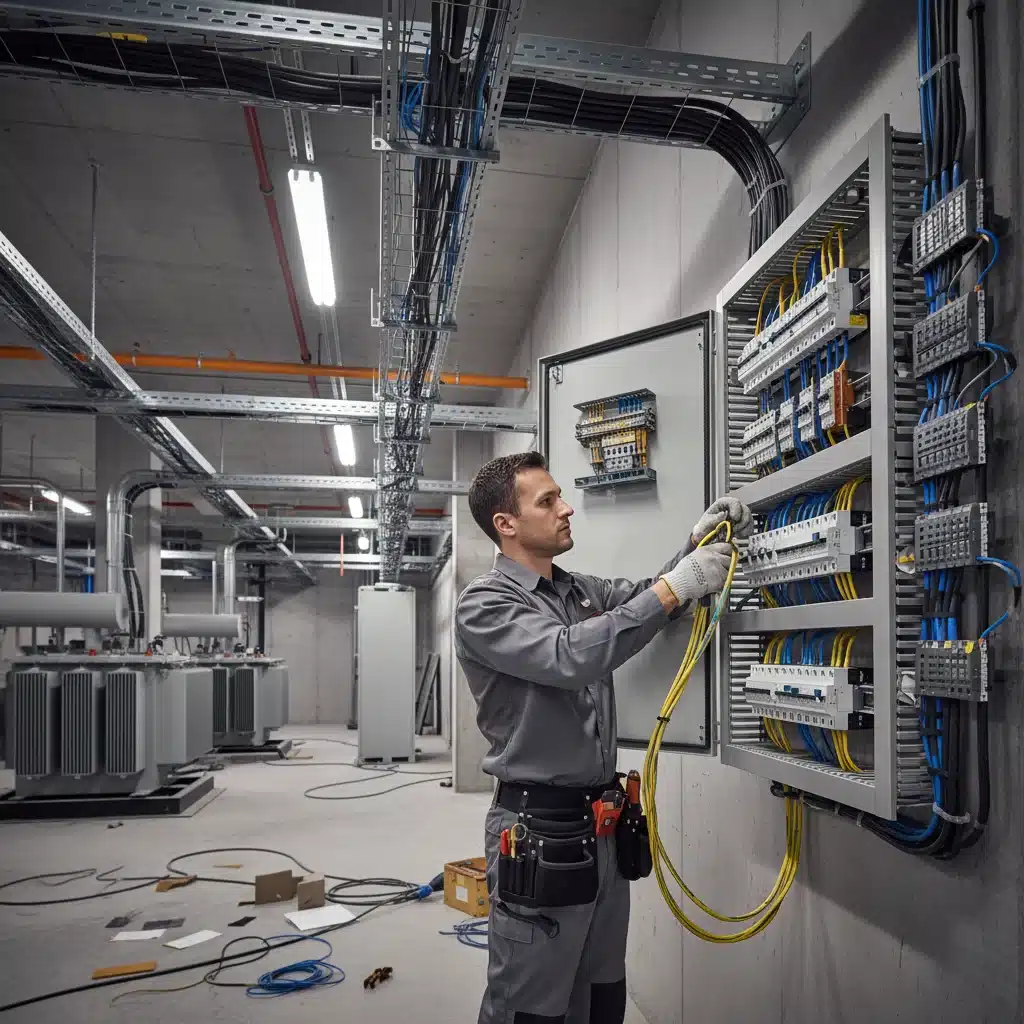
- Electricians: Installing, maintaining, and repairing electrical power, communications, lighting, and control systems. The BLS projects a 6% growth from 2022 to 2032. Apprenticeships and vocational programs are the primary pathways.
- Plumbers, Pipefitters, and Steamfitters: Installing and repairing pipes that carry liquids or gases. The BLS projects a 2% growth from 2022 to 2032. While the percentage is lower, the sheer volume of work and the critical nature of the job ensure consistent demand. Apprenticeships are common.
- HVACR Technicians: Installing, maintaining, and repairing heating, ventilation, air conditioning, and refrigeration systems. The BLS projects a 6% growth from 2022 to 2032. Vocational schools offer certificates and associate degrees.
- Construction Equipment Operators: Operating heavy machinery used in construction and mining. The BLS projects a 5% growth from 2022 to 2032. Vocational training and apprenticeships are key.
The foundational nature of these roles means that high demand vocational careers in skilled trades are evergreen, essential for society’s functioning.
5. Automotive Service Technicians and Mechanics
Despite advancements in vehicle technology, the need for skilled technicians to repair and maintain cars, trucks, and other vehicles remains strong.
- Automotive Service Technicians and Mechanics: Inspecting, maintaining, and repairing automobiles and light trucks. The BLS projects a 2% growth from 2022 to 2032. Vocational programs and certifications are standard. As vehicles become more complex with electric and hybrid technologies, specialized training in these areas will be particularly valuable, pushing these into the realm of high demand vocational careers.
- Diesel Service Technicians and Mechanics: Specializing in diesel engines for trucks, buses, and other heavy equipment. The BLS projects a 4% growth from 2022 to 2032. Specialized vocational training is essential.
6. Logistics and Supply Chain Management
The global supply chain is more complex than ever, and the demand for professionals who can manage the movement of goods is critical. While some roles require degrees, many entry to mid-level positions benefit greatly from vocational training and certifications.
- Logistics Coordinators/Specialists: These roles involve organizing and monitoring the storage and distribution of goods. While BLS doesn’t provide specific vocational growth for this title, the broader category of Logisticians is projected to grow 18% from 2022 to 2032. Vocational programs can provide certifications in supply chain management, making these high demand vocational careers accessible.
- Commercial Truck Drivers: The backbone of the supply chain, truck drivers are consistently in demand. The BLS projects a 6% growth from 2022 to 2032, driven by increased freight movement. Commercial Driver’s License (CDL) training programs are vocational and essential.
The Power of Vocational Training: What to Look For
Choosing the right vocational training program is paramount to securing one of these high demand vocational careers. Here’s what to consider:
Accreditation and Reputation
Ensure the institution and its programs are accredited by recognized agencies. Accreditation signifies that the program meets certain quality standards and that your credentials will be respected by employers. Research the school’s reputation, read reviews, and ideally, speak to current or former students.
Curriculum and Hands-On Experience
A strong vocational program will offer a curriculum that is directly relevant to industry needs. Look for programs that emphasize hands-on training, internships, or apprenticeships. Practical experience is invaluable in vocational fields and makes graduates highly employable.
Industry Connections and Job Placement Rates
Good vocational schools often have strong ties with local businesses and industries. Inquire about their job placement rates for graduates in your chosen field. A high placement rate indicates that the program is effective in preparing students for employment and that employers value their graduates.
Instructor Expertise
Vocational instructors should have real-world experience in the field they are teaching. Their practical knowledge and insights can be just as important as the theoretical understanding they impart.
Cost and Financial Aid
While generally more affordable than university degrees, vocational programs still represent an investment. Explore tuition costs, fees, and available financial aid options, including scholarships, grants, and federal student loans. Many institutions also offer payment plans.
Preparing for Your Vocational Journey
Embarking on a vocational training path requires dedication and a clear understanding of the commitment involved. Here are some tips to help you prepare:
Research Thoroughly
Before committing to a program, research the specific career path extensively. Understand the day-to-day responsibilities, potential work environments, and typical salary ranges. Talk to people already working in these high demand vocational careers to gain firsthand insights.
Develop Soft Skills
While technical skills are crucial, soft skills like communication, teamwork, problem-solving, and adaptability are equally important. Employers consistently rank these skills highly. Vocational programs often integrate the development of these skills, but actively working on them outside of formal training will give you an edge.
Stay Updated with Industry Trends
The industries experiencing high demand are often dynamic. Staying informed about new technologies, regulations, and best practices will ensure your skills remain relevant and competitive. Continuous learning is a hallmark of successful professionals in these fields.
Network Effectively
Build connections with instructors, classmates, and professionals in your chosen field. Networking can lead to mentorship opportunities, job leads, and valuable career advice. Attend industry events, join professional organizations, and leverage online platforms like LinkedIn.

The Future is Bright for Vocational Professionals
The narrative around vocational education has shifted dramatically. No longer seen as a secondary option, it is now recognized as a primary, effective, and often superior route for many to achieve professional success and financial stability. The demand for skilled tradespeople, healthcare support professionals, IT specialists, and renewable energy technicians is not a temporary trend but a sustained need driven by fundamental economic and societal forces.
For those looking to enter the workforce quickly, gain practical skills, and secure a career with strong growth potential, vocational training in these high demand vocational careers offers an unparalleled opportunity. The projected 15% or more job growth in many of these areas signifies a robust and expanding job market eagerly awaiting qualified professionals.
By choosing a reputable program, committing to continuous learning, and honing both your technical and soft skills, you can position yourself for a thriving career in 2026 and beyond. The future belongs to the skilled, and vocational training is your gateway to becoming one of them. Take the leap, invest in yourself, and unlock a world of professional possibilities that are not only in demand but also deeply rewarding.
Key Takeaways for Aspiring Professionals
- Strategic Career Choice: Focus on sectors like healthcare, renewable energy, IT, and skilled trades for maximum job growth potential.
- Value of Practical Skills: Vocational training provides hands-on, job-specific skills highly valued by employers.
- Faster Entry to Workforce: Shorter program durations mean quicker entry into well-paying jobs.
- Continuous Learning: Stay updated with industry advancements to maintain relevance and competitiveness.
- Networking is Key: Build professional connections to open doors to new opportunities.
The journey to a fulfilling career begins with informed choices. By focusing on high demand vocational careers and leveraging the power of specialized training, you are not just finding a job; you are building a resilient and prosperous future.