CDC Winter 2026 Health Guidelines: Travel Impact & Preparation
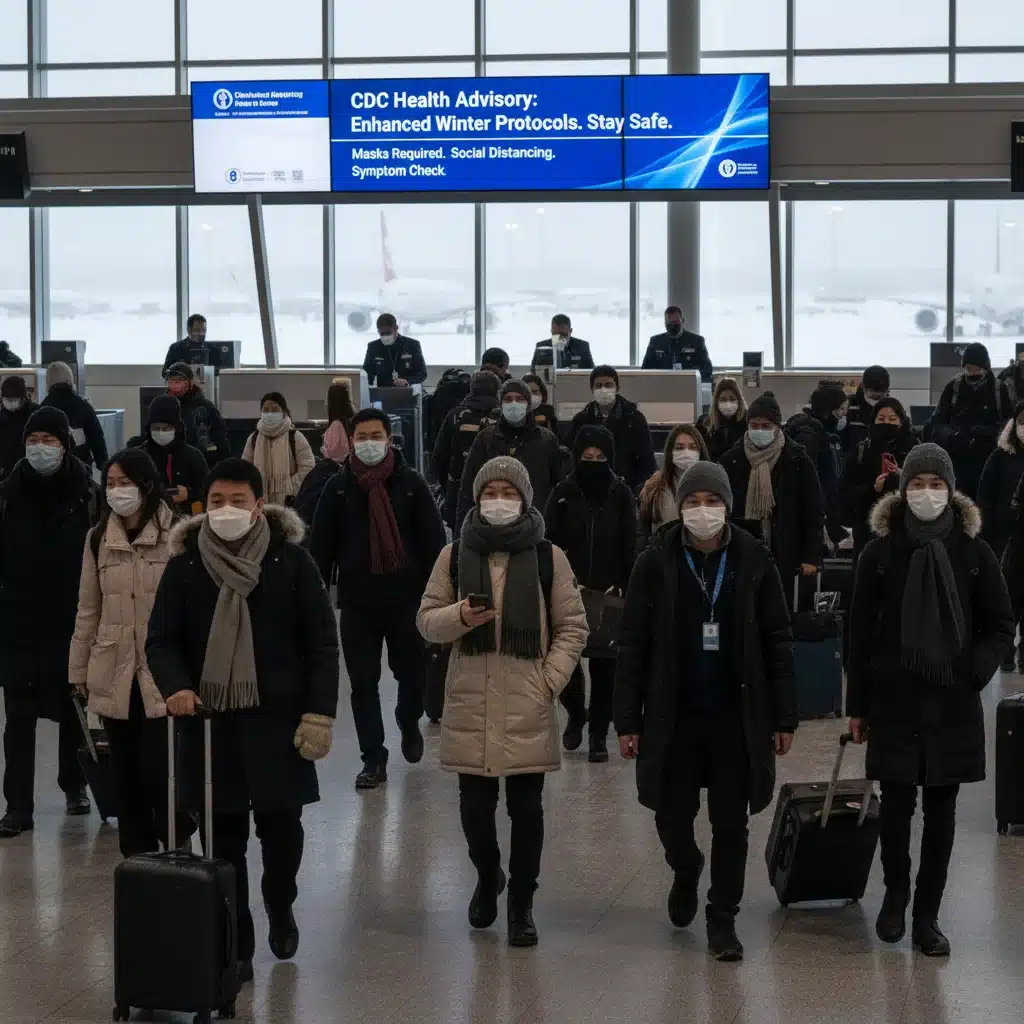
Urgent Update: CDC Issues New Health Guidelines for Winter 2026, Affecting Travel for 150 Million Americans
As winter 2026 approaches, the Centers for Disease Control and Prevention (CDC) has unveiled a comprehensive set of new health guidelines designed to mitigate the spread of seasonal illnesses and emerging health threats. These updates are particularly significant, as they are projected to impact the travel plans and daily lives of an estimated 150 million Americans. Understanding these crucial winter 2026 guidelines is paramount for ensuring public safety and maintaining personal well-being during the colder months. This article delves deep into the specifics of these guidelines, their implications for travel, and practical steps individuals can take to prepare.
Understanding the New Winter 2026 Guidelines: What’s Changed?
The CDC’s latest recommendations for winter 2026 guidelines represent an evolution of public health strategies, incorporating lessons learned from previous seasons and anticipating new challenges. These guidelines are not merely a reiteration of past advice; they include several key adjustments aimed at providing more targeted and effective protection. The primary focus areas include updated vaccination protocols, revised testing recommendations, enhanced hygiene practices, and specific considerations for indoor gatherings and travel.
One of the most notable changes within the winter 2026 guidelines pertains to vaccination. While annual flu shots remain a cornerstone of winter health, the CDC has introduced recommendations for a new multi-valent vaccine designed to offer broader protection against several prevalent respiratory viruses. This vaccine is expected to be widely available by early winter and is strongly encouraged for all eligible individuals, particularly those in high-risk categories. Furthermore, booster recommendations for existing vaccines have been refined, with a focus on ensuring optimal immunity as new variants of concern emerge.
Testing protocols have also seen an overhaul. The emphasis has shifted towards rapid antigen tests for initial screening, particularly before travel or attending large gatherings. PCR tests are still recommended for confirmatory diagnoses or for individuals presenting with severe symptoms. The CDC is also promoting increased accessibility to at-home testing kits, making it easier for individuals to monitor their health proactively and make informed decisions.
Hygiene practices, while consistently important, have been reinforced with specific guidance on ventilation in indoor spaces. The winter 2026 guidelines stress the importance of improving air quality through filtration systems, opening windows when feasible, and using air purifiers. This move acknowledges the significant role of airborne transmission in the spread of many winter illnesses.
Impact on Travel: What 150 Million Americans Need to Know
The most significant ramification of the new winter 2026 guidelines is undoubtedly their effect on travel. With an estimated 150 million Americans planning to travel during the winter season, these updates will necessitate careful planning and adherence to new regulations. The CDC’s focus is on minimizing the risk of interstate and international transmission of diseases, ensuring that travel remains as safe as possible for everyone involved.
Domestic Travel Considerations
For domestic travel within the United States, the winter 2026 guidelines introduce a tiered system of recommendations based on local transmission rates. Travelers are advised to check the CDC’s updated interactive map before departure, which will provide real-time information on community transmission levels in their origin and destination locations. Depending on these levels, recommendations may include pre-travel testing, mask-wearing in public transportation hubs, and post-arrival monitoring for symptoms. While nationwide mandates are generally avoided unless absolutely necessary, states and localities may implement their own requirements based on CDC guidance, making it crucial for travelers to stay informed about local regulations.
International Travel Requirements
International travel will see more stringent adherence to the winter 2026 guidelines. All individuals traveling internationally are strongly advised to be fully vaccinated according to the latest CDC recommendations. Pre-departure testing may be required for entry into the U.S. from certain high-risk regions, and some countries may impose their own testing or quarantine requirements upon arrival. The CDC also emphasizes the importance of having comprehensive travel insurance that covers medical emergencies and potential travel disruptions due to health-related issues. Travelers should regularly consult the State Department’s travel advisories in conjunction with CDC guidelines.
A key element of the international winter 2026 guidelines is the enhanced contact tracing protocols for inbound flights. Airlines will be required to collect more detailed passenger information to facilitate rapid contact tracing in the event of a reported illness on board. This measure aims to quickly identify and inform individuals who may have been exposed, thereby preventing wider outbreaks.
Preparing for Winter 2026: Essential Steps for Individuals and Families
Navigating the winter 2026 guidelines effectively requires proactive preparation. Individuals and families can take several concrete steps to ensure they are ready for the season and any potential travel plans. These preparations go beyond simply understanding the rules; they involve practical actions that safeguard health.
Vaccination and Boosters
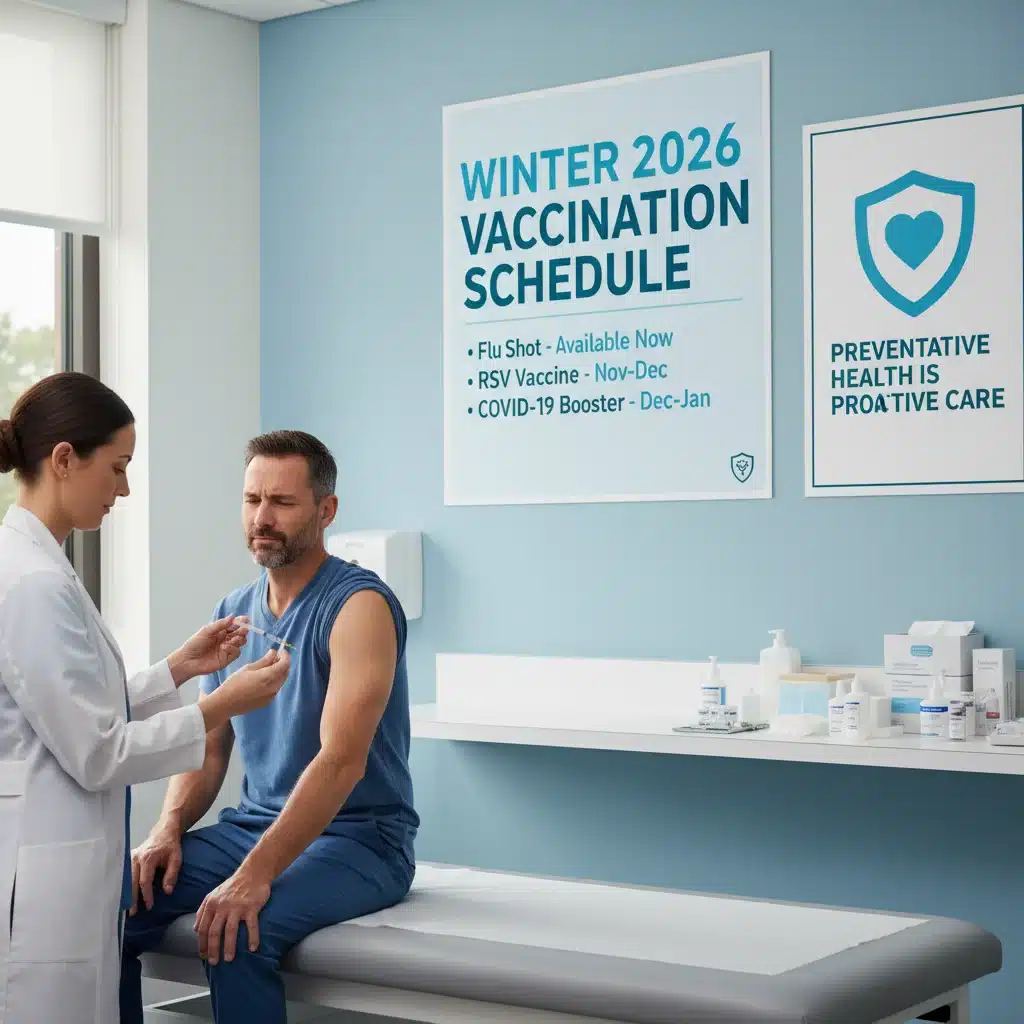
The first and most critical step is to ensure that all eligible family members are up-to-date on their vaccinations, including the new multi-valent vaccine and any recommended boosters. Schedule appointments well in advance, as demand is expected to be high. Keep a digital and physical record of vaccination status, as this may be required for travel or entry into certain venues.
Stocking Up on Essentials
For winter 2026 guidelines, it’s advisable to have a supply of essential health items at home. This includes over-the-counter medications for fever and pain, a thermometer, hand sanitizer (at least 60% alcohol), and a supply of high-quality masks (N95 or KN95 are recommended for better protection). Consider having a few rapid antigen test kits on hand for quick self-screening, especially if symptoms arise or before visiting vulnerable individuals.
Travel-Specific Preparations
If travel is planned, meticulous preparation is key. Research the specific winter 2026 guidelines for your destination, both domestic and international. This includes understanding entry requirements, local mask mandates, and any quarantine rules. Pack a travel-sized health kit with masks, hand sanitizer, disinfectant wipes, and any personal medications. Consider downloading health-related apps that provide real-time updates on local health situations or contact tracing capabilities.
For air travel, arrive at the airport with ample time to navigate potential new check-in procedures or health screenings. Be prepared for possible delays due to enhanced health measures. If driving, plan routes that allow for safe stops and consider packing food and water to minimize interactions at rest stops.
Public Health Initiatives and Community Support for Winter 2026 Guidelines
Beyond individual actions, the successful implementation of the winter 2026 guidelines relies heavily on robust public health initiatives and strong community support. The CDC is working in conjunction with state and local health departments to disseminate information, provide resources, and facilitate access to testing and vaccination.
Enhanced Surveillance and Data Sharing
A critical component of the winter 2026 guidelines is an enhanced surveillance system designed to track the spread of respiratory illnesses more effectively. This involves increased data sharing between healthcare providers, laboratories, and public health agencies. The goal is to identify potential outbreaks quickly and deploy resources where they are most needed. The public can contribute by reporting symptoms and testing results as advised by local health authorities.
Community Outreach and Education
Public health campaigns will be launched to educate communities about the new winter 2026 guidelines, emphasizing the importance of vaccination, testing, and hygiene. These campaigns will target diverse populations, ensuring that information is accessible and culturally appropriate. Community centers, schools, and workplaces are encouraged to play an active role in sharing these messages and providing support for adherence.
Support for Vulnerable Populations
The winter 2026 guidelines also include provisions for supporting vulnerable populations, such as the elderly, immunocompromised individuals, and those with underlying health conditions. This may involve dedicated vaccination clinics, home testing programs, and tailored advice on minimizing exposure risks. Healthcare providers will be equipped with updated protocols to manage these cases effectively.
Navigating Potential Challenges and Misinformation
As with any significant public health update, the introduction of the winter 2026 guidelines may come with its share of challenges, including potential misinformation and public resistance. It is crucial for individuals to seek information from credible sources and to approach new guidelines with an open mind and a commitment to collective well-being.
Combating Misinformation
The CDC and other health organizations will be actively working to combat misinformation surrounding the winter 2026 guidelines. Individuals are encouraged to rely on official sources such as the CDC website, local health department advisories, and reputable news organizations. Be wary of unverified information circulating on social media and consult with healthcare professionals for personalized advice.
Adapting to Change
Public health guidelines are dynamic and evolve based on scientific understanding and epidemiological data. The winter 2026 guidelines are a reflection of the most current knowledge. Adapting to these changes, even if they require adjustments to personal routines or travel plans, is essential for protecting not only oneself but also the broader community. Flexibility and patience will be key during this transition period.

Mental Health and Well-being
The ongoing need to adhere to health guidelines can sometimes take a toll on mental health. The winter 2026 guidelines acknowledge this by encouraging self-care, maintaining social connections safely, and seeking support if feeling overwhelmed. Public health campaigns will also address the mental health aspects of living under evolving health advisories, promoting resilience and coping strategies.
The Role of Technology in Adhering to Winter 2026 Guidelines
Technology will play an increasingly vital role in helping individuals and communities adhere to the winter 2026 guidelines. From digital health passports to advanced monitoring systems, technological innovations are being leveraged to streamline processes and enhance safety.
Digital Health Passports and Apps
Many travel providers and venues may adopt digital health passports or apps that allow individuals to securely store and display their vaccination status and recent test results. These tools can expedite entry processes and reduce the need for physical documentation. Travelers should research if their destination or chosen airline utilizes such systems and prepare accordingly.
Telemedicine and Remote Monitoring
Telemedicine services will continue to be a crucial resource, especially for individuals who develop symptoms or need medical advice while traveling. The winter 2026 guidelines encourage the use of virtual consultations to minimize exposure risks for both patients and healthcare providers. Remote monitoring devices and apps can also help individuals track their health metrics and alert them to potential issues.
Smart Ventilation Systems
In public spaces and workplaces, smart ventilation systems equipped with advanced filtration and air quality sensors will become more commonplace. These systems, aligned with the winter 2026 guidelines, can automatically adjust airflow and filtration levels to maintain optimal indoor air quality, reducing the risk of airborne transmission of pathogens. Individuals should be aware of and appreciate these technological improvements in their environment.
Looking Ahead: Long-Term Implications of the Winter 2026 Guidelines
The winter 2026 guidelines are not just a temporary measure for a single season; they represent a step towards a more resilient public health framework. The lessons learned and the systems put in place will likely have long-term implications for how society manages seasonal illnesses and future health crises.
Building Healthier Habits
Consistent adherence to hygiene practices, vaccination schedules, and informed decision-making regarding travel and gatherings will gradually become ingrained societal habits. The winter 2026 guidelines accelerate this process, fostering a culture of proactive health management that benefits everyone.
Strengthening Public Health Infrastructure
The emphasis on enhanced surveillance, data sharing, and community outreach under the winter 2026 guidelines will lead to a stronger and more responsive public health infrastructure. This improved capacity will be invaluable in addressing future health challenges, whether they are new pandemics or evolving seasonal threats.
Rethinking Travel and Public Spaces
Travel and the design of public spaces will continue to evolve with health and safety as paramount considerations. The innovations spurred by the winter 2026 guidelines, such as touchless technologies, improved ventilation, and flexible travel options, will likely become permanent features, making these environments safer and more adaptable.