Veterans Benefits 2026: Key Updates to Disability Compensation and Healthcare Access

Veterans Benefits 2026: Key Updates to Disability Compensation and Healthcare Access
As we look ahead to 2026, significant changes and enhancements are anticipated for Veterans Benefits 2026, particularly concerning disability compensation and healthcare access. For millions of veterans and their families, understanding these updates is not just beneficial but crucial for navigating the support systems available to them. The Department of Veterans Affairs (VA) continuously strives to improve the quality of life for those who have served our nation, and 2026 promises to bring forward several key adjustments aimed at better meeting the evolving needs of the veteran community. This comprehensive guide will delve into the projected changes, offering insights into what veterans can expect and how they can best prepare to maximize their entitlements.
The landscape of veterans’ support is dynamic, influenced by legislative actions, budgetary allocations, and the ongoing assessment of veteran needs. Staying informed about these developments is paramount. Our focus here is to provide a detailed overview of the expected modifications to Veterans Benefits 2026, ensuring that you, as a veteran or a family member, are well-equipped with the knowledge to access the benefits you rightfully deserve. From adjustments in disability ratings to expanded healthcare services and new mental health initiatives, 2026 is poised to be a year of important transitions for veteran support.
Understanding the Core Pillars of Veterans Benefits
Before diving into the specifics of 2026, it’s essential to briefly revisit the core pillars of Veterans Benefits 2026. These generally fall into several categories: disability compensation, healthcare services, education and training, home loan guarantees, life insurance, and burial benefits. Each of these pillars is designed to address different facets of a veteran’s life post-service, providing a safety net and opportunities for reintegration and thriving in civilian society. The VA’s mission is to care for those “who shall have borne the battle” and for their families, and these benefits are the tangible expression of that commitment.
Disability compensation, for instance, is a tax-free monetary benefit paid to veterans with disabilities that are a result of a disease or injury incurred or aggravated during active military service. Healthcare services, on the other hand, encompass a wide range of medical, dental, and mental health treatments provided through the VA healthcare system. Education benefits, like the GI Bill, help veterans pursue higher education or vocational training. While all these areas are subject to review and potential modification, our primary focus for Veterans Benefits 2026 will be on the most impactful changes in disability compensation and healthcare.
The Anticipated COLA for Disability Compensation in 2026
One of the most eagerly awaited announcements each year pertains to the Cost-of-Living Adjustment (COLA) for disability compensation. While the exact percentage for 2026 won’t be finalized until later, it’s a critical component of Veterans Benefits 2026, directly impacting the monthly payments received by disabled veterans. COLA adjustments are typically tied to the Social Security Administration’s (SSA) COLA, which is determined by the Consumer Price Index for Urban Wage Earners and Clerical Workers (CPI-W). This adjustment ensures that the purchasing power of veterans’ disability benefits keeps pace with inflation, preventing erosion of their financial stability.
Historically, COLA increases have been consistent, reflecting economic trends. Veterans should monitor official VA announcements and Social Security Administration updates in late 2025 for the definitive 2026 COLA percentage. This adjustment will apply to all veterans receiving VA disability compensation, ensuring that their financial support remains relevant in the face of rising living costs. Understanding how COLA is calculated and its historical trends can help veterans anticipate potential changes to their monthly benefits, which is a key aspect of managing Veterans Benefits 2026 effectively.
Key Updates to Disability Compensation in 2026
Beyond the annual COLA, 2026 may bring specific legislative or policy changes that directly affect how disability compensation is calculated, appealed, or even expanded. These changes are often the result of advocacy efforts by veteran service organizations, congressional initiatives, and ongoing research into service-connected conditions. For Veterans Benefits 2026, several areas are under active consideration or have been subjects of recent legislative discussions that could mature into policy by 2026.
Expansion of Presumptive Conditions
One of the most significant potential updates for Veterans Benefits 2026 involves the expansion of presumptive service-connected conditions. Presumptive conditions are illnesses or diseases that the VA presumes were caused by military service due to specific exposures during duty, such as Agent Orange exposure in Vietnam or burn pit exposure in the Middle East. If a veteran served in a qualifying location during a specific time frame and later develops a presumptive condition, they do not need to prove a direct link between their service and the condition, simplifying the claims process significantly.
Recent legislation, such as the PACT Act, has already added numerous conditions to the presumptive list. For 2026, there is ongoing discussion and research into other potential exposures and their long-term health effects. Veterans who served in specific areas or engaged in certain duties should stay informed about any new conditions added to this list, as it could open doors for disability compensation that were previously unavailable. This expansion is a critical element of enhancing Veterans Benefits 2026, ensuring more veterans receive the recognition and support they deserve for service-related health issues.
Streamlining the Claims and Appeals Process
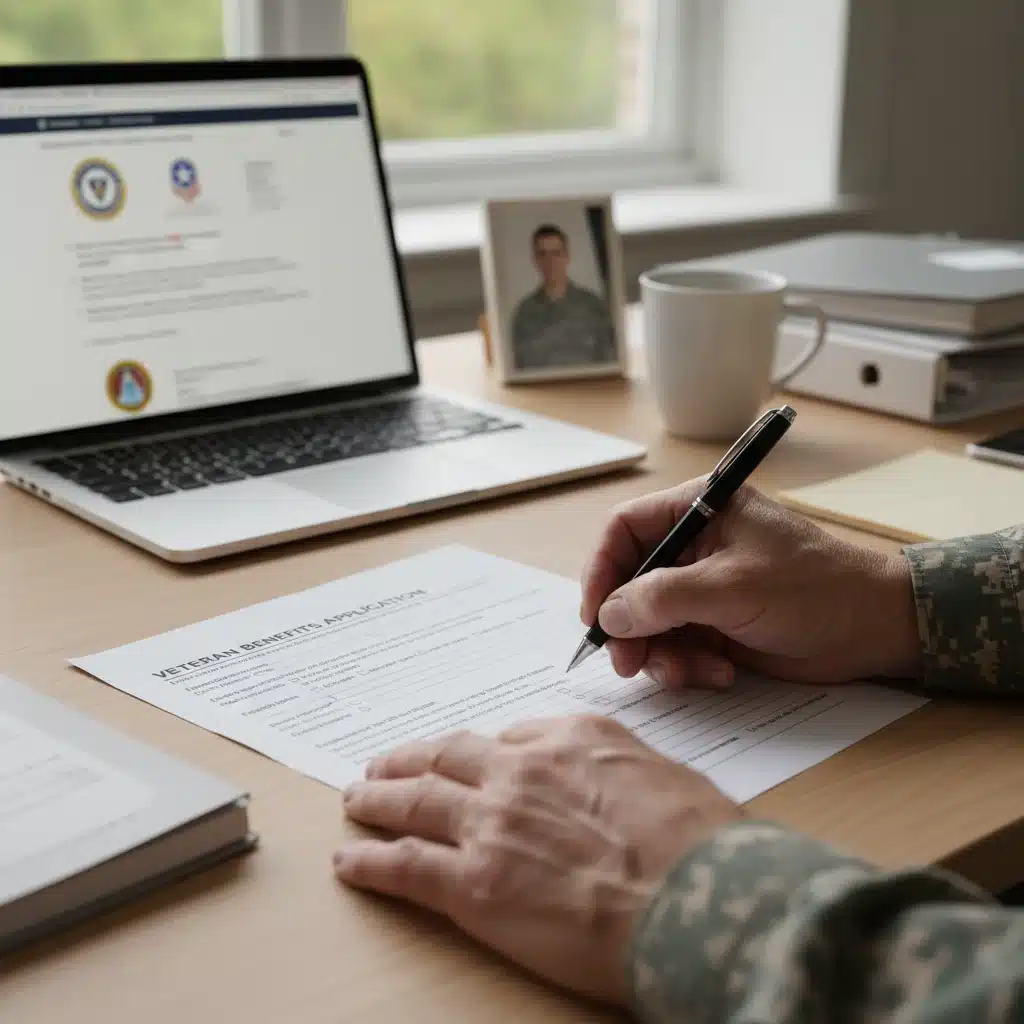
The VA has been continuously working to streamline its claims and appeals process, aiming to reduce wait times and improve efficiency. While significant progress has been made, further enhancements are always on the horizon. For Veterans Benefits 2026, we might see new technological integrations, increased staffing, or revised procedural guidelines designed to make the journey from application to decision smoother and faster for veterans. This could include further digital submission options, more intuitive online portals, and enhanced communication tools between veterans and their claims processors.
Veterans are encouraged to utilize accredited veteran service officers (VSOs) who can provide invaluable assistance throughout the claims and appeals process. These professionals are well-versed in VA regulations and can help gather necessary documentation, submit claims correctly, and represent veterans during appeals. Any improvements to the process under Veterans Benefits 2026 will likely be amplified by working with a knowledgeable VSO, ensuring veterans receive accurate and timely decisions on their disability claims.
Enhancements in Healthcare Access and Services for 2026
Healthcare is another cornerstone of Veterans Benefits 2026, with continuous efforts to expand access, improve quality, and address specific health challenges faced by veterans. The VA healthcare system is one of the largest integrated healthcare systems in the country, and its evolution in 2026 will focus on several key areas, including mental health, rural access, and specialized treatments.
Mental Health and Suicide Prevention Initiatives
Recognizing the profound impact of mental health conditions on the veteran community, the VA continues to prioritize and expand its mental health services. For Veterans Benefits 2026, expect to see further investment in mental health programs, including increased access to psychotherapy, medication management, peer support groups, and crisis intervention services. There’s a strong emphasis on suicide prevention, with ongoing campaigns and enhanced resources aimed at reducing veteran suicide rates. This includes expanding telehealth options for mental health, making it easier for veterans in remote areas or those with mobility issues to access care.
New partnerships with community-based organizations and non-profits may also emerge, creating a more comprehensive network of support for veterans experiencing mental health crises. The integration of mental health services with primary care is another area of focus, aiming to provide holistic care that addresses both physical and psychological well-being. Veterans are urged to utilize these services, as early intervention and consistent support are vital for managing mental health conditions effectively under the umbrella of Veterans Benefits 2026.
Expanding Access to Care in Rural and Underserved Areas
Geographic barriers can significantly hinder a veteran’s access to quality healthcare. For Veterans Benefits 2026, the VA is expected to continue its efforts to bridge this gap, particularly for veterans residing in rural and underserved areas. This includes expanding the reach of community care programs, which allow veterans to receive care from non-VA providers closer to their homes when VA facilities are not readily available or cannot provide the necessary services in a timely manner. The criteria for eligibility for community care may be further refined or expanded, making it easier for more veterans to access this option.
Telehealth services will also play an increasingly critical role. The expansion of virtual appointments, remote monitoring, and digital health tools ensures that veterans can consult with specialists, manage chronic conditions, and receive necessary medical advice without extensive travel. Investments in broadband infrastructure in rural areas, coupled with VA-provided equipment, could further enhance these capabilities. These initiatives are central to ensuring equitable access to healthcare for all veterans, regardless of their location, under the framework of Veterans Benefits 2026.

Specialized Treatments and Innovative Therapies
The field of medicine is constantly evolving, and the VA is committed to incorporating the latest advancements into veteran care. For Veterans Benefits 2026, veterans can anticipate continued access to specialized treatments and innovative therapies, particularly in areas like prosthetics, traumatic brain injury (TBI) rehabilitation, and pain management. Research into conditions prevalent among veterans, such as PTSD, chronic pain, and cancers linked to service exposures, will likely yield new treatment protocols and improved outcomes.
The VA’s commitment to precision medicine, which tailors medical treatment to the individual characteristics of each patient, is also expected to grow. This could lead to more personalized treatment plans, especially for complex or chronic conditions. Veterans should discuss these advanced options with their VA healthcare providers to understand how they might benefit from the cutting-edge medical care available through Veterans Benefits 2026.
Other Notable Changes and Programs for 2026
While disability compensation and healthcare are often at the forefront, Veterans Benefits 2026 encompass a broader range of support services. Several other areas are likely to see adjustments or new program implementations designed to further assist veterans and their families.
Education and Employment Initiatives
The VA’s commitment to helping veterans transition to civilian careers and pursue higher education remains strong. For 2026, we might see refined education benefits, perhaps with updated eligibility criteria or expanded program options under the GI Bill. Furthermore, employment initiatives, including job training programs, career counseling, and partnerships with employers committed to hiring veterans, are expected to continue and potentially expand. The focus will be on ensuring veterans have the skills and opportunities to secure meaningful employment, contributing to their financial stability and overall well-being. These programs are integral to the holistic support offered by Veterans Benefits 2026.
Support for Homeless Veterans
Efforts to end veteran homelessness are ongoing, and for Veterans Benefits 2026, new or enhanced programs aimed at providing housing assistance, supportive services, and rapid re-housing initiatives are anticipated. The VA works closely with federal, state, and local partners, as well as non-profit organizations, to provide comprehensive support to homeless veterans. This includes access to healthcare, mental health services, and substance abuse treatment, all critical components of helping veterans regain stability and independence. Any new funding or strategic partnerships in 2026 will further bolster these vital programs.
Caregiver Support Programs
The unsung heroes of many veterans’ lives are their caregivers. The VA’s caregiver support programs provide essential resources, training, and financial assistance to family members who care for seriously injured or ill veterans. For Veterans Benefits 2026, there may be expansions or refinements to these programs, potentially including increased stipends, broader eligibility, or additional support services. These programs acknowledge the immense contribution of caregivers and aim to alleviate some of the burdens they face, ensuring that veterans receive the best possible care within their own homes.
How to Stay Informed and Prepare for 2026
Given the dynamic nature of Veterans Benefits 2026, staying informed is critical. The VA typically communicates changes through various channels, and veterans are encouraged to proactively seek out this information.
Official VA Resources
The most reliable source of information is the official VA website (VA.gov). This portal provides up-to-date news, policy changes, and detailed explanations of all available benefits. Veterans should regularly check the site for announcements, especially concerning COLA adjustments, new presumptive conditions, and healthcare policy updates. Subscribing to VA newsletters or alerts can also ensure that important information is delivered directly to your inbox.
Veteran Service Organizations (VSOs)
Accredited VSOs such as the American Legion, Veterans of Foreign Wars (VFW), Disabled American Veterans (DAV), and many others, play a crucial role in disseminating information and assisting veterans. These organizations often have direct lines of communication with the VA and are excellent resources for understanding complex benefit changes. They can also help veterans navigate the application process for new or existing benefits under Veterans Benefits 2026.
Consulting with Experts
For personalized advice, veterans should consider consulting with a VA-accredited claims agent or attorney. These professionals specialize in veterans’ law and can provide tailored guidance based on individual circumstances. They can offer insights into how specific changes in Veterans Benefits 2026 might impact a veteran’s unique situation and assist with complex claims or appeals.
Reviewing Your Current Benefits
It’s always a good practice to periodically review your current benefits and ensure all your information with the VA is up to date. This includes your contact details, dependency information, and any changes in your health status. Being proactive allows for a smoother transition should new benefits become available or existing ones be modified in 2026.
Conclusion: Navigating the Future of Veterans Benefits
The year 2026 holds promise for significant advancements in the support and care provided to our nation’s veterans. From anticipated COLA increases for disability compensation to expanded healthcare access and new initiatives targeting specific veteran needs, Veterans Benefits 2026 are designed to offer more comprehensive and responsive assistance. Staying informed, utilizing available resources, and proactively engaging with the VA and VSOs will be key for veterans to fully leverage these evolving benefits.
The commitment to those who have served is unwavering, and the continuous evolution of veterans’ benefits reflects a national dedication to honoring their sacrifices. By understanding the key updates to disability compensation and healthcare access, veterans and their families can confidently navigate the support systems available to them, ensuring they receive the care and recognition they so richly deserve in 2026 and beyond.