Unlock $1,200 Federal Energy Credits for Your Home in 2025
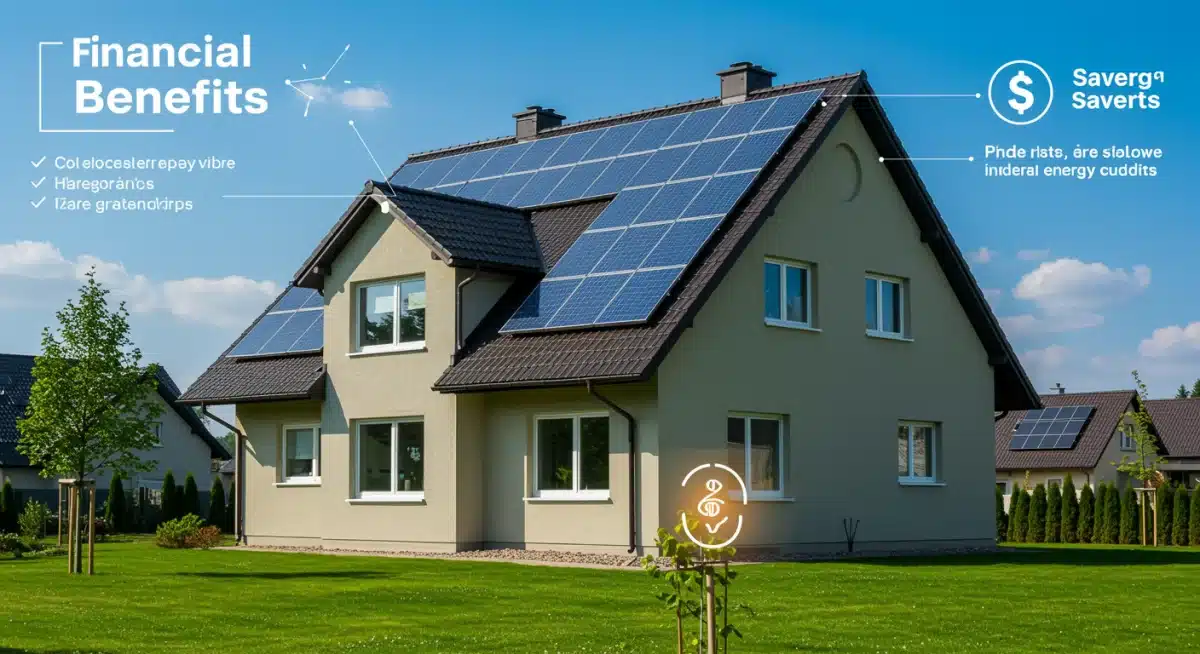
Homeowners in the US can unlock significant savings through federal energy credits in 2025, potentially claiming up to $1,200 for eligible energy-efficient home improvements, encouraging sustainable living and reducing utility costs.
Are you looking to make your home more energy-efficient while also saving money? In 2025, homeowners in the United States have an incredible opportunity to leverage federal energy credits, potentially unlocking up to $1,200 in savings. These credits are designed to incentivize eco-friendly home improvements, helping you reduce your carbon footprint and your utility bills simultaneously. Understanding how to access these benefits can make a significant difference in your financial planning and home’s value.
Understanding Federal Energy Credits for Homeowners
Federal energy credits are a series of tax incentives provided by the U.S. government to encourage homeowners to invest in energy-efficient improvements. These credits are not merely deductions; they directly reduce the amount of income tax you owe, dollar for dollar. The goal is to promote sustainability, decrease reliance on fossil fuels, and ultimately lower energy consumption across the nation. For 2025, the landscape of these credits offers substantial benefits, making it an opportune time to consider upgrades.
Many homeowners are unaware of the full scope of these programs, often leaving valuable money on the table. The credits cover a wide array of improvements, from minor adjustments to major overhauls, all aimed at improving your home’s energy performance. Knowing which improvements qualify and how to properly claim these credits is the first step towards maximizing your savings and contributing to a greener future.
What are Federal Energy Credits?
Federal energy credits are non-refundable tax credits that reduce your federal income tax liability. Unlike tax deductions, which lower your taxable income, credits directly subtract from the tax you owe. This distinction is crucial because a $1,200 credit means $1,200 less in taxes, a direct financial benefit that can significantly offset the cost of energy-efficient improvements.
- Direct Tax Reduction: Credits reduce your tax bill directly.
- Incentive for Efficiency: Encourages investments in sustainable home technologies.
- Wide Eligibility: Covers various home improvements.
These credits are part of broader governmental efforts to combat climate change and promote energy independence. By making your home more energy-efficient, you’re not only saving money but also playing a part in national environmental initiatives. It’s a win-win situation for both your wallet and the planet.
Understanding the specific criteria for each credit is essential. While the maximum annual credit is $1,200, individual improvements might have their own caps. For instance, upgrades like new windows, insulation, or efficient heating and cooling systems are often eligible, each contributing to the overall cap. It’s important to keep detailed records of all expenditures and ensure that the products and installations meet the required efficiency standards.
Eligible Home Improvements for 2025 Credits
The range of home improvements that qualify for federal energy credits in 2025 is quite extensive, covering various aspects of your home’s energy consumption. This broad eligibility ensures that many homeowners can find projects that fit their needs and budget, all while benefiting from significant tax savings. From enhancing your home’s thermal envelope to upgrading its heating and cooling systems, there are numerous ways to qualify.
It’s not just about major renovations; even smaller, strategic improvements can add up. The key is to identify which upgrades will have the most impact on your home’s energy use and then confirm their eligibility under the current tax code. This strategic approach helps you maximize both your energy savings and your tax credit claims.
Key Categories of Eligible Upgrades
The primary categories for eligible home improvements typically include improvements to your home’s envelope, such as insulation and windows, and upgrades to major energy-consuming systems like HVAC and water heaters. These improvements are critical for reducing energy waste and improving overall home comfort.
- Insulation and Air Sealing: Enhancing your home’s thermal barrier prevents heat loss in winter and heat gain in summer, significantly reducing heating and cooling costs.
- Energy-Efficient Windows and Doors: Replacing old, drafty windows and doors with ENERGY STAR® certified models can dramatically improve your home’s energy performance.
- High-Efficiency HVAC Systems: Upgrading to a new, highly efficient furnace, boiler, central air conditioner, or heat pump can lead to substantial energy savings.
- Water Heaters: Installing energy-efficient water heaters, particularly heat pump water heaters, can drastically cut down on energy used for hot water.
Each of these categories plays a vital role in creating a more energy-efficient home. For example, proper insulation isn’t just about comfort; it’s about preventing conditioned air from escaping, which directly impacts the workload of your HVAC system. Similarly, modern windows and doors are designed with advanced materials and construction techniques to minimize heat transfer.
Beyond these primary categories, some credits might also apply to smaller, yet impactful, upgrades. Always consult the official IRS guidelines or a tax professional to confirm the eligibility of specific products and installations. Documentation, such as receipts and manufacturer certifications, will be crucial when claiming these credits.
Maximizing Your $1,200 Federal Energy Credits
To truly unlock the full potential of the $1,200 federal energy credits in 2025, a strategic approach is necessary. It’s not enough to simply make an eligible improvement; understanding the nuances of the program and planning your projects carefully can ensure you claim every dollar you’re entitled to. This involves careful budgeting, timing, and thorough documentation.
Many homeowners make the mistake of undertaking improvements without fully understanding the credit limitations or the specific requirements. By taking a proactive and informed stance, you can avoid common pitfalls and ensure your investments yield the maximum possible tax benefit. This also means staying updated on any changes to the tax code or program guidelines.
Strategic Planning for Credit Claims
Maximizing your credits often involves breaking down larger projects or planning multiple smaller ones over the course of a year or even several years. Since there’s often an annual cap, spreading out significant investments can allow you to claim the maximum credit each year.
- Annual vs. Lifetime Caps: Be aware of both annual credit limits (like the $1,200 general cap) and any specific lifetime limits for certain improvements.
- Phased Approach: Consider tackling different energy efficiency projects in separate tax years to claim the maximum annual credit each time.
- Bundling Improvements: Sometimes, combining multiple smaller improvements within the same tax year can help you reach the $1,200 annual limit more efficiently.
For example, if you’re planning to replace all your windows and upgrade your HVAC system, it might be beneficial to do the windows in one year and the HVAC in another, especially if the cost of both projects would exceed the annual credit cap. This way, you can potentially claim the maximum $1,200 in both years, rather than being limited to a single $1,200 credit in one year.
Another crucial aspect is to ensure that the products you purchase meet the required efficiency standards. Look for certifications like ENERGY STAR® and retain all product labels and manufacturer’s certifications. These documents will be vital if the IRS ever requests proof of your claims. Always keep detailed records of all expenses, including installation costs, as these are often part of the eligible expenses.
When considering your upgrades, think about the long-term energy savings as well. An improvement that costs a bit more upfront but saves significantly on utility bills over its lifetime, combined with a federal tax credit, often provides the best return on investment. Prioritizing improvements with the highest energy-saving potential can lead to a more comfortable home and substantial financial benefits.
The Impact of the Inflation Reduction Act (IRA)
The Inflation Reduction Act (IRA) of 2022 significantly expanded and extended many of the federal energy credits available to homeowners, including those for energy-efficient home improvements. This legislation marked a substantial commitment by the government to accelerate the transition to a clean energy economy, making 2025 an even more attractive year for homeowners to invest in efficiency upgrades.
Before the IRA, many credits were smaller or had expired. The Act not only boosted the credit amounts but also clarified and broadened the scope of eligible projects, providing a clearer path for homeowners to receive financial assistance. Understanding the IRA’s provisions is key to fully leveraging these expanded benefits.
How the IRA Enhanced Energy Credits
The IRA made several key changes that directly impact the federal energy credits for homeowners. These changes include increased credit amounts, longer availability, and a clearer structure for claiming the benefits. The goal was to make these credits more accessible and impactful for everyday Americans.
- Increased Credit Amounts: Many credits saw an increase in the percentage or dollar amount homeowners could claim.
- Extended Availability: Credits were extended for several years, providing long-term predictability for homeowners planning upgrades.
- Simplified Categories: The IRA aimed to streamline the categories of eligible improvements, making it easier for homeowners to understand what qualifies.
One of the most significant changes was the establishment of an annual credit cap of $1,200 for certain home energy efficiency improvements, replacing previous, often lower, limits. This annual cap allows homeowners to plan multiple improvements over several years and claim the maximum credit each year, rather than being limited by a single lifetime cap for all improvements.
Additionally, the IRA introduced or enhanced credits for specific technologies, such as heat pumps, which are highly efficient for both heating and cooling. It also focused on making these technologies more affordable for low- and moderate-income households through additional rebate programs. While these rebates are distinct from tax credits, they complement each other in making energy-efficient upgrades more attainable.
The Act also emphasized the importance of domestic manufacturing, with some credits offering higher incentives for products made in the U.S. This aspect not only supports American jobs but also ensures a reliable supply chain for critical energy technologies. Homeowners should always verify the specific requirements and credit amounts for their intended improvements, as these can vary based on the type of upgrade and the year of installation.
Navigating the Application and Documentation Process
Claiming your federal energy credits for home improvements in 2025 requires careful attention to detail regarding application and documentation. While the benefits are substantial, the process is tax-related and adherence to IRS guidelines is paramount. Proper record-keeping from the outset can save you significant time and potential headaches down the line.
Many homeowners overlook the importance of meticulous documentation, only to find themselves scrambling when tax season arrives. A proactive approach to gathering and organizing information will ensure a smooth claiming process and help you avoid any discrepancies with your tax return.
Essential Documentation for Your Claim
To successfully claim federal energy credits, you’ll need to provide specific documentation to support your eligible expenses. This typically includes proof of purchase, installation details, and product certifications. The IRS may not require you to submit these documents with your tax return, but you must keep them readily available in case of an audit.
- Receipts and Invoices: Keep original receipts and invoices for all eligible materials and installation costs. These should clearly detail the product, cost, and date of purchase/installation.
- Manufacturer’s Certification Statement: For many energy-efficient products, manufacturers provide a certification statement indicating that the product meets the necessary energy efficiency standards. This is crucial for verifying eligibility.
- Contractor Information: If you hired a contractor for the installation, retain their contact information and any contracts or work orders.
- IRS Form 5695: This is the primary form used to claim the residential energy credits. You will need to complete this form and attach it to your federal income tax return.
It’s advisable to create a dedicated folder, either physical or digital, for all your energy credit-related documents. This centralized location will make it easy to access everything you need when preparing your taxes. Make sure to clearly label each document and note which specific credit it pertains to.
When filling out IRS Form 5695, carefully follow the instructions provided by the IRS. The form guides you through calculating your credit amount based on your eligible expenses and the specific caps for each type of improvement. If you’re unsure about any aspect of the process, consulting with a qualified tax professional is highly recommended. They can help ensure you’re claiming all eligible credits and accurately completing your tax return, maximizing your savings while remaining compliant with tax laws.
Long-Term Benefits Beyond Tax Savings
While the immediate financial incentive of up to $1,200 in federal energy credits is a powerful motivator, the benefits of investing in energy-efficient home improvements extend far beyond just tax savings. These upgrades contribute to a more sustainable lifestyle, enhance your home’s value, and provide ongoing financial relief through reduced utility bills. It’s an investment that pays dividends in multiple ways over the long haul.
Many homeowners focus solely on the upfront costs and the tax credit, overlooking the cumulative advantages that accrue year after year. Understanding these broader benefits can reinforce the decision to make your home more energy-efficient and demonstrate the true value of these investments.
Enhanced Home Value and Comfort
An energy-efficient home is a more comfortable home, and increasingly, a more valuable one. Buyers are often willing to pay a premium for homes that already have modern, efficient systems, as this translates to lower operating costs and a reduced environmental footprint for them.
- Increased Property Value: Energy-efficient features are a significant selling point, often leading to a higher resale value for your home.
- Reduced Utility Bills: This is perhaps the most direct and consistent long-term benefit, with monthly savings adding up significantly over time.
- Improved Indoor Comfort: Better insulation, windows, and HVAC systems lead to more consistent temperatures throughout your home, eliminating drafts and hot spots.
- Environmental Impact: By reducing your home’s energy consumption, you’re contributing to a healthier planet by lowering greenhouse gas emissions.
The reduction in utility bills is a continuous benefit that starts immediately after your improvements are completed. Over the lifespan of your new energy-efficient appliances or insulation, these savings can easily surpass the initial investment, even without considering the tax credit. This creates a positive cash flow that frees up money for other household needs or investments.
Furthermore, the enhanced comfort level in your home cannot be overstated. No more dealing with extreme temperature fluctuations or noisy, inefficient heating and cooling systems. A well-insulated home with modern windows and a high-efficiency HVAC system provides a consistent and pleasant indoor environment, regardless of the weather outside. This improvement in quality of life is a significant, albeit often intangible, benefit of energy-efficient upgrades.
Future Outlook for Energy Credits and Home Efficiency
The landscape of federal energy credits and home efficiency initiatives is dynamic, with ongoing legislative efforts and technological advancements continually shaping what’s available to homeowners. Looking ahead to 2025 and beyond, it’s clear that the emphasis on sustainable living and energy independence will only grow, potentially leading to new opportunities and expanded programs.
Staying informed about these developments is crucial for homeowners who wish to continue making smart, energy-conscious investments. The long-term trajectory suggests that energy efficiency will remain a key component of national policy, offering sustained benefits for those who embrace it.
Anticipated Trends and Potential Changes
While the current framework for 2025 is largely set by the Inflation Reduction Act, future years could bring further refinements or new programs. Several trends suggest potential directions for these initiatives.
- Continued Focus on Electrification: Expect ongoing support for technologies like heat pumps and electric vehicle charging infrastructure.
- Increased State and Local Incentives: Federal credits often complement state and local programs, which may also expand and offer additional savings.
- Emphasis on Grid Modernization: Credits might emerge for technologies that support a more resilient and efficient electrical grid, such as smart home energy management systems.
- Performance-Based Incentives: There could be a shift towards incentives that are tied to actual energy performance improvements rather than just product installations.
Technological innovation is also a major driver. As new energy-efficient materials and systems become available, the list of eligible improvements for federal credits may evolve to include these cutting-edge solutions. For instance, advanced smart home technologies that optimize energy usage could become more prominent in future credit programs.
Another area to watch is the potential for increased education and outreach programs. As the government continues to promote energy efficiency, there may be more resources available to help homeowners understand their options, navigate the application process, and connect with qualified contractors. Staying engaged with official government resources, energy-focused non-profits, and reputable news sources will be key to capitalizing on these evolving opportunities.
Common Misconceptions About Energy Credits
Despite the clear benefits, many homeowners harbor misconceptions about federal energy credits, which can prevent them from taking advantage of these valuable savings. These misunderstandings often relate to eligibility, the claiming process, or the perceived complexity of the requirements. Addressing these common myths is essential to empower more individuals to pursue energy-efficient home upgrades.
Clearing up these misconceptions can demystify the process and highlight just how accessible these federal benefits truly are. By separating fact from fiction, homeowners can approach their energy-saving projects with greater confidence and a clearer understanding of the financial rewards.
Debunking Popular Myths
Several common beliefs about federal energy credits are often inaccurate and can deter homeowners. Let’s look at some of the most prevalent ones.
- Myth 1: Only major, expensive renovations qualify. While major projects like HVAC replacements are eligible, many smaller, more affordable improvements such as insulation upgrades, energy-efficient windows, and even certain water heaters also qualify. The key is to check the specific efficiency standards.
- Myth 2: The process is too complicated. While it requires attention to detail and proper documentation, the process of claiming credits on Form 5695 is straightforward. With good record-keeping and potentially a tax professional’s guidance, it’s manageable for most homeowners.
- Myth 3: The credits are only for new construction. Federal energy credits are primarily designed for existing homes, encouraging current homeowners to improve their property’s energy efficiency.
- Myth 4: You need to be a low-income earner to qualify. These tax credits are generally available to all qualifying homeowners, regardless of income level, though some specific programs might have income thresholds.
Another common misconception is that the credit is a rebate received immediately at the point of sale. It’s crucial to remember that these are tax credits, meaning they reduce your tax liability when you file your federal income tax return. You’ll pay for the improvements upfront and then claim the credit when you do your taxes for the year in which the improvements were placed in service.
By understanding that these credits are accessible, cover a wide range of improvements, and involve a manageable claiming process, homeowners can overcome initial hesitations. The potential for up to $1,200 in savings, combined with long-term utility bill reductions and increased home value, makes these federal energy credits a truly compelling opportunity for 2025.
| Key Aspect | Brief Description |
|---|---|
| Maximum Benefit | Up to $1,200 in annual federal tax credits for eligible home energy improvements. |
| Eligible Upgrades | Includes insulation, windows, doors, HVAC systems, and water heaters meeting efficiency standards. |
| Claiming Process | File IRS Form 5695 with your federal income tax return, keeping detailed receipts and certifications. |
| Long-Term Impact | Reduced utility bills, increased home value, enhanced comfort, and positive environmental contribution. |
Frequently Asked Questions About Federal Energy Credits
Federal energy credits are tax incentives provided by the U.S. government to homeowners who make eligible energy-efficient improvements to their primary residences. These credits directly reduce the amount of federal income tax you owe, dollar for dollar, up to a specified annual limit.
In 2025, homeowners can potentially save up to $1,200 annually through federal energy credits for various energy-efficient home improvements. Specific improvements may have individual caps, but the total annual non-business energy property credit is generally capped at $1,200.
Eligible improvements include insulation, energy-efficient exterior windows and doors, central air conditioners, furnaces, boilers, heat pumps, and water heaters, provided they meet specific energy efficiency standards. Always check the latest IRS guidelines for detailed eligibility requirements.
Yes, meticulous record-keeping is essential. You should retain all receipts, invoices, and manufacturer’s certification statements for eligible products and installation costs. While you might not submit them with your tax return, these documents are crucial if the IRS requests verification.
Yes, the $1,200 non-business energy property credit is an annual credit, meaning you can claim it each year for eligible improvements made in that tax year. This allows for strategic planning of multiple projects over several years to maximize your total savings.
Conclusion
The opportunity to unlock up to $1,200 in federal energy credits for your home in 2025 represents a significant financial incentive for homeowners across the United States. Beyond the immediate tax savings, investing in energy-efficient home improvements offers a cascade of long-term benefits, including reduced utility bills, enhanced home comfort, increased property value, and a positive environmental impact. By understanding the eligible upgrades, carefully planning your projects, and maintaining thorough documentation, you can navigate the process effectively and fully capitalize on these valuable federal programs. Embrace this chance to make your home more sustainable and fiscally sound for years to come.