Supreme Court cases on labor rights that shaped history
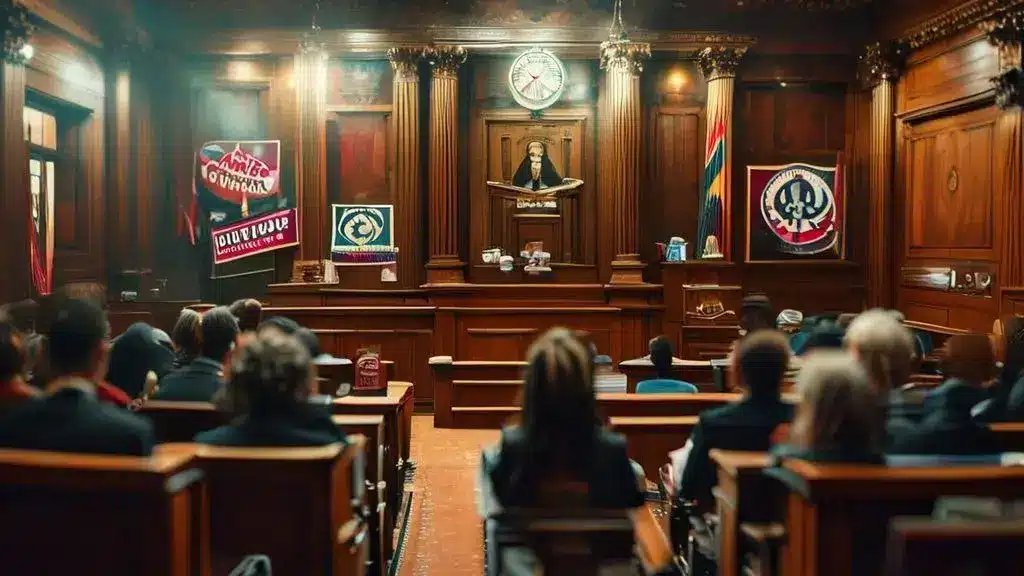
Supreme Court cases on labor rights significantly shape employee protections and workplace conditions, influencing both current legal standards and future labor rights trends.
Supreme Court cases on labor rights have significantly influenced the landscape of workers’ protections in the United States. Have you ever wondered how legal decisions have shaped your rights as an employee? Let’s delve into the landmark rulings that continue to resonate to this day.
Key Supreme Court cases on labor rights
The Supreme Court plays a vital role in shaping labor rights in the United States. Some landmark cases have set essential precedents that protect workers and their rights. These rulings have a lasting impact on employees today.
Notable Cases Impacting Labor Rights
Several important cases have significantly influenced the legal landscape. Here are a few that stand out:
- National Labor Relations Board v. Jones & Laughlin Steel Corporation (1937): This case affirmed the right of workers to organize and strike.
- United States v. Darby Lumber Co. (1941): A pivotal case that upheld federal labor laws, including minimum wage regulations.
- American Federation of Labor v. American Sash and Door Co. (1947): This case reinforced the right of unions to engage in collective bargaining.
- California v. Bakke (1978): A case that explored the balance between affirmative action and equal rights in hiring, impacting labor rights indirectly.
These rulings highlight how crucial Supreme Court cases can be in defining and protecting employee rights. Over the years, they have established a framework for numerous labor protections that many workers benefit from today.
As these legal battles continue, new cases regularly emerge, prompting reevaluation of existing laws and policies. Workers’ rights need to adapt to modern challenges, and the Supreme Court remains a critical player in those developments.
Significantly, each ruling not only affects immediate labor outcomes but also influences broader societal views on workers’ rights. This interplay reflects the ongoing evolution of labor laws and emphasizes the importance of judicial interpretations.
Understanding these key cases provides context for why and how labor rights have transformed over the decades. It also serves as a reminder of the continual struggle for workers’ rights in a changing economy.
In exploring these cases, we see their relevance in today’s legal and social climate. The legacy of these rulings continues to pave the way for future advancements in labor rights.
The evolution of labor rights through court decisions

The evolution of labor rights has been greatly influenced by key court decisions over the years. Understanding how these rulings have shaped worker protections is essential for recognizing the rights employees hold today.
The Early Days of Labor Rights
In the early 20th century, labor movements began to gain traction. Workers fought for reasonable wages, shorter hours, and safe working conditions. Landmark cases from this era established the groundwork for modern labor laws. For instance, decisions regarding the legality of strikes were critical in legitimizing labor movements.
Key Rulings That Changed the Landscape
Several important court cases transformed labor rights significantly:
- Lochner v. New York (1905): This decision struck down a law limiting working hours, demonstrating the tension between labor laws and individual rights.
- West Coast Hotel Co. v. Parrish (1937): Upheld minimum wage laws, marking a shift in judicial support for labor rights.
- Griswold v. Connecticut (1965): Though primarily about privacy, it laid the groundwork for later rulings that affected workers’ rights in the workplace.
- Friedman v. California (1978): Addressed discrimination in hiring practices, reinforcing job protections for all workers.
These court decisions highlight the ongoing struggle for labor rights. As society progressed, so did the interpretations and applications of labor laws. Each ruling brought new protections and sometimes restrictions, reflecting the shifting priorities of society and the economy.
The late 20th century saw a surge in affirmative action programs and policies designed to protect marginalized workers. This period also witnessed significant backlash against certain labor rights, often fueled by economic downturns. As courts reviewed these issues, their decisions played pivotal roles in either protecting or undermining labor rights.
Additionally, modern issues such as gig work and labor in the tech sector present new challenges for the evolution of labor rights. Court decisions will continue to shape the legal landscape as these developments unfold. The balance between protecting workers and promoting business interests remains a point of contention. By exploring past rulings, we gain insight into the potential future of labor rights.
Impact of Supreme Court rulings on workers
The impact of Supreme Court rulings on workers is profound, shaping not only their rights but also the workplace environment across the nation. Important decisions have established significant precedents, influencing legislation and the way businesses operate.
Key Decisions Reshaping Workers’ Rights
Several Supreme Court cases have been instrumental in defining and protecting the rights of workers. These landmark decisions include:
- Brown v. Board of Education (1954): This ruling, while focused on education, set a precedent for overturning discriminatory practices, influencing labor laws that promote equality.
- Smith v. Jackson (2005): Addressed age discrimination, emphasizing the importance of protecting older workers from unfair treatment.
- Crawford v. Metropolitan Government (2009): This case reinforced protections against retaliation for employees who report discrimination.
- Friedrichs v. California Teachers Association (2016): This case challenged the funding of public unions and highlighted debates around labor protections and employees’ rights.
These rulings influence how companies align their practices with federal law. By interpreting these laws, the Supreme Court shifts the balance of power between employers and employees. When workers’ rights are affirmed, it often results in increased protections, such as fair wages, safe conditions, and the right to organize.
Additionally, the consequences of these decisions extend beyond individual cases. They shape legislative agendas and impact how new laws are crafted. For example, decisions supporting workers’ rights can lead to strengthened union activities and greater support for job security measures.
As society evolves, so do the issues at hand. Today, workers face new challenges, such as gig economy dynamics and remote work regulations. The Supreme Court continues to play a crucial role in addressing these modern dilemmas and determining how existing labor laws apply.
Understanding the impact of Supreme Court rulings helps workers advocate for their rights and navigate the complexities of employment laws. Awareness leads to empowerment, prompting both employees and employers to consider the implications of these judicial interpretations.
Future of labor rights in light of recent cases

The future of labor rights is a vital topic, especially in light of recent Supreme Court cases. These rulings have raised several questions about how rights will evolve in the workplace as society changes.
Trends Influencing Labor Rights
Understanding the trends shaping labor rights today is essential. Factors like technology, workforce diversity, and economic shifts play significant roles. For instance, as automation increases, some jobs may disappear while new ones emerge, demanding adaptations in labor laws. Here are key factors to consider:
- Gig Economy Growth: Workers participating in gig jobs often lack traditional benefits and protections. This raises concerns about how existing laws will adapt to protect these workers.
- Remote Work Policies: The shift to remote work has prompted discussions on employee rights regarding workplace conditions and work-life balance.
- Legislative Reforms: New laws aimed at protecting workers, including stronger anti-discrimination measures, are emerging to fit modern work environments.
- Globalization: As companies operate internationally, labor standards face scrutiny. Ensuring fair treatment for workers worldwide is an ongoing challenge.
As the dynamics of work continue to shift, the legal landscape will also evolve. Recent cases have often highlighted existing gaps in worker protections and prompted discussions among lawmakers, employers, and workers. These conversations are crucial for identifying the needs of today’s workforce.
Additionally, advocacy groups are becoming more vocal in calling for reforms. Their influence will likely sway future court decisions and legislative actions, pushing for more comprehensive protections for all workers. The public’s growing demand for corporate responsibility also impacts how businesses are expected to treat their employees.
The interplay of these factors indicates that the journey toward improved labor rights is ongoing. Workers are becoming more aware of their rights and the avenues available for advocacy in modern times. Understanding the implications of recent rulings is essential for navigating this evolving landscape. By considering these factors, stakeholders can better prepare for the challenges and opportunities ahead.
FAQ – Frequently Asked Questions about Labor Rights and Supreme Court Cases
What is the significance of Supreme Court rulings on labor rights?
Supreme Court rulings set important precedents that directly affect employee protections, workplace conditions, and the rights of workers.
How do recent court cases impact the gig economy?
Recent court cases highlight challenges faced by gig workers regarding protections and benefits, pushing for legal reforms to better support them.
What factors are influencing the future of labor rights?
The gig economy, technological advancements, and growing public awareness are key factors shaping the future of labor rights.
How can workers advocate for their rights?
Workers can advocate for their rights by staying informed, engaging in discussions, and participating in unions and advocacy groups for collective action.