New 2026 Legislation: Streamlining Social Security Benefits in the US
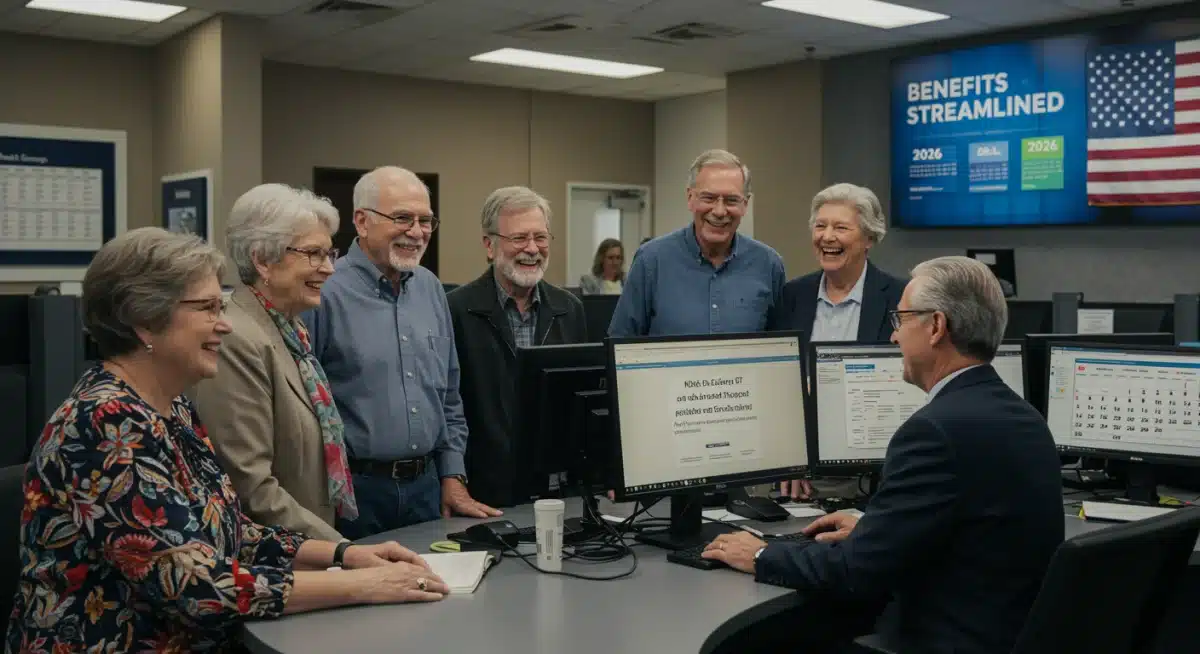
The new 2026 legislation in the US aims to significantly streamline access to Social Security benefits, specifically targeting a reduction in the waiting period by three months for eligible individuals.
Imagine a future where accessing your Social Security benefits is a smoother, faster process. The recently introduced New 2026 Legislation: US Government Introduces Bill to Streamline Access to Social Security Benefits by 3 Months promises just that, aiming to alleviate some of the common frustrations associated with current application procedures. This proactive step by the government could significantly impact millions of Americans, signaling a commitment to improving efficiency and support for its citizens.
Understanding the Need for Streamlining Benefits
The existing Social Security benefits system, while a cornerstone of American social welfare, has often been criticized for its bureaucratic complexities and lengthy processing times. Many applicants face significant delays, which can lead to financial hardship, especially for those relying on these funds for essential living expenses. The need for reform has been a recurring topic, with advocates pushing for a more responsive and accessible system.
The demographic shift towards an aging population further underscores the urgency of such reforms. As more Americans approach retirement age, the volume of Social Security applications is expected to rise, potentially straining an already overburdened system. Streamlining these processes is not merely about convenience; it’s about ensuring the timely delivery of critical financial support to those who have contributed to the system throughout their working lives. This legislative push reflects a recognition of these challenges and a proactive approach to address them before they escalate.
Current challenges in benefit application
- Lengthy processing times: Applications can take several months, sometimes even over a year, to be fully processed and approved.
- Complex paperwork: The volume and complexity of required documentation can be daunting for many applicants.
- Digital divide: Older adults, in particular, may struggle with online application portals, leading to reliance on slower, paper-based methods.
The goal of the new legislation is to tackle these issues head-on, creating a more user-friendly and efficient pathway to benefits. By reducing the waiting period by three months, the government aims to provide faster relief and reduce the stress associated with the application process, ultimately improving the quality of life for beneficiaries across the nation. This move is anticipated to be a significant relief for many, allowing them to access their entitlements without undue delay.
Key Provisions of the 2026 Legislation
The proposed 2026 legislation introduces several pivotal changes designed to accelerate the Social Security benefit application and approval process. At its core, the bill focuses on leveraging technology, re-evaluating procedural bottlenecks, and enhancing inter-agency cooperation. These provisions are not merely superficial adjustments; they represent a comprehensive effort to modernize the entire system, making it more agile and responsive to the needs of applicants.
One of the primary provisions involves the expansion and improvement of digital application platforms. This includes intuitive interfaces, clearer guidance, and robust support systems to assist applicants throughout the online process. Furthermore, the legislation mandates a review of existing documentation requirements, aiming to reduce redundant paperwork and simplify necessary submissions. The objective is to make the application journey less intimidating and more accessible for everyone, regardless of their familiarity with digital tools.
Technological enhancements for efficiency
- AI-powered document verification: Implementing artificial intelligence to quickly and accurately verify submitted documents, reducing manual review times.
- Streamlined online portals: Redesigning the Social Security Administration (SSA) website to be more user-friendly, with guided application processes and real-time status updates.
- Inter-agency data sharing: Facilitating secure and efficient data exchange between government agencies to automatically verify eligibility information, minimizing applicant burden.
Beyond technological upgrades, the bill also addresses internal operational inefficiencies. It proposes allocating additional resources to staff training and increasing the number of caseworkers to handle applications more promptly. The combination of technological advancements and operational improvements is expected to create a synergistic effect, leading to the targeted three-month reduction in benefit access time. This holistic approach signals a serious commitment to reform.
The Impact of a Three-Month Reduction
A reduction of three months in the waiting period for Social Security benefits may seem modest at first glance, but its implications for beneficiaries are profound. For many individuals and families, these three months can represent a critical period of financial vulnerability. Faster access means less time spent in uncertainty, less reliance on personal savings or loans, and a quicker transition to a stable income source, which is particularly crucial for those facing unexpected retirement or disability.
Consider a scenario where an individual experiences a sudden disability that prevents them from working. Waiting an additional three months for benefits could mean three months without income, potentially leading to missed bill payments, food insecurity, or even housing instability. By expediting the process, the new legislation directly addresses these immediate and pressing needs, providing a much-needed safety net when it matters most. It’s about more than just numbers; it’s about human well-being and dignity.
Benefits for individuals and families
- Reduced financial stress: Less time waiting for essential income means beneficiaries can maintain financial stability more easily.
- Improved access to healthcare: Timelier benefits can help cover medical expenses or health insurance premiums, crucial for an aging population.
- Enhanced quality of life: Quicker access to funds allows individuals to plan for their future with greater certainty and less anxiety.
Furthermore, this accelerated timeline can have broader economic benefits. When beneficiaries receive their funds sooner, they are more likely to inject that money back into the economy through consumption, supporting local businesses and stimulating economic activity. The positive ripple effect extends beyond individual households, contributing to overall economic stability. This legislative change is poised to be a significant improvement, offering tangible relief and fostering greater confidence in the Social Security system.
Implementation Challenges and Solutions
While the intent behind the 2026 legislation to streamline Social Security benefits is commendable, its successful implementation will undoubtedly face various challenges. Modernizing a system as vast and complex as the Social Security Administration requires careful planning, significant resource allocation, and a robust strategy to overcome potential hurdles. Anticipating these challenges and devising proactive solutions will be crucial for the bill’s effectiveness and for delivering on its promise of faster benefit access.
One of the primary challenges will be the integration of new technologies into legacy systems. The SSA operates on decades-old infrastructure, and introducing AI-powered verification or seamless data sharing requires substantial investment in IT upgrades and cybersecurity measures. Ensuring data privacy and security during this transition will also be paramount to maintaining public trust. Furthermore, training a large workforce to adapt to new procedures and digital tools will require comprehensive and ongoing educational programs.
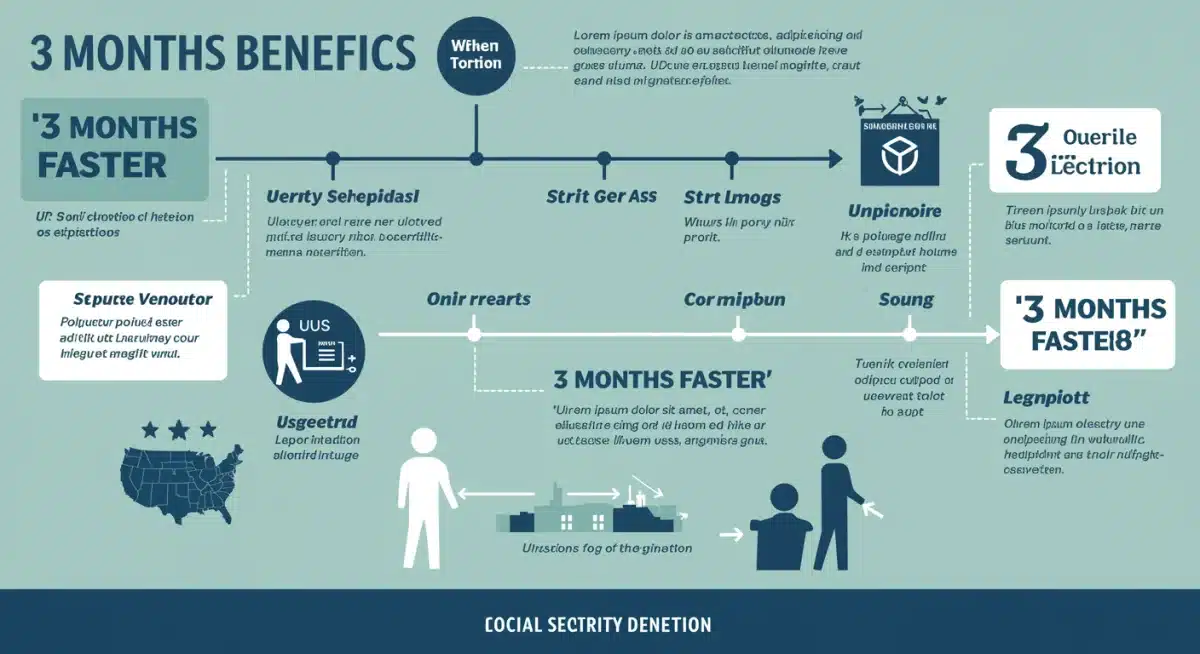
Potential hurdles and mitigation strategies
- Technological integration: Phased rollout of new systems, extensive testing, and strong vendor partnerships to ensure smooth transitions.
- Workforce training: Comprehensive training programs, both in-person and online, to equip staff with the skills needed for new digital platforms and processes.
- Public awareness and support: Extensive public information campaigns to educate beneficiaries about the new processes and available support channels.
Another significant challenge lies in managing public expectations. While the legislation aims for a three-month reduction, individual cases may still encounter unique complexities. Transparent communication about potential variations and providing clear avenues for assistance will be essential to prevent frustration. Establishing dedicated support teams and feedback mechanisms will help identify and address issues promptly, ensuring that the streamlined process truly benefits all eligible Americans and upholds the integrity of the Social Security system.
The Broader Implications for Government Services
The New 2026 Legislation: US Government Introduces Bill to Streamline Access to Social Security Benefits by 3 Months sets a significant precedent for how government services might evolve in the coming years. This initiative is not merely an isolated reform; it represents a broader shift towards a more efficient, technologically advanced, and user-centric approach to public administration. Its success could inspire similar streamlining efforts across various government agencies, ultimately transforming the citizen experience.
By demonstrating the tangible benefits of modernized processes, the Social Security reform could serve as a blueprint for other departments grappling with bureaucratic inefficiencies. Imagine faster processing for veteran benefits, quicker passport renewals, or more accessible unemployment claims. The lessons learned from this Social Security overhaul—particularly regarding technology integration, workforce adaptation, and public engagement—could be invaluable in replicating success in other critical areas of government service delivery. This could foster a new era of governmental efficiency and responsiveness, significantly enhancing the public’s interaction with federal programs.
Potential ripple effects across agencies
- Increased citizen satisfaction: More efficient services generally lead to higher public trust and satisfaction with government bodies.
- Cost savings: Streamlined processes often result in operational efficiencies, potentially leading to long-term cost savings for taxpayers.
- Enhanced data security practices: The implementation of advanced security protocols for Social Security could become a standard for other agencies handling sensitive personal data.
Moreover, this legislative move could encourage greater collaboration between different government entities, fostering a more integrated approach to service provision. The emphasis on inter-agency data sharing and coordinated efforts could break down traditional silos, leading to a more holistic and seamless experience for citizens interacting with multiple government programs. This shift towards a more connected and efficient government could redefine public service in the digital age, setting a new standard for accessibility and responsiveness across the board.
Preparing for the New System: What Beneficiaries Need to Know
As the 2026 legislation comes into effect, it’s essential for current and future Social Security beneficiaries to understand how these changes might impact them and what steps they can take to prepare. While the goal is to simplify and accelerate the process, being informed will ensure a smooth transition and allow individuals to take full advantage of the improved system. Proactive preparation can significantly enhance the experience of navigating the new, streamlined procedures.
One of the most important aspects will be familiarizing oneself with the updated online application portals. The SSA is expected to launch enhanced digital tools, and understanding how to use them effectively will be key to benefiting from faster processing times. This might involve attending informational webinars, utilizing online tutorials, or seeking assistance from local Social Security offices if digital literacy is a concern. The government will likely roll out extensive public awareness campaigns to guide individuals through these new processes.
Key actions for future beneficiaries
- Stay informed: Regularly check the official Social Security Administration (SSA) website for updates and new guidelines as 2026 approaches.
- Gather documents early: Begin collecting all necessary personal and financial documents well in advance of your planned application date.
- Utilize online resources: Explore the SSA’s current online tools and practice navigating the website to become comfortable with digital processes.
Additionally, it would be wise to review your Social Security statements regularly to ensure all your earnings are accurately recorded. Any discrepancies should be addressed promptly, as this can prevent delays during the application process. Consulting with a financial advisor or a Social Security expert can also provide personalized guidance, helping you understand your specific eligibility and the best approach under the new legislation. Being prepared means not just knowing about the changes, but actively engaging with the resources available to ensure a seamless and timely access to your benefits.
| Key Aspect | Brief Description |
|---|---|
| Legislation Goal | Reduce Social Security benefit waiting times by three months. |
| Key Mechanism | Technological upgrades, procedural simplification, and inter-agency data sharing. |
| Beneficiary Impact | Reduced financial stress, quicker access to essential income, improved planning. |
| Broader Significance | Sets a precedent for efficiency in other government services. |
Frequently Asked Questions About the 2026 Social Security Bill
The main objective of the new 2026 legislation is to streamline the process of accessing Social Security benefits, specifically aiming to reduce the waiting period for eligible beneficiaries by three months. This initiative seeks to improve efficiency and reduce financial strain on applicants.
The legislation plans to achieve this through a combination of technological advancements, such as AI-powered document verification and enhanced online portals, as well as procedural simplifications and improved data sharing among government agencies to reduce manual review times and paperwork.
Individuals and families facing financial hardship due to unexpected retirement or disability will benefit significantly. Quicker access to benefits means less stress, improved financial stability, and faster access to essential funds for living expenses and healthcare.
Yes, challenges include integrating new technologies with existing legacy systems, ensuring data security, and comprehensive workforce training. Public awareness campaigns will also be crucial to guide beneficiaries through new processes and manage expectations effectively.
Future beneficiaries should stay informed via the SSA website, gather all necessary documents in advance, and familiarize themselves with online application portals. Reviewing Social Security statements for accuracy is also recommended to prevent delays.
Conclusion
The New 2026 Legislation: US Government Introduces Bill to Streamline Access to Social Security Benefits by 3 Months represents a forward-thinking initiative aimed at modernizing a vital public service. By focusing on efficiency, technological integration, and a user-centric approach, this bill has the potential to significantly improve the lives of millions of Americans by providing timelier access to their much-needed benefits. While implementation will require careful navigation of inherent challenges, the overarching goal of fostering a more responsive and accessible Social Security system underscores a commitment to the well-being and financial security of the nation’s citizens. This legislative effort could well pave the way for a new standard in government service delivery, setting a precedent for efficiency and citizen support across various federal programs.