Unclaimed Benefits US 2026: Recover $50 Billion Government Aid
Over $50 billion in unclaimed government aid is projected to be available in the US by 2026; individuals can utilize a strategic checklist to navigate the recovery process effectively.
Did you know that billions of dollars in government aid go unclaimed every year? By 2026, estimates suggest over Unclaimed Benefits in the US: A 2026 Checklist to Recover Over $50 Billion in Unused Government Aid could be waiting for its rightful owners. This guide provides a clear pathway to help you claim what’s yours.
Understanding the Landscape of Unclaimed Benefits in 2026
The sheer volume of unclaimed funds in the United States is staggering, often exceeding $50 billion annually. This treasure trove includes everything from forgotten bank accounts and uncashed checks to tax refunds and pension benefits. Many individuals are unaware these funds exist or how to access them, leading to a continuous cycle of money sitting idle in state and federal coffers.
As we look towards 2026, the digital landscape has made searching for these benefits more accessible than ever, yet the complexity of various government agencies can still be a significant hurdle. Understanding where these funds originate and the mechanisms through which they become unclaimed is the first crucial step in any successful recovery effort.
Common Sources of Unclaimed Funds
Unclaimed property arises from a variety of sources, often due to administrative oversights, changes of address, or simply forgetting about a small deposit. Identifying these common origins can significantly narrow down your search.
- Forgotten Bank Accounts: Savings, checking, or CD accounts that have been inactive for a period defined by state law.
- Uncashed Checks: Payroll checks, vendor payments, insurance payouts, or dividend checks that were never deposited.
- Insurance Policy Proceeds: Life insurance benefits where beneficiaries are unaware of the policy’s existence or haven’t been located.
- Stock and Mutual Fund Dividends: Securities or dividends that remain unclaimed due to incorrect addresses or lack of communication.
Each state has its own escheatment laws, which dictate how long a property must remain dormant before it is turned over to the state. This period typically ranges from three to five years, highlighting the importance of regular checks to prevent your assets from becoming unclaimed.
In essence, the landscape of unclaimed benefits in 2026 is vast and varied, reflecting the diverse financial interactions individuals have with institutions and government entities. Proactive engagement and a clear understanding of where to look are paramount to retrieving these forgotten assets.
Your 2026 Checklist: Essential Steps to Recover Funds
Embarking on the journey to recover unclaimed funds requires a systematic approach. This 2026 checklist provides a clear, actionable guide to help you navigate the process efficiently, ensuring you cover all potential avenues for discovery. The key is to be thorough and persistent, as information can be scattered across various databases.
Start by gathering all relevant personal information, including previous addresses, maiden names, and any variations of your name. This preparatory step will streamline your search across different platforms, as inconsistencies can sometimes hinder accurate results.
Step-by-Step Search Strategy
A structured search strategy is vital. Beginning with nationwide databases before moving to state-specific resources can save time and effort.
- National Association of Unclaimed Property Administrators (NAUPA): Utilize their official website, MissingMoney.com, which aggregates data from most states. This is often the quickest way to check for property across multiple jurisdictions.
- State-Specific Unclaimed Property Websites: Even after checking NAUPA, it’s wise to visit individual state treasury or controller websites, especially for states where you or your family members have lived.
- Department of the Treasury and IRS: Search for unclaimed tax refunds using the IRS’s ‘Where’s My Refund?’ tool or by ordering a tax transcript.
- Pension Benefit Guaranty Corporation (PBGC): If you believe you are entitled to an old pension, the PBGC offers a locator service for unclaimed pensions.
Remember that some smaller, localized funds might not appear on national databases immediately. Patience and a willingness to explore various state-level resources are critical for a comprehensive search.
Once you identify potential matches, the next phase involves submitting a claim. This typically requires documentation to prove your identity and your connection to the unclaimed property. By following this detailed checklist, you significantly increase your chances of recovering your share of the billions in unclaimed benefits.
Navigating Federal and State Databases in 2026
The journey to reclaim forgotten funds often involves interacting with a patchwork of federal and state databases. Each system has its own interface and specific requirements, making it crucial to understand how to effectively navigate them. The good news is that many of these platforms have become more user-friendly by 2026, offering improved search functionalities and clearer instructions.
Federal databases primarily handle funds related to federal agencies, such as the IRS, Department of Veterans Affairs, or the Social Security Administration. State databases, on the other hand, manage unclaimed property reported by businesses and financial institutions within their jurisdiction.
Key Federal Resources
Several federal resources are indispensable for a thorough search. These agencies hold a significant amount of unclaimed money related to federal programs and services.
- IRS Unclaimed Refunds: The Internal Revenue Service often holds tax refunds that were never claimed or delivered. Check their official website for tools to track your refund status.
- U.S. Department of Veterans Affairs: Veterans or their beneficiaries might have unclaimed benefits, such as life insurance proceeds or pension payments. Their website provides dedicated search tools.
- Social Security Administration (SSA): While less common for direct unclaimed funds, beneficiaries might have uncashed Social Security checks. Contacting the SSA directly is the best approach.
When using federal platforms, ensure you have your Social Security number and any relevant identification documents handy, as these are often required for verification. Always use official government websites to avoid scams or fraudulent services.
State databases are generally accessed through the National Association of Unclaimed Property Administrators (NAUPA) website, MissingMoney.com, which serves as a central hub. However, for a more targeted search, directly visiting individual state treasury or controller websites can sometimes yield more detailed results or specific search options not available through the aggregated portal. Understanding this dual approach to federal and state resources is key to a comprehensive and successful search in 2026.
Common Pitfalls and How to Avoid Them
While the prospect of recovering unclaimed funds is exciting, the process is not without its challenges. Many individuals encounter common pitfalls that can delay or even derail their claims. Being aware of these obstacles in advance can help you navigate the system more smoothly and increase your chances of success.
One prevalent issue is inaccurate or incomplete personal information. Government databases rely heavily on precise data, and even minor discrepancies can lead to a failed search. Ensure all your details, including past addresses and name changes, are accurately reflected in your search queries.
Avoiding Claim Delays and Rejections
Claim rejections often stem from insufficient documentation or not following the correct procedures. Proactivity and attention to detail are your best allies.
- Incomplete Documentation: States require specific documents to verify your identity and your right to the funds. Always double-check the required paperwork before submission. This might include government-issued IDs, proof of address, or death certificates for inherited claims.
- Ignoring State-Specific Requirements: Each state has unique rules regarding unclaimed property. What works in one state might not be sufficient in another. Pay close attention to the instructions provided by the specific state’s unclaimed property division.
- Falling for Scams: Be wary of unsolicited emails or calls claiming to help you recover funds for a fee. Official government agencies do not charge for this service. Always verify the legitimacy of any communication.
- Lack of Follow-Up: Submitting a claim is just the first step. Regularly follow up on the status of your claim, especially if you haven’t heard back within the typical processing timeframe.
Another common pitfall is giving up too soon. The process can sometimes be lengthy and require persistence. Don’t be discouraged by initial difficulties; instead, use them as learning opportunities to refine your approach.
By understanding and proactively addressing these common pitfalls, you can significantly enhance your ability to successfully recover unclaimed benefits. A methodical approach, coupled with careful adherence to instructions, will set you up for success in 2026.
The Role of Technology and AI in Unclaimed Fund Recovery by 2026
By 2026, technology, particularly artificial intelligence (AI), is playing an increasingly pivotal role in streamlining the process of recovering unclaimed funds. These advancements are making it easier for individuals to identify and claim their rightful assets, transforming what was once a cumbersome manual search into a more efficient digital endeavor. AI-powered tools can sift through vast datasets far more quickly and accurately than human researchers, identifying potential matches that might otherwise be missed.
The integration of sophisticated algorithms and machine learning into government and third-party search platforms is revolutionizing how unclaimed property is managed and reunited with its owners. This technological leap means a more proactive approach to connecting individuals with their lost assets.
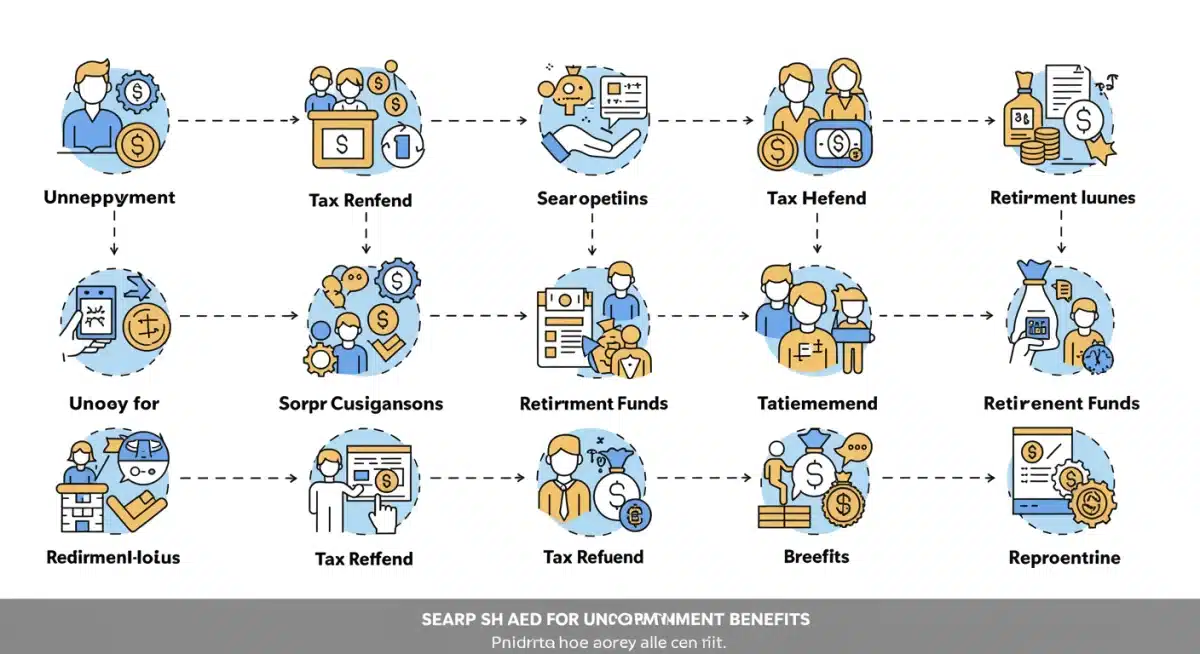
Innovations in Search and Matching
AI is enhancing the search and matching capabilities in several key areas, making the recovery process more accessible.
- Advanced Data Matching: AI algorithms can cross-reference names, addresses, and other personal data across disparate databases with higher accuracy, even accounting for minor discrepancies or common errors.
- Predictive Analytics: Some systems use AI to predict where unclaimed funds are most likely to reside based on an individual’s financial history and past residences, guiding users to the most relevant search platforms.
- Automated Claim Assistance: Future AI tools might even assist in pre-filling claim forms or identifying missing documentation, further simplifying the submission process for claimants.
While technology offers significant advantages, it’s important to remember that human oversight remains crucial. Always verify information provided by AI tools with official sources. The goal of these technological advancements is to empower individuals, not to replace their critical judgment.
As we move further into 2026, the synergy between human effort and technological innovation will continue to refine the unclaimed fund recovery process, making it more efficient and successful for millions of Americans seeking to reclaim their over $50 billion in unused government aid.
Success Stories and Future Outlook for Unclaimed Benefits
The impact of successfully recovering unclaimed benefits extends far beyond the individual, contributing to economic stability and personal financial security. By 2026, countless success stories highlight the tangible difference these recovered funds make, from helping families pay off debt to funding educational opportunities or securing retirement. These narratives serve as powerful motivators for others to undertake their own search.
The future outlook for unclaimed benefits is optimistic, with ongoing efforts to improve transparency and accessibility. Government agencies and advocacy groups are continually refining their processes to minimize the amount of money that remains unclaimed, ensuring more funds return to their rightful owners.
Real-World Impact and Statistics
Examining the real-world impact provides a clear picture of what can be achieved. Each returned dollar contributes to individual and community well-being.
- Personal Financial Stability: Recovered funds often provide a much-needed financial boost, helping individuals cover unexpected expenses, invest, or simply improve their quality of life.
- Economic Reinvestment: When funds are returned to citizens, they are typically spent or invested, contributing to local economies and stimulating growth.
- Increased Awareness: Each success story helps raise public awareness about the existence of unclaimed property, encouraging more people to search for their own forgotten assets.
Looking ahead, legislative changes and technological advancements are expected to further reduce the volume of unclaimed property. There’s a growing push for more standardized reporting across states and enhanced digital platforms to facilitate easier claims. The goal is to make the process so seamless that the concept of billions in unclaimed funds becomes a relic of the past.
The ongoing commitment to reuniting individuals with their money underscores a broader societal value in ensuring financial justice. As 2026 progresses, the collective effort to recover over $50 billion in unused government aid promises a brighter financial future for many Americans.
Maintaining Vigilance: Preventing Future Unclaimed Funds
While recovering existing unclaimed funds is crucial, an equally important aspect is preventing future assets from becoming lost or forgotten. Maintaining financial vigilance and adopting proactive habits can significantly reduce the likelihood of your money ending up in state coffers again. This involves regular reviews of your financial accounts, updating personal information, and staying informed about various benefit programs.
By 2026, digital tools offer enhanced capabilities for managing personal finances, making it easier than ever to keep track of investments, bank accounts, and other potential sources of future unclaimed property.
Best Practices for Financial Management
Adopting a few key financial management practices can make a substantial difference in safeguarding your assets.
- Regular Account Reviews: Periodically check all your bank accounts, investment portfolios, and insurance policies to ensure they are active and that all contact information is current.
- Update Contact Information: Inform all financial institutions, employers, and government agencies of any changes to your address, phone number, or email. This is a primary reason funds become unclaimed.
- Consolidate Accounts: If you have many small, dormant accounts, consider consolidating them to simplify management and reduce the risk of losing track.
- Maintain Records: Keep meticulous records of all financial transactions, account numbers, and policy details. Digital copies stored securely are highly recommended.
Furthermore, educating yourself and your family about the importance of financial literacy and the existence of unclaimed property can create a safeguard against future losses. Designate a trusted individual who knows where your important financial documents are kept and who can act on your behalf if necessary.
By implementing these preventive measures, you not only protect your own assets but also contribute to a culture of financial awareness. The goal for 2026 and beyond is to ensure that the monumental sum of over $50 billion in unclaimed government aid is significantly reduced, empowering more Americans to retain control over their financial futures.
| Key Point | Brief Description |
|---|---|
| $50 Billion Opportunity | Over $50 billion in government aid will be unclaimed by 2026, available for recovery. |
| Comprehensive Checklist | A detailed guide providing steps to search for and claim forgotten federal and state funds. |
| Technology’s Role | AI and digital platforms are enhancing search accuracy and claim efficiency for individuals. |
| Preventative Measures | Strategies for individuals to manage finances and prevent future funds from becoming unclaimed. |
Frequently Asked Questions About Unclaimed Benefits
Unclaimed benefits are financial assets, like forgotten bank accounts, uncashed checks, or insurance proceeds, that have been dormant for a period specified by state law. They often arise from address changes, administrative errors, or beneficiaries being unaware of their existence.
Estimates suggest that over $50 billion in unused government aid and other financial assets will be available for recovery in the United States by 2026. This vast sum includes funds from both federal and state sources.
Begin your search with national databases like MissingMoney.com (NAUPA) for state-held property. Also, check federal resources such as the IRS for unclaimed tax refunds and the PBGC for forgotten pensions. Always use official government websites.
Generally, you’ll need proof of identity (government-issued ID), proof of address, and documentation linking you to the unclaimed property, such as old bank statements or death certificates for inherited claims. Requirements vary by state and type of claim.
Yes, by 2026, AI and advanced digital platforms are significantly improving the accuracy and efficiency of searching for unclaimed funds. These tools can cross-reference data more effectively, but always verify information with official sources.
Conclusion
The journey to recover unclaimed benefits, potentially amounting to over $50 billion by 2026, is a significant opportunity for many Americans. By diligently following the outlined checklist, leveraging technological advancements, and understanding common pitfalls, individuals can successfully navigate the process. Furthermore, adopting proactive financial habits is crucial to prevent future funds from becoming lost. The collective effort to reunite these assets with their rightful owners not only provides individual financial relief but also contributes to broader economic well-being, fostering a more informed and financially secure populace.