2026 Federal Education Standards: K-12 Curriculum Impact Across the US
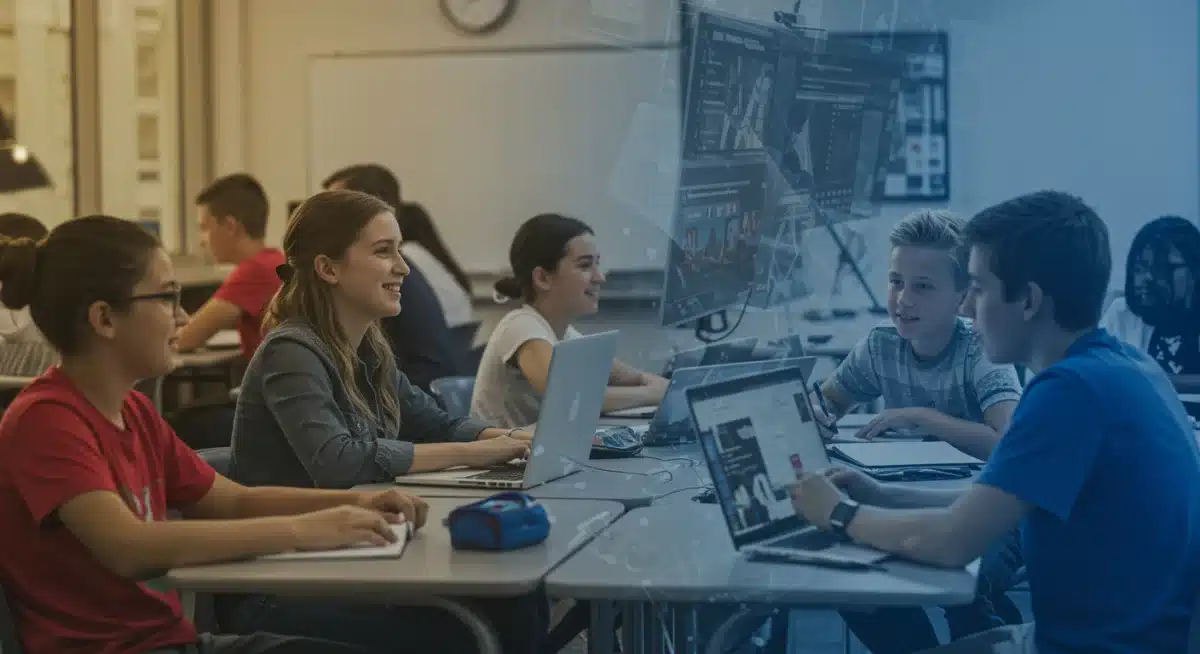
The 2026 federal education standards are set to significantly reshape K-12 curriculum nationwide, introducing new guidelines for learning objectives, assessment methods, and pedagogical approaches across all 50 states, aiming for enhanced student outcomes.
The landscape of American education is on the cusp of a transformative period. The upcoming 2026 federal education standards are not merely a set of recommendations but a comprehensive overhaul poised to impact K-12 curriculum across all 50 states. Understanding these recent updates is crucial for parents, educators, and policymakers alike.
Understanding the Genesis of the 2026 Standards
The journey towards the 2026 federal education standards has been a multi-year effort, driven by a recognized need to modernize and standardize educational outcomes across the United States. This initiative stems from a broader consensus that a consistent, high-quality educational foundation is vital for national competitiveness and individual student success in an increasingly complex world.
Early discussions highlighted disparities in state-level curricula and varying student preparedness for higher education and the workforce. The federal government, in collaboration with educational experts, state departments, and various stakeholders, embarked on developing a framework that would provide clearer guidelines while allowing for necessary state-specific adaptations.
The driving forces behind the reform
Several critical factors propelled the development of these new standards. Economic shifts demanding new skill sets, advancements in educational technology, and a deeper understanding of cognitive development all played significant roles.
- Global Competitiveness: Ensuring American students are prepared to compete on a global stage.
- Equity in Education: Addressing inconsistencies in educational quality and access across states.
- Technological Integration: Adapting curriculum to leverage and teach with modern digital tools.
- Workforce Preparedness: Aligning K-12 education with the demands of future job markets.
Ultimately, the genesis of these standards represents a proactive step to future-proof the American education system. It’s about creating a robust, adaptable framework that can evolve with societal and technological changes, ensuring every student has the opportunity to thrive.
Key Pillars of the New Federal Framework
The 2026 federal education standards are structured around several core pillars designed to create a more cohesive and effective learning environment. These pillars emphasize not just what students learn, but how they learn, focusing on deeper understanding and practical application of knowledge.
One of the most significant shifts is towards interdisciplinary learning, encouraging connections between subjects rather than isolated study. This approach aims to foster critical thinking and problem-solving skills, which are increasingly vital in today’s world.
Core subject area revisions
Each major subject area—English Language Arts (ELA), Mathematics, Science, and Social Studies—will see substantial revisions. In ELA, there’s a stronger emphasis on digital literacy and media analysis. Mathematics will prioritize conceptual understanding and real-world application over rote memorization. Science will focus more on inquiry-based learning and scientific reasoning, while social studies will integrate more global perspectives and civics education.
The new framework also introduces enhanced guidelines for arts and physical education, recognizing their crucial role in holistic student development. These subjects are no longer considered supplementary but integral to a well-rounded education, promoting creativity, emotional intelligence, and physical well-being.
- Interdisciplinary Approach: Connecting subjects to foster holistic understanding.
- Digital Literacy: Integrating technology and media analysis across the curriculum.
- Inquiry-Based Learning: Promoting scientific reasoning and critical investigation.
- Global Citizenship: Expanding social studies to include diverse cultural and civic perspectives.
These pillars collectively aim to produce graduates who are not just knowledgeable, but also adaptable, innovative, and engaged citizens. The focus is on fostering lifelong learners capable of navigating complex challenges and contributing meaningfully to society.
Impact on K-12 Curriculum Across the 50 States
The implementation of the 2026 federal education standards will necessitate significant adjustments to K-12 curriculum frameworks across all 50 states. While states retain some autonomy in how they meet these standards, the core expectations will drive a wave of curriculum development and revision.
Historically, states have had considerable freedom in designing their own curricula, leading to varied educational experiences. The new federal standards aim to establish a baseline of quality and consistency, ensuring that all students, regardless of their location, have access to a robust and relevant education.
State-specific implementation strategies
Each state will likely develop its own strategy for integrating the new standards, considering local demographics, existing educational infrastructure, and available resources. Some states may opt for a phased approach, introducing changes incrementally, while others might undertake a more rapid overhaul. This will involve extensive professional development for educators, curriculum mapping, and the adoption of new instructional materials.
The federal government is expected to provide guidance and resources to support states in this transition, but the ultimate responsibility for implementation will rest with state education departments and local school districts. This collaborative yet decentralized approach acknowledges the diverse needs and contexts within the national education system.
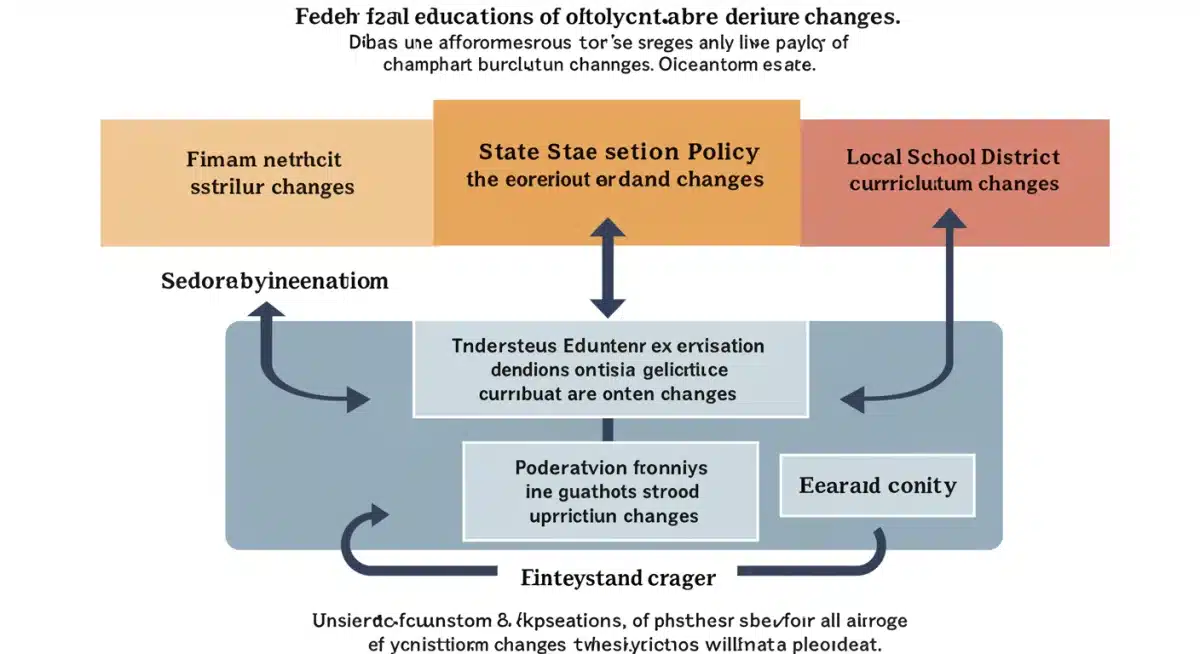
The impact will be felt at every level, from textbook publishers adapting their materials to teacher training programs evolving their methodologies. The goal is a seamless transition that elevates the quality of education nationwide without stifling local innovation.
Challenges and Opportunities for Educators
The rollout of the 2026 federal education standards presents both formidable challenges and exciting opportunities for educators. Adapting to new curricula, assessment methods, and pedagogical approaches will require significant effort and professional growth.
One of the primary challenges will be ensuring that all teachers receive adequate training and support. The new standards emphasize different instructional strategies, such as project-based learning and integrated technology, which may be unfamiliar to some educators. Providing high-quality, ongoing professional development will be crucial for successful implementation.
Embracing new teaching methodologies
The shift towards deeper learning and critical thinking offers a chance for educators to move beyond traditional lecture-based instruction. Teachers will have the opportunity to design engaging, inquiry-driven lessons that encourage students to explore, question, and construct their own understanding. This can revitalize classrooms and foster a more dynamic learning environment.
- Professional Development Needs: Ensuring comprehensive training for new standards and methods.
- Curriculum Redesign: Adapting existing lesson plans and creating new ones.
- Technology Integration: Effectively using digital tools for instruction and assessment.
- Innovative Pedagogy: Embracing project-based learning and student-centered approaches.
While the initial transition may be demanding, the long-term opportunities for professional enrichment and enhanced student outcomes are substantial. Educators who embrace these changes will be at the forefront of shaping the next generation of learners, equipped with skills for a rapidly changing world.
Assessment and Accountability Under the New Standards
A critical component of the 2026 federal education standards involves a re-evaluation of assessment and accountability measures. The aim is to move beyond mere standardized testing to a more comprehensive system that truly reflects student learning and progress.
The new framework is expected to advocate for a balance between traditional summative assessments and more formative, performance-based evaluations. This shift recognizes that a single test score may not fully capture a student’s understanding or their ability to apply knowledge in real-world contexts.
Rethinking student evaluation
There will be a strong push for assessments that measure higher-order thinking skills, creativity, and collaborative abilities. This might include portfolios, project presentations, and complex problem-solving tasks. The goal is to make assessments more authentic and directly aligned with the learning objectives embedded in the new curriculum.
Accountability measures for schools and districts will also evolve. While student achievement will remain a key indicator, there will likely be greater emphasis on growth models, equity in access, and the overall learning environment. This holistic approach aims to encourage continuous improvement and support for all students.
The focus on diverse assessment methods ensures that educators have a clearer picture of student strengths and areas for improvement, allowing for more targeted instruction. Furthermore, it aims to reduce the pressure associated with high-stakes testing by providing a broader view of student competency.
Parental and Community Involvement in the Transition
The success of the 2026 federal education standards hinges significantly on active parental and community involvement. Engaging these stakeholders early and effectively is crucial for building understanding, support, and a shared vision for the future of education.
Parents are often the first educators and have a profound impact on a child’s learning journey. Keeping them informed about the changes, the rationale behind them, and how they can support their children at home will be paramount. Clear communication channels and accessible resources will be essential.
Fostering home-school partnerships
Schools will be encouraged to develop robust home-school partnerships, inviting parents to participate in workshops, informational sessions, and decision-making processes related to curriculum implementation. Understanding the new standards will empower parents to better advocate for their children and reinforce learning outside the classroom.
- Information Dissemination: Providing clear, accessible information about the new standards.
- Engagement Opportunities: Creating platforms for parents to ask questions and provide feedback.
- Support Resources: Offering tools and strategies for parents to assist with learning at home.
- Community Collaboration: Partnering with local organizations to enrich educational experiences.
Beyond parents, the broader community—including local businesses, non-profits, and civic organizations—can play a vital role. These partnerships can provide additional resources, mentorship opportunities, and real-world learning experiences that complement the new curriculum. A strong community-school bond ultimately strengthens the entire educational ecosystem.
Looking Ahead: The Long-Term Vision of the 2026 Standards
The 2026 federal education standards represent more than just a set of regulatory updates; they embody a long-term vision for American education. This vision is centered on preparing students not just for the next grade level, but for successful lives in a rapidly evolving global society.
The ultimate goal is to cultivate a generation of critical thinkers, creative problem-solvers, and engaged citizens who are adaptable and resilient. By establishing a consistent, high-quality educational foundation across all states, these standards aim to reduce educational disparities and unlock the full potential of every student.
Anticipated future developments
While the initial focus is on implementation, the federal government and educational bodies will continuously monitor the impact of these standards. Expect ongoing research, feedback mechanisms, and periodic adjustments to ensure the framework remains relevant and effective.
Future developments might include even greater integration of artificial intelligence in learning, personalized education pathways, and a stronger emphasis on socio-emotional learning. The 2026 standards lay the groundwork for these future innovations, providing a stable yet flexible foundation.
The long-term success will be measured not just by improved test scores, but by graduates who are confident, capable, and ready to navigate the complexities of higher education, the workforce, and civic life. It is an ambitious undertaking, but one with the potential to profoundly shape the future of the nation.
| Key Aspect | Brief Description |
|---|---|
| Curriculum Overhaul | Significant revisions in core subjects like ELA, Math, Science, and Social Studies, emphasizing interdisciplinary learning. |
| Educator Challenges & Opportunities | Teachers face new professional development needs but gain opportunities for innovative, student-centered pedagogy. |
| Assessment Evolution | Shift towards performance-based, authentic assessments reflecting critical thinking and real-world application. |
| State-Level Adaptation | States will develop tailored implementation strategies, balancing federal guidelines with local needs and resources. |
Frequently Asked Questions About the 2026 Education Standards
The main objectives are to standardize and elevate K-12 educational quality across the U.S., foster critical thinking and practical skills, and ensure students are globally competitive and prepared for future workforce demands. They aim for consistency and enhanced student outcomes nationwide.
States and local districts will need to revise existing curricula to align with the new federal guidelines. While states retain some flexibility, the core expectations will drive significant changes in learning objectives, instructional materials, and assessment strategies to meet the national baseline.
Educators will face challenges such as adapting to new teaching methodologies, integrating advanced technology, and requiring extensive professional development. They will need to embrace project-based learning and interdisciplinary approaches to meet the updated pedagogical expectations.
Assessment will shift towards a more comprehensive approach, balancing traditional tests with performance-based evaluations like portfolios and projects. The goal is to measure higher-order thinking skills and real-world application, providing a more holistic view of student learning and progress.
Parents and communities can engage by attending informational sessions, participating in school advisory committees, and utilizing provided resources to support learning at home. Strong home-school partnerships and community collaborations are vital for successful implementation and student success.
Conclusion
The 2026 federal education standards mark a pivotal moment for K-12 education across the United States. This comprehensive shift is designed to modernize curricula, foster deeper learning, and ensure that every student is equipped with the skills necessary for success in a dynamic future. While the transition will undoubtedly bring challenges for states, educators, and families, the long-term vision of a more equitable, effective, and globally competitive education system holds immense promise. Active collaboration and a shared commitment from all stakeholders will be essential in realizing the full potential of these transformative updates, ultimately shaping a brighter future for American students.