2026 National Infrastructure Plan: 3 Million New US Jobs

The 2026 National Infrastructure Plan aims to generate 3 million new jobs across the United States by investing in critical sectors like transportation, energy, and digital connectivity, driving substantial economic growth and modernization.
Ever wondered how the nation plans to build a stronger future while creating millions of opportunities for its citizens? The 2026 National Infrastructure Plan is set to transform the American landscape, promising a significant boost to employment and economic vitality. This ambitious initiative outlines a clear path to generating 3 million new jobs across various sectors, signaling a new era of growth and development.
The vision behind the 2026 National Infrastructure Plan
The 2026 National Infrastructure Plan isn’t just about repairing old roads; it’s a comprehensive strategy designed to modernize the nation’s foundational systems for the challenges and opportunities of the mid-21st century. This plan recognizes that robust infrastructure is the backbone of a thriving economy, supporting everything from daily commutes to global commerce. It represents a forward-thinking approach to ensure the United States remains competitive and resilient.
At its core, the plan seeks to address decades of underinvestment in critical areas, transforming dilapidated systems into state-of-the-art networks. This modernization isn’t merely cosmetic; it aims to enhance efficiency, reduce environmental impact, and improve the quality of life for millions of Americans. The strategic vision includes leveraging cutting-edge technology and sustainable practices to build infrastructure that will serve generations to come.
Key pillars of the plan
- Transportation modernization: Upgrading roads, bridges, public transit, and airports to improve connectivity and reduce travel times.
- Renewable energy expansion: Investing in solar, wind, and geothermal projects to transition towards a cleaner, more sustainable energy grid.
- Digital infrastructure enhancement: Expanding broadband access to underserved areas, ensuring every American has reliable internet connectivity.
- Water systems overhaul: Modernizing aging water pipes and wastewater treatment facilities to guarantee clean and safe water supplies.
The vision also encompasses a strong emphasis on public-private partnerships, encouraging innovation and shared responsibility in project execution. By fostering collaboration between government agencies, private companies, and local communities, the plan aims to maximize resources and ensure projects are completed efficiently and effectively. This collaborative model is crucial for tackling projects of such vast scale and complexity.
Ultimately, the 2026 National Infrastructure Plan is a testament to the nation’s commitment to progress, aiming to create not just jobs, but also a more connected, sustainable, and prosperous future for all. It’s a holistic approach that understands the interconnectedness of various infrastructure components and their collective impact on national well-being.
Projected job creation: 3 million new opportunities
The most compelling aspect of the 2026 National Infrastructure Plan is its promise of creating 3 million new jobs across the United States. This isn’t just a number; it represents a significant boost to the American workforce, providing stable and well-paying employment opportunities in diverse sectors. The jobs are expected to span various skill levels, from skilled trades to engineering and project management, ensuring a wide impact on the labor market.
These jobs will be directly tied to the construction, maintenance, and operation of new and upgraded infrastructure projects. Imagine thousands of engineers designing smart cities, construction workers building high-speed rail lines, and technicians installing advanced renewable energy systems. The ripple effect of these direct jobs will also stimulate indirect employment in supporting industries, further amplifying the economic benefits.
Where the jobs will emerge
The job creation will not be confined to a single sector but will be distributed across several key areas:
- Construction and skilled trades: A massive demand for electricians, plumbers, welders, heavy equipment operators, and general laborers for physical infrastructure development.
- Engineering and architecture: Professionals needed for designing, planning, and overseeing complex projects, from bridges to smart grids.
- Manufacturing: Increased production of materials and components, such as steel, concrete, solar panels, and turbines, creating factory jobs.
- Technology and IT: Specialists required for developing and implementing smart infrastructure solutions, cybersecurity, and digital connectivity.
- Operations and maintenance: Long-term jobs for managing and maintaining the new infrastructure, ensuring its longevity and efficiency.
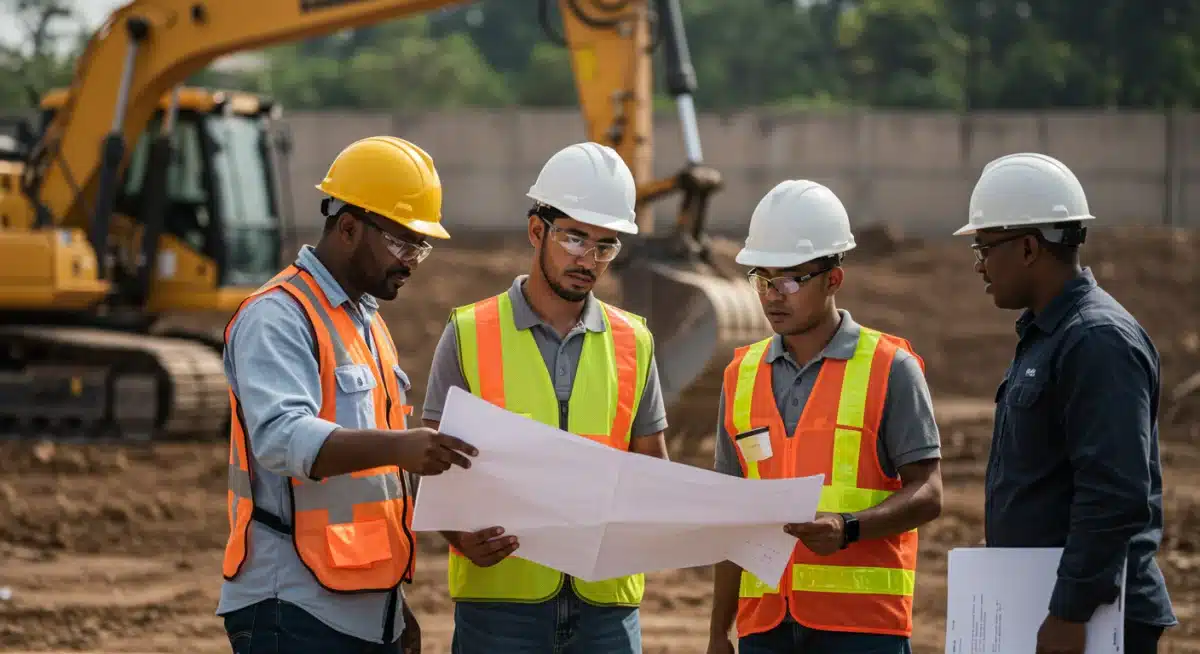
Beyond these direct impacts, the plan is also expected to foster growth in local economies. Small businesses will benefit from increased demand for services and supplies, while communities will experience a revitalization through improved infrastructure and increased employment. This broad economic stimulus is a critical component of the plan’s overall objective.
The creation of 3 million new jobs underscores the transformative potential of the 2026 National Infrastructure Plan, offering a pathway to economic recovery and sustainable growth. It’s a strategic investment in both the nation’s physical assets and its human capital, building a more robust and prosperous future for all.
Key sectors driving the job market surge
The sheer scale of the 2026 National Infrastructure Plan means that its job-creating power will be felt across a multitude of sectors, each playing a crucial role in the nation’s modernization. While construction is often the first thing that comes to mind, the plan’s reach extends far beyond, touching industries that are both traditional and emerging. This diversification ensures a broad and resilient economic impact.
Transportation infrastructure, encompassing everything from road and bridge repairs to the expansion of public transit and high-speed rail, will naturally be a major employer. These projects demand a vast workforce, from civil engineers to heavy equipment operators, and will revitalize regional economies by improving connectivity and reducing logistical bottlenecks. The upgrades will also require significant material sourcing, boosting manufacturing jobs.
Focus areas for employment growth
Beyond transportation, several other sectors are poised for substantial growth:
- Energy infrastructure: The push towards renewable energy will create jobs in solar panel installation, wind turbine manufacturing and maintenance, and the development of smart grid technologies. This transition is critical for energy independence and environmental sustainability.
- Digital connectivity: Extending broadband internet to rural and underserved areas will drive demand for network engineers, fiber optic technicians, and IT specialists. Reliable internet is now considered essential infrastructure, enabling remote work, education, and healthcare.
- Water and wastewater systems: Modernizing aging pipes and treatment plants will require civil engineers, environmental scientists, and skilled laborers. Ensuring clean water access is a fundamental public health priority that will generate steady employment.
- Resilience and climate adaptation: Projects focused on protecting communities from extreme weather, such as flood control systems and coastal restoration, will create jobs for environmental planners, construction workers, and specialized engineers.
The interplay between these sectors is also a significant driver of job creation. For instance, the development of smart cities will require collaboration between digital infrastructure experts, energy specialists, and urban planners. This cross-sector synergy fosters innovation and creates new types of roles that blend traditional skills with emerging technologies.
In conclusion, the 2026 National Infrastructure Plan is designed to be an economic engine, propelling growth across a diverse array of sectors. By strategically investing in these key areas, the plan ensures a wide distribution of employment opportunities, strengthening the national economy from multiple angles.
Economic impact and long-term benefits
Beyond the immediate creation of 3 million jobs, the 2026 National Infrastructure Plan is poised to deliver profound and lasting economic benefits across the United States. Infrastructure investments are not merely expenditures; they are catalysts for long-term productivity gains, improved competitiveness, and enhanced quality of life. The ripple effects of this plan will be felt for generations, shaping the nation’s economic trajectory.
One of the most significant long-term benefits is increased economic efficiency. Modernized transportation networks reduce shipping costs and travel times, making businesses more productive and goods more affordable. Reliable energy grids prevent costly outages, while widespread broadband access fosters innovation and opens new markets. These efficiencies translate into overall economic growth and improved business environments.
Boosting regional economies
The plan is strategically designed to stimulate regional economies, especially in areas that have historically been underserved. By directing investments to these regions, the plan aims to:
- Attract new businesses: Improved infrastructure makes regions more attractive to companies looking to relocate or expand, bringing further job creation.
- Increase property values: Enhanced amenities and connectivity can lead to higher property values, boosting local tax bases and community wealth.
- Support local businesses: Construction projects often rely on local suppliers and contractors, injecting capital directly into community economies.
- Improve access to services: Better roads, public transit, and digital access connect residents to jobs, education, healthcare, and other essential services, fostering social mobility.
Moreover, the focus on sustainable infrastructure, such as renewable energy and climate resilience projects, will yield environmental benefits that also have economic value. Reducing carbon emissions and mitigating the impacts of climate change can prevent future economic losses from natural disasters and health-related issues. This forward-thinking approach ensures a more resilient economy in the face of global challenges.
The 2026 National Infrastructure Plan represents a strategic investment in the nation’s future, promising not just temporary job boosts but a fundamental strengthening of the American economy. By enhancing productivity, fostering regional growth, and building a more sustainable foundation, the plan sets the stage for enduring prosperity and a higher standard of living for all.
Challenges and opportunities in implementation
Implementing a plan as ambitious as the 2026 National Infrastructure Plan, with its goal of creating 3 million new jobs, inevitably comes with a unique set of challenges and opportunities. Navigating these complexities will be crucial to the plan’s success and its ability to deliver on its promise of transforming the nation’s infrastructure and economy.
One primary challenge is securing adequate and sustained funding. While the plan outlines significant investments, ensuring that funds are allocated efficiently and responsibly over the long term is paramount. This involves not only initial appropriations but also ongoing maintenance budgets to prevent future infrastructure decay. Inflation and rising material costs could also pose hurdles, requiring flexible financial strategies.
Addressing potential roadblocks
- Workforce development: While jobs are being created, there’s a need to ensure a skilled workforce is available to fill them. This requires investment in vocational training, apprenticeships, and educational programs to equip Americans with the necessary skills for modern infrastructure projects.
- Supply chain issues: Global supply chain disruptions can delay projects and increase costs. The plan must incorporate strategies to strengthen domestic supply chains for critical materials and components.
- Permitting and regulatory hurdles: Complex and lengthy permitting processes can significantly slow down projects. Streamlining these procedures while maintaining environmental and safety standards will be essential.
- Local community engagement: Gaining community support and addressing local concerns is vital for project acceptance and smooth execution. Effective communication and collaboration with affected residents are key.
Despite these challenges, the opportunities for innovation and collaboration are immense. The plan encourages the adoption of new technologies like AI, automation, and advanced materials, which can lead to more efficient and sustainable construction. Public-private partnerships offer a chance to leverage private sector expertise and capital, accelerating project delivery.
Furthermore, the plan presents an opportunity to address historical inequities by prioritizing investments in underserved communities, ensuring that the benefits of modernized infrastructure are shared broadly. This focus on equity can lead to more inclusive economic growth and stronger social cohesion.
In essence, while the path to achieving the 2026 National Infrastructure Plan’s goals is not without obstacles, the opportunities for national advancement and job creation are too significant to ignore. Strategic planning, adaptive management, and strong collaboration will be the keys to overcoming challenges and realizing the plan’s full potential.
Preparing the workforce for infrastructure jobs
The promise of 3 million new jobs through the 2026 National Infrastructure Plan is exciting, but fulfilling this promise requires a proactive approach to workforce development. Simply creating jobs isn’t enough; the nation must ensure it has a skilled, ready workforce capable of designing, building, and maintaining the advanced infrastructure of tomorrow. This involves a multi-faceted strategy encompassing education, training, and recruitment.
Educational institutions, from high schools to universities, will play a critical role in preparing the next generation. Curricula need to be updated to include relevant skills in engineering, construction management, environmental science, and digital technologies. Encouraging STEM fields and vocational training is more important than ever to build a pipeline of qualified professionals.
Strategies for skill development
Key initiatives for workforce preparation include:
- Apprenticeship programs: Expanding and promoting apprenticeships in skilled trades (e.g., electrical, plumbing, welding) that offer on-the-job training and lead to certified qualifications.
- Community college partnerships: Collaborating with community colleges to develop specialized training programs tailored to the needs of infrastructure projects, such as heavy equipment operation or renewable energy installation.
- Retraining initiatives: Offering programs to retrain workers from declining industries, equipping them with new skills relevant to the infrastructure sector, ensuring a smooth transition into new careers.
- Technology education: Integrating training on emerging technologies like Building Information Modeling (BIM), drone operation for inspections, and smart grid management into existing and new programs.
- Diversity and inclusion: Actively recruiting and supporting underrepresented groups in construction and engineering fields, ensuring a diverse and robust workforce that reflects the nation.
Beyond formal education, continuous learning and upskilling for existing workers will be essential. As technology evolves, so too must the skills of the workforce. Companies involved in infrastructure projects will need to invest in ongoing professional development to keep their teams at the forefront of industry best practices and innovations.
Ultimately, preparing the workforce for these infrastructure jobs is an investment in human capital that will yield significant returns. By ensuring that Americans have the skills needed for these new opportunities, the 2026 National Infrastructure Plan will not only build better roads and bridges but also build stronger careers and a more resilient national economy.
| Key Aspect | Brief Description | |
|---|---|---|
| Job Creation Target | Aims to generate 3 million new jobs across various sectors in the U.S. | |
| Key Sectors | Transportation, energy, digital, and water systems are primary investment areas. | |
| Economic Impact | Boosts productivity, enhances competitiveness, and revitalizes regional economies. | |
| Workforce Preparedness | Requires investments in training, apprenticeships, and education for new roles. |
Frequently asked questions about the 2026 National Infrastructure Plan
The main objective of the 2026 National Infrastructure Plan is to modernize the United States’ infrastructure across various sectors while simultaneously creating 3 million new jobs. It aims to enhance economic efficiency, sustainability, and overall quality of life for American citizens through strategic investments.
Significant job growth is anticipated in transportation (roads, bridges, public transit), renewable energy (solar, wind), digital infrastructure (broadband expansion), and water systems (pipes, treatment plants). These areas require diverse skill sets, from construction and engineering to IT and maintenance.
Local economies will benefit through increased demand for local suppliers and contractors, attracting new businesses due to improved infrastructure, and higher property values. Enhanced connectivity and access to services will also contribute to community revitalization and stronger local tax bases.
Key challenges include securing sustained funding, ensuring a skilled workforce is available, mitigating potential supply chain disruptions, streamlining complex permitting and regulatory processes, and effectively engaging with local communities to gain support and address concerns.
Workforce preparation involves expanding apprenticeship programs, partnering with community colleges for specialized training, offering retraining initiatives for displaced workers, integrating technology education into curricula, and promoting diversity and inclusion in infrastructure-related fields to build a robust talent pool.
Conclusion
The 2026 National Infrastructure Plan represents a monumental undertaking for the United States, promising not only a modernized national framework but also a significant economic uplift through the creation of 3 million new jobs. This comprehensive strategy, spanning transportation, energy, digital, and water sectors, aims to build a more resilient, efficient, and sustainable future. While challenges in funding, workforce development, and implementation are inherent in such an ambitious endeavor, the long-term economic benefits and enhanced quality of life for Americans underscore its profound importance. By fostering innovation, collaboration, and strategic investment in human capital, the plan sets a course for enduring national prosperity and global competitiveness.