Claim Your 2025 SNAP Benefits: Maximizing Food Assistance

This guide provides a comprehensive, step-by-step approach to claiming and maximizing your 2025 SNAP benefits, ensuring eligible households can effectively access vital food assistance programs.
Navigating government assistance programs can often feel overwhelming, yet understanding how to claim your 2025 SNAP benefits is crucial for many families across the United States. This guide aims to demystify the process, providing practical solutions and a clear, step-by-step roadmap to ensure you can maximize your food assistance. For millions, the Supplemental Nutrition Assistance Program (SNAP) represents a lifeline, offering essential support to put nutritious food on the table. Are you prepared to understand the changes, eligibility, and application procedures for the upcoming year?
Understanding SNAP in 2025: What’s New?
As we approach 2025, it’s essential to be aware of any potential updates or changes to the Supplemental Nutrition Assistance Program. While the core mission of SNAP remains consistent—providing food assistance to low-income individuals and families—program specifics, such as income thresholds and benefit amounts, are subject to annual adjustments. Staying informed about these changes is the first step in successfully claiming your benefits.
The federal government, in conjunction with state agencies, regularly reviews and revises program guidelines to reflect economic conditions, inflation, and cost of living adjustments. These changes can directly impact who qualifies and how much assistance they receive. Therefore, a proactive approach to understanding these updates is vital for current and prospective beneficiaries.
Key Areas of Potential Change
- Income Eligibility Thresholds: These are often adjusted annually based on federal poverty levels and state-specific calculations.
- Maximum Benefit Allotments: The highest amount of benefits a household can receive may see modifications due to inflation and economic factors.
- Deduction Rules: Changes to allowable deductions for housing, medical expenses, and child care can influence countable income.
- Work Requirements: Some states may implement or modify work requirements for certain non-exempt adults.
It’s important to remember that while federal guidelines provide a framework, each state administers its own SNAP program. This means there can be variations in application processes, documentation requirements, and local support services. Always consult your state’s SNAP agency for the most accurate and up-to-date information regarding 2025 changes. Understanding these foundational elements will empower you to navigate the application or recertification process with greater confidence.
Eligibility Requirements for 2025 SNAP Benefits
Determining your eligibility for SNAP is a critical initial step. The program primarily targets low-income individuals and families, but specific criteria can vary slightly by state and are subject to federal guidelines. Generally, eligibility hinges on a household’s income, resources, and specific demographic factors. Understanding these requirements will help you assess whether you qualify for assistance in 2025.
Most households must meet both gross and net income limits. Gross income refers to a household’s total income before any deductions, while net income is what remains after certain allowable deductions are applied. For elderly or disabled individuals, different rules might apply, often with higher income thresholds. Additionally, resource limits, which include bank accounts and cash on hand, are also considered, though some assets like a home and most retirement accounts are typically exempt.
Common Eligibility Criteria
- Income Limits: Your household’s gross and net income must fall below specific federal poverty levels, adjusted for household size.
- Resource Limits: Most households must have countable resources below a certain threshold (e.g., $2,750 for most households, $4,250 for households with an elderly or disabled member).
- Residency: You must be a U.S. citizen or a qualified non-citizen (e.g., legal permanent resident, refugee).
- Household Definition: SNAP considers individuals who live together and purchase and prepare food together as a household.
Beyond these financial and demographic requirements, some states may also have work requirements for able-bodied adults without dependents (ABAWDs). These individuals may need to participate in work or training programs for a certain number of hours per week to maintain eligibility. However, there are often exemptions for those with disabilities, caretakers of young children, or those already working. Verifying your specific state’s rules is crucial for understanding the full scope of eligibility.
Gathering Essential Documents for Your Application
Once you’ve established your potential eligibility, the next vital step is to meticulously gather all necessary documentation. A complete and accurate application package significantly speeds up the review process and reduces the likelihood of delays or denials. Missing or incorrect documents are among the most common reasons for application setbacks when trying to claim your 2025 SNAP benefits.
Think of this phase as building a comprehensive file that tells your financial and household story. Having everything organized before you begin the application will alleviate stress and ensure you can respond promptly if the agency requests additional information. It’s often helpful to create a checklist of all required items and mark them off as you collect them.
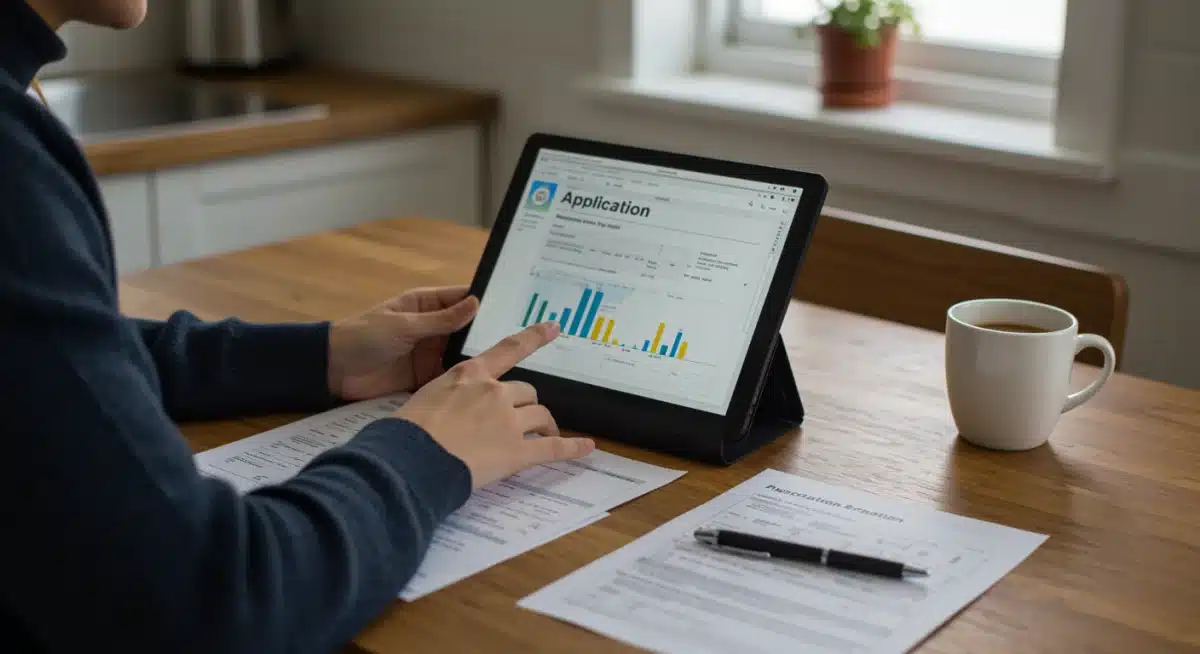
Key Documents to Prepare
- Proof of Identity: Driver’s license, state ID, passport, or birth certificate for all household members.
- Proof of Residency: Utility bill, rent receipt, lease agreement, or mail with your current address.
- Proof of Income: Pay stubs (most recent 30 days), employer statements, Social Security benefits letter, pension statements, child support orders, or unemployment benefits letters for all income sources.
- Proof of Resources: Bank statements (checking and savings), stock certificates, or other asset documentation.
- Proof of Expenses: Rent or mortgage statements, utility bills (electricity, gas, water), medical bills (for elderly/disabled members), child care receipts, and child support payments.
- Social Security Numbers: For all household members applying for benefits.
It’s advisable to make copies of all documents and keep the originals safe. Some agencies may allow you to upload digital copies, while others might require physical submission or an in-person review. Being prepared with both physical and digital formats, if possible, can streamline the process. A thorough collection of these documents will lay a strong foundation for a successful SNAP application.
The Step-by-Step Application Process for 2025
Applying for SNAP benefits involves a series of steps, each designed to ensure that assistance reaches those who genuinely need it. While the exact method may vary slightly by state, the general process remains consistent. Understanding these steps will guide you through successfully submitting your application to claim your 2025 SNAP benefits.
The application journey typically begins with accessing the application form, which can often be done online, in person, or by mail. After completing the form, you’ll submit it along with your supporting documents. The agency will then review your information, potentially conduct an interview, and ultimately make an eligibility determination. Each stage is crucial and requires careful attention to detail.
Navigating the Application Stages
- Obtain the Application Form: Visit your state’s SNAP agency website, call their hotline, or visit a local office to get an application. Many states offer online applications.
- Complete the Application: Fill out the form accurately and completely, providing all requested information about your household, income, and expenses. Be honest and thorough.
- Submit Documents: Attach all the supporting documents you gathered. Ensure all copies are clear and legible.
- Interview: Most applicants will undergo an interview, either by phone or in person, with a caseworker. This is an opportunity to clarify information and ask questions.
- Eligibility Determination: The agency will review your application and interview information to determine if you are eligible and the amount of benefits you will receive.
- Receive EBT Card: If approved, you will receive an Electronic Benefits Transfer (EBT) card, which functions like a debit card, to use at authorized grocery stores.
It’s important to respond promptly to any requests for additional information from the SNAP agency. Delays in providing requested documents or attending scheduled interviews can prolong the application process or even lead to denial. Many states also offer assistance in completing applications through community organizations or local SNAP offices. Don’t hesitate to seek help if you encounter difficulties during any part of the process.
Maximizing Your SNAP Benefits: Practical Tips
Receiving SNAP benefits is a significant help, but understanding how to maximize their impact can further enhance your household’s food security. Beyond simply using your EBT card, there are several practical strategies you can employ to make your benefits go further and ensure you’re getting the most out of the program in 2025. These tips focus on smart shopping, understanding eligible purchases, and leveraging additional resources.
One of the most effective ways to maximize your benefits is through careful meal planning and smart grocery shopping. This involves creating a budget, making a shopping list, and taking advantage of sales and discounts. By being strategic with your purchases, you can stretch your SNAP dollars to cover more meals and ensure a more nutritious diet for your family. Additionally, knowing exactly what items are eligible for purchase with SNAP can prevent frustrating checkout experiences.
Strategies for Greater Impact
- Meal Planning and Budgeting: Plan your meals for the week or month, create a detailed shopping list, and stick to it to avoid impulse buys.
- Shop Sales and Use Coupons: Combine SNAP benefits with store sales, loyalty programs, and digital coupons for extra savings.
- Buy in Bulk (When Practical): For non-perishable items or items you use frequently, buying larger quantities can often be more cost-effective.
- Farmers Markets: Many farmers markets accept SNAP/EBT and some even offer matching programs (e.g., Double Up Food Bucks) that double your purchasing power for fresh produce.
- Understand Eligible Foods: SNAP benefits can be used for most food items, including fruits, vegetables, meat, dairy, bread, and non-alcoholic beverages. They cannot be used for hot foods, alcohol, tobacco, or non-food items.
- Healthy Choices: Prioritize nutrient-dense foods like fresh produce, lean proteins, and whole grains to boost your family’s health.
Beyond shopping strategies, regularly checking your balance and understanding your benefit issuance schedule can help you manage your funds effectively. Some states also offer nutrition education programs that provide valuable information on healthy eating on a budget. By implementing these practical tips, you can significantly enhance the value of your SNAP benefits and improve your household’s overall well-being.
Recertification and Maintaining Your SNAP Benefits
Receiving SNAP benefits is not a one-time event; it requires periodic recertification to ensure continued eligibility. This process is crucial for maintaining your food assistance and ensuring there are no interruptions in your benefits. Understanding the recertification timeline and requirements for claim your 2025 SNAP benefits is just as important as the initial application.
The recertification period typically ranges from six months to two years, depending on your state and household circumstances. You will usually receive a notice in the mail indicating when your recertification is due. It’s imperative to respond to this notice promptly and complete the required forms and interviews by the deadline. Failing to recertify on time can lead to a temporary or permanent loss of benefits.
The Recertification Process
- Receive Recertification Notice: Your state SNAP agency will send you a notice before your certification period ends, informing you that it’s time to recertify.
- Complete Recertification Form: Fill out the recertification application, which will ask for updated information on your household, income, and expenses.
- Submit Updated Documents: Provide any new or updated documentation, such as recent pay stubs, updated utility bills, or changes in household composition.
- Interview (If Required): Similar to the initial application, you may be required to complete an interview with a caseworker to review your updated information.
- Re-determination: The agency will review your recertification and determine if you continue to be eligible and for what benefit amount.
It’s also vital to report any significant changes in your household circumstances, such as a change in income, household members, or address, as these can affect your eligibility or benefit amount. Promptly reporting these changes helps prevent overpayments or underpayments of benefits. By staying proactive and organized with your recertification, you can ensure a continuous flow of food assistance for your family.
| Key Aspect | Brief Description |
|---|---|
| Eligibility | Based on income, resources, and household size, with state-specific variations. |
| Application | Online, in-person, or mail submission with required documentation and an interview. |
| Maximizing Benefits | Strategic shopping, meal planning, utilizing sales, and understanding eligible items. |
| Recertification | Periodic renewal process to ensure continued eligibility and prevent benefit interruption. |
Frequently Asked Questions About 2025 SNAP Benefits
While specific federal changes for 2025 are typically announced closer to the year, adjustments are often made to income eligibility thresholds, maximum benefit allotments, and certain deduction rules, primarily due to inflation and economic factors. State agencies will provide detailed local updates.
Eligibility is primarily based on your household’s gross and net income, resources, and household size. You can check your state’s SNAP agency website or use an online pre-screening tool often provided by state or federal resources to get an initial assessment of your eligibility.
You will need proof of identity, residency, all sources of income, resources like bank statements, and certain expenses such as rent and utilities. Having these documents prepared in advance will significantly streamline your application process.
Most states offer online application portals for SNAP benefits, allowing you to complete and submit your application digitally. You can find links to your state’s online application through your state’s SNAP agency website or the USDA’s FNS website.
If your SNAP benefits are expiring, you must complete the recertification process. Your state agency will send a notice with instructions and deadlines. It’s crucial to submit the recertification form and any updated documents promptly to avoid an interruption in your benefits.
Conclusion
Successfully navigating the process to claim your 2025 SNAP benefits is an empowering step towards ensuring food security for yourself and your family. By staying informed about potential program changes, understanding eligibility criteria, meticulously preparing your documentation, and engaging proactively with the application and recertification processes, you can unlock and maximize this vital food assistance. Remember that resources are available to help you every step of the way, from state agencies to local community organizations. Taking these practical steps not only secures essential support but also contributes to a healthier and more stable household future.