climate adaptation funding for cities: unlock urgent grants

climate adaptation funding for cities requires clear problem definition, measurable outcomes, realistic budgets, and committed partners; prioritize pilots with local revenue for maintenance, secure letters of support, and present concise monitoring indicators to increase chances of grants, loans, or blended finance.
climate adaptation funding for cities can feel overwhelming. Wondering where to start with grants, loans, and partnerships? This short guide offers clear, practical steps and common mistakes to avoid so your team can move faster.
Where funding comes from and how cities qualify
climate adaptation funding for cities often comes from diverse sources, each with its own rules and timelines. Understanding who pays and what they expect speeds up planning.
This section explains main funders, typical eligibility points, and practical steps cities can take to qualify for support.
major funding sources
National governments and multilateral banks fund large infrastructure and resilience programs. Foundations and climate funds back pilot projects and community engagement. Private investors join through blended finance and public‑private partnerships.
typical eligibility criteria
Funders look for clear need, measurable outcomes, and strong local capacity. They also prefer projects with co‑financing or demonstrated community support.
- Clear problem statement: evidence of risk, like flood maps or heat data.
- Deliverable outcomes: metrics for resilience, such as reduced flood days.
- Financial plan: realistic budgets, co‑funding, and maintenance plans.
- Stakeholder buy‑in: letters or agreements from partners and residents.
Smaller grants favor proof‑of‑concept and community benefits. Larger loans expect technical designs and long‑term revenue or savings to pay back the debt. Knowing which tier your project fits saves time.
how to match projects to funders
Map each project to the right funder type. Use a simple table or checklist to compare scope, size, and timeline against funder priorities.
- Short pilot projects → foundations or small climate funds.
- Medium projects with local revenue → blended finance or development agencies.
- Large infrastructure → national budgets and multilateral banks.
Prepare a basic project sheet: objective, cost, timeline, partners, and simple metrics. This sheet helps when discussing opportunities with funders.
Work with local stakeholders early. Community support and municipal commitment often tip a decision in your favor. Regularly update data and keep technical plans proportionate to the funding amount requested.
Finally, build quick wins that show impact. Small, visible improvements make it easier to secure larger funds later.
In short, identify which funders match your scale, meet clear eligibility needs, and present a concise plan with partners and measurable outcomes to improve your chances.
Crafting competitive proposals: what funders look for

climate adaptation funding for cities proposals must show clear problems and realistic solutions. Funders want plans that are specific, measurable, and doable.
Keep language plain, show evidence, and link actions to outcomes so reviewers can see impact quickly.
clear objectives and measurable outcomes
Define one or two main goals and tie them to simple metrics. For example, reduce flooded days, increase green cover, or cut emergency costs.
Use baseline data and realistic targets over a set timeline.
technical feasibility and cost realism
Describe the main activities, required permits, and who will build and maintain the work. Include a concise budget that matches the scope.
- Simple budget lines: construction, design, monitoring, and contingency.
- Phased costs: show costs by stage so funders see the plan to scale.
- Maintenance: explain who pays for upkeep and how it is funded.
- Permits and approvals: list key steps and who is responsible.
Strong proposals balance technical detail with clarity. Avoid long technical appendices without a short summary that nonexperts can read in one page.
Partnerships matter. Name co‑funders, local agencies, and community groups. Letters of support should be concise and tied to roles and resources.
risk, monitoring and social impact
Identify main risks and simple mitigation steps, like backup sites or phased delivery. Explain how you will track progress with a few key indicators.
- Risk register: list top 3 risks and responses.
- Monitoring: 2–4 indicators with data sources and frequency.
- Social benefits: jobs, health gains, or reduced displacement.
Use plain charts or a one‑page logic model to show the flow from activities to outcomes. Funders often weigh social benefits and equity as heavily as technical gains.
Finally, craft a clear narrative that ties need, solution, and impact. Use short examples or pilot results to prove feasibility. Keep attachments relevant and labeled so reviewers can verify claims quickly.
Focus on concise goals, realistic budgets, credible partners, and simple monitoring. This combination raises your chance of winning support for climate adaptation work in cities.
Financing models, partnerships and local revenue options
climate adaptation funding for cities can use many financing models and local revenue options. Choosing the right mix helps projects start and scale.
This section shows common models, smart partnership choices, and realistic local revenue ideas you can apply quickly.
common financing models
Understand core options so you can match funds to project size and timing.
- Grants: nonrepayable funds for pilots, planning, and community work.
- Loans: low‑interest or concessional loans for larger infrastructure.
- Blended finance: mixes grants, loans, and private capital to reduce risk.
- Green bonds: city bonds labeled for climate projects, attractive to investors.
Each model has trade‑offs: grants lower risk but are limited; loans need repayment plans; blended finance requires clear roles for each partner.
partnership types and roles
Partnerships bring expertise, money, and delivery power. Pick partners who fill clear gaps.
- Public agencies: provide permits, policy support, and sometimes seed funds.
- Private sector: offers capital, construction skills, and long‑term maintenance.
- NGOs and foundations: fund pilots, community outreach, and capacity building.
- Community groups: ensure local buy‑in and help monitor social impact.
Define roles early. A short memorandum or project sheet can avoid confusion and speed approvals.
Local revenue matters for sustainability. Think of small, steady streams rather than one large source. Examples include modest user fees, targeted taxes, or dedicated surcharges tied to resilience services.
Use clear rules for revenue use. Ring‑fence funds for maintenance and monitoring so the project stays effective after construction.
practical local revenue options
Match revenue to your context and equity goals. Small fees can fund upkeep without harming low‑income residents.
- Stormwater fees: charges based on impermeable surface area to fund drainage and green infrastructure.
- Tourism or parking levies: small surcharges that support coastal or urban resilience projects.
- Property tax increments: capture some value from improvements near resilience works.
Consider phased approaches: start with a grant or seed loan, pilot a local fee, then scale with a bond or blended finance once you show results.
Transparent accounting and simple performance reports help keep partners and residents confident. Use short public updates and clear indicators tied to funding rules.
In practice, combine models: seed grants to test, local revenues for upkeep, and loans or bonds for expansion. Good partnerships and clear revenue rules make that mix work.
Common pitfalls and quick actions cities can take now
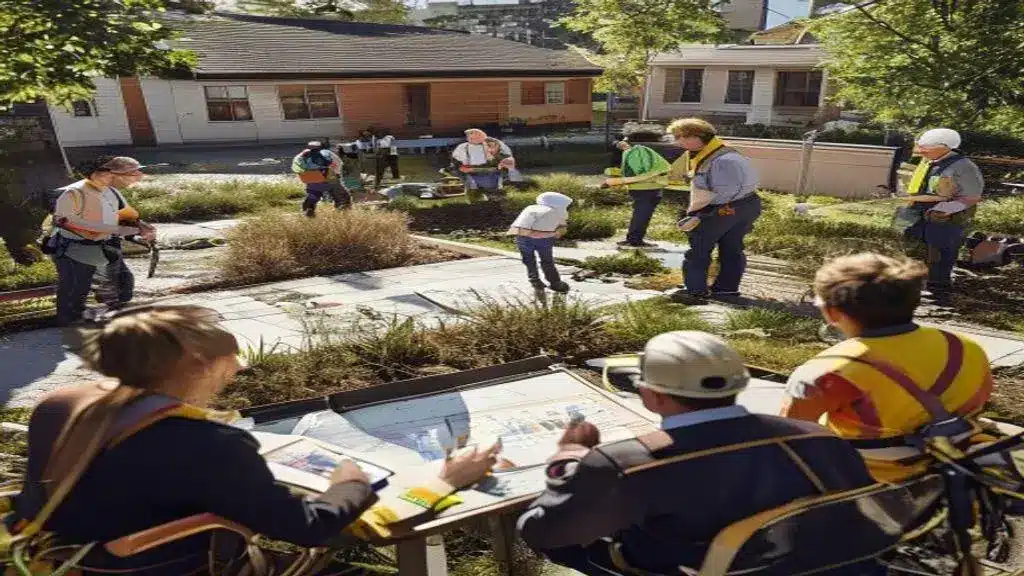
climate adaptation funding for cities projects often fail for predictable reasons. Spotting those pitfalls early lets teams act fast and protect chances of funding.
Here are common mistakes and quick, practical steps cities can take now to show progress and build trust with funders.
data and scope problems
Weak or missing data makes proposals look risky. Funders need clear evidence of the problem and realistic project size.
- Use simple baseline data: one page with key metrics like flood days or heat indices.
- Right‑size the scope: match the project to the funder’s typical grant size.
- Document assumptions: list key data sources and any gaps openly.
Fixes are fast: update a map, add one monitoring station, or produce a short evidence sheet. Small data steps reduce reviewer questions.
procurement and capacity bottlenecks
Long procurement rules and thin technical teams delay delivery. Funders worry about execution as much as design.
- Simplified procurement: use clear templates and pre‑approved vendor lists for small works.
- Short contracts: hire technical advisors for 3–6 month blocks to speed design.
- Train staff: quick workshops on grant reporting and contract management.
Partner with local universities or NGOs to fill short gaps. Outsource only what you can’t build in‑house to keep control and speed.
Community opposition or poor engagement is another common pitfall. Skipping outreach creates delays and legal challenges. Start with short, visible consultations and a one‑page summary for residents.
Funding mismatches also block progress. Asking a multilateral bank to fund a tiny pilot, or a small foundation for major infrastructure, wastes time. Map projects to funders before you write full proposals.
quick actions cities can take now
Small, visible wins build credibility. Funders like to see progress and realistic plans for scaling.
- Pilot a low‑cost intervention: a rain garden or permeable paving to show impact.
- Create a one‑page project sheet: objective, cost, timeline, partners, and 2 indicators.
- Secure letters of support: short notes from partners confirming roles and resources.
- Set simple monitoring: 2–3 indicators with monthly or quarterly checks.
These quick steps reduce risk in the eyes of funders and help unlock larger finance later. Keep records brief, clear, and focused on outcomes.
Act now by tightening data, simplifying procurement, engaging communities, and proving impact with a small pilot. These moves make a proposal stronger and speed access to climate adaptation funding for cities.
In short, funders back clear, realistic plans that show quick impact and long-term value. Start small, build strong partnerships, and track a few simple metrics to boost credibility and unlock larger climate adaptation funding for cities.
FAQ – climate adaptation funding for cities
Where can cities find potential funders for adaptation projects?
Start with national climate programs, multilateral banks, foundations, and local green funds. Also check bilateral aid, public‑private partnerships, and climate-focused donor portals.
What makes a proposal stand out to funders?
Clear problem definition, simple measurable outcomes, realistic budget, and named partners. Include baseline data and a one‑page summary for quick review.
Which local revenue options work best for upkeep?
Small, steady streams like stormwater fees, parking or tourism levies, and property tax increments. Ring‑fence funds for maintenance and equity protections.
How can a city act fast with limited capacity?
Do a small pilot, create a one‑page project sheet, secure letters of support, and hire short‑term technical advisors. These steps show progress and attract larger funds.