Energy transition jobs in U.S. Midwest are booming
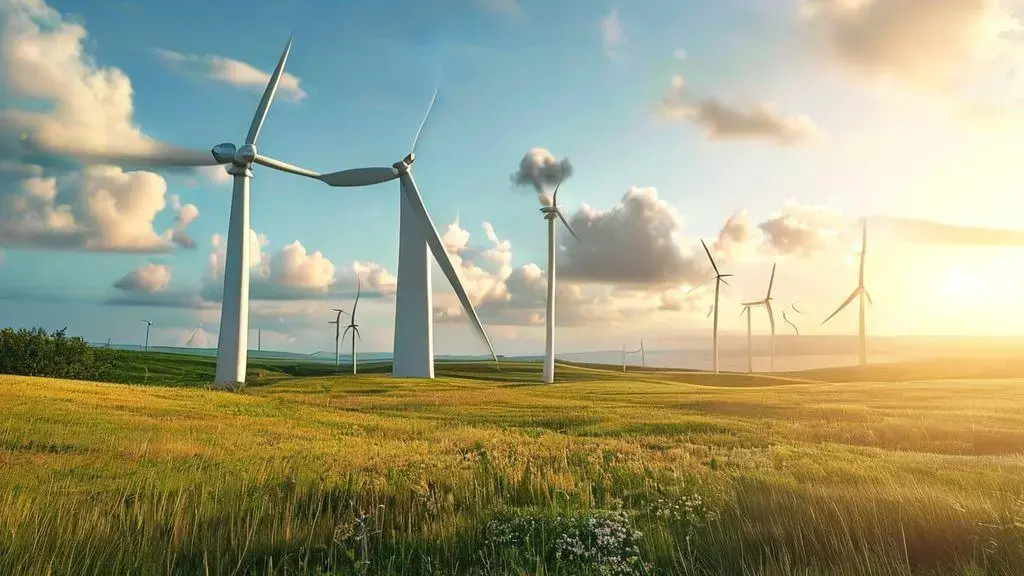
The energy transition jobs in the U.S. Midwest are experiencing significant growth, driven by renewable energy investments, technological advancements, and an increasing demand for sustainability, providing diverse career opportunities for skilled workers.
Energy transition jobs in U.S. Midwest are at the forefront of a significant shift toward sustainable practices. As industries evolve, many are left wondering how this change impacts the job market and what it means for the future.
Understanding the energy transition landscape
The landscape of the energy transition is changing rapidly, especially in the U.S. Midwest. With a focus on renewable sources, we are witnessing a shift in how energy is produced and consumed.
As traditional industries adapt, new opportunities arise. The region is a hub for clean energy initiatives, pushing forward innovative technologies and creating jobs.
Key Components of the Energy Transition
Several elements are driving this change. Understanding these components helps clarify the direction of the energy sector.
- Renewable Energy Sources: Wind, solar, and hydroelectric power are becoming mainstream.
- Government Policies: Regulations and incentives are crucial for supporting clean energy investments.
- Technological Innovations: Advances in storage and efficiency are making renewables more viable.
- Public Awareness: Increasing demand from consumers for sustainable options drives change.
This transition is not just about technology; it’s also about social impact. Many communities are benefiting from the shift toward a greener economy. Initiatives in education and training are crucial for preparing the workforce for the jobs that lie ahead.
The role of education cannot be overstated. Training programs in the Midwest are evolving to meet the demand for skilled workers in the renewable energy field.
The Impact on Employment
As the energy transition progresses, job creation is an essential factor. More jobs in sectors like manufacturing, installation, and maintenance of renewable energy systems are appearing. These jobs often require a mix of skilled trade knowledge and technological proficiency.
In the coming years, the Midwest is expected to see significant growth in these areas, with many workers needing to pivot from traditional energy sectors. This transition may feel daunting, but with the right support and resources, it can lead to a robust job market that benefits local communities.
Key sectors driving job growth
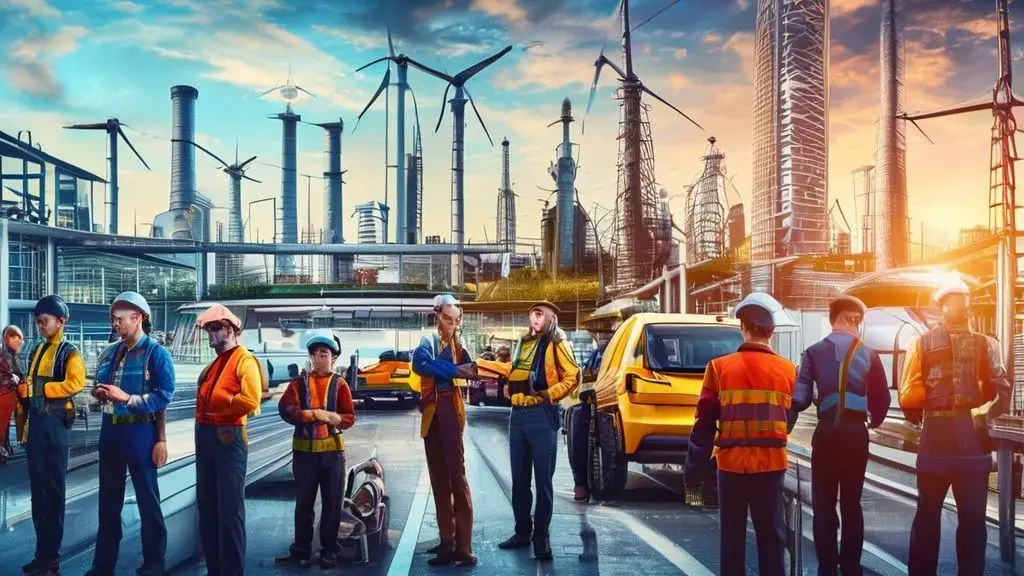
As the focus on the energy transition grows, several key sectors are emerging as major drivers of job growth in the U.S. Midwest. These sectors are essential for adaptation and innovation in the evolving energy landscape.
Many companies are investing in renewable energy, which includes solar, wind, and bioenergy. This transformation is creating jobs not only in installations but also in research and development, manufacturing, and maintenance.
Renewable Energy Sector
Renewable energy has become a vital part of the Midwest’s job market. With more wind farms and solar fields being developed, the demand for skilled workers is high.
- Wind Energy: Technicians and engineers are needed to design, install, and maintain wind turbines.
- Solar Energy: Installers and project managers are crucial for setting up solar panels in homes and businesses.
- Bioenergy: This sector involves converting organic materials into fuel, requiring specialists in waste management and energy production.
- Energy Efficiency: Professionals who can improve energy usage in buildings are gaining importance.
Another noteworthy sector is energy storage. As renewable sources generate power, efficient storage solutions are necessary to ensure a steady energy supply when the sun isn’t shining or the wind isn’t blowing. This demand has spurred innovation and job creation in battery technology and grid management.
Additionally, the electric vehicle (EV) market is contributing significantly to job growth. With a rise in EV manufacturing and infrastructure development, jobs in automotive engineering, sales, and support services are expanding. This change is critical as the automotive industry shifts towards greener transportation options.
Construction and Manufacturing
The construction and manufacturing sectors are also transforming as they align with the goals of the energy transition. Construction firms are increasingly focused on building energy-efficient structures and retrofitting existing ones. This results in various job opportunities in project management, architecture, and skilled trades.
Manufacturing is adapting to new energy technologies by incorporating sustainable practices. Companies that produce energy-efficient appliances or components for renewable energy installations are contributing to a greener economy and creating jobs along the way.
Skills needed for new energy jobs
As the demand for new energy jobs grows, so does the need for specific skills that can meet the challenges of the energy transition. Understanding these skills can help workers prepare for the jobs of tomorrow.
Many positions require a blend of technical knowledge and problem-solving abilities. This is especially true in sectors like renewable energy, where advancements are rapid.
Technical Skills
Technical skills are essential for anyone entering the new energy workforce. Workers need to grasp various technologies and tools that support energy efficiency and renewable sources.
- Understanding Renewable Technologies: Familiarity with solar panels, wind turbines, and battery storage systems is vital.
- Data Analysis: The ability to analyze data related to energy consumption and production can lead to improvements in efficiency.
- Installation Techniques: Hands-on skills for installing energy systems are critical for success in this field.
- Maintenance Knowledge: Knowing how to maintain equipment ensures that energy resources operate smoothly.
In addition to technical skills, soft skills are equally important. These skills help workers navigate various situations in the workplace and communicate effectively.
Soft Skills
Soft skills often set candidates apart in a competitive job market. They help individuals work better in teams and adapt to changes quickly.
- Communication: Clear communication is necessary for collaboration among team members and stakeholders.
- Problem-Solving: The ability to troubleshoot issues as they arise is crucial in the fast-paced energy sector.
- Adaptability: As technology evolves, workers must be willing to learn new skills and processes.
- Project Management: Understanding how to manage timelines and resources can contribute to project success.
Moreover, ongoing education and certification can enhance job prospects. Many institutions offer programs focusing on renewable energy, sustainability, and energy management. These programs prepare individuals with the knowledge and skills to succeed in this promising field.
Being proactive about learning can significantly improve a candidate’s ability to secure employment in the evolving landscape of energy jobs. Certifications in specific technologies or project management can be a strong asset.
Future outlook for energy transition employment

The future outlook for energy transition employment in the U.S. Midwest is filled with promise and opportunities. As renewable energy continues to gain momentum, job creation in this sector is expected to rise significantly.
Many experts predict that as more companies invest in clean energy technologies, the job market will expand. This growth spans various sectors, including solar, wind, and energy efficiency.
Job Growth Projections
According to recent studies, jobs in the renewable energy sector are projected to grow at a faster rate than in traditional energy industries. This trend can be attributed to several factors.
- Government Policies: Supportive policies at local, state, and federal levels are driving investments in renewables.
- Corporate Responsibility: Companies are increasingly committed to sustainability, leading to more green jobs.
- Technological Advancements: Innovations in clean energy make it more viable, attracting both businesses and workers.
- Public Demand: As consumers demand cleaner energy options, businesses are responding by expanding their renewable offerings.
As these sectors grow, they will lead to a diverse range of job opportunities. Many roles will not only focus on the installation and maintenance of energy systems but also on research, innovation, and policy-making.
Emerging Roles in the Energy Sector
New roles will continue to emerge as the energy landscape evolves. Professionals specializing in energy management, battery storage solutions, and smart grid technology will be in high demand.
Furthermore, education and training programs will be essential in preparing the workforce. Community colleges and universities are already designing curricula to equip students with the skills necessary for these new roles.
As we approach the next decade, maintaining a focus on education and training will ensure that workers are ready to take advantage of the opportunities that arise in the energy transition.
Investment in skills development will not only benefit individuals but also contribute to overall economic growth in the Midwest. Workers who adapt to the changing industry will find themselves at the forefront of a sustainable future.
FAQ – Frequently Asked Questions about Energy Transition Jobs
What types of jobs are emerging in the energy transition?
Jobs are emerging in fields like renewable energy installation, energy management, and research and development.
What skills are important for new energy jobs?
Both technical skills related to renewable technologies and soft skills like communication and problem-solving are crucial.
How can I prepare for a career in the energy sector?
Consider enrolling in training programs focused on renewable energy, and work on building relevant skills.
Why is the energy transition important for the economy?
The energy transition creates jobs, boosts innovation, and promotes sustainability, which are essential for economic growth.