Major Infrastructure Bill Funds: Top 10 States Benefiting in 2026
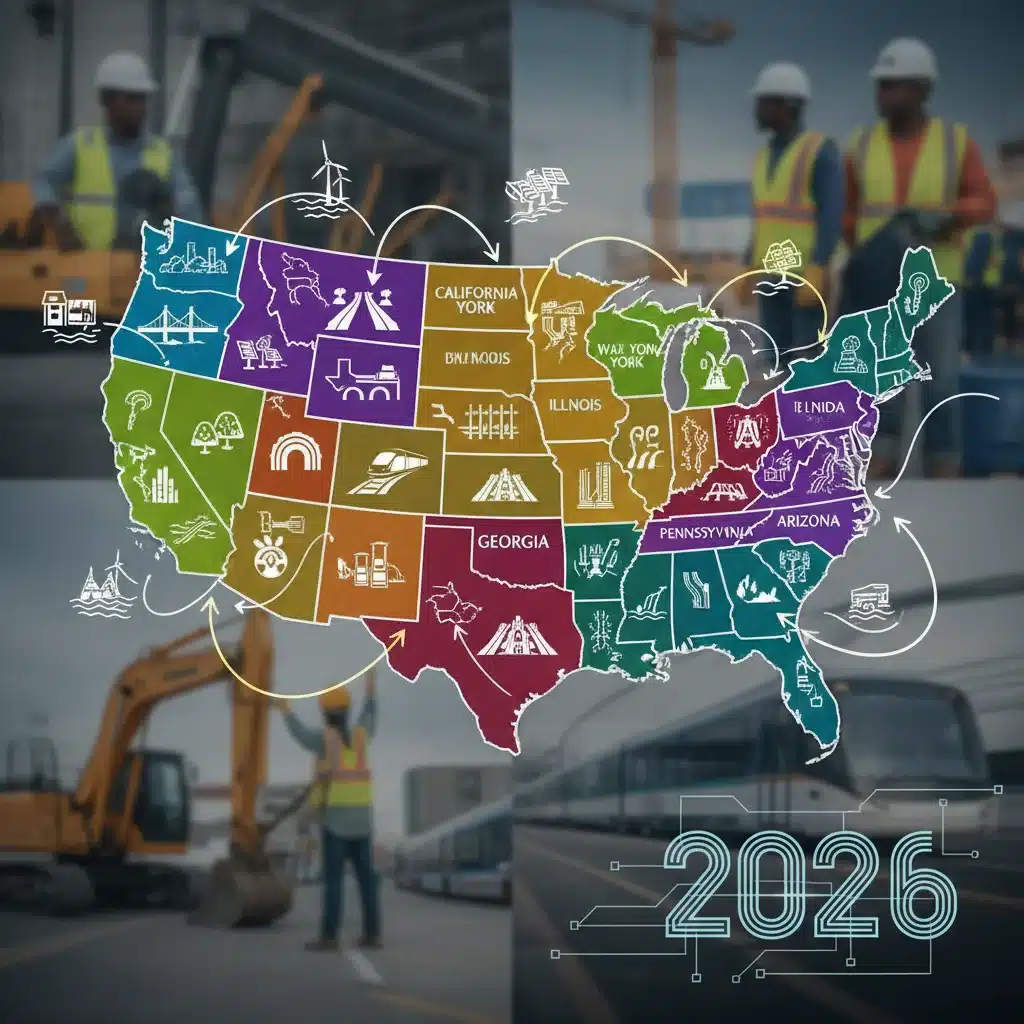
Alert: Major Infrastructure Bill Funds Allocated for 2026 Projects, See the 10 Key States Benefiting First
The United States is on the cusp of a transformative era for its infrastructure. With the monumental Infrastructure Investment and Jobs Act (IIJA) now in full swing, the year 2026 is set to mark a pivotal moment, as significant tranches of infrastructure bill funds are being strategically allocated. This historic legislation, designed to rebuild America’s roads, bridges, public transit, water pipes, broadband internet, and more, is not just about concrete and steel; it’s about fostering economic growth, creating jobs, enhancing public safety, and ensuring America’s global competitiveness for decades to come.
The sheer scale of this investment means that every state will see some benefit, but some are poised to receive a disproportionately large share of the initial wave of funding in 2026. These key states, identified through a combination of existing infrastructure needs, population density, strategic project proposals, and a proactive approach to securing federal grants, are set to become the blueprints for successful infrastructure modernization. Understanding which states are at the forefront and why is crucial for businesses, local governments, and citizens alike.
This comprehensive article will delve into the specifics of the infrastructure bill funds, spotlighting the top 10 states that are slated to receive the most substantial allocations in 2026. We will explore the types of projects these funds will support, the anticipated economic impacts, and the long-term vision behind these critical investments. Prepare to discover how these funds are shaping the future of American infrastructure, one state at a time.
Understanding the Infrastructure Investment and Jobs Act (IIJA)
Before we dive into the specific states, it’s essential to grasp the magnitude and scope of the IIJA. Signed into law in November 2021, this bipartisan act represents the largest long-term investment in American infrastructure in generations. It allocates over $1.2 trillion, with approximately $550 billion in new federal investment, over five years to improve various sectors. These infrastructure bill funds are not merely a one-time injection; they represent a sustained commitment to addressing long-neglected needs and preparing the nation for future challenges.
Key Pillars of the IIJA Funding
The IIJA focuses on several critical areas:
- Transportation: Roads, bridges, major projects, public transit, passenger rail, and airports. This is often the most visible aspect of infrastructure spending.
- Water Infrastructure: Replacing lead pipes, improving water quality, and investing in clean drinking water projects.
- Broadband Internet: Expanding access to reliable, affordable high-speed internet, particularly in rural and underserved areas.
- Power and Grid: Modernizing the electric grid, promoting clean energy, and enhancing grid resilience.
- Resilience: Investing in projects that protect against cyberattacks and the impacts of climate change, such as extreme weather events.
- Environmental Remediation: Cleaning up superfund and brownfield sites.
The allocation of these infrastructure bill funds is a complex process, involving formula funding distributed directly to states, as well as competitive grants that states and local entities must apply for. States that have robust plans, shovel-ready projects, and the administrative capacity to manage large federal grants are often better positioned to secure more funding.
The Selection Criteria for 2026 Beneficiaries
Identifying the top 10 states benefiting first from the 2026 infrastructure bill funds involves analyzing several factors:
- Existing Infrastructure Deficiencies: States with a high number of structurally deficient bridges, aging water systems, or significant public transit needs are often prioritized.
- Population and Economic Activity: Densely populated states or those with major economic hubs often require more extensive and complex infrastructure to support their growth.
- Strategic Project Proposals: States that have developed well-researched, impactful, and environmentally sound project proposals are more likely to win competitive grants.
- Readiness to Implement: The ability of a state to quickly and efficiently initiate and complete projects is a key consideration for federal agencies.
- Bipartisan Support: While the bill itself was bipartisan, strong local and state-level bipartisan support for specific projects can also streamline funding processes.
It’s important to note that the exact figures can fluctuate as projects are approved and grants are awarded. However, based on current projections, historical funding patterns, and announced projects, we can identify a strong contender list for the states receiving the most significant initial boosts in 2026.
The Top 10 States Benefiting from 2026 Infrastructure Bill Funds
Here’s a closer look at the states projected to receive substantial infrastructure bill funds in 2026, and the types of projects they are focusing on:
1. California: A Hub of Innovation and Need
California, with its vast population, extensive transportation networks, and susceptibility to climate-related challenges, is set to receive a significant portion of infrastructure bill funds. The state is focusing on high-speed rail development, port modernization, extensive bridge repairs, and wildfire resilience projects. The sheer scale of its economy and its commitment to green infrastructure make it a prime candidate for substantial investments. Projects include expanding public transit in major metropolitan areas like Los Angeles and the Bay Area, upgrading water conveyance systems in drought-prone regions, and enhancing the state’s electric grid to support renewable energy integration.
2. Texas: Fueling Growth and Connectivity
Texas’s booming population and expanding economy necessitate robust infrastructure. The state is expected to receive considerable infrastructure bill funds for highway expansion, port upgrades along the Gulf Coast, and significant investments in water infrastructure to support its rapidly growing urban centers. The focus will also be on improving freight rail corridors and enhancing cybersecurity for critical infrastructure, reflecting its role as a major energy producer and logistics hub. The state’s proactive approach to securing competitive grants for large-scale transportation projects further solidifies its position.
3. New York: Rebuilding and Modernizing Iconic Infrastructure
New York, home to some of the nation’s oldest and most iconic infrastructure, is a major recipient of infrastructure bill funds. Priorities include the Gateway Program for passenger rail, extensive repairs to aging bridges and tunnels, modernization of the New York City subway system, and investments in climate resilience projects along its coastlines. The state’s critical role in national and international commerce means that investments here have ripple effects across the country. Significant attention is also being paid to expanding broadband access in upstate and rural areas.
4. Florida: Preparing for Growth and Climate Challenges
Florida’s rapid population growth and vulnerability to hurricanes make infrastructure investment critical. The state is slated to receive substantial infrastructure bill funds for coastal resilience projects, highway improvements, and expansions of its public transit systems. Efforts to upgrade its stormwater management systems and protect vital coastal ecosystems will also be key areas of focus. The state’s numerous ports and tourism industry also benefit from improved transportation links.
5. Pennsylvania: Bridging the Gap
Pennsylvania has one of the highest numbers of structurally deficient bridges in the nation, making it a prime target for infrastructure bill funds dedicated to bridge repair and replacement. Beyond bridges, the state will see investments in improving its aging water infrastructure, expanding broadband access in rural communities, and upgrading its freight rail networks, which are crucial for its industrial base. The state’s strategic location in the Northeast corridor also makes it a key beneficiary for rail and highway improvements.
6. Illinois: A Midwestern Transportation Hub
As a major transportation hub for the Midwest, Illinois is set to receive significant infrastructure bill funds. Projects will focus on modernizing Chicago’s O’Hare International Airport, improving freight and passenger rail lines, repairing highways, and upgrading water and wastewater treatment facilities. The state’s extensive river systems also necessitate investments in waterway infrastructure. The state is also pushing for competitive grants to address lead pipe replacement in older urban areas.
7. Ohio: Industrial Revival Through Infrastructure
Ohio’s industrial heritage means it has a considerable need for infrastructure modernization. The state is expected to utilize infrastructure bill funds for bridge and road repairs, improvements to its port facilities along Lake Erie, and investments in advanced manufacturing infrastructure. Efforts to expand broadband access in underserved areas and upgrade the state’s electric grid for resilience are also high priorities. The focus on revitalizing industrial areas through improved transport links is a key strategy.
8. Michigan: Connecting Communities and Industries
Michigan’s diverse geography and strong manufacturing sector make it a significant recipient of infrastructure bill funds. Projects include extensive road and bridge repairs, particularly in its northern regions, investments in electric vehicle charging infrastructure, and upgrades to its water systems. The state is also keen on expanding broadband access to connect its rural communities and support remote work and education. The state’s unique position bordering the Great Lakes also brings specific water infrastructure needs.
9. Georgia: Southern Growth and Logistics
Georgia’s rapid growth and its role as a major logistics hub in the Southeast make it a key beneficiary of infrastructure bill funds. The state will see investments in expanding its highway networks, modernizing the Port of Savannah, and improving public transit options in metropolitan areas like Atlanta. Water infrastructure improvements to support its growing population and efforts to enhance grid resilience are also high on the agenda. The state’s proactive pursuit of competitive grants for innovative transportation solutions has been notable.
10. North Carolina: Balancing Development and Preservation
North Carolina is experiencing significant population growth and is focusing its infrastructure bill funds on balancing development with environmental preservation. Key projects include highway improvements, coastal resilience initiatives to protect against rising sea levels and hurricanes, and expanded broadband access, especially in its mountainous and rural areas. Investments in public transit in its rapidly growing urban centers are also a priority, as is the modernization of its energy grid to support renewable sources.
Types of Projects Funded by Infrastructure Bill Funds in 2026
The infrastructure bill funds allocated in 2026 will support a diverse array of projects. While each state has its unique priorities, common themes emerge across the board:
Roads and Bridges
This category receives the largest share of funding. Projects range from simple resurfacing to complex bridge replacements and the construction of new highway lanes to alleviate congestion. The goal is not just to fix existing problems but to build smarter, more resilient transportation networks that can withstand future demands and climate impacts. This includes incorporating smart road technologies and advanced materials.
Public Transit Modernization
Many urban areas will see significant investments in their public transit systems. This includes upgrading aging subway cars, expanding bus rapid transit lines, and improving accessibility. The aim is to make public transportation a more attractive and efficient option, reducing traffic congestion and carbon emissions. Funding also supports innovative transit solutions like autonomous shuttles in pilot programs.
Water Infrastructure Improvements
Replacing lead service lines, improving wastewater treatment plants, and enhancing water storage and distribution systems are critical. These projects ensure access to clean, safe drinking water for all communities, particularly those historically underserved. Investments in water recycling and desalination technologies are also being explored in drought-prone regions.
Broadband Expansion
Access to high-speed internet is no longer a luxury but a necessity. The infrastructure bill funds will help connect millions of Americans, especially in rural and low-income areas, to reliable and affordable broadband. This includes laying fiber optic cables, building out wireless infrastructure, and providing subsidies for internet access. This digital infrastructure is crucial for education, healthcare, and economic opportunity.
Electric Grid Modernization and Clean Energy
Investments in the electric grid aim to make it more resilient against extreme weather and cyberattacks, while also integrating more renewable energy sources. This includes upgrading transmission lines, deploying smart grid technologies, and supporting the development of battery storage solutions. Funding also supports the build-out of electric vehicle charging networks across the country, a vital step towards a greener transportation future.
Climate Resilience and Environmental Remediation
Projects focused on climate resilience include building sea walls, restoring wetlands, and developing early warning systems for natural disasters. Environmental remediation efforts target the cleanup of contaminated sites, transforming them into productive community assets. These investments are crucial for protecting communities and ecosystems from the escalating impacts of climate change.

Economic Impact and Future Outlook of Infrastructure Bill Funds
The allocation of these substantial infrastructure bill funds in 2026 is expected to have far-reaching economic impacts, both nationally and within the benefiting states.
Job Creation
Infrastructure projects are inherently labor-intensive. The influx of funding will create hundreds of thousands, if not millions, of direct and indirect jobs across various sectors, including construction, engineering, manufacturing, and logistics. These jobs are often well-paying and provide opportunities for skilled trades and apprenticeships, contributing to workforce development.
Economic Boost and Competitiveness
Improved infrastructure reduces transportation costs, enhances supply chain efficiency, and attracts new businesses. This leads to increased productivity, higher wages, and overall economic growth. Modern infrastructure also makes the U.S. more competitive on the global stage, facilitating trade and innovation. States with strong infrastructure are better positioned to attract foreign investment and retain talent.
Enhanced Quality of Life
Beyond economic metrics, better infrastructure significantly improves the quality of life for citizens. Safer roads, reliable public transit, clean water, and universal broadband access all contribute to healthier, more connected, and more equitable communities. Reduced commute times, improved access to healthcare and education, and enhanced recreational opportunities are direct benefits.
Long-Term Vision
The 2026 allocations are just one phase of a multi-year investment strategy. The long-term vision of the IIJA is to create a sustainable, resilient, and equitable infrastructure system that can support America’s needs for the next century. This requires ongoing planning, innovation, and collaboration between federal, state, and local governments, as well as the private sector. The projects initiated now are laying the groundwork for future generations.
Challenges and Opportunities
While the infusion of infrastructure bill funds presents immense opportunities, it also comes with challenges. Supply chain disruptions, inflation, and a shortage of skilled labor can impact project timelines and costs. However, these challenges also spur innovation, encouraging the adoption of new construction technologies, sustainable materials, and workforce training programs.
States that effectively manage these challenges, streamline permitting processes, and engage local communities in project planning will maximize the benefits of the funding. The emphasis on equity and environmental justice in the IIJA means that projects must also be designed to benefit all segments of society, not just the most affluent areas.
Conclusion: A New Era for American Infrastructure
The year 2026 marks a crucial period in the implementation of the Infrastructure Investment and Jobs Act, with significant infrastructure bill funds being channeled into key states across the nation. California, Texas, New York, Florida, Pennsylvania, Illinois, Ohio, Michigan, Georgia, and North Carolina are leading the charge, embarking on projects that will redefine their transportation networks, water systems, broadband access, and energy grids.
These investments are more than just financial allocations; they are a commitment to a stronger, more resilient, and more prosperous America. By addressing long-standing deficiencies and preparing for future challenges, these projects will create jobs, stimulate economic growth, and enhance the quality of life for millions of Americans. The impact of these infrastructure bill funds will be felt for generations, ushering in a new era of modernization and progress for the United States.
Stay tuned as these projects unfold, transforming landscapes and communities, and solidifying the foundation for America’s future.