LIHEAP 2025: Don’t Miss Low-Income Energy Assistance Deadline

The 2025 deadline for the Low-Income Energy Assistance Program (LIHEAP) is approaching, offering vital financial support for eligible households to manage their energy bills and ensure home comfort. Understanding the application process and eligibility criteria is crucial to secure these essential benefits.
As the colder months loom and energy costs continue to fluctuate, securing assistance for heating and cooling your home becomes paramount for many families. The Low-Income Energy Assistance Program (LIHEAP) is a critical lifeline, and understanding the 2025 application deadline is essential to avoid missing out on vital support. This program helps low-income households cover their energy bills, make energy-related home repairs, and prevent service disconnections, offering much-needed relief and peace of mind.
Understanding LIHEAP: A Lifeline for Low-Income Households
The Low-Income Home Energy Assistance Program (LIHEAP) is a federally funded program that helps low-income households with their home energy bills. It’s designed to assist families and individuals who struggle to afford their heating and cooling costs, providing a crucial safety net against the financial strain of energy expenses. This program is not just about paying bills; it’s about ensuring health, safety, and stability for vulnerable populations, particularly during extreme weather conditions.
LIHEAP provides various types of assistance, including help with heating and cooling costs, energy crisis assistance, weatherization and energy-related home repairs. Each component addresses different facets of energy insecurity, allowing states and tribal organizations to tailor their programs to meet specific local needs. Eligibility is primarily based on income and household size, ensuring that aid reaches those who need it most.
Who is LIHEAP For?
- Families with children: Ensuring a stable home environment for the next generation.
- Elderly individuals: Protecting seniors from extreme temperatures and health risks.
- People with disabilities: Providing necessary support for those with limited income and special needs.
- Households facing energy crises: Preventing utility shut-offs and restoring essential services.
The program aims to reduce the burden of energy costs, which often consume a significant portion of a low-income family’s budget. By alleviating this financial pressure, LIHEAP allows households to allocate resources to other essential needs like food, medicine, and housing. The impact extends beyond mere financial aid, fostering a sense of security and well-being within communities.
In essence, LIHEAP is more than just a government program; it’s a testament to a commitment to social welfare, ensuring that no household is left in the dark or cold due to financial hardship. Its comprehensive approach to energy assistance makes it an invaluable resource for millions across the United States, highlighting the importance of understanding and utilizing its benefits.
The Importance of the 2025 Application Deadline
The 2025 application deadline for LIHEAP is not merely an administrative date; it represents a critical window of opportunity for eligible households to secure essential energy assistance. Missing this deadline could mean facing significant financial hardship, including the inability to afford heating in winter or cooling in summer, and potentially even utility service disconnections. This is why vigilance and timely action are absolutely crucial for those who qualify.
Each state and even some tribal organizations administer their own LIHEAP programs, which means that deadlines can vary significantly. While a general 2025 deadline might be discussed, it is imperative for applicants to check the specific dates and requirements set by their local LIHEAP office. These deadlines are often influenced by funding availability, the seasonal needs of the community, and the administrative capacity of the local agencies.
Why Deadlines Matter
- Funding Allocation: Applications processed by the deadline ensure a household is considered for the current funding cycle.
- Seasonal Needs: Many programs prioritize assistance for heating during winter and cooling during summer, with deadlines set to align with these critical periods.
- Preventing Crisis: Timely application can prevent a household from entering an energy crisis, such as a utility shut-off notice.
- Program Capacity: Agencies have limited resources and staff; applying early helps them manage the influx of requests effectively.
Failing to meet the deadline could result in delays in receiving assistance or, in some cases, being unable to receive aid until the next application cycle. This delay can have severe consequences for households already struggling to make ends meet. Therefore, understanding the nuances of how deadlines are set and why they are important empowers potential applicants to plan accordingly and act with urgency.
The urgency surrounding the 2025 deadline underscores the time-sensitive nature of LIHEAP benefits. It serves as a reminder that proactive engagement with the program is key to leveraging its full potential. For many, this deadline is not just a date on the calendar; it’s a gateway to maintaining a safe and comfortable home environment.
Eligibility Criteria for LIHEAP: Do You Qualify?
Determining eligibility for LIHEAP is the first crucial step in accessing this vital assistance. While the program is federally funded, individual states and tribal organizations set their specific criteria, primarily based on income and household size. Generally, households must have an income at or below 150% of the federal poverty level or 60% of the state median income, whichever is greater. However, some states might have slightly different thresholds or additional requirements.
Beyond income, other factors can influence eligibility. For instance, households with vulnerable members, such as young children, elderly individuals, or people with disabilities, might receive priority or qualify under slightly different guidelines. The program also considers whether a household is responsible for paying its own heating or cooling costs, either directly to a utility company or as an undesignated portion of rent.
It’s important to note that even if you received LIHEAP assistance in previous years, you must reapply and meet the current eligibility requirements for the 2025 cycle. Income levels and household circumstances can change, and the program needs to ensure that aid continues to go to those who qualify based on the most up-to-date information.
Key Eligibility Factors
- Income Level: Your household’s gross monthly income compared to federal or state poverty guidelines.
- Household Size: The number of individuals living in your home, which affects income thresholds.
- Energy Burden: The proportion of your income spent on home energy costs.
- Vulnerable Members: Presence of young children, seniors, or individuals with disabilities.
- Residency Status: Must be a legal resident of the state where you are applying.
To confirm your specific eligibility, the best approach is to contact your state or local LIHEAP office directly. They can provide the most accurate and up-to-date information based on your unique situation. Gathering all necessary documentation beforehand, such as proof of income, household members, and utility bills, will streamline the eligibility verification process. Understanding these criteria thoroughly empowers potential applicants to determine their qualification status and move forward confidently with their application.
The Application Process: Step-by-Step Guide
Navigating the LIHEAP application process can seem daunting, but breaking it down into manageable steps makes it much simpler. The primary goal is to gather all necessary documentation and submit a complete application to your local administering agency before the 2025 deadline. Preparation is key to a smooth and successful application.
First, identify your local LIHEAP office or agency. This can usually be done by visiting the official LIHEAP website, your state’s social services department website, or by calling a local 211 information service. Once you have located your agency, inquire about their specific application procedures, required documents, and, most importantly, their exact 2025 deadline. Some agencies may offer online applications, while others require in-person submission or mail.
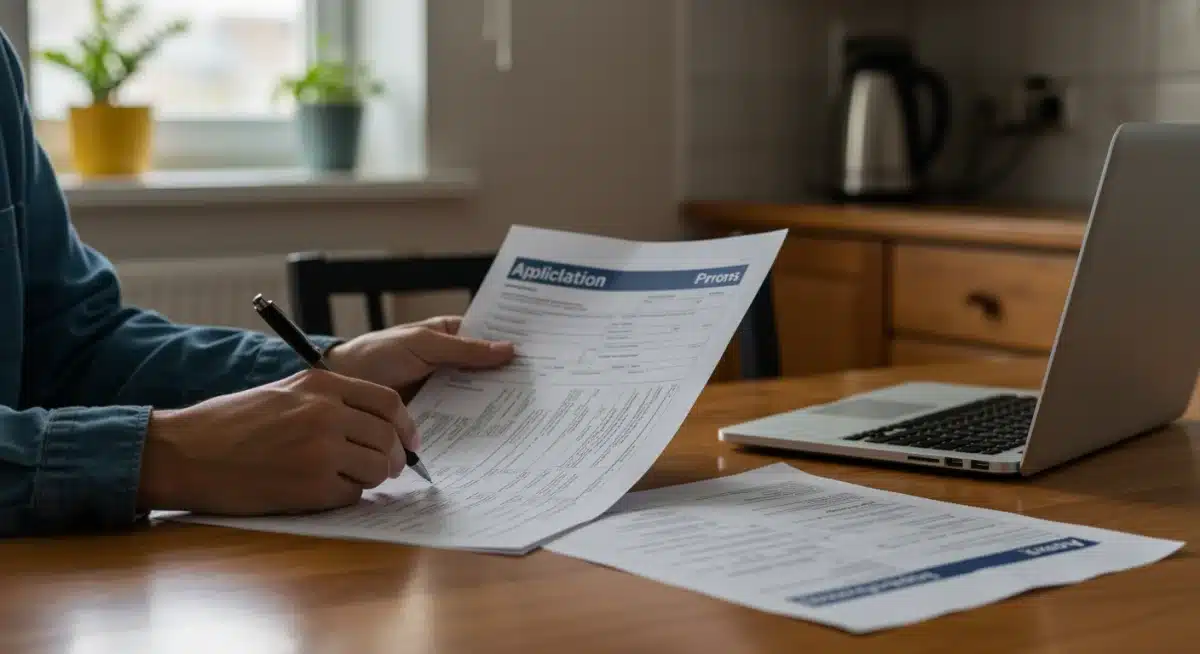
Required Documentation
- Proof of Identity: For all household members (e.g., driver’s license, state ID, birth certificates).
- Proof of Income: For all household members for the past 30 days (e.g., pay stubs, Social Security statements, unemployment benefits, pension statements).
- Proof of Residency: (e.g., lease agreement, utility bill with address).
- Utility Bills: Recent copies of heating and cooling bills, or a statement from your landlord if energy costs are included in rent.
- Social Security Numbers: For all household members.
Once you have all your documents ready, carefully complete the application form. Be thorough and accurate, as any missing or incorrect information can delay processing or lead to rejection. If you have questions or need assistance filling out the form, do not hesitate to contact your local LIHEAP office for guidance. They often have staff dedicated to helping applicants through the process.
After submitting your application, keep a copy for your records. The processing time can vary, so be patient. If you do not hear back within a reasonable timeframe, follow up with your local agency. Remember, the goal is to ensure your application is complete and submitted well before the 2025 deadline to maximize your chances of receiving assistance.
Maximizing Your Chances: Tips for a Successful Application
A successful LIHEAP application goes beyond simply meeting the eligibility criteria and submitting forms. Strategic planning and careful execution can significantly increase your chances of receiving timely assistance. With the 2025 deadline approaching, every detail matters in ensuring your application stands out and gets processed efficiently.
One of the most effective strategies is to apply as early as possible. While there’s a deadline, many programs operate on a first-come, first-served basis or have limited funding. Submitting your application well in advance of the cut-off date not only gives you peace of mind but also allows for time to correct any potential errors or provide additional documentation if requested. Early application can also mean receiving assistance before you face a critical energy crisis.
Essential Application Tips
- Gather Documents Early: Don’t wait until the last minute. Collect all required identification, income statements, and utility bills well in advance.
- Complete Forms Accurately: Double-check every field for completeness and correctness. Inaccurate information is a common reason for delays or rejections.
- Seek Assistance: If you’re unsure about any part of the application, contact your local LIHEAP office. They are there to help and can guide you through complex sections.
- Keep Records: Make copies of your submitted application and all supporting documents. Note down submission dates and any reference numbers provided.
- Follow Up: If you don’t receive a response within the expected timeframe, proactively follow up with the agency to check the status of your application.
Another valuable tip is to clearly articulate any special circumstances or hardships you are facing. While the application form covers basic information, providing a brief explanation of why this assistance is critical for your household, especially if you have high medical expenses, recent job loss, or other unforeseen challenges, can sometimes be beneficial. This human element can sometimes help caseworkers understand the full scope of your need.
Ultimately, a successful LIHEAP application is a combination of preparedness, accuracy, and timely submission. By taking these proactive steps, you can significantly improve your odds of securing the energy assistance you need to maintain a comfortable and safe home throughout the year, especially with the 2025 deadline in mind.
Beyond LIHEAP: Additional Energy Assistance Resources
While LIHEAP is a cornerstone of energy assistance for low-income households, it’s important to recognize that it’s not the only resource available. Many states and utility companies offer supplementary programs that can provide additional relief for energy costs or help improve home energy efficiency. Exploring these options can create a more comprehensive support system, especially for those who might still face challenges even with LIHEAP aid.
Utility companies, for example, often have their own assistance programs, sometimes called Percentage of Income Payment Plans (PIPPs) or budget billing options. These programs can help manage monthly payments by capping energy bills at a certain percentage of a household’s income or by averaging out costs over the year. Many also offer emergency funds for customers facing shut-off notices. It’s always a good idea to contact your specific utility provider to inquire about their available programs.
Other Valuable Resources
- Weatherization Assistance Program (WAP): This federal program helps low-income families reduce their energy bills by making their homes more energy-efficient through improvements like insulation, weatherstripping, and heating system repairs.
- State and Local Programs: Many states and municipalities offer their own energy assistance funds, often managed by community action agencies. These can sometimes fill gaps not covered by federal programs.
- Non-Profit Organizations: Various non-profit and charitable organizations provide emergency financial aid for utility bills. Organizations like the Salvation Army or local churches might offer one-time assistance.
- Energy Conservation Programs: Beyond financial aid, many organizations provide resources and tips on how to reduce energy consumption, which can lower bills in the long run.
Exploring weatherization programs, such as the Weatherization Assistance Program (WAP), is particularly beneficial. WAP focuses on making long-term improvements to homes, which can lead to significant and sustained reductions in energy consumption and costs. This type of assistance addresses the root cause of high energy bills rather than just providing a temporary fix.
By combining LIHEAP benefits with these additional resources, households can build a robust strategy for managing their energy expenses. It’s about being informed and proactive in seeking out all available avenues of support, ensuring sustained comfort and financial stability. Don’t limit your search; a layered approach to assistance can yield the best results.
Preparing for the 2025-2026 Energy Season
As we look towards the 2025 deadline and beyond, preparing for the upcoming 2025-2026 energy season is a proactive step that can significantly impact a household’s financial stability and comfort. This preparation involves more than just applying for LIHEAP; it encompasses a holistic approach to energy management, budgeting, and awareness of potential changes in energy costs and assistance programs.
One key aspect of preparation is to start budgeting for energy costs well in advance. Review your past utility bills to understand your average consumption during peak heating and cooling seasons. If possible, set aside a small amount each month to contribute to an energy savings fund. This financial cushion can be invaluable, especially if there are unexpected increases in energy prices or delays in assistance.
Strategic Preparations
- Monitor Energy Prices: Stay informed about energy market trends and forecasts. Understanding potential price increases can help you adjust your budget.
- Home Energy Audit: Consider a professional or DIY home energy audit to identify areas where your home is losing energy. This can reveal opportunities for cost-effective improvements.
- Energy-Efficient Habits: Adopt simple habits like adjusting thermostats, sealing drafts, and using energy-efficient lighting to reduce consumption.
- Regular Maintenance: Ensure your heating and cooling systems are regularly serviced to operate at peak efficiency, preventing costly breakdowns.
- Stay Informed: Regularly check with your local LIHEAP office and utility providers for updates on programs, deadlines, and eligibility criteria for the upcoming season.
Beyond personal budgeting, staying informed about policy changes and program updates is crucial. Government assistance programs like LIHEAP can see adjustments in funding, eligibility rules, or application periods from year to year. Subscribing to newsletters from your local energy assistance agencies or regularly checking their websites can keep you abreast of these important developments.
Moreover, consider investing in low-cost energy efficiency improvements. Simple actions like sealing air leaks around windows and doors, adding weatherstripping, or ensuring adequate insulation can significantly reduce your energy consumption without a major financial outlay. These small steps can lead to substantial savings over time, complementing any assistance received from programs like LIHEAP and helping you navigate the 2025-2026 energy season with greater confidence.
| Key Point | Brief Description |
|---|---|
| 2025 Deadline | Crucial for securing LIHEAP benefits; varies by state/locality. |
| Eligibility | Primarily income-based (150% FPL or 60% SML), varies by state. |
| Application Process | Gather documents, complete forms accurately, apply early via local agency. |
| Additional Resources | Explore WAP, utility programs, and non-profits for extra aid. |
Frequently Asked Questions About LIHEAP
LIHEAP, the Low-Income Home Energy Assistance Program, helps low-income households manage their home energy costs. This includes assistance with heating and cooling bills, energy crisis intervention, and minor energy-related home repairs. Its main goal is to prevent utility disconnections and ensure safe, habitable living conditions for vulnerable families.
You can typically find your local LIHEAP office by visiting the official LIHEAP website, searching your state’s social services department website, or calling the 211 information service. These resources will direct you to the specific agency responsible for administering LIHEAP in your area, providing contact details and application information.
Commonly required documents include proof of identity for all household members, proof of income for the past 30 days, proof of residency (like a lease or utility bill), and recent heating/cooling bills. It’s always best to verify the exact list with your local LIHEAP agency, as requirements can vary slightly by state.
Yes, in many cases, you can still apply for LIHEAP even if your energy costs are part of your rent. The program may consider a portion of your rent as an undesignated energy cost. You will likely need to provide a statement from your landlord confirming this arrangement as part of your application process.
Missing the 2025 LIHEAP deadline could result in not receiving assistance for the current funding cycle. While some states may reopen applications if funds remain, it’s not guaranteed. It’s crucial to apply on time to avoid delays or being unable to access benefits until the next program year. Always check for specific local policies.
Conclusion
The Low-Income Home Energy Assistance Program (LIHEAP) remains a vital resource for countless low-income households across the United States, offering critical support to manage heating and cooling costs. As the 2025 application deadline approaches, understanding the eligibility criteria, navigating the application process, and acting promptly are paramount. By taking proactive steps and exploring all available resources, families can ensure they secure the assistance needed to maintain a safe, comfortable, and energy-efficient home. Don’t let this opportunity pass; informed action today can safeguard your home’s energy future.