Post-Pandemic Education: 2026 Data on Learning Gaps & Recovery
In 2026, post-pandemic education data highlights persistent learning gaps, particularly in foundational subjects, underscoring the urgent need for targeted, adaptive recovery strategies across the United States to ensure equitable academic advancement.
The landscape of American education has undergone a profound transformation in recent years. As we delve into 2026, the data surrounding
post-pandemic education: what 2026 data reveals about learning gaps and recovery strategies (recent updates)
offers critical insights into the challenges and triumphs of our school systems. This article will explore the updated statistics, analyze the most affected areas, and highlight the innovative approaches being implemented to bridge the educational divide.
Understanding the Persistent Learning Gaps in 2026
Three years removed from the peak of the global pandemic, the echoes of educational disruption continue to resonate through classrooms nationwide. In 2026, comprehensive data sets confirm that while some progress has been made, significant learning gaps persist, particularly among vulnerable student populations. These gaps are not uniform, varying by subject, grade level, and socioeconomic background, painting a complex picture of recovery.
The initial hopes for a swift return to pre-pandemic academic levels have been tempered by the reality of long-term impacts. Many students, especially those from low-income households or communities with limited access to resources, are still struggling to catch up. This disparity underscores the need for continued, focused interventions rather than a one-size-fits-all approach.
Key areas of academic decline
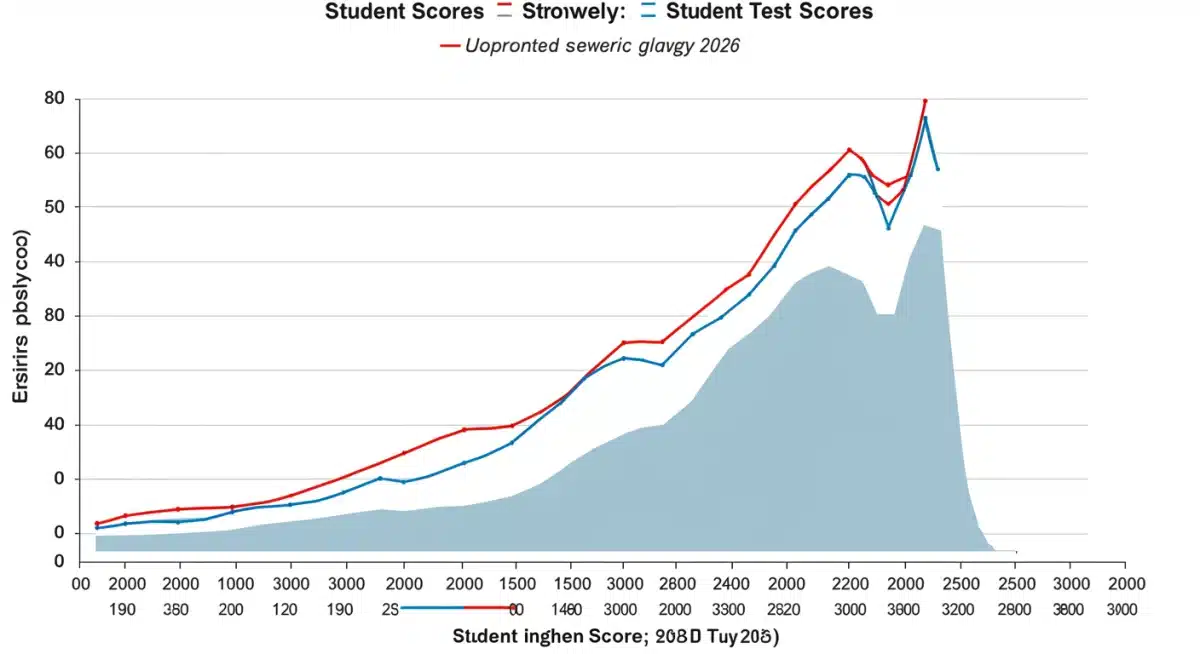
Analysis of 2026 standardized test scores and classroom assessments reveals particular vulnerabilities in core subjects. Mathematics and reading continue to show the most pronounced setbacks, affecting students’ ability to engage with more complex topics in subsequent grades. The foundational skills required for future academic success have been significantly impacted.
- Mathematics Proficiency: Data indicates that elementary and middle school students are, on average, 0.7 to 1.2 years behind in math concepts.
- Reading Comprehension: High school students show a notable decline in critical reading and analytical skills, impacting all subjects.
- Science and Social Studies: While less severe, gaps are emerging as these subjects often rely on strong foundational literacy and numeracy.
Impact on student well-being and engagement
Beyond academic metrics, the pandemic’s toll on student mental health and engagement is undeniable. Many students returned to school with increased anxiety, reduced social-emotional skills, and a diminished sense of belonging. These factors directly impede their ability to learn and recover academically, creating a cyclical challenge for educators.
Addressing these learning gaps requires a holistic perspective that recognizes the interconnectedness of academic progress and student well-being. Schools are increasingly integrating mental health support and social-emotional learning into their curricula to foster a more supportive and conducive learning environment.
In conclusion, the 2026 data on learning gaps serves as a stark reminder that the journey to educational recovery is far from over. It highlights the urgent need for targeted interventions, equitable resource distribution, and a sustained commitment to supporting every student’s academic and emotional growth.
Innovative Recovery Strategies in Action Across the US
In response to the persistent learning gaps, school districts and educational institutions across the United States have been implementing a variety of innovative recovery strategies. These approaches leverage technology, personalized learning, and community partnerships to accelerate student progress and address specific needs. The focus has shifted from merely catching up to building more resilient and equitable educational systems for the future.
Many of these strategies are data-driven, allowing educators to identify precise areas where students struggle and tailor interventions accordingly. This adaptive approach is crucial given the diverse nature of learning gaps observed across different student demographics and geographic regions.
Personalized learning pathways
One of the most promising strategies involves the widespread adoption of personalized learning pathways. Utilizing advanced AI and adaptive software, schools are creating individualized learning plans that cater to each student’s pace and style. This allows students to focus on areas where they need the most support while accelerating in subjects where they excel.
- Adaptive Software: AI-powered platforms adjust content difficulty and provide immediate feedback, highly effective in math and literacy.
- Individualized Tutoring: Increased access to one-on-one or small-group tutoring, often delivered virtually, offers targeted support.
- Flexible Pacing: Students can progress through material at their own speed, reducing pressure and enhancing comprehension.
Community and family engagement
Recognizing that education extends beyond the classroom, many successful recovery efforts involve robust community and family engagement. Schools are forging stronger partnerships with parents, local organizations, and volunteers to create a network of support for students. This collaborative approach ensures that learning is reinforced at home and within the wider community.
Workshops for parents on supporting remote learning, after-school programs, and mentorship initiatives are becoming commonplace. These efforts aim to create a holistic ecosystem that nurtures student development, addressing both academic and social-emotional needs.
In summary, the innovative recovery strategies being deployed in 2026 demonstrate a proactive and adaptive response to the challenges of post-pandemic education. By embracing personalized learning, technology, and strong community ties, educators are not just aiming to close gaps but to redefine and strengthen the educational experience for all students.
The Role of Technology in Bridging the Divide
Technology has emerged as an indispensable tool in the ongoing efforts to address learning gaps and accelerate recovery in post-pandemic education. Far beyond simply facilitating remote learning, advanced educational technologies are now integrated into classroom instruction, providing data-driven insights, personalized content, and engaging learning experiences. This pervasive integration is transforming how students learn and how teachers teach.
The initial scramble for devices and internet access has evolved into a more strategic deployment of digital resources. Schools are investing in platforms that offer robust analytics, allowing educators to monitor student progress in real-time and adapt their teaching methodologies accordingly. This data-informed approach is proving highly effective in identifying and targeting specific areas of weakness.
Advanced educational platforms and AI tutors
The rise of sophisticated educational platforms, often powered by artificial intelligence, is a game-changer. These platforms can act as virtual tutors, providing instant feedback, explaining complex concepts, and offering practice problems tailored to individual student needs. This personalized support supplements classroom instruction, ensuring that students receive consistent and targeted assistance.
- AI-Driven Assessments: Tools that accurately diagnose learning gaps and recommend specific interventions.
- Interactive Simulations: Virtual labs and simulations make abstract concepts tangible, particularly in STEM subjects.
- Gamified Learning: Educational games increase engagement and motivation, making learning more enjoyable and effective.
Ensuring equitable access to digital resources
While technology offers immense potential, ensuring equitable access remains a critical challenge. Efforts are underway to close the “digital divide,” providing devices and reliable internet access to all students, regardless of their socioeconomic status. Public-private partnerships and government initiatives are playing a crucial role in expanding digital literacy and infrastructure.
Furthermore, professional development for teachers is paramount. Equipping educators with the skills to effectively integrate technology into their pedagogy ensures that these tools are utilized to their full potential, maximizing their impact on student learning and recovery.
In conclusion, technology is not just a supplement but a cornerstone of post-pandemic educational recovery in 2026. Its strategic implementation, coupled with equitable access and teacher training, is vital for bridging learning gaps and fostering a more dynamic and effective learning environment for all.
Policy & Funding: Driving Educational Equity in 2026
The long-term success of post-pandemic educational recovery hinges significantly on robust policy frameworks and sustained funding. In 2026, policymakers at both federal and state levels are grappling with how to allocate resources effectively to ensure educational equity and address the persistent learning gaps. The emphasis is on strategic investments that yield measurable results and support comprehensive, systemic change rather than short-term fixes.
Federal aid programs, initially designed for emergency relief, are evolving into more structured initiatives aimed at systemic improvements. States are also developing their own funding models, often prioritizing districts with the greatest needs and those demonstrating innovative approaches to student recovery.
Federal and state funding initiatives
The federal government continues to play a vital role, with updated legislative acts providing significant funds for academic recovery. These funds are often tied to specific outcomes, encouraging schools to implement evidence-based practices. States are supplementing these efforts with their own budget allocations aimed at target areas.
- ESSER Funds Extension: Emergency Secondary and Elementary School Relief funds, initially pandemic-response, have seen extensions and repurposing for long-term recovery.
- Targeted Grants: New federal grants focus on high-needs districts for literacy, math intervention, and mental health services.
- State-Level Initiatives: Many states have introduced competitive grants for innovative programs, such as extended learning time or specialized tutoring.
Policy reforms for equitable access
Beyond funding, policy reforms are crucial for creating a more equitable educational landscape. These reforms include measures to ensure fair distribution of highly qualified teachers, revision of curriculum standards to reflect current student needs, and policies that support inclusive learning environments. The aim is to dismantle systemic barriers that exacerbate learning gaps.
Furthermore, policies supporting early childhood education are gaining traction, recognizing that foundational learning experiences are critical for preventing future gaps. Investments in pre-kindergarten programs and early literacy initiatives are seen as proactive measures to build a stronger educational foundation.
In conclusion, effective policy and funding are the bedrock of sustainable educational recovery in 2026. By making strategic investments and implementing equitable reforms, governments are working to ensure that every student has the opportunity to thrive in the post-pandemic educational era.
Teacher Development and Support in the New Educational Era
The success of any educational recovery strategy ultimately rests on the shoulders of dedicated educators. In 2026, there’s a heightened recognition of the critical need for comprehensive teacher development and robust support systems, particularly as teachers navigate the complexities of persistent learning gaps and evolving pedagogical approaches. Investing in teachers is investing in the future of education.
The demands on teachers have intensified, requiring them to be not only subject matter experts but also skilled in social-emotional support, technology integration, and personalized instruction. This shift necessitates ongoing professional learning opportunities that are relevant, practical, and responsive to current classroom realities.
Specialized training for learning gap remediation
Teachers are receiving specialized training focused on identifying and remediating specific learning gaps. This includes professional development in diagnostic assessment tools, differentiated instruction techniques, and evidence-based interventions for reading and mathematics. The goal is to equip teachers with the precise skills needed to address diverse student needs effectively.
- Diagnostic Assessment Training: Empowering teachers to accurately pinpoint student weaknesses.
- Differentiated Instruction: Strategies to tailor teaching methods to various learning styles and levels within a single classroom.
- Trauma-Informed Practices: Training to support students who have experienced trauma, affecting their learning and behavior.
Wellness programs and reducing burnout
The well-being of educators is paramount. High levels of stress and burnout can significantly impact teacher retention and effectiveness. Therefore, schools and districts are implementing comprehensive wellness programs, mental health support, and initiatives aimed at reducing workload and fostering a positive work environment. A supported teacher is a more effective teacher.
Mentorship programs for new teachers, opportunities for collaborative planning, and access to counseling services are becoming standard. These efforts recognize that supporting teachers’ mental and emotional health is a crucial component of a successful educational system.
To summarize, teacher development and support are foundational to navigating the new educational era of 2026. By providing specialized training, fostering professional growth, and prioritizing educator well-being, schools are empowering teachers to effectively address learning gaps and cultivate thriving learning environments.
Looking Ahead: Projections and Future Trends in Post-Pandemic Education
As we move further into 2026, the trajectory of post-pandemic education is becoming clearer, marked by several key projections and emerging trends. The focus is not just on recovery but on building a more resilient, equitable, and future-ready educational system. These trends suggest a permanent shift in how we approach learning, teaching, and school administration.
One significant projection is the continued emphasis on hybrid learning models. While fully remote instruction has largely receded, the integration of digital tools and online resources into traditional classroom settings is expected to persist and evolve. This blended approach offers flexibility and caters to diverse learning preferences, enhancing the overall educational experience.
The evolution of curriculum and assessment
Curriculum development is also adapting to the lessons learned from the pandemic. There’s a growing movement towards more flexible, interdisciplinary curricula that emphasize critical thinking, problem-solving, and digital literacy. Assessments are moving beyond traditional standardized tests to include more project-based learning and authentic evaluations that measure real-world skills.
- Skills-Based Learning: Greater emphasis on competencies like collaboration, creativity, and communication alongside academic knowledge.
- Adaptive Assessments: Utilizing AI to create dynamic assessments that provide immediate, actionable feedback to students and teachers.
- Digital Citizenship: Integrating lessons on online safety, digital ethics, and responsible use of technology into core subjects.
Increased focus on social-emotional learning (SEL)
The importance of social-emotional learning (SEL) is expected to become even more central to educational frameworks. Recognizing the profound impact of the pandemic on student mental health and well-being, schools are likely to integrate SEL explicitly into daily routines and academic instruction. This holistic approach aims to foster resilient, empathetic, and well-adjusted individuals.
Furthermore, the role of schools as community hubs is set to expand. Beyond academics, schools are increasingly offering comprehensive support services, including health clinics, food programs, and family resource centers, solidifying their position as vital pillars of community well-being.
In conclusion, the future of post-pandemic education in 2026 is characterized by continuous adaptation and innovation. By embracing hybrid models, evolving curricula, and prioritizing social-emotional learning, educational systems are poised to create a more dynamic, equitable, and effective learning environment for generations to come.
Challenges and Opportunities in Sustaining Recovery Efforts
While significant strides have been made in post-pandemic educational recovery by 2026, the path forward is not without its challenges. Sustaining these efforts requires ongoing commitment, innovative thinking, and the ability to adapt to new obstacles. Identifying these challenges and recognizing accompanying opportunities is crucial for long-term success.
One primary challenge is funding fatigue. As the immediate crisis recedes, maintaining the high levels of investment seen during the pandemic might prove difficult. Public and political will to continue allocating substantial resources to education recovery will need to be consistently cultivated and justified through demonstrable positive outcomes.
Addressing educator shortages and retention
The educator shortage, exacerbated by the pandemic, remains a critical challenge. Attracting new talent to the profession and retaining experienced teachers are paramount. This requires not only competitive salaries but also improved working conditions, professional autonomy, and robust support systems. Opportunities exist in reimagining the teaching profession to make it more appealing and sustainable.
- Recruitment Incentives: Programs offering student loan forgiveness or scholarships for aspiring teachers.
- Mentorship Programs: Pairing new teachers with experienced mentors to provide guidance and support.
- Flexible Work Arrangements: Exploring options like hybrid teaching roles or reduced class sizes to alleviate workload.
Leveraging data for continuous improvement
A significant opportunity lies in the intelligent use of data. Schools are now collecting vast amounts of information on student performance, engagement, and well-being. The challenge is to effectively analyze this data to inform instructional decisions, tailor interventions, and continuously refine recovery strategies. This data-driven approach can help ensure resources are allocated where they are most needed.
Furthermore, fostering a culture of continuous improvement within educational institutions is key. This involves encouraging experimentation, learning from successes and failures, and promoting collaboration among educators to share best practices. The lessons learned during the pandemic can be institutionalized to create more agile and responsive educational systems.
In conclusion, sustaining post-pandemic educational recovery in 2026 involves navigating complex challenges such as funding and educator shortages, while simultaneously seizing opportunities presented by data-driven insights and a renewed focus on teacher support. A proactive and adaptive approach will be essential for building a truly resilient educational future.
| Key Point | Brief Description |
|---|---|
| Persistent Learning Gaps | 2026 data confirms ongoing academic setbacks, especially in math and reading, disproportionately affecting vulnerable students. |
| Innovative Recovery Strategies | Personalized learning, AI tutors, and strong community engagement are key to accelerating student progress. |
| Policy and Funding Focus | Strategic federal and state investments are driving equitable access and systemic educational improvements. |
| Teacher Support & Development | Ongoing training and wellness programs are crucial for equipping educators to meet new demands. |
Frequently Asked Questions About Post-Pandemic Education in 2026
In 2026, the primary learning gaps are most pronounced in mathematics and reading comprehension, particularly among elementary and middle school students. These gaps are often exacerbated by socioeconomic factors and limited access to educational resources, highlighting ongoing challenges in foundational academic skills.
Technology in 2026 is crucial, with AI-powered adaptive learning platforms and virtual tutors providing personalized instruction. These tools help identify specific student weaknesses, offer targeted practice, and make learning more engaging through interactive simulations and gamified content, complementing traditional classroom teaching effectively.
Government policies and funding are vital, with federal and state initiatives providing targeted grants and extended emergency relief funds to schools. These resources support evidence-based recovery strategies, promote equitable access to education, and fund programs like early childhood education to build stronger foundations for all students.
Teachers are receiving specialized training in diagnostic assessment and differentiated instruction to address learning gaps. Additionally, wellness programs, mentorship, and efforts to reduce burnout are being implemented. These strategies aim to equip educators with essential skills and foster a supportive environment to enhance their effectiveness and retention.
Future trends in post-pandemic education include the continued evolution of hybrid learning models, a stronger emphasis on skills-based curricula, and integration of social-emotional learning. There will also be a sustained focus on leveraging data for continuous improvement and expanding schools’ roles as comprehensive community hubs.
Conclusion: Reshaping Education for a Resilient Future
The journey through post-pandemic education in 2026 has been one of both significant challenge and remarkable innovation. The data clearly indicates that while learning gaps persist, particularly in foundational subjects and among vulnerable student populations, the collective response from educators, policymakers, and communities has been robust and adaptive. The strategic deployment of technology, personalized learning pathways, and a renewed focus on teacher support are not merely temporary fixes but foundational shifts towards a more resilient and equitable educational system.
As we look ahead, the lessons learned from this unprecedented period will undoubtedly shape the future of learning for generations. Sustained funding, continuous policy refinement, and a commitment to holistic student development, encompassing both academic and social-emotional well-being, will be paramount. The goal is not just to recover what was lost but to build an educational landscape that is more responsive, inclusive, and effective for every student in the United States.