2026 Federal Budget: Financial Impacts for US Households

The 2026 Federal Budget introduces significant changes impacting American households through revised tax laws, social program adjustments, and economic growth initiatives, necessitating a thorough understanding for financial planning.
The annual unveiling of the federal budget is always a pivotal moment, shaping the economic landscape for millions. As we look towards the future,
Understanding the 2026 Federal Budget: Key Financial Implications for American Households becomes not just an academic exercise, but a practical necessity.
What changes can families anticipate in their daily financial lives, and how might these adjustments influence long-term planning?
Deciphering the 2026 Federal Budget’s Core Principles
Every federal budget is built upon a set of core principles that reflect the administration’s priorities and the prevailing economic philosophy. The 2026 Federal Budget, expected to be crafted amidst ongoing global economic shifts and domestic challenges, is no exception. Its foundational tenets will likely focus on a delicate balance between fiscal responsibility, social welfare, and economic competitiveness.
Understanding these underlying principles is crucial because they dictate the allocation of funds across various sectors, directly influencing policies that affect household incomes, expenses, and overall financial stability. For instance, a budget prioritizing deficit reduction might entail spending cuts or tax increases, while one focused on economic stimulus could propose infrastructure investments or tax credits.
Key Pillars of the Budgetary Framework
- Fiscal Sustainability: Efforts to manage the national debt and deficit through revenue generation and expenditure control.
- Social Equity: Investments in programs designed to support vulnerable populations and reduce economic disparities.
- Economic Growth: Initiatives aimed at fostering innovation, creating jobs, and enhancing America’s competitive edge globally.
- National Security: Funding for defense and cybersecurity, reflecting geopolitical realities and domestic safety concerns.
These pillars are not mutually exclusive and often intertwine, creating a complex web of policy decisions. For example, investments in education (social equity) can also be seen as a driver of long-term economic growth. The challenge lies in balancing these diverse objectives to create a budget that serves the broadest interests of the American populace while addressing immediate and future needs.
Ultimately, the core principles of the 2026 Federal Budget will serve as the compass guiding its specific proposals. Americans should pay close attention to these foundational ideas, as they offer the first glimpse into the financial future the government envisions for its citizens. These principles will shape everything from tax brackets to social security adjustments, making their comprehension paramount for informed household financial planning.
Taxation: Navigating Potential Changes to Your Income and Savings
Tax policy is arguably one of the most direct ways the federal budget impacts American households. The 2026 Federal Budget is anticipated to bring a series of adjustments to the tax code, potentially influencing everything from individual income tax rates to deductions and credits. These changes could have a profound effect on disposable income, savings, and investment strategies for families across the country.
Discussions around the budget often involve debates over tax fairness, economic efficiency, and revenue generation. Households should prepare for possible shifts in tax brackets, which determine the percentage of income paid in taxes. Even minor adjustments can lead to significant changes in take-home pay, particularly for middle and high-income earners. Furthermore, there might be modifications to capital gains taxes, affecting those with investments.
Anticipated Tax Code Adjustments
- Income Tax Brackets: Potential alterations to the marginal tax rates for various income levels, influencing after-tax income.
- Deductions and Credits: Changes to standard deductions, itemized deductions (like mortgage interest or state and local taxes), and tax credits (such as the child tax credit or earned income tax credit).
- Corporate Tax Rates: While primarily affecting businesses, corporate tax adjustments can indirectly impact households through stock market performance, job creation, and consumer prices.
- Estate and Gift Taxes: Modifications to these taxes could affect wealth transfer planning for affluent families.
Beyond income taxes, the budget might also address other forms of taxation, including potential changes to payroll taxes that fund Social Security and Medicare. These are critical considerations for all working Americans, as they directly impact future retirement and healthcare benefits. Understanding these potential shifts is vital for proactive financial planning.
In conclusion, the taxation component of the 2026 Federal Budget will be a primary determinant of household financial health. Families should closely monitor proposed changes, consult with financial advisors, and adjust their budgeting and investment strategies accordingly to mitigate potential negative impacts and capitalize on any new opportunities presented by the revised tax landscape.
Social Programs: What to Expect for Healthcare, Education, and Retirement
Federal social programs form a crucial safety net and investment in the future for millions of American households. The 2026 Federal Budget will inevitably contain significant decisions regarding funding levels and structural changes to key areas like healthcare, education, and retirement benefits. These decisions directly impact the accessibility, affordability, and quality of essential services and support systems.
Healthcare, especially Medicare and Medicaid, often represents a substantial portion of federal spending. Proposed budget cuts or increases can alter eligibility requirements, coverage options, and out-of-pocket costs for individuals and families. Similarly, federal funding for education, including Pell Grants, student loan programs, and K-12 initiatives, can shape educational opportunities and the burden of student debt.
Impact on Key Social Programs
- Healthcare (Medicare/Medicaid/ACA): Potential changes in funding levels, eligibility criteria, and benefits, affecting access to medical care and insurance premiums.
- Education (Student Aid/Grants): Adjustments to federal student loan interest rates, grant amounts, and college affordability initiatives.
- Social Security and Retirement: Discussions around the long-term solvency of Social Security, potential adjustments to cost-of-living allowances (COLAs), or changes to the retirement age.
- Housing Assistance: Funding for affordable housing programs and rental assistance, crucial for low-income households.
Retirement security, particularly the future of Social Security, remains a perennial concern. The 2026 budget may introduce measures aimed at shoring up the program’s finances, which could include adjustments to benefits, payroll taxes, or eligibility rules. These changes could necessitate a re-evaluation of personal retirement savings strategies for many.
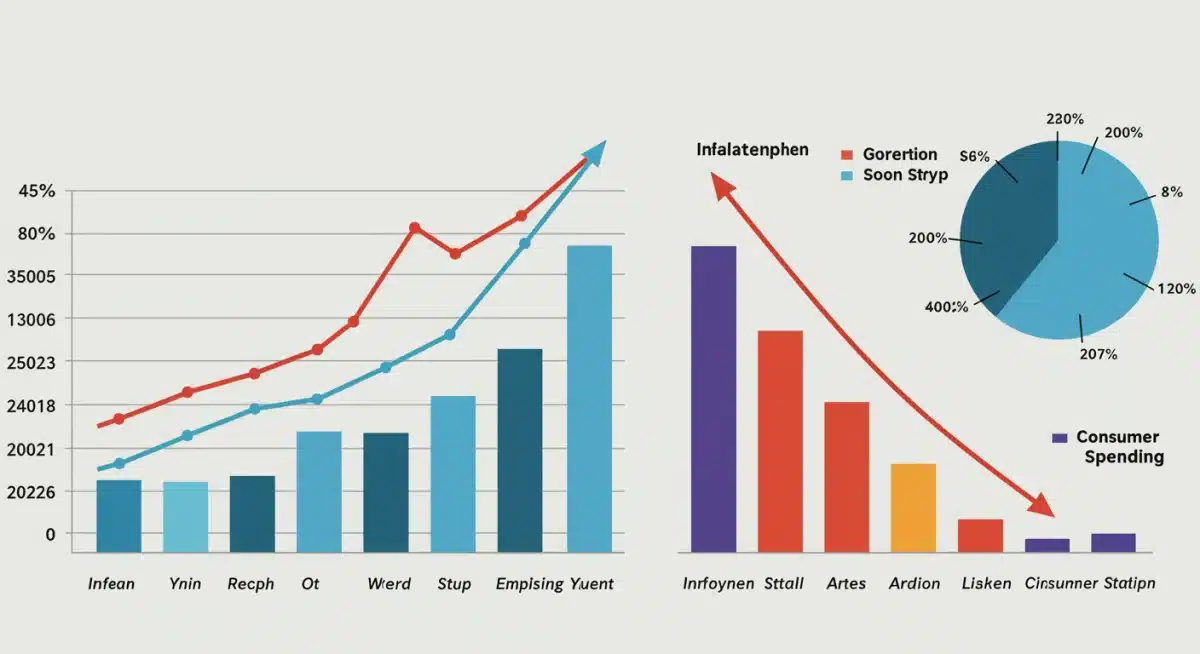
The allocations within the 2026 Federal Budget for social programs will have far-reaching consequences for the well-being and financial stability of American households. Staying informed about these proposed changes and understanding their personal implications is vital for planning and advocating for policies that support family needs.
Economic Growth and Job Market Projections for 2026
Beyond direct financial aid and taxation, the 2026 Federal Budget plays a significant role in shaping the broader economic environment and the job market. Government spending on infrastructure, research and development, and various industries can stimulate economic growth, create jobs, and influence wage levels. These macroeconomic factors directly translate into opportunities and challenges for American households.
The budget’s focus on specific sectors, such as renewable energy, technology, or manufacturing, can lead to job growth in those areas, potentially shifting labor market dynamics. Conversely, reduced spending in certain sectors could result in job losses or slower wage growth. Understanding these directional shifts is important for career planning and assessing regional economic prospects.
Budgetary Influence on Economic Indicators
The federal budget’s impact on economic growth is multifaceted. Investments in infrastructure, for example, not only create immediate construction jobs but also improve productivity and efficiency across the economy in the long run. Similarly, funding for scientific research can spur innovation, leading to new industries and high-paying jobs.
Moreover, the budget’s stance on trade policies and international economic relations can affect import/export dynamics, influencing consumer prices and the competitiveness of domestic industries. A budget that promotes free trade might lead to lower consumer costs, while protectionist measures could boost domestic production but potentially raise prices.
For households, a robust economy generally means more job opportunities, higher wages, and greater financial stability. Conversely, a sluggish economy can lead to unemployment, reduced income, and increased financial stress. The 2026 Federal Budget’s strategic investments and fiscal policies will be key determinants of these economic outcomes.
In essence, the economic growth and job market projections tied to the 2026 Federal Budget are critical indicators for household financial well-being. Keeping an eye on these broader economic trends, influenced by budgetary decisions, allows families to make informed decisions about employment, investments, and overall financial security.
Understanding the National Debt and Its Household Implications
The national debt, a cumulative sum of past federal deficits, is a persistent topic in budget discussions. While often perceived as an abstract figure, its trajectory, as influenced by the 2026 Federal Budget, carries tangible implications for American households. A growing national debt can lead to higher interest rates, potential inflation, and reduced future government spending on essential services.
When the government borrows heavily to finance its spending, it competes with private borrowers for capital, which can drive up interest rates for mortgages, car loans, and credit cards. This directly impacts household budgets by increasing the cost of borrowing and reducing purchasing power. Furthermore, a large debt burden can limit the government’s flexibility to respond to future economic crises or invest in critical areas.
How National Debt Affects You
- Interest Rates: Higher national debt can push up bond yields, leading to increased interest rates for consumers and businesses.
- Inflationary Pressure: If the debt is monetized (i.e., the central bank prints more money to buy government bonds), it can contribute to inflation, eroding the purchasing power of household savings.
- Future Taxation: Servicing a large national debt requires significant government revenue, potentially leading to higher taxes in the future to cover interest payments.
- Government Services: A substantial portion of the budget dedicated to debt servicing means fewer resources available for social programs, infrastructure, and other public services.
The 2026 Federal Budget’s approach to fiscal policy—whether it aims to reduce the deficit, maintain current spending levels, or increase borrowing—will dictate the future path of the national debt. Households should be aware that persistent deficits can create intergenerational burdens, as future generations may face higher taxes or reduced services to pay for today’s spending.
Ultimately, the national debt is not just a government problem; it’s a household concern. The decisions made in the 2026 Federal Budget regarding borrowing and spending will have a lasting impact on economic stability, personal finance, and the legacy we leave for future generations. Prudent fiscal management in the budget is essential for long-term household prosperity.
Strategies for Households to Adapt to Budgetary Shifts
Given the potential financial implications of the 2026 Federal Budget, American households must adopt proactive strategies to adapt and thrive amidst the changes. Financial resilience in the face of evolving government policies is key to maintaining stability and achieving long-term goals. This involves a combination of informed decision-making, flexible planning, and smart resource management.
One of the most immediate steps households can take is to review and adjust their personal budgets. If tax rates change or social program benefits are altered, cash flow will be affected. Understanding these potential shifts early allows for adjustments to spending habits, savings contributions, and debt repayment strategies. Staying informed through reliable news sources and official government publications is paramount.
Proactive Financial Planning Measures
- Budget Review and Adjustment: Re-evaluate income and expenses based on anticipated tax changes and program modifications.
- Diversify Investments: Consider diversifying investment portfolios to mitigate risks associated with economic shifts or sector-specific impacts from budget allocations.
- Emergency Savings: Build or bolster emergency funds to provide a buffer against unexpected financial challenges arising from economic volatility.
- Stay Informed: Continuously monitor official government announcements and reputable financial news to understand ongoing and proposed budgetary changes.
Beyond immediate budgeting, households should also consider long-term financial planning. This includes re-evaluating retirement savings, college funds, and investment strategies in light of potential changes to tax incentives or social security projections. Consulting with a qualified financial advisor can provide personalized guidance tailored to individual circumstances and goals.
Furthermore, understanding the budgetary impact on specific industries or job markets can inform career decisions. If the budget prioritizes certain sectors, pursuing training or employment in those areas could offer greater stability and growth opportunities. Adaptability in skills and career paths becomes increasingly valuable.
In summary, adapting to the 2026 Federal Budget’s shifts requires vigilance and strategic planning. By staying informed, adjusting personal budgets, diversifying investments, and seeking expert advice, American households can navigate the evolving financial landscape more effectively and secure their financial future.
| Key Aspect | Household Implication |
|---|---|
| Taxation Changes | Direct impact on disposable income, savings, and investment returns. |
| Social Program Adjustments | Affects access to healthcare, education funding, and retirement benefits. |
| Economic Growth Initiatives | Influences job availability, wage levels, and overall economic stability. |
| National Debt Management | Impacts interest rates for loans, potential inflation, and future government services. |
Frequently Asked Questions About the 2026 Federal Budget
The 2026 Federal Budget may introduce changes to income tax brackets, deductions, or credits. These adjustments could lead to a higher or lower tax liability, directly impacting your take-home pay. It’s crucial to review the specifics upon release and consult a tax professional for personalized advice on how these changes will affect your individual financial situation and planning.
The 2026 Federal Budget is likely to address the long-term solvency of Social Security and Medicare. This could involve discussions on adjustments to benefits, eligibility age, or payroll tax contributions. Any changes could influence your future retirement planning and healthcare costs, making it essential to monitor official announcements and reassess your personal financial strategy.
Yes, the 2026 Federal Budget’s fiscal policies, particularly its approach to deficit spending and national debt, can indirectly influence interest rates. Increased government borrowing can compete with private sector demand for capital, potentially driving up interest rates for mortgages, auto loans, and other consumer credit. This could increase borrowing costs for households.
The 2026 Federal Budget’s allocation for education can impact families through various avenues. This includes potential changes to federal student aid programs like Pell Grants, interest rates on student loans, and K-12 initiatives. These decisions can influence college affordability, the burden of student debt, and the quality of educational resources available to your children.
To prepare, households should regularly review and adjust their personal budgets, build or strengthen emergency savings, and diversify investments. Staying informed through reliable sources about proposed budgetary changes is crucial. Consulting with a financial advisor can also provide tailored guidance to navigate potential impacts on taxation, social programs, and overall financial planning effectively.
Conclusion
The 2026 Federal Budget stands as a critical document, its policies poised to ripple through every aspect of American household finances. From the direct impact of tax adjustments and the vital support offered by social programs to the broader currents of economic growth and the long-term implications of national debt, every decision within the budget holds significant weight. For American families, understanding these multifaceted implications is not merely about staying informed; it’s about empowering themselves to make proactive, strategic financial decisions. By carefully monitoring the budget’s development, adapting personal financial plans, and seeking expert advice, households can better navigate the evolving economic landscape and secure their financial well-being in the years to come.