2026 Federal Budget: 15% Education Funding Boost for US Schools

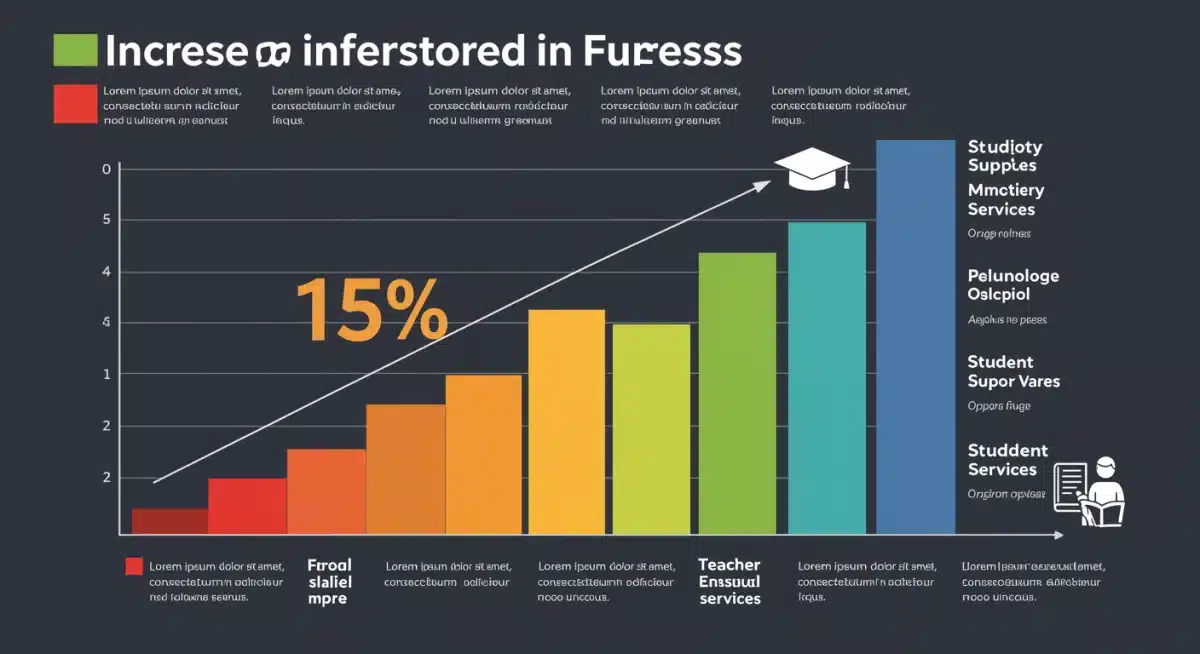
In a move poised to reshape the landscape of American education, the White House has unveiled its ambitious 2026 federal budget proposal, featuring an unprecedented 15% increase in education funding for US schools. This substantial investment, if approved, marks a pivotal moment for students, educators, and communities across the nation, promising a new era of enhanced learning opportunities and educational equity.
The proposal, which has quickly become a focal point of national discussion, aims to address long-standing challenges within the educational system, from outdated infrastructure to disparities in access to quality instruction. Proponents argue that this boost in federal education funding 2026 is not merely an expenditure but a strategic investment in the nation’s future, fostering innovation, improving student outcomes, and strengthening the workforce.
For years, educators and advocates have called for greater financial commitment to public education. This 15% increase represents a significant step towards meeting those demands, potentially ushering in transformative changes in classrooms from coast to coast. The implications are vast, touching every facet of the educational experience, from early childhood programs to higher education initiatives.
The Rationale Behind the 15% Increase in Federal Education Funding 2026
The decision to propose such a significant increase in federal education funding 2026 stems from a comprehensive analysis of the current state of US education and the imperative to remain globally competitive. The White House report accompanying the budget proposal highlights several key areas necessitating greater investment:
- Addressing Learning Loss: The recent global challenges have exacerbated existing educational disparities, leading to significant learning loss for many students. Increased funding is earmarked to provide targeted interventions, remedial programs, and extended learning opportunities to help students catch up and excel.
- Enhancing Teacher Salaries and Professional Development: Attracting and retaining highly qualified educators remains a critical challenge. A portion of the new funding is expected to support competitive salaries, comprehensive professional development programs, and improved working conditions, thereby elevating the teaching profession.
- Modernizing School Infrastructure: Many schools across the nation operate in aging or inadequate facilities. The budget aims to allocate funds for school modernization, including upgrades to technology infrastructure, improved ventilation systems, and accessible learning environments.
- Expanding Access to Technology and Digital Resources: The digital divide continues to be a barrier for many students. This funding seeks to ensure equitable access to reliable internet, devices, and high-quality digital learning resources, preparing students for a technology-driven future.
- Supporting Mental Health and Well-being: Recognizing the growing importance of student mental health, the proposal includes provisions for increased access to school counselors, psychologists, and social workers, as well as programs promoting emotional well-being.
- Investing in Early Childhood Education: Research consistently demonstrates the long-term benefits of early childhood education. The budget proposes expanding access to high-quality preschool programs, ensuring a strong foundation for future academic success.
This multifaceted approach underscores a commitment to holistic educational development, recognizing that a thriving educational system requires investment across various domains. The 15% increase is not a blanket allocation but a carefully considered strategy to target specific areas of need and maximize impact.
Potential Impact on Students and Learning Outcomes
The most direct beneficiaries of this proposed increase in federal education funding 2026 will, undoubtedly, be the students. With additional resources, schools can implement innovative programs, reduce class sizes, and provide more individualized support. This could translate into:
- Improved Academic Performance: Targeted interventions, enriched curricula, and better-resourced classrooms are expected to lead to higher test scores, increased graduation rates, and improved college and career readiness.
- Expanded Extracurricular Opportunities: Funding can support a wider array of extracurricular activities, including arts, music, sports, and STEM clubs, fostering well-rounded development and allowing students to explore their passions.
- Enhanced Special Education Services: Students with disabilities often require specialized resources and support. The increased budget can ensure that these students receive the tailored education they need to thrive.
- Greater Equity: Schools in underserved communities, which often face the most significant resource gaps, stand to benefit immensely. This funding could help level the playing field, providing all students with access to a high-quality education regardless of their zip code.
- 21st-Century Skills Development: With investments in technology and modern learning tools, students will be better equipped to develop critical thinking, problem-solving, and digital literacy skills essential for success in the modern world.
The ripple effect of these improvements extends beyond the classroom. A better-educated populace contributes to a more productive workforce, a stronger economy, and a more engaged citizenry. The long-term societal benefits of this investment are potentially enormous.
Implications for Educators and School Districts
For teachers, administrators, and school staff, the 15% increase in federal education funding 2026 offers a beacon of hope and a renewed sense of possibility. The proposed budget directly addresses several pain points that have plagued the profession for years.
Teacher Recruitment and Retention
One of the most pressing issues in education is the national teacher shortage. Competitive salaries and robust benefits packages are crucial for attracting top talent and encouraging experienced educators to remain in the profession. The budget’s emphasis on teacher compensation could significantly alleviate this problem, leading to more stable and experienced teaching staffs.
Professional Development and Support
Continuous learning is vital for educators. The increased funding will likely support more frequent and impactful professional development opportunities, allowing teachers to stay abreast of the latest pedagogical techniques, integrate new technologies, and specialize in areas of high need. This investment in human capital is essential for maintaining a high-quality educational system.
Reduced Workload and Enhanced Resources
With additional resources, schools may be able to hire more support staff, reducing the non-instructional burden on teachers. Furthermore, access to updated textbooks, innovative teaching materials, and advanced technological tools can make the teaching experience more effective and rewarding.
Administrative Flexibility
School districts will gain greater flexibility in allocating resources to meet their unique needs. While federal guidelines will undoubtedly accompany the funding, the increased overall budget allows for more strategic planning and implementation of local initiatives that best serve their student populations.
Challenges and Criticisms of the Proposed Federal Education Funding 2026
While the proposed 15% increase in federal education funding 2026 has garnered widespread support, it is not without its challenges and criticisms. Skeptics and opponents raise valid concerns that warrant careful consideration during the legislative process.
Fiscal Responsibility and National Debt
A primary concern revolves around the overall national debt and fiscal responsibility. Critics argue that while education is vital, such a significant increase contributes to a burgeoning national debt, potentially impacting future generations. They advocate for more targeted spending or alternative funding mechanisms.
Implementation and Oversight
Ensuring that the funds are spent effectively and reach the intended beneficiaries is another significant challenge. Concerns about bureaucratic inefficiencies, potential misuse of funds, and the need for robust oversight mechanisms are frequently voiced. Establishing clear accountability measures will be paramount.
Equity in Distribution
While the goal is to promote equity, some worry that the distribution formula for federal funds might not adequately address the most severely under-resourced schools or specific demographic groups. Debates are likely to arise regarding how best to ensure equitable allocation across states and districts with varying needs.
Sustainability of Funding
The question of whether this level of funding is sustainable in the long term is also a point of contention. Critics ponder if this is a one-time boost or the beginning of a sustained commitment, and what happens if future budgets cannot maintain this level of investment.
Impact on State and Local Funding
Some fear that an increase in federal funding might lead to states and local municipalities reducing their own contributions to education, effectively shifting the burden rather than supplementing existing efforts. Maintaining a balanced approach where all levels of government contribute equitably will be crucial.
Addressing these concerns will require careful negotiation, transparent reporting, and a commitment from all stakeholders to ensure that the 15% increase in federal education funding 2026 translates into tangible, positive outcomes for American education.
Historical Context: Federal Education Funding Trends
To fully appreciate the significance of this 15% proposed increase, it’s helpful to look at the historical context of federal education funding. For decades, federal contributions to public education have typically constituted a smaller portion of overall school budgets compared to state and local sources. Federal funding has often been categorical, targeting specific programs like special education (IDEA), Title I for disadvantaged students, or vocational training.
Major legislative acts, such as the Elementary and Secondary Education Act (ESEA) of 1965 (later reauthorized as No Child Left Behind and then the Every Student Succeeds Act – ESSA), have shaped the federal role. These acts aimed to ensure educational equity and improve outcomes for all students, particularly those from low-income backgrounds or with special needs.
However, the total percentage of federal funding has rarely seen such a substantial proposed increase in a single budget cycle. This 15% boost signals a potential paradigm shift, indicating a federal intent to play a more prominent and proactive role in shaping the national educational landscape. Previous increases have often been incremental, or tied to specific crises or recovery efforts. The 2026 proposal appears to be a more fundamental re-evaluation of federal responsibility in education, moving beyond merely supplementing state efforts to potentially driving national educational priorities.
The Legislative Journey: What’s Next for the 2026 Federal Budget?
The announcement of the 2026 federal budget proposal is just the beginning of a long and often contentious legislative journey. The 15% increase in education funding for US schools must navigate various stages before becoming law.
Congressional Review and Debates
The President’s budget proposal serves as a blueprint, not a final document. It will be thoroughly reviewed by both the House of Representatives and the Senate. Congressional committees, particularly those focused on appropriations and education, will hold hearings, solicit expert testimony, and debate the merits and specifics of the funding allocations.
Amendments and Negotiations
It is highly probable that the budget will undergo numerous amendments as different political parties and interest groups advocate for their priorities. Negotiations between the White House and Congress, and between the two chambers, will be critical in shaping the final budget. The 15% figure, while ambitious, may be subject to adjustment during these discussions.
Passage and Enactment
Once both the House and Senate pass their respective versions of the budget, a conference committee will reconcile any differences. The final agreed-upon budget then goes to the President for signature. If signed, it becomes law, and the increased federal education funding 2026 will begin to flow to states and school districts.
The entire process can be lengthy and complex, often involving political maneuvering and compromises. The level of public support and advocacy from educational stakeholders will play a crucial role in influencing the outcome.

How Schools Can Prepare for Increased Funding
For school districts and individual schools, anticipating and preparing for a potential influx of federal education funding 2026 is essential. Proactive planning can ensure that resources are utilized efficiently and effectively to maximize student benefit.
- Conduct Needs Assessments: Districts should conduct thorough needs assessments to identify areas where additional funding can have the greatest impact, whether it’s closing achievement gaps, upgrading technology, or enhancing mental health services.
- Develop Strategic Plans: Create detailed strategic plans outlining how the new funds will be allocated, what specific programs or initiatives will be implemented, and how success will be measured.
- Engage Stakeholders: Involve teachers, parents, students, and community members in the planning process. Their input can provide valuable perspectives and foster a sense of ownership over the new initiatives.
- Strengthen Grant Writing and Compliance Teams: Federal funding often comes with specific reporting and compliance requirements. Strengthening internal capacity for grant writing, financial management, and reporting will be crucial.
- Invest in Professional Development: If new programs or technologies are introduced, ensure that staff receive adequate training and ongoing professional development to implement them effectively.
- Foster Innovation: Encourage schools to think creatively about how to leverage the additional resources to foster innovation in teaching and learning, exploring new pedagogical approaches and educational technologies.
By taking these preparatory steps, schools can position themselves to make the most of this historic investment in education and translate the increased funding into tangible improvements for their students and communities.
The Long-Term Vision for American Education
The proposed 15% increase in federal education funding 2026 is more than just a budget line item; it represents a long-term vision for American education. This vision is one where:
- Every student has access to a high-quality education: Regardless of their socioeconomic background, race, or geographic location, all students should have the opportunity to attend well-resourced schools with highly qualified teachers.
- Education is adaptable and future-ready: Schools are equipped to prepare students for the demands of a rapidly changing world, fostering critical thinking, creativity, and technological literacy.
- Educators are valued and supported: The teaching profession is respected, compensated fairly, and provided with the resources and professional development necessary to excel.
- Schools are community hubs: Schools serve as vital centers for communities, providing not only academic instruction but also support services, extracurricular activities, and opportunities for civic engagement.
Achieving this vision will require sustained commitment, effective collaboration between federal, state, and local governments, and the dedicated efforts of educators, parents, and communities. The 2026 federal budget proposal could be a monumental step towards realizing this ambitious, yet achievable, future for American education.
Conclusion: A New Chapter for US Schools
The announcement of a proposed 15% increase in federal education funding 2026 for US schools marks a potentially transformative moment for the nation’s educational system. This significant investment, if enacted, promises to address critical needs, enhance learning opportunities for millions of students, and elevate the teaching profession. While challenges and criticisms exist, the overarching goal of strengthening American education through substantial financial commitment is clear.
As the budget proposal moves through the legislative process, the discussions and debates will be crucial in shaping its final form. However, the intent behind this proposal signals a renewed federal dedication to ensuring that every child in America has access to the resources and support they need to succeed in school and in life. The year 2026 could indeed usher in a new, brighter chapter for US schools, setting a precedent for future generations and reaffirming education as a cornerstone of national prosperity and progress.