2026 Midterm Elections: Polls Predict 60% Voter Turnout, Key Races to Watch
2026 Midterm Elections: Polls Predict 60% Voter Turnout, Key Races to Watch
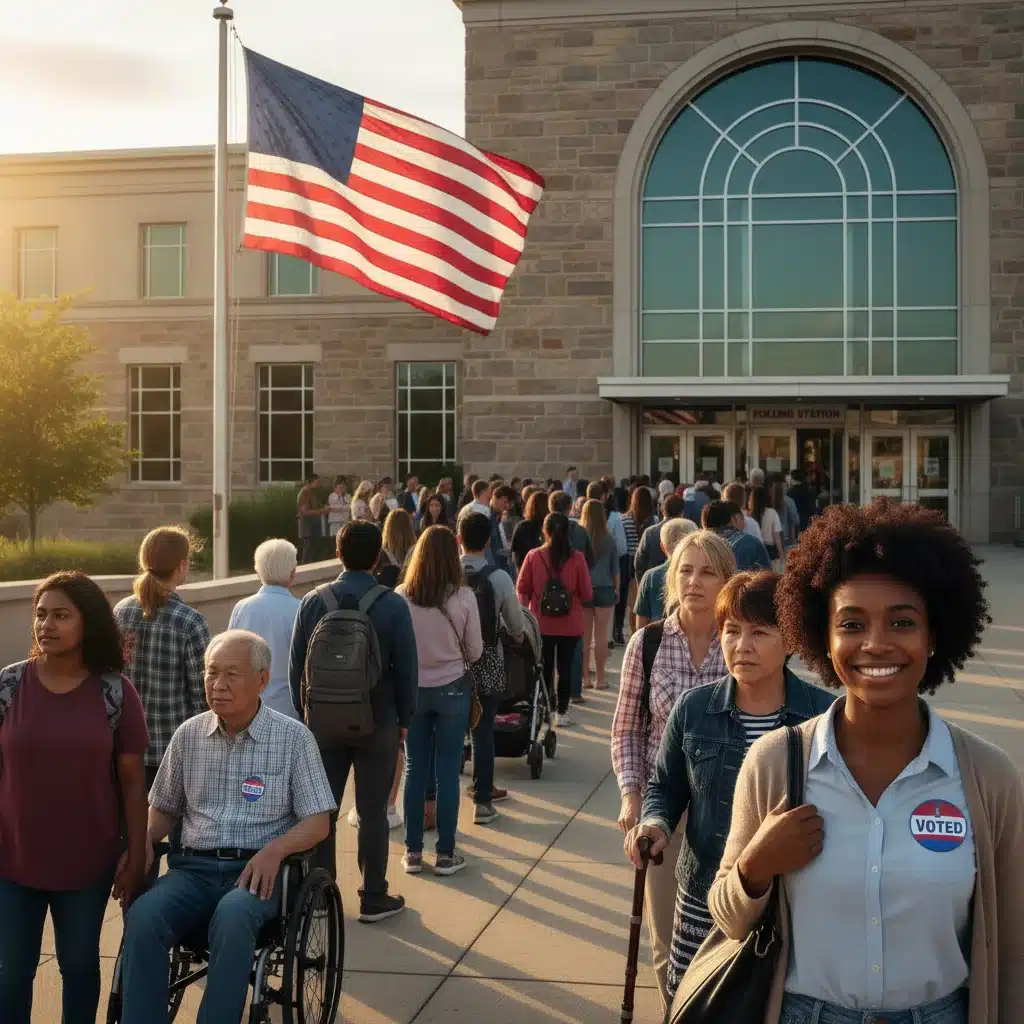
As the political landscape continues to evolve, all eyes are turning towards the 2026 Midterm Elections, which are poised to be a defining moment for American democracy. Current projections and early polling data suggest an unprecedented 60% voter turnout, a figure that, if realized, would represent a significant increase in engagement compared to historical midterm averages. This anticipated surge in participation signals a highly energized electorate, ready to make its voice heard on a myriad of pressing issues. Understanding the dynamics behind this projected turnout, identifying the key races, and analyzing their potential impact are crucial for anyone following American politics.
The stakes in the 2026 Midterm Elections could not be higher. These elections will determine the composition of the U.S. House of Representatives and a significant portion of the U.S. Senate, directly influencing the legislative agenda for the latter half of the presidential term. Control of Congress often shifts during midterms, serving as a referendum on the incumbent administration and setting the stage for the next presidential election cycle. With such a high predicted voter turnout, the outcomes are likely to be even more impactful and potentially surprising.
This comprehensive analysis will delve into the factors contributing to the projected 60% voter turnout, dissect the most competitive races across the nation, and explore the broader implications for both major political parties. We will examine the issues driving voter enthusiasm, the demographic shifts influencing electoral strategies, and the role of grassroots movements in mobilizing the electorate. From gubernatorial contests to pivotal congressional battles, the 2026 Midterm Elections promise to be a fascinating study in American political engagement.
Understanding the Projected 60% Voter Turnout in 2026 Midterm Elections
The prediction of a 60% voter turnout for the 2026 Midterm Elections is a notable departure from historical trends. Midterm elections typically see lower participation rates compared to presidential elections, often hovering around the 40-50% mark. A jump to 60% would indicate a highly galvanized electorate, a phenomenon usually associated with periods of significant political contention or widespread public concern over specific issues.
Factors Driving Increased Voter Engagement
Several convergent factors are likely contributing to this anticipated surge in voter participation. Firstly, the current political climate is intensely polarized, with deep divisions on ideological, social, and economic fronts. This polarization, while often seen as detrimental, can also serve as a powerful motivator for voters on both sides of the spectrum to cast their ballots. When voters perceive the stakes to be exceptionally high, their propensity to participate increases significantly. The 2026 Midterm Elections are no exception, with many feeling that the future direction of the country hangs in the balance.
Secondly, key national issues are expected to play a dominant role. Discussions around economic stability, healthcare access, climate change policies, and social justice reforms are already prominent. Voters are increasingly recognizing the direct impact of legislative decisions on their daily lives, leading to a greater desire to elect representatives who align with their views. The ongoing debates on these crucial topics are keeping the electorate engaged and informed, fostering a sense of urgency to participate in the democratic process.
Thirdly, advancements in voter mobilization techniques and digital campaigning are making it easier for campaigns to reach and engage potential voters. Social media platforms, targeted advertising, and sophisticated data analytics allow political parties and advocacy groups to identify and activate their base more effectively than ever before. Grassroots organizations are also playing a vital role, utilizing community organizing and peer-to-peer outreach to encourage participation, especially among younger demographics and minority groups who have historically been underrepresented in midterm elections.
Finally, the legacy of recent political events and the continuous news cycle ensure that political discourse remains at the forefront of public consciousness. Major policy changes, judicial decisions, and international developments keep the public attuned to the political process, reinforcing the importance of every election, including the 2026 Midterm Elections. This sustained attention translates into higher awareness and, consequently, higher turnout.
Key Races to Watch Across the Nation
The 2026 Midterm Elections will feature a multitude of critical races that will shape the balance of power in Washington D.C. and in state capitals nationwide. While it’s early, several contests are already drawing significant attention due to their competitive nature, the profiles of the candidates, or their strategic importance.
Senate Battles: The Fight for Control
Control of the U.S. Senate is often decided by a handful of races, and the 2026 cycle will be no different. Several states with retiring senators or vulnerable incumbents are expected to be battlegrounds. For instance, states like Pennsylvania, Arizona, and Georgia, which have seen incredibly close contests in recent cycles, are likely to be central to the fight for Senate majority. These races will attract immense financial investment and national media attention, with both parties pouring resources into securing these crucial seats. The ability of candidates to connect with independent voters and motivate their base will be paramount.
Another area of focus will be states where the incumbent party holds a slim majority or where a popular governor might challenge an unpopular senator. The national political mood, the president’s approval rating, and the performance of the economy will all play significant roles in these high-stakes Senate races. Understanding the local issues and candidate platforms will be key to predicting the outcomes of these pivotal contests within the 2026 Midterm Elections.
House of Representatives: District-by-District Showdowns
Every seat in the U.S. House of Representatives is up for election in the 2026 Midterm Elections, leading to hundreds of individual campaigns. While many districts are considered safe for one party or the other, a substantial number of competitive districts will determine which party holds the majority. These ‘swing districts’ often reflect the national mood more acutely and are frequently the target of intense campaigning and external spending.
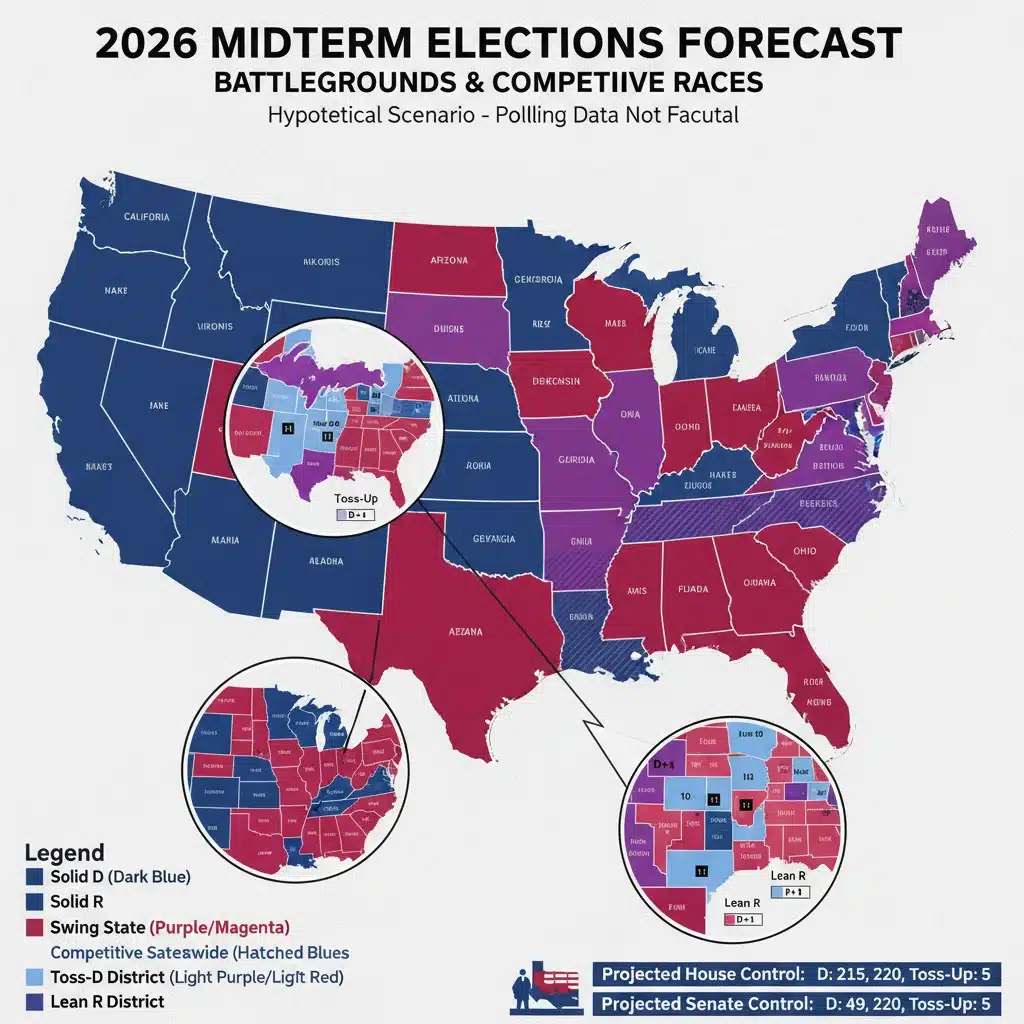
Particular attention will be paid to districts that flipped in recent elections or those with newly drawn boundaries due to redistricting. States like Texas, Florida, and North Carolina, which have seen significant population shifts, will likely have several such contests. The messaging from national party committees will be crucial, but the ability of House candidates to address local concerns and build strong community ties will ultimately decide many of these races. The fight for the House will be a nuanced battle fought on a district-by-district basis, each with its unique demographic and political characteristics.
Gubernatorial and State-Level Contests
Beyond Congress, the 2026 Midterm Elections will also feature numerous gubernatorial elections and state legislative races that are critical for policy implementation and future political pipelines. Governors play a significant role in state governance, from education and healthcare to economic development and environmental policy. Key gubernatorial races in large states can often serve as bellwethers for national sentiment and can launch future presidential contenders.
States like California, New York, and Florida, among others, will elect new governors or re-elect incumbents. These races, while sometimes overshadowed by federal contests, are immensely important for the day-to-day lives of citizens. Furthermore, state legislative elections determine which party controls state houses, influencing everything from voting rights to reproductive healthcare access. The outcomes of these state-level contests will have profound implications for policy at the local level and can also impact the national political discourse leading into the 2026 Midterm Elections.
The Impact of the 2026 Midterm Elections on the Political Landscape
A projected 60% voter turnout in the 2026 Midterm Elections suggests that the results will have far-reaching consequences, potentially reshaping the political landscape for years to come. The outcomes will influence legislative priorities, executive power, and the broader narrative leading into the 2028 presidential election.
Legislative Agenda and Policy Implications
The party that controls Congress after the 2026 Midterm Elections will largely dictate the legislative agenda. If the incumbent president’s party gains seats or maintains control, it could provide a mandate for their policy proposals, allowing them to push through legislation on key issues like infrastructure, climate change, or social programs. Conversely, if the opposition party secures a majority, it could lead to legislative gridlock, increased oversight of the executive branch, and a significant shift in policy direction. This dynamic underscores the importance of the 2026 Midterm Elections.
Areas such as fiscal policy, immigration reform, and judicial appointments are particularly sensitive to shifts in congressional control. A change in leadership could mean a complete overhaul of current approaches or a fierce resistance to proposed changes. For example, if one party gains control of both chambers, they might be able to fast-track legislation that has been stalled, or conversely, use their power to block the president’s initiatives. The legislative implications of the 2026 Midterm Elections are thus profound and will directly affect millions of Americans.
Shifting Power Dynamics and Future Elections
The results of the 2026 Midterm Elections will inevitably alter the power dynamics within both major political parties. Strong performances by certain factions or candidates could elevate their status, influencing party leadership and future nominations. A poor showing, on the other hand, could lead to internal introspection, leadership challenges, and a re-evaluation of party platforms.
Moreover, the outcomes will serve as a crucial indicator for the 2028 presidential election. Successful candidates in competitive midterm races often become rising stars within their parties, positioning themselves for higher office. The messaging, strategies, and issues that resonate with voters in 2026 will provide valuable insights into what might work in a presidential campaign. The 2026 Midterm Elections are, in many ways, a dress rehearsal for the next presidential contest, offering clues about voter sentiment and emerging political trends.
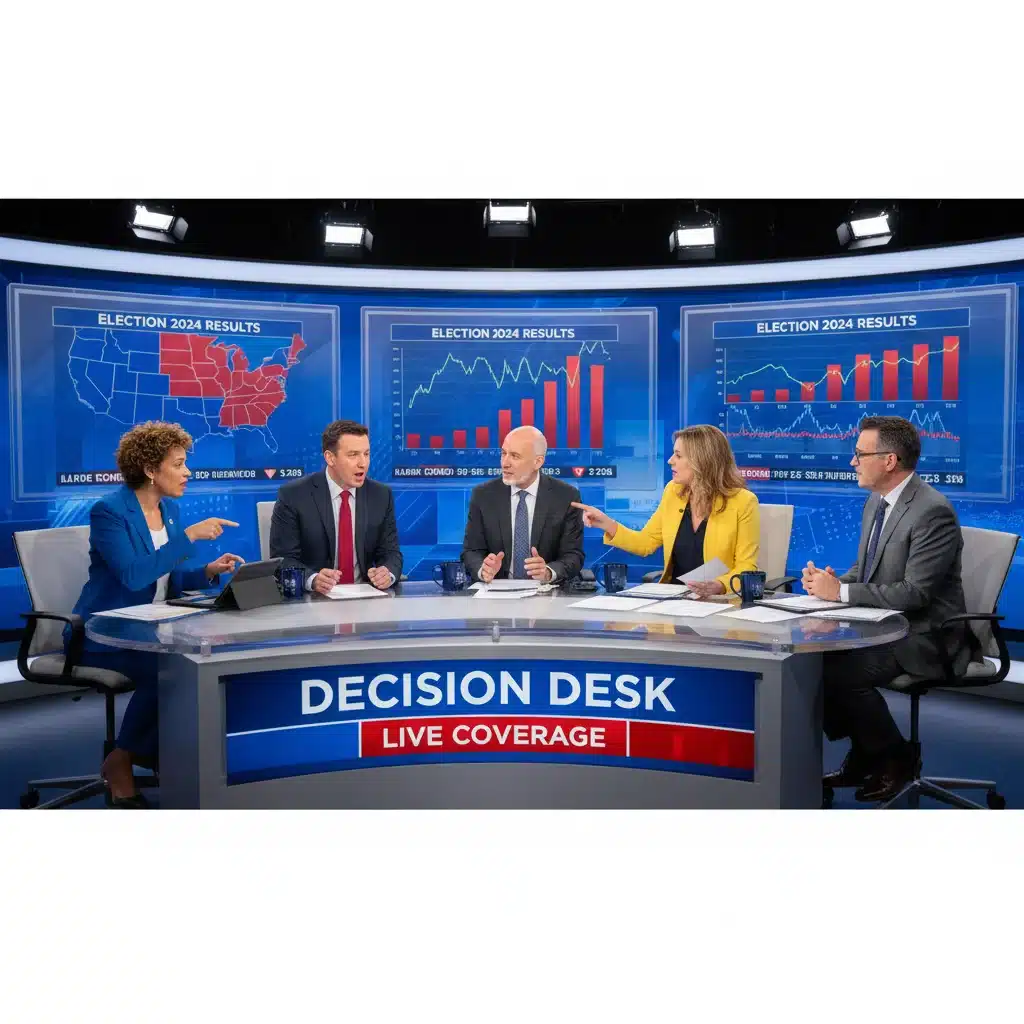
Challenges and Opportunities for Political Parties
Both the Democratic and Republican parties face unique challenges and opportunities in the lead-up to the 2026 Midterm Elections. Their ability to adapt to the high voter turnout and effectively communicate their messages will be critical to their success.
Democratic Party Strategy
For the Democratic Party, the opportunity lies in mobilizing its diverse coalition of voters, including young people, urban populations, and minority groups. Their challenge will be to maintain enthusiasm among these demographics, particularly if the incumbent administration faces headwinds. Messaging around social justice, environmental protection, and economic equality will be central to their campaign efforts. The party will also need to address concerns about inflation and cost of living, which often weigh heavily on voters’ minds during midterm cycles.
Furthermore, the Democrats will need to effectively defend their legislative achievements and demonstrate how their policies have benefited the average American. They must also be prepared to counter narratives from the opposition and present a united front on key issues. The success of the Democratic Party in the 2026 Midterm Elections will hinge on their ability to energize their base while also appealing to moderate and independent voters.
Republican Party Strategy
The Republican Party’s strategy will likely focus on leveraging any dissatisfaction with the incumbent administration, emphasizing issues such as economic stability, national security, and individual liberties. They will aim to energize their base in rural areas and among conservative voters, while also trying to win over suburban voters who may be swayed by economic concerns or cultural issues. Their challenge will be to present a cohesive vision that can unite various factions within the party and avoid internal divisions that could detract from their overall message.
Republicans will also likely highlight any perceived failures of the current administration and offer alternative solutions. The party’s ability to articulate a clear and compelling economic platform, coupled with strong candidates in competitive districts, will be crucial. For the Republican Party, the 2026 Midterm Elections represent a significant opportunity to regain ground and potentially reshape the legislative agenda.
The Role of Independent and Unaffiliated Voters
With a projected 60% voter turnout, the influence of independent and unaffiliated voters in the 2026 Midterm Elections cannot be overstated. These voters, who do not align with either major party, often serve as the crucial swing demographic that determines the outcome of close races. Their motivations are diverse, and their votes are often earned by candidates who can demonstrate authenticity, address practical concerns, and transcend partisan rhetoric.
Campaigns will invest heavily in understanding the concerns of independent voters, tailoring messages to appeal to their desire for pragmatic solutions and effective governance. Issues such as government accountability, fiscal responsibility, and bipartisan cooperation often resonate strongly with this demographic. Candidates who can successfully bridge the partisan divide and offer a vision of unity and progress are more likely to win the support of these pivotal voters in the 2026 Midterm Elections.
The Impact of Social Media and Information Dissemination
In an era dominated by digital communication, social media and the broader landscape of information dissemination will play an even more critical role in the 2026 Midterm Elections. Platforms like X (formerly Twitter), Facebook, Instagram, and TikTok are not just tools for communication but also battlegrounds for narratives, misinformation, and voter mobilization.
Candidates and parties will continue to refine their digital strategies, utilizing micro-targeting and viral content to reach specific voter segments. However, the challenge of combating misinformation and disinformation will also intensify. Voters will need to be more discerning than ever, relying on credible news sources and critical thinking to navigate the complex information environment. The ability of campaigns to effectively use digital platforms to inform and persuade, while also addressing the spread of false information, will be a significant factor in the 2026 Midterm Elections.
Conclusion: A Pivotal Moment for American Democracy
The 2026 Midterm Elections, with their predicted 60% voter turnout, are shaping up to be a pivotal moment for American democracy. The confluence of a highly energized electorate, critical national issues, and intensely competitive races guarantees an election cycle that will be closely watched and hotly contested. The outcomes will not only determine the immediate legislative future but also set the trajectory for the next presidential election and beyond.
As citizens, understanding the dynamics at play, staying informed about the key races, and recognizing the potential impact of each vote are more important than ever. The high anticipated turnout is a testament to the enduring power of democratic participation and the collective desire of Americans to shape their nation’s future. The 2026 Midterm Elections will undoubtedly provide a compelling narrative of civic engagement and political transformation.