
Maximizing Your 529 Plans in 2026: New State Incentives That Could Boost College Savings by 10%
The landscape of college savings is constantly evolving, and for those planning for future educational expenses, staying ahead of the curve is paramount. As we look towards 2026, significant changes are on the horizon for 529 plans, particularly with the introduction of new state incentives. These incentives are not merely minor adjustments; they represent a potential game-changer, offering an opportunity to significantly boost your college savings, possibly by up to 10% or even more, depending on your state and individual circumstances. Understanding these new opportunities is crucial for any family committed to securing their children’s educational future.
A 529 plan, officially known as a ‘qualified tuition plan,’ is a tax-advantaged savings plan designed to encourage saving for future education costs. Sponsored by states, state agencies, or educational institutions, these plans offer various investment options, typically including mutual funds and exchange-traded funds (ETFs). The primary tax benefits of a 529 plan include tax-free growth and tax-free withdrawals when the money is used for qualified education expenses. This means that as your investments grow, you won’t pay federal taxes on the earnings, and when it’s time to pay for college, you won’t pay federal taxes on the withdrawals either, as long as they’re for eligible expenses.
However, the real magic often lies in the state-level benefits. Many states offer additional incentives, such as tax deductions or credits for contributions, which can further enhance the attractiveness of these plans. The year 2026 is poised to introduce a new wave of such incentives, driven by a growing recognition among state legislatures of the escalating costs of higher education and the need to support families in their savings efforts. These new state incentives are designed to make 529 plans even more appealing, potentially offering a substantial increase in the overall value of your savings. This article delves into these upcoming changes, offering insights and strategies to help you maximize your 529 plan contributions and take full advantage of every available benefit.
Understanding the Core of 529 Plans: A Refresher
Before we dive into the specifics of the 2026 state incentives, it’s beneficial to briefly revisit the fundamental structure and benefits of 529 plans. These plans come in two main types: prepaid tuition plans and education savings plans. Prepaid tuition plans allow you to lock in tuition rates at eligible in-state public colleges and universities, and sometimes private institutions, by purchasing units or credits at today’s prices. Education savings plans, which are more common, allow you to save money in an investment account to be used for a wide range of qualified education expenses, including tuition, fees, books, supplies, equipment, and even room and board for students enrolled at least half-time.
The flexibility of 529 plans has expanded significantly over the years. In addition to traditional college expenses, funds can now be used for K-12 tuition expenses (up to $10,000 per year per beneficiary), apprenticeship programs, and even to pay off up to $10,000 in student loan debt (per beneficiary) over the beneficiary’s lifetime. This broadened scope makes 529 plans an incredibly versatile tool for education funding at various stages of a person’s life.
One of the most compelling aspects of 529 plans is their tax treatment. Contributions are made with after-tax dollars, but the money grows tax-deferred, similar to a 401(k) or IRA. When withdrawals are made for qualified education expenses, they are entirely tax-free at the federal level. This tax-free growth can lead to substantial savings over time, especially when compounded over many years. For instance, an investment that grows at 6% annually for 18 years will more than double in value, and keeping those gains tax-free is a significant advantage.
Furthermore, 529 plans offer potential estate and gift tax benefits. Contributions are considered completed gifts for federal gift tax purposes, meaning you can contribute up to the annual gift tax exclusion ($18,000 per individual in 2024, or $36,000 for married couples filing jointly) without incurring gift taxes. There’s also a special provision allowing a lump-sum contribution of up to five years’ worth of gift tax exclusions ($90,000 per individual or $180,000 per couple in 2024) without incurring gift tax, as long as you elect to treat the contribution as having been made ratably over the five-year period. This can be an excellent strategy for grandparents or wealthy individuals looking to reduce their taxable estate while funding a grandchild’s education.
The 2026 Horizon: New State Incentives for 529 Plans
The year 2026 is shaping up to be a pivotal moment for 529 plan beneficiaries and contributors. Several states are actively considering or have already passed legislation to introduce new and enhanced state incentives. These incentives often come in the form of increased tax deductions for contributions, new matching grant programs, or even direct deposit bonuses for opening a new account. The motivation behind these legislative changes is multifaceted: states aim to encourage more families to save for college, alleviate student loan burdens, and ultimately foster a more educated workforce.
While the specifics will vary by state, common themes emerging for 2026 include:
- Increased Tax Deductions/Credits: Many states already offer tax deductions or credits for 529 plan contributions. In 2026, some states are proposing to increase the maximum deduction limits, allowing families to shield more of their income from state taxes. Other states that previously offered no state tax benefits are now considering introducing them, making 529 plans a viable option for a broader range of residents.
- Matching Grant Programs: A growing trend is for states to offer matching grants, especially for lower and middle-income families. These programs typically involve the state contributing a certain amount to a 529 account for every dollar contributed by the family, up to a specified limit. This can provide an immediate and substantial boost to savings, often with a focus on encouraging early saving habits.
- Birthright or Seed Programs: Some innovative states are exploring ‘birthright’ or ‘seed’ programs, where a small initial contribution is automatically made by the state into a 529 account for every child born in the state. While often a modest amount, this initial seed can grow significantly over 18 years and serves as a powerful reminder and incentive for parents to start saving.
- Expanded Definition of Qualified Expenses: Though less common at the state level, some states might align their definitions of qualified expenses more closely with federal expansions, or even go beyond, offering state-specific benefits for certain educational expenditures.
- Financial Literacy Initiatives: Alongside direct financial incentives, many states are coupling their 529 plan pushes with enhanced financial literacy programs, aiming to educate families on the benefits of saving for college and how to best utilize these plans.
It’s crucial to note that these state incentives are often tied to contributing to your home state’s 529 plan. While you are generally free to invest in any state’s 529 plan, regardless of where you live, you typically only receive state tax benefits (like deductions or credits) by contributing to your own state’s plan. Therefore, understanding your state’s specific offerings for 2026 will be key to maximizing these new incentives.
How These New Incentives Can Boost Your Savings by 10% (or More!)
The claim of a 10% boost might seem ambitious, but when you combine the power of tax-free growth, existing state benefits, and these new 2026 incentives, it becomes a very realistic target. Let’s break down how this could work:
Consider a hypothetical family living in a state with a 5% state income tax rate that decides to contribute $5,000 annually to their 529 plan. If their state currently offers a tax deduction for 529 contributions, this could immediately save them $250 ($5,000 * 5%) in state taxes. This is effectively an immediate 5% return on their contribution.
Now, imagine in 2026, their state either increases the deduction to, say, 7.5%, or introduces a matching grant program. If the deduction increases, their savings jump to $375, an effective 7.5% boost. If, instead, the state introduces a 10% matching grant up to $500, their $5,000 contribution would be supplemented by an additional $500 from the state. This $500 is a direct, immediate 10% increase to their savings, on top of any tax deduction they might still receive.
Furthermore, this initial boost, whether from a tax deduction or a matching grant, then benefits from the long-term, tax-free growth within the 529 plan. Over 10-15 years, that initial 10% boost can compound significantly, leading to a much larger overall increase in the total college savings. For example, an extra $500 invested today could easily grow to $1,000 or more by the time college rolls around, thanks to the power of compounding and tax-free earnings.
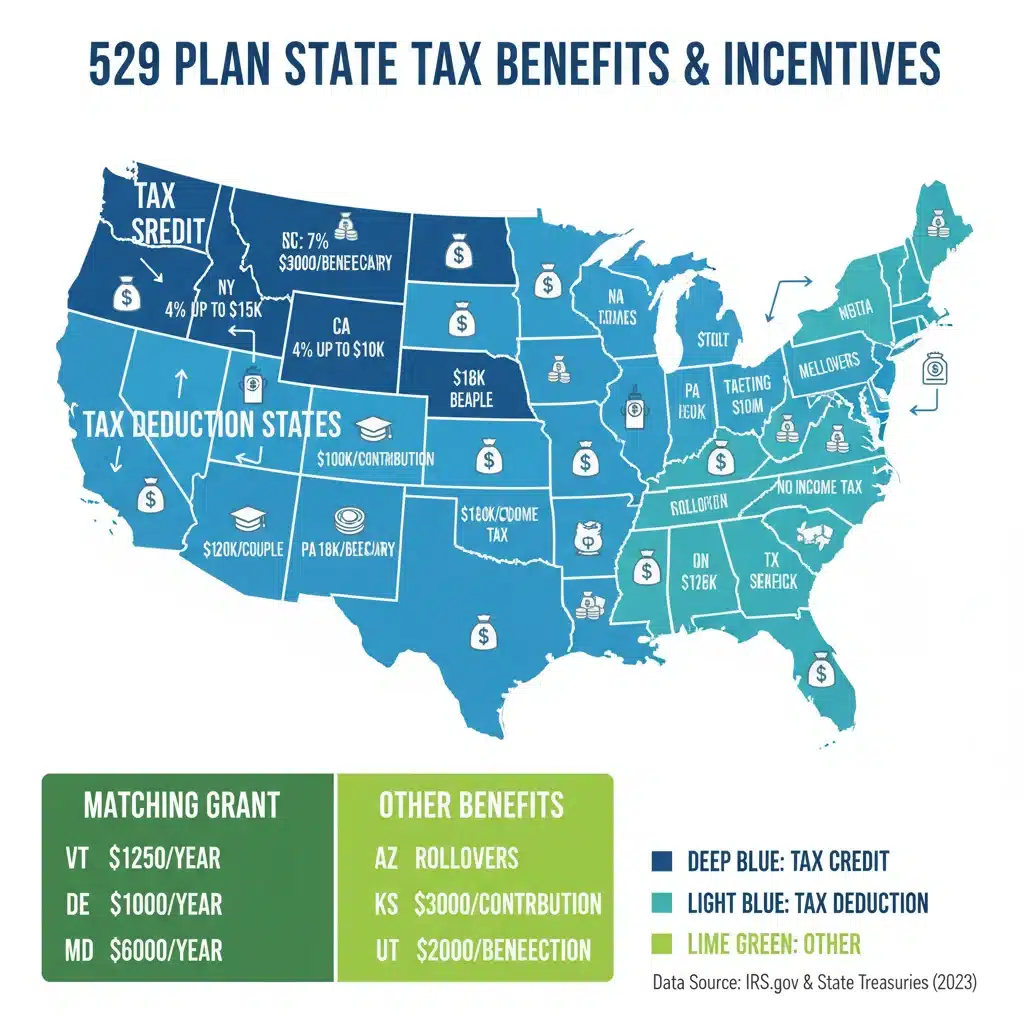
For families in states introducing new matching grants, the impact can be even more dramatic, especially for those who might have found it challenging to save large sums initially. A small, consistent contribution coupled with a state match can create a substantial nest egg over time. This makes the new 529 plan incentives for 2026 particularly attractive for a wide demographic.
Actionable Strategies to Maximize Your 529 Plan with 2026 Incentives
To truly capitalize on the upcoming 529 plan incentives, a proactive and informed approach is essential. Here are actionable strategies to consider:
1. Stay Informed About Your State’s Specific Changes
The most critical step is to monitor legislative developments in your state. State treasury websites, financial news outlets, and even directly contacting your state’s 529 plan administrator can provide up-to-date information on proposed and enacted changes for 2026. Don’t assume your state’s benefits will remain static; they are very likely to evolve. Knowing the exact nature of the new deductions, credits, or matching programs will allow you to tailor your contribution strategy effectively.
2. Front-Load Contributions Early in the Year
If your state offers a tax deduction or credit for contributions, consider front-loading your contributions at the beginning of the tax year, especially if there’s a new or increased benefit. This allows your money more time to grow tax-free within the plan, maximizing the compounding effect. If a matching grant program is introduced, contributing early might also ensure you meet any deadlines or eligibility requirements for the match.
3. Leverage Matching Grant Programs Aggressively
If your state introduces a matching grant, understand its mechanics thoroughly. What are the income limits? What is the maximum match amount? How often can you receive it? Prioritize contributing enough to qualify for the full match, as this is essentially free money for your child’s education. A $500 matching grant could be a substantial portion of your annual savings goal, making these 529 plan incentives incredibly valuable.
4. Re-evaluate Your Investment Strategy
With potentially higher contributions (due to incentives) and a longer time horizon, it might be an opportune time to re-evaluate your 529 plan’s investment strategy. Are you comfortable with the current allocation? Age-based portfolios automatically adjust risk over time, but you might consider a more aggressive approach if you have a long time until college and are leveraging new incentives to boost your principal. Conversely, as college approaches, you’ll want to shift towards more conservative investments.
5. Consider the ‘Superfunding’ Option
For those with the financial capacity, the ‘superfunding’ option allows you to contribute up to five years’ worth of gift tax exclusion in a single year ($90,000 for an individual or $180,000 for a married couple in 2024). If your state is introducing a new, significant tax deduction or credit in 2026, and you’re planning a large contribution anyway, this could be an excellent way to maximize your state tax benefits all at once, while also removing assets from your taxable estate. Consult with a tax advisor to ensure this strategy aligns with your overall financial plan.
6. Review Beneficiary Changes and Rollovers
The rules around changing beneficiaries and rolling over funds between 529 plans are quite flexible. If your current 529 plan isn’t offering competitive investment options or if a new state incentive makes another state’s plan significantly more attractive (even if you forego your home state’s deduction), you might consider rolling over your funds. However, always weigh the benefits of a new incentive against the loss of existing state tax benefits from your current plan. This decision should be made carefully and with professional advice.
7. Educate Others: Grandparents and Relatives
Many grandparents and other relatives are keen to contribute to a child’s education. Inform them about the new 529 plan incentives in your state. Their contributions could also qualify for state tax deductions or credits if they are residents of your state and contribute to your state’s plan. This can be a powerful way to collectively boost college savings.
The Broader Impact of 529 Plan Incentives
The introduction of new state incentives for 529 plans in 2026 isn’t just about individual financial gain; it has broader societal implications. By encouraging more families to save for college, states are investing in their future workforce and reducing the reliance on student loans, which can have long-term economic benefits. A more educated populace generally leads to higher earning potential, increased tax revenues, and a more robust economy.
For families, these incentives offer a tangible pathway to making higher education more accessible and affordable. The psychological benefit of knowing you have a dedicated savings vehicle, bolstered by state support, can alleviate much of the stress associated with college planning. It empowers parents and guardians to take control of their financial future and provide better opportunities for their children.
Moreover, the competition among states to attract and retain residents often drives these enhanced benefits. States want to be perceived as forward-thinking and supportive of education, leading to a beneficial cycle where improved incentives in one state might prompt others to follow suit. This competitive environment ultimately benefits savers across the country.

Potential Pitfalls and Considerations
While the 2026 529 plan incentives are overwhelmingly positive, it’s essential to be aware of potential nuances and considerations:
- State Residency Requirements: Most state tax deductions or credits are only available to residents of that state who contribute to their home state’s 529 plan. If you move, your eligibility for these specific benefits might change.
- Income Limitations: Some matching grant programs or enhanced tax credits may have income limitations, targeting lower and middle-income families. Always check the eligibility criteria.
- Recapture Provisions: A few states have recapture provisions, meaning if you withdraw funds for non-qualified expenses, you might have to pay back the state tax deductions or credits you received. Understand these rules before making non-qualified withdrawals.
- Investment Risk: While 529 plans offer tax advantages, they are investment accounts and are subject to market fluctuations. There’s no guarantee of returns, and you could lose money. Choose investment options that align with your risk tolerance and time horizon.
- Fees: Be mindful of the fees associated with 529 plans, including administrative fees, underlying fund expenses, and potentially advisor fees if you use an advisor-sold plan. High fees can eat into your returns, diminishing the benefit of incentives.
Consulting with a qualified financial advisor is always a wise decision when navigating complex financial products like 529 plans, especially with new incentives coming into play. An advisor can help you understand the specific benefits available in your state, assess your financial situation, and create a comprehensive college savings strategy tailored to your goals.
Looking Ahead: The Future of College Savings
The continuous evolution of 529 plans, particularly with the introduction of new state incentives in 2026, underscores a broader commitment to making higher education more attainable. These plans are not static financial instruments; they adapt to the changing economic landscape and educational needs. As college costs continue to rise, the importance of tax-advantaged savings vehicles like 529 plans will only increase.
Families should view 2026 as a fresh opportunity to re-evaluate their college savings strategy. Whether it’s taking advantage of increased state tax deductions, leveraging new matching grants, or simply starting a 529 plan for the first time, the upcoming changes provide compelling reasons to act. The potential to boost college savings by 10% or more is a significant advantage that savvy savers will not want to miss.
Beyond the immediate financial benefits, contributing to a 529 plan instills a sense of financial responsibility and foresight. It demonstrates a commitment to your child’s future and provides them with the invaluable gift of educational opportunity, free from the burden of excessive debt. By understanding and utilizing the new 529 plan incentives in 2026, you’re not just saving money; you’re investing in a brighter future.
Conclusion: Seize the Opportunity in 2026
The year 2026 offers a unique window of opportunity for families looking to maximize their college savings through 529 plans. With new state incentives on the horizon, ranging from enhanced tax deductions and credits to robust matching grant programs, the potential to boost your educational fund by a significant margin – potentially 10% or even higher – is very real. These changes reflect a growing recognition of the importance of accessible higher education and a concerted effort by states to support their residents.
To fully capitalize on these upcoming benefits, proactive research into your specific state’s legislative changes is paramount. Understand the new rules, eligibility criteria, and how they integrate with your current financial planning. Consider front-loading contributions, aggressively pursuing matching grants, and periodically reviewing your investment strategy within the 529 plan. Don’t overlook the potential for ‘superfunding’ or encouraging contributions from family members who might also benefit from state tax incentives.
While 529 plans offer incredible advantages, remember to consider potential pitfalls such as residency requirements, income limitations, and investment risks. Professional financial advice can be invaluable in navigating these complexities and ensuring your strategy is optimized for your individual circumstances. By taking these steps, you can transform the new 529 plan incentives of 2026 into a powerful engine for your college savings, paving the way for a more secure and educated future for your loved ones.