Veterans’ Benefits 2026: Healthcare & Education Expansions
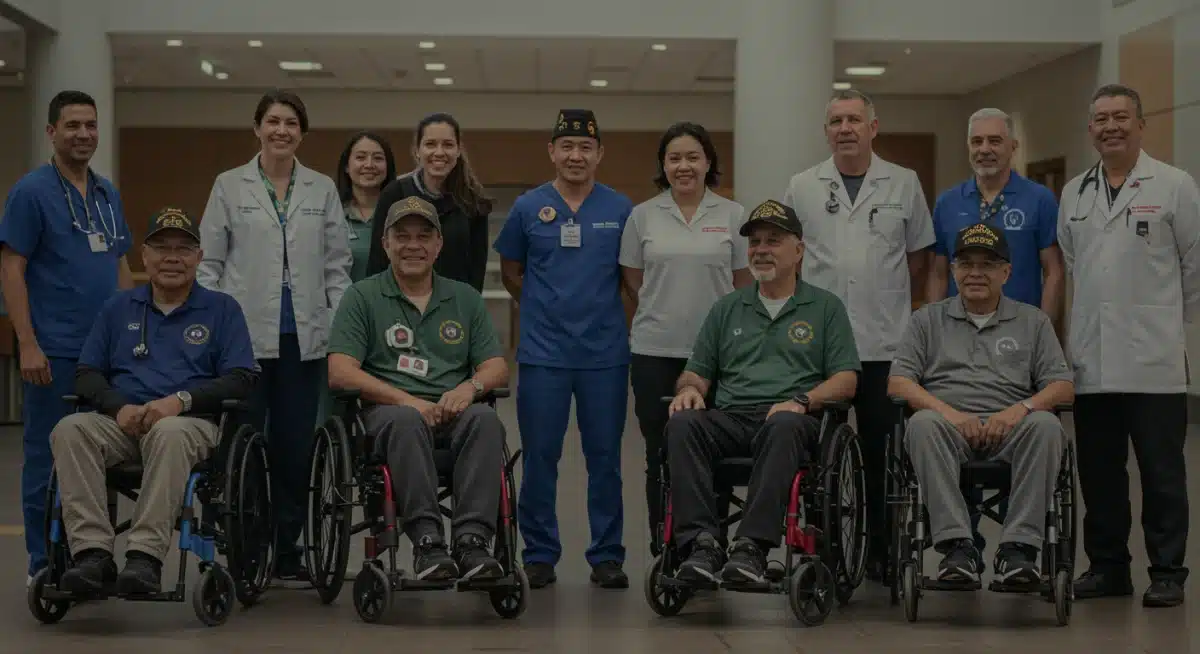
The year 2026 marks a pivotal moment for veterans, with substantial enhancements to healthcare services and robust expansions in educational opportunities, ensuring comprehensive support for service members and their families.
As we navigate 2026, understanding the evolving landscape of veterans benefits 2026 is crucial for service members and their families. These updated programs offer vital support, particularly in healthcare and education, aiming to improve the quality of life for those who have served our nation.
Understanding the New Healthcare Initiatives for Veterans
The year 2026 brings forth a suite of groundbreaking healthcare initiatives designed to provide veterans with more accessible, comprehensive, and personalized medical care. These advancements reflect a commitment to addressing the diverse health needs of service members, from preventative care to specialized treatments.
One of the primary focuses of these initiatives is the expansion of mental health services. Recognizing the invisible wounds of war, new programs emphasize early intervention, trauma-informed care, and long-term psychological support. Veterans can now expect more integrated mental health services within their primary care settings, reducing stigma and improving continuity of care.
Expanded access to specialized care
- Telehealth services: Enhanced telehealth options are now available, allowing veterans in rural or underserved areas to connect with specialists remotely, improving access to critical care.
- Prescription drug coverage: The formulary has been updated to include a broader range of medications, particularly for chronic conditions and mental health disorders, ensuring veterans receive the most effective treatments.
- Prosthetics and adaptive equipment: Funding for advanced prosthetics and adaptive equipment has significantly increased, incorporating cutting-edge technology to improve mobility and independence.
Furthermore, the VA is investing heavily in preventative health programs. These include initiatives focused on nutrition, exercise, and chronic disease management, empowering veterans to take a more active role in their health and well-being. The goal is to shift from reactive treatment to proactive prevention, fostering healthier lifestyles among the veteran community.
The new healthcare initiatives also streamline the process for veterans to receive care outside the VA system when necessary, ensuring timely access to services that might not be immediately available within VA facilities. This collaborative approach between VA and community providers is set to significantly reduce wait times and expand treatment options.
Overall, the 2026 healthcare expansions represent a holistic approach to veteran well-being, focusing on accessibility, quality, and preventative care. These changes aim to ensure that every veteran receives the care they need, when they need it, fostering a healthier and more resilient veteran population.
Enhanced Education Programs for Service Members and Families
Education remains a cornerstone of successful post-service transition, and 2026 introduces substantial enhancements to educational programs for service members, veterans, and their families. These expansions are designed to provide greater flexibility, wider access to diverse learning opportunities, and improved financial support, empowering individuals to achieve their academic and career aspirations.
A key development is the broadened scope of eligible educational institutions and programs. Veterans can now utilize their benefits for a wider array of vocational training, certification courses, and non-degree programs, alongside traditional college degrees. This flexibility is crucial in a rapidly evolving job market, allowing veterans to acquire in-demand skills quickly.
New scholarship and grant opportunities
- STEM scholarships: Increased funding for Science, Technology, Engineering, and Mathematics (STEM) scholarships encourages veterans to pursue fields critical to national innovation and economic growth.
- Spousal and dependent grants: New grant programs are available to spouses and dependents, recognizing the sacrifices made by military families and supporting their educational pursuits.
- Entrepreneurship training: Specialized programs and grants now support veterans looking to start their own businesses, combining academic learning with practical entrepreneurial skills.
The updated education benefits also include improved counseling and career guidance services. Veterans will have access to dedicated advisors who can help them navigate educational pathways, choose suitable programs, and connect with potential employers. This personalized support is vital for maximizing the impact of their educational investments.
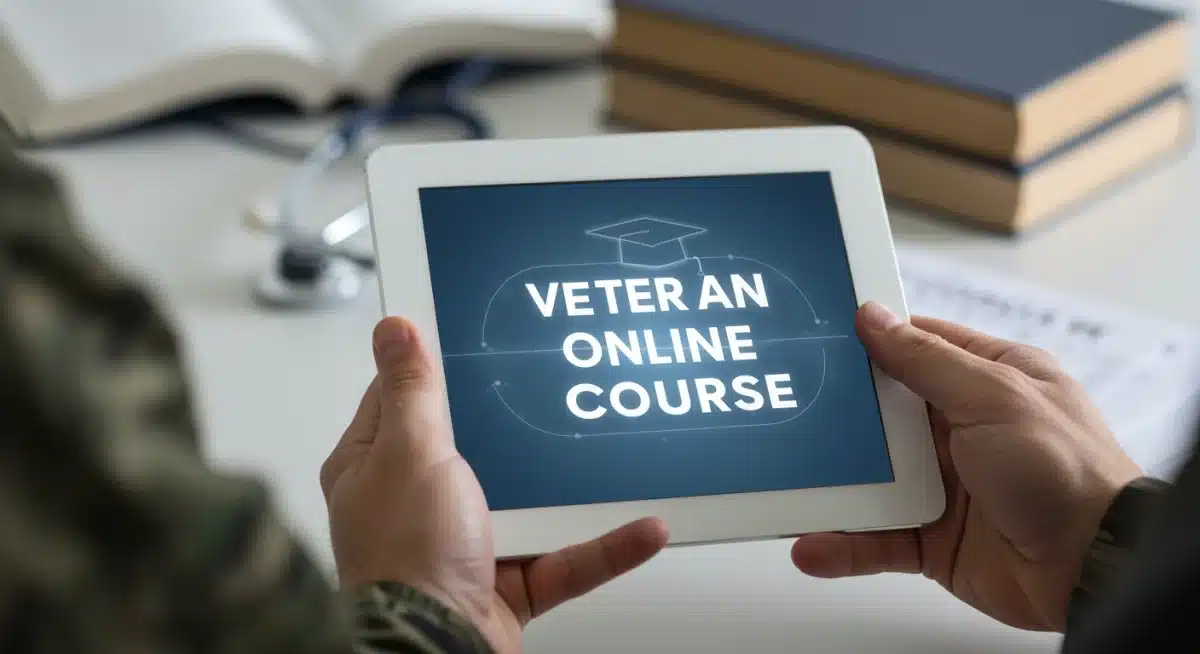
Furthermore, there’s a significant push towards online and hybrid learning models. Recognizing the diverse circumstances of veterans, these flexible learning options allow them to balance their studies with family responsibilities, work commitments, or medical appointments. This ensures that education is accessible regardless of geographical location or personal situation.
In conclusion, the 2026 education program expansions are transformative, offering unparalleled opportunities for personal and professional growth. By broadening access, increasing financial aid, and providing robust support services, these benefits aim to equip service members and their families with the knowledge and skills necessary for long-term success.
Streamlined Application Processes and Eligibility Updates
Navigating the application process for veterans’ benefits can often be complex. In 2026, significant efforts have been made to streamline these processes and update eligibility criteria, making it easier for veterans and their families to access the support they deserve. These changes are aimed at reducing administrative burdens and ensuring that benefits reach those in need more efficiently.
A major improvement is the introduction of a modernized online portal for all benefit applications. This digital platform is designed to be user-friendly, providing clear instructions, real-time status updates, and integrated support. Veterans can now submit and track their applications from any device, reducing the need for paper forms and in-person visits.
Key updates in eligibility criteria
- Service-connected disability ratings: The criteria for service-connected disability ratings have been reviewed and updated to reflect the latest medical understanding of certain conditions, potentially making it easier for veterans to qualify for benefits.
- Dependent eligibility: Adjustments have been made to dependent eligibility requirements, ensuring that a broader range of family members can access educational and healthcare benefits.
- Residency requirements: While largely consistent, minor clarifications have been made regarding residency for state-specific benefits to ensure equitable access across all U.S. territories.
In addition to technological advancements, there has been an increase in outreach programs and personalized assistance for veterans. VA representatives are now more readily available to guide applicants through the process, answer questions, and help gather necessary documentation. This human touch complements the digital improvements, ensuring no veteran is left behind due to procedural complexities.
The updated eligibility criteria also reflect a more inclusive approach, recognizing the diverse experiences and needs of today’s service members. These revisions aim to close gaps in coverage and ensure that benefits are extended to a wider population of veterans, including those who may have previously faced challenges in qualifying.
Ultimately, the streamlined application processes and eligibility updates in 2026 are a testament to the commitment to serve veterans with greater efficiency and fairness. These improvements reduce barriers to access, allowing more veterans to quickly receive the critical healthcare and educational support they have earned.
Financial Assistance and Housing Support for Veterans in 2026
Beyond healthcare and education, significant enhancements have been made to financial assistance and housing support programs for veterans in 2026. These programs are vital for ensuring economic stability and providing safe, affordable housing options for service members and their families, addressing critical aspects of their overall well-being.
One of the most impactful changes is the expansion of the VA Home Loan Guaranty program. This program now includes more flexible lending options, reduced closing costs for certain demographics, and increased loan limits in high-cost areas, making homeownership more attainable for a greater number of veterans.
New financial aid and housing initiatives
- Emergency financial relief: A new fund has been established to provide immediate financial relief to veterans facing unexpected hardships, covering essential expenses like utilities, food, and temporary housing.
- Homeless veterans’ support: Increased funding and expanded eligibility for programs aimed at ending veteran homelessness, including transitional housing, rental assistance, and employment services.
- Property tax relief: Collaborations with state and local governments have led to new or expanded property tax relief programs for disabled veterans, reducing their financial burden.
Moreover, financial counseling services are now more widely available. These services help veterans manage their finances, understand their benefits, and plan for long-term economic security. The focus is on empowering veterans with the tools and knowledge to make informed financial decisions, reducing the risk of financial distress.
The housing support initiatives also place a strong emphasis on adapting homes for veterans with disabilities. Grants for home modifications to improve accessibility have been increased, ensuring that veterans can live comfortably and independently in their own homes. This support is crucial for enhancing their quality of life and fostering a sense of stability.
In summary, the financial assistance and housing support programs in 2026 are designed to provide a robust safety net for veterans. By making homeownership more accessible, offering emergency financial aid, and combating homelessness, these initiatives contribute significantly to the economic security and overall stability of the veteran community.
Mental Health and Wellness Programs: A Holistic Approach
The landscape of mental health and wellness support for veterans has undergone a profound transformation in 2026, shifting towards a more holistic and integrated approach. Recognizing that mental well-being is intrinsically linked to overall health, these expanded programs aim to provide comprehensive care that addresses the unique challenges faced by service members.
A central pillar of this new approach is the integration of mental health services directly into primary care settings. This means veterans can discuss mental health concerns with their primary care provider, who can then facilitate immediate access to specialists or resources, reducing the need for separate appointments and minimizing potential delays in care.
Innovative mental health treatments and support
- Peer support networks: Enhanced funding and infrastructure for veteran-led peer support groups, providing a safe space for shared experiences and mutual encouragement.
- Alternative therapies: The VA now covers a broader range of alternative and complementary therapies, such as art therapy, music therapy, and mindfulness practices, recognizing their positive impact on mental well-being.
- Substance abuse treatment: Expanded and improved programs for substance abuse treatment, including medication-assisted treatment (MAT) and comprehensive counseling services, are more readily available.
Furthermore, there’s a significant focus on preventative mental health education. Workshops and resources are being provided to veterans and their families to help identify early signs of mental health issues and develop coping strategies. This proactive approach aims to build resilience and reduce the incidence of severe mental health crises.
The expansion also includes specialized care for specific veteran populations, such as women veterans and LGBTQ+ veterans, ensuring that services are culturally competent and responsive to their unique needs. This tailored approach fosters a more inclusive environment where all veterans feel understood and supported.
In conclusion, the mental health and wellness programs in 2026 represent a significant step forward in caring for our veterans. By integrating services, promoting innovative treatments, and emphasizing prevention, these initiatives offer a holistic framework that supports mental well-being and fosters a resilient veteran community.
Community Engagement and Veteran Outreach Efforts
In 2026, a renewed emphasis has been placed on fostering stronger community engagement and expanding outreach efforts to better connect veterans with their earned benefits. These initiatives are designed to bridge the gap between available resources and the veterans who need them most, ensuring that no service member is left unaware of the support systems in place.
A key strategy involves strengthening partnerships between the VA and local community organizations, non-profits, and veteran service organizations. These collaborations facilitate localized support networks, making it easier for veterans to access information, assistance, and camaraderie within their own communities.
Key outreach and engagement strategies
- Mobile benefit units: Deploying mobile units to rural and underserved areas to provide on-site assistance with benefit applications, health screenings, and educational counseling.
- Digital outreach campaigns: Utilizing targeted digital campaigns and social media platforms to reach younger veterans and those who may not engage with traditional outreach methods.
- Veteran resource centers: Expanding the number and capacity of community-based veteran resource centers, offering a one-stop shop for information, support services, and peer interaction.
Training programs for community leaders and first responders have also been enhanced to better equip them to identify veterans in need and guide them toward appropriate resources. This grassroots approach ensures that veterans are supported not just by official channels but also by the communities they live in.
Furthermore, there’s a significant focus on engaging with veterans from diverse backgrounds and service eras. Specialized outreach programs are being developed to address the unique needs of women veterans, minority veterans, and those who served in conflicts that may have received less public attention, ensuring equitable access to all benefits.
Ultimately, the community engagement and veteran outreach efforts in 2026 are about building stronger, more inclusive support systems. By actively reaching out and forming robust partnerships, these initiatives aim to ensure that every veteran feels connected, valued, and fully aware of the comprehensive benefits available to them.
Future Outlook: Continuous Improvement for Veteran Support
Looking ahead, the commitment to enhancing veterans’ benefits in 2026 is not a static achievement but a dynamic process of continuous improvement. The focus remains on proactively identifying emerging needs, adapting to societal changes, and leveraging technological advancements to further refine and expand support for service members and their families.
One of the primary areas for future development is the integration of artificial intelligence and data analytics to personalize benefit delivery. By analyzing individual veteran profiles and needs, the VA aims to proactively offer relevant services and programs, moving from a reactive to a predictive model of support.
Anticipated future developments
- Personalized benefit navigation: AI-powered tools will help veterans navigate the complex benefit landscape, suggesting programs tailored to their specific circumstances and goals.
- Long-term care planning: Enhanced resources and guidance for long-term care planning, particularly for aging veterans and those with progressive chronic conditions.
- Global veteran support: Extending certain benefits and support services to veterans residing overseas, addressing the unique challenges they face in accessing care.
There is also an ongoing commitment to inter-agency collaboration, working closely with other federal departments, state governments, and private sector partners. This collaborative ecosystem aims to create a seamless network of support that addresses all facets of a veteran’s life, from employment to family support.
Feedback mechanisms from veterans themselves will play a crucial role in shaping future policies. Regular surveys, veteran forums, and direct input channels are being strengthened to ensure that benefit programs are truly responsive to the lived experiences and evolving needs of the veteran community. This veteran-centric approach is fundamental to effective policy-making.
In conclusion, the future outlook for veteran support in 2026 and beyond is characterized by an unwavering dedication to innovation, integration, and responsiveness. The goal is to build upon the current expansions, ensuring that veterans continue to receive the highest quality of care, education, and support, adapting to their evolving needs with foresight and compassion.
| Key Benefit Area | 2026 Expansion Overview |
|---|---|
| Healthcare Access | Expanded telehealth, mental health integration, and broader prescription coverage for veterans. |
| Education Programs | Wider eligibility for vocational and non-degree programs, increased STEM scholarships, and online learning options. |
| Financial & Housing | More flexible VA Home Loans, emergency financial relief, and enhanced homeless veteran support. |
| Application Process | Streamlined online portal, updated eligibility criteria, and increased personalized assistance. |
Frequently Asked Questions About 2026 Veterans’ Benefits
Major changes include expanded telehealth services, better integration of mental health care into primary care, and broader coverage for prescription medications. Preventative health programs are also significantly enhanced, focusing on proactive wellness and chronic disease management for all veterans.
Veterans’ families, specifically spouses and dependents, benefit from new grant programs and increased eligibility for various educational pursuits. These expansions support their academic and career goals, recognizing their integral role and sacrifices within the military community.
Yes, 2026 introduces an emergency financial relief fund for unexpected hardships, along with more flexible VA Home Loan Guaranty program options and increased loan limits in certain areas. Enhanced property tax relief programs are also available through state and local collaborations.
The application process has been streamlined with a new, user-friendly online portal for submissions and tracking. Eligibility criteria have also been updated to be more inclusive, and personalized assistance from VA representatives is more readily available to guide applicants.
Mental health support is evolving towards a holistic approach, integrating services into primary care and expanding alternative therapies. There’s a strong emphasis on peer support networks, preventative education, and specialized care for diverse veteran populations to ensure comprehensive well-being.
Conclusion
The comprehensive expansions to veterans benefits 2026 mark a significant advancement in supporting those who have served the United States. From vastly improved healthcare access and integrated mental wellness programs to diversified educational opportunities and robust financial and housing assistance, these initiatives collectively aim to enhance the quality of life for service members and their families. The commitment to streamlined processes, community engagement, and continuous improvement underscores a profound dedication to ensuring that veterans receive the respect, care, and opportunities they rightfully earned. As these programs continue to evolve, they promise a more secure and prosperous future for the veteran community.