US Department of Energy’s 2026 Renewable Energy Boost Plan
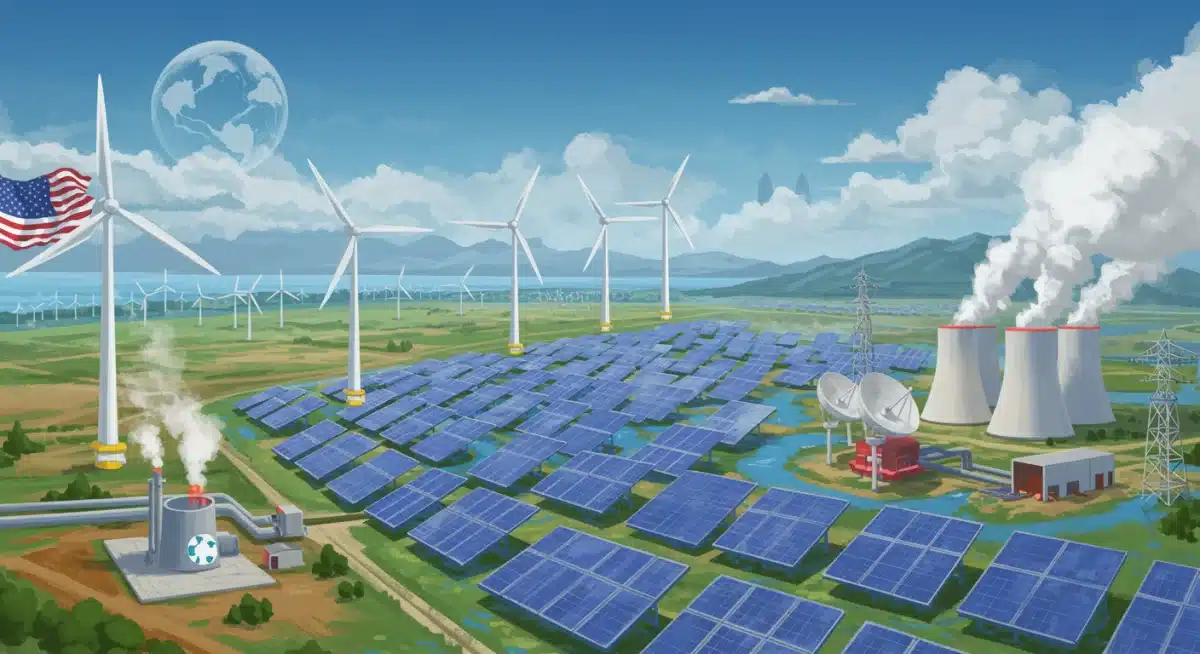
The US Department of Energy’s 2026 initiatives aim to significantly boost renewable energy by 20% through strategic investments in advanced solar, wind, and geothermal technologies, accelerating the nation’s transition to a sustainable future.
In a groundbreaking announcement that reverberated across energy sectors and environmental communities, the US Department of Energy’s 2026 initiatives to boost renewable energy by 20% have set a new benchmark for national sustainability efforts. This ambitious plan outlines a clear roadmap for accelerating the adoption of clean energy sources, promising a transformative impact on the nation’s energy landscape and global climate goals. What does this mean for the future of power in America?
The Ambitious Goal: Boosting Renewable Energy by 20%
The US Department of Energy (DOE) has unveiled a comprehensive strategy to increase renewable energy generation by 20% by the end of 2026. This bold target underscores the nation’s commitment to combating climate change, enhancing energy independence, and fostering economic growth through green jobs. The initiative is not merely about increasing capacity; it’s about fundamentally reshaping how America powers its future.
Achieving a 20% boost in renewable energy within such a short timeframe requires a multi-faceted approach, integrating technological innovation, policy support, and significant investment. The DOE’s plan addresses these critical areas, laying the groundwork for a more sustainable and resilient energy infrastructure. This effort builds upon years of research and development, bringing cutting-edge solutions to the forefront of national energy policy.
Strategic Pillars of the 2026 Plan
The DOE’s strategy is built upon several key pillars designed to ensure the successful implementation and widespread adoption of renewable energy technologies. These pillars include targeted investments, regulatory streamlining, and public-private partnerships.
- Increased Funding for Research and Development: Significant allocations are directed towards advancing next-generation renewable technologies, such as enhanced geothermal systems and advanced energy storage solutions.
- Expedited Permitting Processes: New measures aim to simplify and accelerate the approval of renewable energy projects, reducing bureaucratic hurdles and project timelines.
- Incentives for Private Sector Investment: Tax credits and grants are being expanded to encourage businesses and individuals to invest in renewable energy installations and infrastructure.
- Job Creation and Workforce Development: Programs are being launched to train a skilled workforce capable of designing, installing, and maintaining the new renewable energy infrastructure.
The 20% target is a significant leap, reflecting a proactive stance on climate action and a recognition of the economic opportunities presented by the clean energy transition. This initiative is expected to stimulate innovation across various sectors, from manufacturing to digital technology, as new solutions emerge to meet the growing demand for sustainable power.
Advancements in Solar Power Technologies
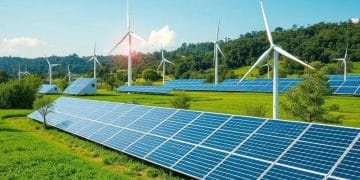
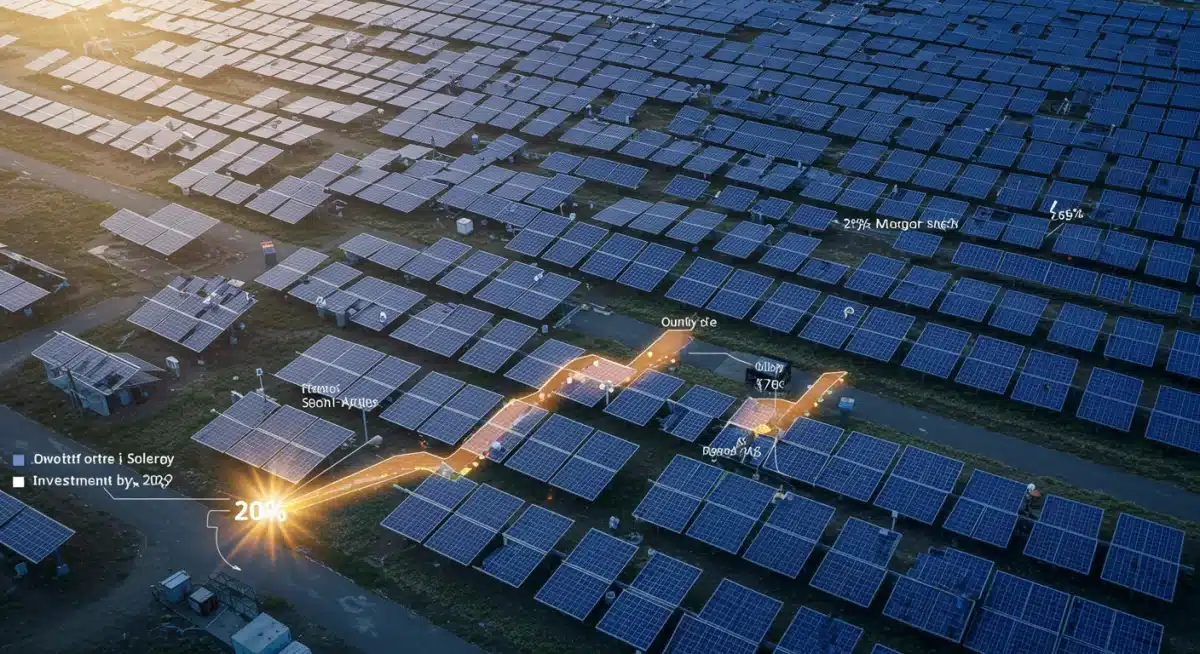
Solar energy remains a cornerstone of the nation’s renewable energy strategy, and the 2026 initiatives place a strong emphasis on accelerating its deployment and efficiency. The DOE’s plan includes provisions for both utility-scale solar farms and distributed solar generation, aiming for a diverse and resilient solar energy portfolio.
Innovations in photovoltaic (PV) technology are central to achieving the ambitious 20% increase. Researchers are focusing on developing more efficient and cost-effective solar panels, capable of generating more power from smaller footprints. This includes advancements in perovskite solar cells and bifacial modules, which can capture sunlight from both sides.
Expanding Solar Deployment and Efficiency
The initiatives seek to overcome existing barriers to solar adoption, such as grid integration challenges and initial investment costs. New programs are designed to support communities in developing local solar projects and to ensure equitable access to solar energy benefits.
- Community Solar Programs: Expanding access to solar energy for households and businesses that cannot install panels on their own properties.
- Advanced Inverter Technologies: Promoting the use of smart inverters that enhance grid stability and enable better integration of solar power.
- Long-Duration Storage Solutions: Investing in battery and other storage technologies to ensure solar power is available even when the sun isn’t shining.
The focus on solar energy is not just about panels; it’s about creating an entire ecosystem that supports its growth, from manufacturing components domestically to developing advanced grid management systems. This holistic approach ensures that solar power can reliably contribute to the national energy mix.
The Role of Wind Energy in the 2026 Vision
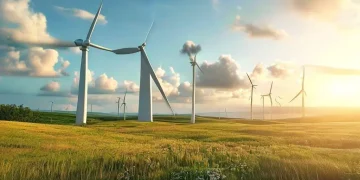
Wind energy is another critical component of the DOE’s plan to boost renewable energy by 20% by 2026. Both onshore and offshore wind projects are slated for significant expansion, leveraging the abundant wind resources available across the United States. The plan emphasizes increasing turbine efficiency and reducing the environmental footprint of wind farms.
Technological advancements in wind turbine design, such as larger rotor diameters and more aerodynamic blades, are leading to higher capacity factors and greater energy capture. Floating offshore wind technology, in particular, is receiving increased attention, opening up new possibilities for deployment in deeper waters along the US coastlines.
Innovations and Infrastructure for Wind Power
To support the ambitious growth targets, the DOE is focusing on developing robust supply chains and upgrading grid infrastructure to handle increased wind power input. This includes investments in port facilities for offshore wind construction and new transmission lines.
- Offshore Wind Development Zones: Identifying and developing prime areas for offshore wind farms, particularly along the East and West Coasts.
- Advanced Materials for Turbines: Research into lighter, stronger, and more durable materials to improve turbine performance and lifespan.
- Grid Modernization for Wind Integration: Upgrading the electrical grid to efficiently transmit wind power from remote generation sites to population centers.
The expansion of wind energy is expected to create thousands of jobs in manufacturing, construction, and operations. The DOE’s initiatives aim to ensure that these jobs are high-quality and accessible to a diverse workforce, contributing to local economies while advancing national energy goals.
Geothermal and Hydropower: Underutilized Potential
Beyond solar and wind, the 2026 initiatives also recognize the vast, yet often underutilized, potential of geothermal and hydropower. These sources offer unique benefits, such as baseload power generation for geothermal and flexible dispatchability for hydropower, complementing the intermittent nature of solar and wind.
Geothermal energy, which harnesses heat from within the Earth, is a constant and reliable source of clean power. The DOE’s plan includes significant investments in enhanced geothermal systems (EGS) technology, which aims to unlock geothermal resources in areas previously considered uneconomical. This involves advanced drilling techniques and reservoir engineering to create and manage geothermal reservoirs.
Maximizing Geothermal and Hydropower Contributions
Hydropower, while a mature technology, still has room for optimization and expansion, particularly through upgrades to existing facilities and the development of new pumped-hydro storage projects. These projects can store excess renewable energy and release it during periods of high demand, providing crucial grid stability.
- EGS Demonstration Projects: Funding pilot projects to prove the commercial viability and scalability of enhanced geothermal systems.
- Hydropower Modernization: Investing in upgrades to existing dams and hydro facilities to improve efficiency and environmental performance.
- Small-Scale Hydropower Incentives: Encouraging the development of smaller, distributed hydropower projects in suitable locations.
By diversifying the renewable energy portfolio to include geothermal and hydropower, the US aims to create a more robust and resilient energy system. These sources play a vital role in providing stable power, reducing reliance on fossil fuels, and supporting the integration of other variable renewables.
Impact on Economy and Job Creation
The US Department of Energy’s 2026 initiatives to boost renewable energy by 20% are poised to have a profound impact on the national economy and labor market. This transition to clean energy is not just an environmental imperative; it’s an economic opportunity, driving innovation, investment, and job creation across various sectors.
The scale of investment required to achieve a 20% increase in renewable energy generation will stimulate growth in manufacturing, construction, and technology. New factories will be needed to produce solar panels, wind turbine components, and advanced battery storage systems. Construction crews will be in high demand to build and install these new facilities. Furthermore, the burgeoning clean energy sector will spur innovation in materials science, digital controls, and artificial intelligence, creating high-value jobs in research and development.
Economic Benefits and Workforce Development
The shift towards renewable energy is expected to create hundreds of thousands of new jobs, many of which will be well-paying and require specialized skills. The DOE is committed to ensuring that these opportunities are accessible to a diverse workforce, including those transitioning from traditional fossil fuel industries.
- Green Job Growth: Projections indicate significant growth in occupations related to solar panel installation, wind turbine technician roles, and energy storage system manufacturing.
- Community Economic Development: Renewable energy projects often bring direct investment and tax revenue to rural communities, fostering local economic growth.
- Workforce Retraining Programs: Initiatives to provide training and reskilling for workers to transition into the clean energy sector, ensuring a just transition.
Beyond direct job creation, the renewable energy transition is expected to reduce energy costs over the long term, making American businesses more competitive and increasing disposable income for households. This economic ripple effect underscores the broad benefits of investing in a sustainable energy future.
Challenges and Future Outlook for 2026
While the US Department of Energy’s 2026 initiatives present an optimistic vision for renewable energy, achieving a 20% boost will not be without its challenges. Overcoming these hurdles requires continued innovation, strategic planning, and broad collaboration across government, industry, and communities.
One of the primary challenges lies in modernizing the existing electrical grid to accommodate a higher penetration of intermittent renewable energy sources. This involves significant investment in smart grid technologies, energy storage, and long-distance transmission lines. Another hurdle is ensuring a stable and secure supply chain for critical materials required for renewable energy technologies, many of which are sourced internationally.
Navigating Obstacles and Sustaining Momentum
Public acceptance and community engagement are also crucial for the successful deployment of large-scale renewable energy projects. Addressing concerns regarding land use, visual impacts, and local economic benefits is essential for gaining community support.
- Grid Modernization: Implementing advanced technologies for grid management, including smart meters and predictive analytics, to enhance reliability and efficiency.
- Supply Chain Resilience: Developing domestic manufacturing capabilities for key renewable energy components to reduce dependence on foreign suppliers and create jobs.
- Regulatory Harmonization: Streamlining regulations across different levels of government to facilitate faster project development and deployment.
Looking beyond 2026, the initiatives are designed to lay a strong foundation for continued growth in renewable energy. The lessons learned and technologies developed during this period will be instrumental in achieving even more ambitious decarbonization goals in the decades to come, positioning the US as a leader in the global clean energy transition.
| Key Initiative | Brief Description |
|---|---|
| 20% Renewable Boost | The US DOE aims to increase renewable energy generation by 20% by 2026. |
| Solar Tech Advancements | Focus on more efficient solar panels and expanded community solar programs. |
| Wind Energy Expansion | Significant growth in onshore and offshore wind projects, improving turbine tech. |
| Geothermal & Hydropower | Investments in enhanced geothermal systems and hydropower modernization. |
Frequently Asked Questions About 2026 Renewable Energy Initiatives
The primary goal is to boost renewable energy generation by 20% by the end of 2026. This includes accelerating deployment of solar and wind power, advancing geothermal technologies, and modernizing hydropower, all while creating jobs and enhancing energy independence for the United States.
Solar power will contribute through expanded utility-scale and community solar programs. The initiatives focus on developing more efficient PV technologies, promoting advanced inverters for grid stability, and investing in long-duration energy storage solutions to ensure reliable solar energy availability.
Wind energy is crucial, with plans for significant expansion of both onshore and offshore projects. The DOE aims to improve turbine efficiency, develop robust supply chains, and upgrade grid infrastructure to better integrate increased wind power, especially from new offshore wind development zones.
Absolutely. The initiatives are expected to create hundreds of thousands of new jobs in manufacturing, construction, and technology. They will also stimulate local economic development, provide workforce retraining programs, and potentially reduce long-term energy costs for consumers and businesses.
Key challenges include modernizing the electrical grid to handle more intermittent renewables, securing resilient supply chains for critical materials, and gaining broad public acceptance for large-scale projects. Continued innovation and collaboration are vital to overcome these obstacles effectively.
Conclusion
The US Department of Energy’s 2026 initiatives to boost renewable energy by 20% represent a pivotal moment in America’s journey towards a sustainable energy future. This bold and comprehensive plan, encompassing advancements in solar, wind, geothermal, and hydropower, signifies a strong commitment to environmental stewardship, energy independence, and economic prosperity. While challenges remain, the strategic framework laid out by the DOE, combined with ongoing innovation and collaborative efforts, positions the nation to achieve its ambitious goals, paving the way for a cleaner, more resilient, and prosperous future for all Americans.