WIC Program 2026: Enhanced Benefits for Moms and Kids

The Special Supplemental Nutrition Program for Women, Infants, and Children (WIC) has long been a cornerstone of public health, providing vital nutritional support to millions of vulnerable families across the United States. As we look ahead to 2026, significant WIC Program changes are on the horizon, promising to further strengthen its impact. These forthcoming updates are designed to enhance benefits, streamline access, and ultimately foster healthier outcomes for expectant mothers, new parents, infants, and young children. Understanding these WIC Program changes is crucial for current and potential participants, as well as for the healthcare and community organizations that work tirelessly to support these families.
The WIC Program, administered by the U.S. Department of Agriculture (USDA), plays a critical role in preventing nutritional deficiencies and promoting healthy growth and development. It provides nutritious foods, nutrition education, breastfeeding support, and referrals to healthcare and other social services. The upcoming 2026 modifications reflect a commitment to evolving with the needs of the population, incorporating lessons learned from past program implementations, and responding to current public health data. This comprehensive overview will delve into the specifics of these WIC Program changes, exploring their potential impact and outlining what families can expect.
Understanding the Core Mission of the WIC Program
Before diving into the specifics of the 2026 WIC Program changes, it’s beneficial to revisit the foundational mission of WIC. Established in 1972, WIC was created to safeguard the health of low-income women, infants, and children up to age five who are at nutritional risk. The program aims to achieve this by providing:
- Nutritious Foods: Participants receive vouchers or EBT cards to purchase specific healthy foods, including fruits, vegetables, whole grains, milk, eggs, cheese, and iron-fortified cereals and infant formula.
- Nutrition Education: WIC offers individualized and group counseling on healthy eating habits, meal planning, and addressing specific dietary concerns.
- Breastfeeding Support: Comprehensive support is provided to encourage and sustain breastfeeding, including peer counselors, lactation consultants, and breast pump loans.
- Referrals: WIC connects participants with essential healthcare services, immunizations, and other social services that can further enhance their well-being.
The success of the WIC Program is well-documented. Studies have consistently shown that WIC participation leads to improved birth outcomes, reduced infant mortality, increased immunization rates, and better cognitive development in children. These positive impacts underscore the importance of the program and highlight why the upcoming WIC Program changes are so eagerly anticipated – they represent an opportunity to build upon this strong foundation and extend its reach and effectiveness even further.
Key WIC Program Changes for 2026: Enhanced Nutritional Benefits
The most significant WIC Program changes anticipated for 2026 revolve around an expansion and enhancement of the nutritional benefits provided. This includes both the types of foods available and the monetary value of food packages. The aim is to align the WIC food packages more closely with the latest dietary guidelines and to address persistent nutritional gaps observed in the target population.
Increased Cash Value Benefit (CVB) for Fruits and Vegetables
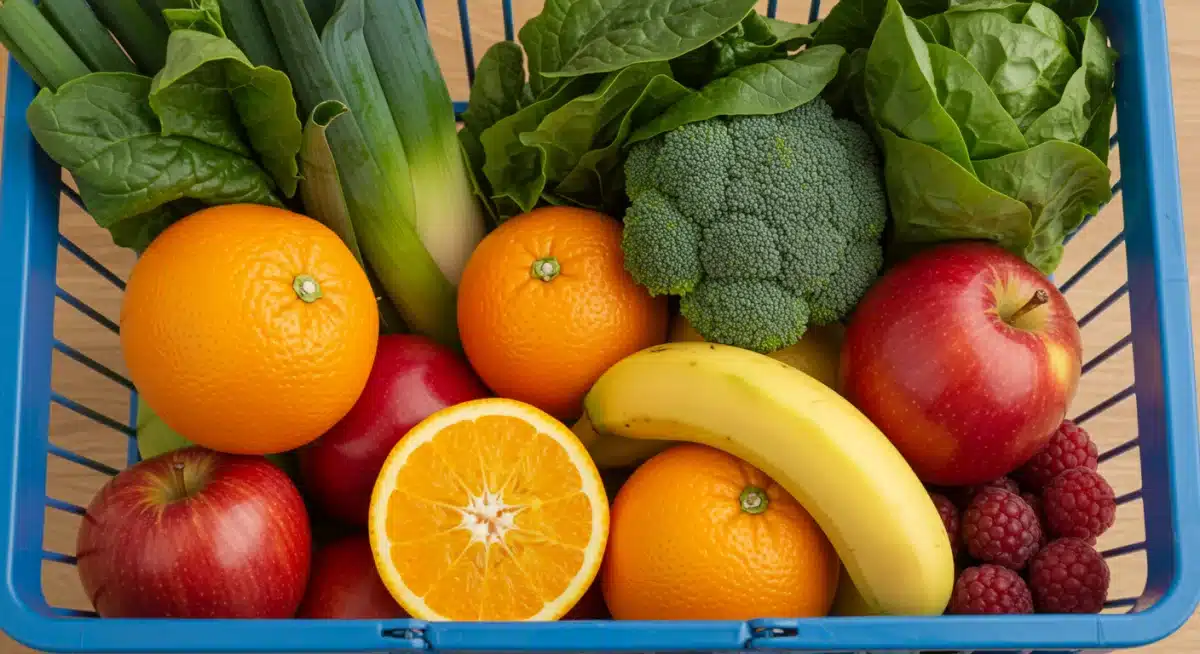
One of the most impactful WIC Program changes will likely be a substantial increase in the Cash Value Benefit (CVB) for fruits and vegetables. This benefit, which allows participants to purchase fresh, frozen, or canned fruits and vegetables, has been a game-changer for many families. The 2026 updates are expected to make this benefit even more generous, providing families with greater purchasing power to incorporate these essential foods into their diets. This change is a direct response to research highlighting the importance of fruit and vegetable intake for maternal and child health and recognizing that current benefit levels may not always be sufficient to meet these needs.
For expectant mothers and postpartum women, a higher CVB means better access to nutrient-dense foods crucial for their health and the development of their babies. For children, it means establishing healthy eating habits early in life, which can have long-term benefits. This expansion is a testament to the program’s commitment to evidence-based nutrition policy.
Expanded Food Choices and Dietary Flexibility
Another area of focus for the WIC Program changes in 2026 is the expansion of allowable food choices within existing categories. This could include a broader range of whole grains, plant-based protein options, and perhaps even culturally appropriate foods that better reflect the diverse dietary preferences of WIC participants. The current WIC food list, while comprehensive, can sometimes be restrictive. By offering more flexibility, the program aims to increase participant satisfaction, reduce food waste, and encourage greater adherence to healthy eating patterns.
For example, new options might include additional varieties of whole-wheat pasta, brown rice, or even certain types of legumes that are currently not widely available through WIC. This move towards greater dietary flexibility acknowledges that one-size-fits-all approaches to nutrition are often ineffective and that empowering participants with more choices can lead to better outcomes. These WIC Program changes are designed to make healthy eating more accessible and enjoyable for all.
Streamlining Access and Improving Participant Experience
Beyond nutritional enhancements, the 2026 WIC Program changes are also expected to focus on improving the overall participant experience, making the program more accessible and user-friendly. This includes leveraging technology and refining administrative processes.
Digital Modernization and EBT Expansion
The ongoing shift towards Electronic Benefit Transfer (EBT) cards has significantly improved the convenience and discretion of WIC benefits. The 2026 WIC Program changes are likely to further accelerate this digital modernization, ensuring that EBT systems are robust, secure, and universally implemented. This could also involve enhanced online platforms for appointment scheduling, nutrition education resources, and benefit tracking, making it easier for participants to manage their WIC benefits from their smartphones or computers.
Digital tools can reduce administrative burdens for WIC agencies and provide participants with immediate access to information and resources. This modernization effort is crucial for reaching younger generations of parents who are accustomed to digital interactions and for overcoming geographical barriers to access, especially in rural areas where physical WIC clinics may be few and far between. These WIC Program changes aim to make the program as efficient and responsive as possible.
Simplified Enrollment and Recertification Processes
Navigating government programs can sometimes be complex. The 2026 WIC Program changes are expected to include initiatives to simplify the enrollment and recertification processes. This could mean reducing paperwork, streamlining eligibility verification, and offering more flexible appointment options. The goal is to minimize barriers to participation, ensuring that eligible families can access the benefits they need without undue stress or bureaucratic hurdles.
For example, WIC agencies might implement more integrated systems that allow for data sharing with other benefit programs, reducing the need for participants to submit the same documentation multiple times. This focus on user-centric design reflects a broader commitment to making public health services more responsive to the needs of the communities they serve. Simplifying these processes is a key component of the WIC Program changes.
Enhanced Support for Specific Populations
The WIC Program has always been tailored to the unique needs of pregnant women, infants, and young children. The 2026 WIC Program changes are anticipated to further refine this targeted support, with particular attention to breastfeeding mothers and infants with special dietary needs.
Strengthening Breastfeeding Support Services
Breastfeeding is recognized as a critical component of infant health, and WIC has a strong track record of promoting and supporting it. The 2026 WIC Program changes are expected to include even more robust breastfeeding support services. This could involve expanding access to professional lactation consultants, increasing the availability of breast pumps (including hospital-grade pumps), and enhancing peer counseling programs. The aim is to empower more mothers to initiate and continue breastfeeding for longer durations, thereby improving infant health outcomes.
Investing in breastfeeding support not only benefits infants by providing optimal nutrition and immune protection but also contributes to maternal health and can help reduce healthcare costs. These WIC Program changes underscore the program’s dedication to supporting families through every stage of early childhood development.
Addressing Special Dietary Needs for Infants and Children
Some infants and young children have specific dietary needs due to allergies, medical conditions, or developmental challenges. The 2026 WIC Program changes are expected to improve the program’s capacity to address these needs more effectively. This might involve expanding the range of therapeutic formulas available, offering more specialized food options for children with allergies, or providing enhanced nutrition counseling for parents navigating complex dietary requirements.
Ensuring that WIC can accommodate these special needs is vital for inclusive support and for preventing nutritional deficiencies in this vulnerable group. These tailored WIC Program changes demonstrate the program’s adaptability and commitment to individualized care, ensuring every child has the best start in life regardless of their specific health challenges.
The Broader Impact of WIC Program Changes
The ripple effect of these WIC Program changes extends far beyond individual families. A stronger WIC program contributes to public health, economic stability, and community well-being.
Improved Public Health Outcomes
By enhancing nutritional support and access to healthy foods, the 2026 WIC Program changes are poised to contribute to a reduction in diet-related chronic diseases among mothers and children. Improved nutrition during pregnancy can lead to healthier birth weights and reduced risk of complications. For children, adequate nutrition in early life is critical for cognitive development, school readiness, and overall long-term health. These WIC Program changes are an investment in the future health of the nation.
Economic Benefits for Local Communities
The WIC Program injects significant funds into local economies through the purchase of WIC-approved foods at grocery stores and farmers’ markets. The increased benefits and expanded food choices expected in 2026 will likely translate into a greater economic stimulus for retailers and producers, particularly those selling fresh produce. This economic impact is often overlooked but plays a crucial role in supporting local businesses and agricultural sectors. These WIC Program changes create a win-win situation for both families and local economies.
Strengthening the Healthcare System
WIC’s emphasis on nutrition education, breastfeeding support, and healthcare referrals complements the broader healthcare system. By preventing nutritional deficiencies and promoting healthy habits early on, WIC helps reduce the burden on emergency rooms and costly medical interventions down the line. The 2026 WIC Program changes, with their focus on enhanced support, will further strengthen this preventative role, contributing to a more efficient and effective healthcare system. Integrating WIC services more closely with primary care providers is another potential avenue for strengthening this synergy.
Preparing for the WIC Program Changes in 2026
For current WIC participants and those considering applying, staying informed about the upcoming WIC Program changes is essential. Here are some steps to prepare:
- Stay Connected with Your Local WIC Agency: Your local WIC clinic is the best source of up-to-date information regarding specific changes in your state or county. They can provide details on new food lists, benefit amounts, and application processes.
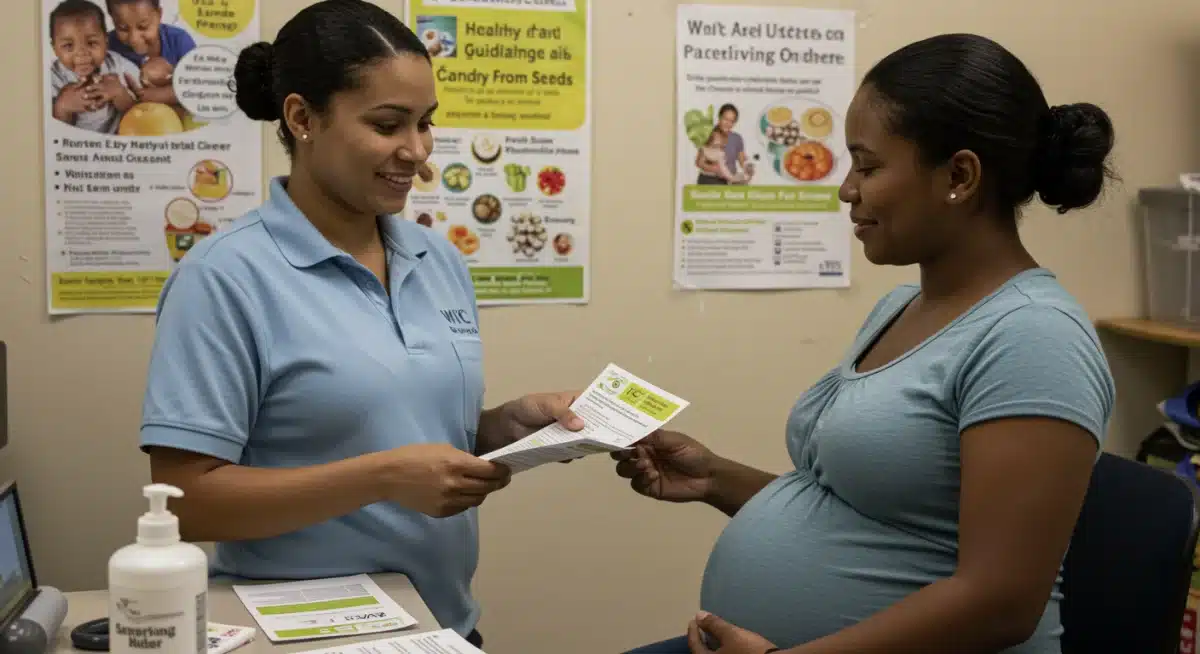
- Attend WIC Appointments: Regular appointments ensure you receive the most current information and personalized support. WIC staff can answer questions about how the WIC Program changes will affect your family.
- Utilize WIC Resources: Take advantage of the nutrition education and breastfeeding support services offered by WIC. These resources will be updated to reflect the new guidelines and expanded offerings.
- Advocate for the Program: Understanding and supporting the WIC Program’s mission helps ensure its continued strength and effectiveness. Sharing your positive experiences can highlight the program’s value.
Community organizations, healthcare providers, and policymakers also have a vital role to play in disseminating information and facilitating a smooth transition to the new WIC Program changes. Collaborative efforts will ensure that the benefits of these updates reach every eligible family.
The Future of WIC: A Commitment to Health and Equity
The 2026 WIC Program changes represent more than just administrative adjustments; they signify a renewed commitment to the health and well-being of the nation’s most vulnerable population: expectant mothers, infants, and young children. By expanding nutritional benefits, streamlining access, and providing targeted support, WIC is poised to make an even greater impact on public health outcomes and reduce health disparities.
These updates reflect a dynamic approach to public health, one that is responsive to scientific advancements in nutrition, evolving societal needs, and the importance of equity in access to essential services. As we move towards 2026, the WIC Program will continue to be a beacon of support, empowering families to build a foundation for a lifetime of health and success. The proactive nature of these WIC Program changes ensures that the program remains relevant and effective in addressing contemporary nutritional challenges.
The long-term vision for WIC is one where every eligible mother and child has access to the nutritious foods, education, and support they need to thrive. The 2026 WIC Program changes are a crucial step towards realizing this vision, ensuring that the program continues to be a powerful force for good in communities across the country. Through continued investment and adaptation, WIC will remain an indispensable resource for fostering healthy families and building a stronger, healthier future for all.
In conclusion, the anticipated WIC Program changes for 2026 are a cause for optimism. They promise a more robust, flexible, and accessible program that will undoubtedly enhance the lives of millions. By staying informed and engaged, families and communities can maximize the benefits of these significant updates, reinforcing WIC’s legacy as a transformative public health initiative.