federal infrastructure projects progress: tracking delays
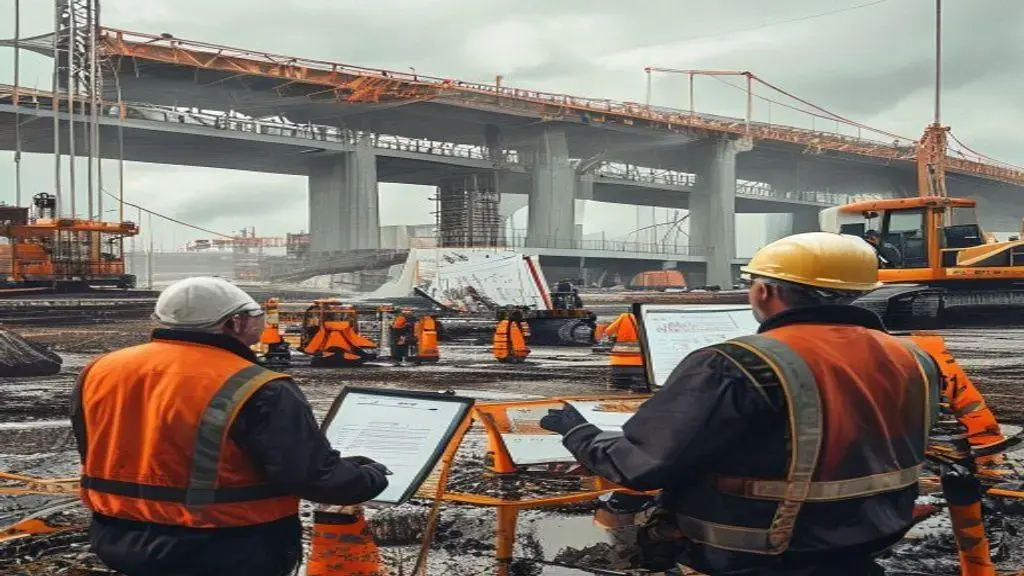
federal infrastructure projects progress is measured by schedule variance, percent complete, funding disbursements, inspection and permit status, change orders, and audit findings—monitor these indicators via federal/state dashboards, procurement records, and open-data APIs to detect delays and hold projects accountable.
federal infrastructure projects progress shapes daily life — from commute times to local jobs. Curious why some projects stall while others finish faster? Here I map clear causes and simple ways you can follow real progress.
measuring federal infrastructure projects progress: indicators and where to find data
federal infrastructure projects progress is tracked through a few clear signs and public datasets. Knowing which indicators matter helps you spot delays or real momentum.
Below you will find simple metrics and exact places to check so you can follow projects with confidence.
Core indicators explained
Look first at schedule metrics: planned vs. actual completion dates. A steady gap means delays. Cost metrics show budget vs. spending. Large, repeated overruns signal risk.
Quality and safety indicators matter too. Inspection reports, safety incidents, and permit statuses reveal hidden slowdowns that schedules alone miss.
Where to find official data
Many public portals publish standardized information. Start with federal and state dashboards, then check local project pages and procurement notices.
- Federal dashboards: central sites often list budgets, milestones, and award information.
- State DOT portals: timelines, traffic impacts, and inspection results are common here.
- Open data portals: downloadable spreadsheets and APIs let you compare dates and costs over time.
- Procurement and grant reports: these show funding flows and contract amendments.
When you query these sources, note the update frequency and the data license. Fresh data matters; stale records can hide current progress or new delays.
How to read and combine indicators
Don’t rely on one number. Match schedule variance with spending pace and inspection notes. If spending is low but milestones slip, work may be paused or delayed by approvals.
Track trends across months. A small schedule slip that grows every report is more worrying than an isolated day or week of delay.
- Compare percent complete with earned value and spending to see real progress.
- Check milestone dates against permit and inspection entries to find administrative hold-ups.
- Watch change orders and contract amendments for cost and timeline impacts.
Community reports, local news, and meeting minutes can fill gaps in official feeds. Use them to confirm what dashboards show.
Practical tips to monitor progress
Set a short list of indicators to follow weekly: percent complete, latest milestone, recent inspection results, and recent spending. Keep a simple log to spot trends.
Use APIs or CSV downloads when available so you can chart changes. If data is unclear, request clarification from the agency or attend a public briefing.
Always highlight unusually long gaps between updates and sudden spikes in cost or time changes. These are early warning signs.
federal infrastructure projects progress can be tracked reliably once you know the right signals and sources. With regular checks and a few simple comparisons, you can tell if a project is on track or needs attention.
why projects stall: common causes, bottlenecks and risk signals
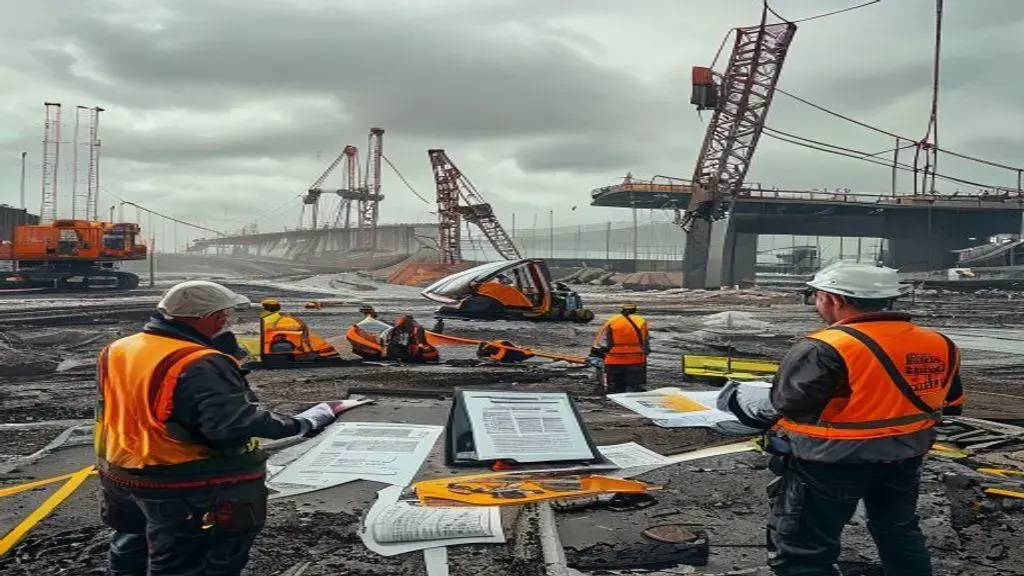
federal infrastructure projects progress often slows for routine, fixable reasons. Spotting these issues early makes it easier to push projects forward.
Here are the common causes, typical bottlenecks and clear risk signals you can watch on any site.
common root causes
Budget gaps and funding shifts are a top reason work stops. When money is delayed, crews and materials can be paused.
Contractor capacity and supplier shortages also matter. If a key supplier misses deliveries, the schedule slips quickly.
administrative bottlenecks and approvals
Permits, land agreements and environmental reviews can add long delays if they are not coordinated early.
- Permitting hold-ups: missing or delayed permits pause on-site work.
- Right-of-way and land issues: disputes over land slow construction and add legal steps.
- Regulatory reviews: paused approvals after audits or environmental checks.
Delays from these sources are often predictable. Track permit timelines, planned review windows and public notices to see risks before they become stoppages.
how operational and financial signals show trouble
Compare planned spending with actual payments. If bills lag but percent complete stays low, that gap is a warning.
Frequent contract changes or stop-work orders are other red flags. They point to shifting scope or unresolved issues.
- Missed milestones over successive reports.
- Repeated change orders that increase cost or extend time.
- Low earned value compared with reported percent complete.
Weather and site conditions also create real friction. Heavy rains, seasonal freezes, or unstable ground can pause crews for weeks. Schedules should show contingency time for these risks.
practical ways to spot and act on delays
Set a short watchlist of indicators: update frequency, recent milestones, permit status and payment records. Check these weekly.
Use public dashboards, procurement notices and local meeting minutes to fill gaps. Ask project managers for clarification when data contradicts on-the-ground reports.
Document small slips early. A one-week delay that grows over months is easier to fix when noticed at the first report.
Understanding these causes and signals helps you read project health faster and push for timely fixes. Keep tracking simple, focus on a few strong indicators, and follow up when patterns repeat.
money and oversight: funding flows, audits and accountability in practice
federal infrastructure projects progress relies on clear money flows and active oversight. When funding moves smoothly and audits are timely, projects keep pace.
Here are practical ways to read funding, spot audit signals, and push for real accountability.
how funding flows work
Funds can come as direct grants, reimbursements, loans, or public-private investments. Each type has rules on timing and use.
Reimbursement models pay after work is done, so contractors may wait for cash. Grant models often release payments by milestone.
- Direct grants: upfront or staged payments tied to milestones.
- Reimbursements: agencies pay back costs after invoices are approved.
- Loans and bonds: require debt service plans and long-term tracking.
- Public-private models: private partner funds work, public entity repays by contract.
Look for match requirements and funding windows. Missed matches or late federal draws often pause work faster than technical issues.
audits and transparency tools
Audits check if money was spent as intended. There are financial, compliance, and performance audits.
Major auditors include state auditors, inspectors general, and the Government Accountability Office. Their reports flag risks and required fixes.
- Audit reports: show questioned costs and findings.
- Single Audit (for recipients): summarizes federal funds use and problems.
- Procurement reviews: test if contracts followed rules and delivered value.
- Performance audits: measure if milestones met promised outcomes.
Public dashboards, open-data portals, and audit repositories let you compare spending to outcomes. Use them to confirm progress or spot contradictions.
accountability in practice
Clear roles matter: who signs payments, who approves change orders, who reviews invoices. Trace each step to spot gaps.
Watch for repeated audit findings or delayed corrective actions. These are strong signals that oversight is weak.
- Check payment schedules and recent disbursements for gaps.
- Review change orders and contract amendments for cost creep.
- Monitor audit follow-up notes to see if agencies fix issues.
- Attend public hearings or read meeting minutes for answers from officials.
Local watchdogs and reporters often find issues dashboards miss. Combine official records with meeting notes and vendor reports to build a fuller picture.
Simple steps help you act: track invoice dates, compare them to work reports, and flag mismatches. Ask for audits when patterns repeat.
Keeping an eye on funding flows, reading audit signals, and pressing for accountability makes federal infrastructure projects progress more visible and harder to stall. Small checks done regularly reveal large problems early.
how to track progress locally: tools, civic actions and practical tips
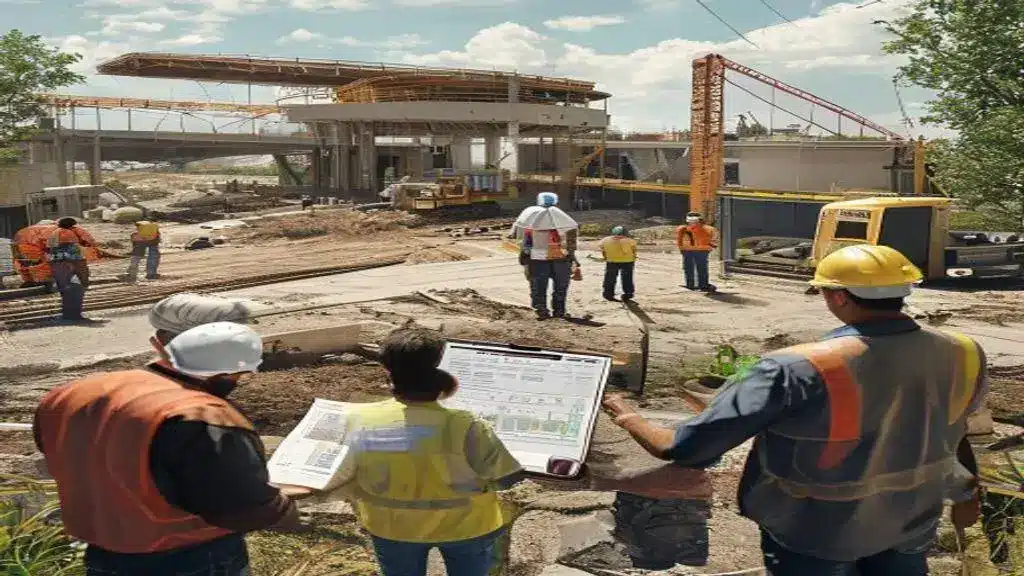
federal infrastructure projects progress can be followed at the neighborhood level with a few simple tools. Local tracking gives early warning of delays and a clear view of real work on the ground.
This section shows practical tools, civic actions, and easy tips you can use this week to keep projects honest and moving.
local dashboards and data sources
Start with official portals: city project pages, state DOT maps, and federal dashboards. These often list milestones, budgets, and recent updates.
- Check update timestamps to know if data is current.
- Download CSVs or use APIs to chart trends over time.
- Look for permit logs and inspection reports tied to milestones.
Use open data portals to compare spending vs. progress. If the dashboard lacks detail, request files via public records or contact the project office.
simple monitoring steps anyone can use
Keep monitoring easy and repeatable. Pick four indicators and check them weekly to spot patterns.
- Percent complete or milestones met.
- Latest payments or disbursement dates.
- Permit and inspection statuses.
- Recent change orders or contract amendments.
Create a one-sheet log or spreadsheet. Record the date, the source, and the value you saw. Small entries build clear trend lines quickly.
civic actions that move the needle
Community voices matter. Attend public meetings, ask for updates, and ask simple, specific questions about deadlines and funding.
File brief public-records requests when data is missing. Share findings with local media or neighborhood groups to increase attention.
- Show up at hearings and ask for milestone dates and recent invoices.
- Request copies of permit approvals and inspection summaries.
- Partner with local watchdogs or reporters to amplify issues.
Photos, timestamps, and short site visit notes add proof. Pair on-the-ground evidence with dashboard data to challenge unclear or stale reports.
ways to push for clearer accountability
If you find gaps, ask officials for a response in writing and request timelines for fixes. Public pressure encourages faster corrections.
Follow up on audit findings and demand public updates on corrective actions. Track responses and note when issues remain open.
- Request written timelines after audits or missed milestones.
- Ask for regular public briefings or status emails.
- Record missed responses and bring them to elected officials.
By using official data, simple logs, and civic actions together, you turn scattered updates into a clear picture of federal infrastructure projects progress. Regular, focused checks let you spot trouble early and press for fixes.
federal infrastructure projects progress gets clearer when you follow a few simple signals and check them often. Watch schedule, money, permits, and audits, compare sources, and keep a short log. Small, steady actions—using dashboards, site visits, and civic requests—spot problems early and help push projects to finish.
FAQ – Tracking federal infrastructure projects progress
How can I tell if a federal infrastructure project is on track?
Compare planned vs. actual completion dates, check percent complete, review recent payments, and look at inspection reports and milestone updates.
Where do I find reliable project data?
Start with federal and state dashboards, DOT project pages, open data portals, procurement notices, and local permit or inspection logs.
What are early warning signs of trouble?
Watch for repeated missed milestones, funding or payment gaps, frequent change orders, permit delays, and negative audit findings.
How can citizens push for better accountability?
Attend public meetings, file simple public-record requests, keep a log with photos and timestamps, share findings with reporters or watchdogs, and ask officials for written timelines.