LIHEAP Winter 2026: Payouts, Eligibility & Application Guide

As the chill of winter approaches, many households across the United States begin to feel the pressure of rising energy costs. For low-income families, this annual challenge can be particularly daunting, often forcing difficult choices between heating their homes and affording other necessities like food and medicine. Fortunately, the Low-Income Home Energy Assistance Program (LIHEAP) stands as a vital lifeline, offering crucial support to ensure that vulnerable populations can stay warm and safe during the coldest months. Understanding the intricacies of LIHEAP Winter 2026 – from average payouts and eligibility requirements to critical application deadlines – is paramount for those seeking assistance.
This comprehensive guide aims to demystify LIHEAP Winter 2026, providing a detailed roadmap for potential applicants. We’ll delve into what LIHEAP is, how it functions, who is eligible, and what kind of assistance one can expect. Our goal is to equip you with the knowledge needed to navigate the application process smoothly and efficiently, ensuring that you and your family can benefit from this essential program.
What is LIHEAP? A Foundation of Support
The Low-Income Home Energy Assistance Program (LIHEAP) is a federally funded program administered by the U.S. Department of Health and Human Services (HHS) through the Administration for Children and Families (ACF). Its primary objective is to assist low-income households, particularly those with the lowest incomes and highest energy burdens, in meeting their home energy needs. This includes help with heating, cooling, and weatherization costs, as well as energy-related minor home repairs. While federally funded, LIHEAP is managed at the state and tribal levels, meaning that specific eligibility criteria, application procedures, and benefit amounts can vary significantly from one location to another.
The program is a critical component of the nation’s social safety net, recognizing that access to affordable home energy is not merely a convenience but a fundamental necessity for health and safety. Without LIHEAP, many families would face the impossible choice between keeping their lights on and putting food on the table, or worse, enduring dangerously cold or hot indoor temperatures. The program plays a crucial role in preventing energy crises, assisting with utility disconnections, and making energy costs more manageable for those who struggle the most.
For Winter 2026, the demand for LIHEAP is expected to remain high, influenced by fluctuating energy prices, economic conditions, and the ongoing need to support vulnerable populations. Staying informed about the program’s specifics for the upcoming winter season is essential for anyone considering applying.
Eligibility for LIHEAP Winter 2026: Who Qualifies?
While the exact eligibility requirements for LIHEAP Winter 2026 can differ by state and even by local administering agency, there are general guidelines that apply nationwide. The core principle revolves around income. To qualify, a household’s income must generally be at or below 150% of the federal poverty level or 60% of the state’s median income, whichever is greater. Some states may also have specific income thresholds that are slightly higher or lower, depending on their cost of living and other local factors.
Beyond income, other factors are often considered:
- Household Size: The income thresholds are adjusted based on the number of people living in the household. Larger families will have higher income limits.
- Energy Burden: Priority is often given to households that spend a disproportionately high percentage of their income on home energy.
- Vulnerable Individuals: Households with elderly individuals (typically 60 years or older), disabled individuals, or young children (under 6 years old) are often prioritized for assistance.
- Crisis Situations: Many states offer emergency LIHEAP assistance for households facing immediate disconnection of utilities or those who have run out of heating fuel.
- Residency: Applicants must be legal residents of the state or tribal area where they are applying.
- Citizenship Status: While some federal programs have strict citizenship requirements, LIHEAP generally serves both U.S. citizens and qualified non-citizens.
It’s important to note that even if a household meets the income guidelines, approval is not always guaranteed, as funding is limited. Programs often operate on a first-come, first-served basis, or prioritize based on the vulnerability factors mentioned above. Therefore, understanding and meeting the local criteria for LIHEAP Winter 2026 is crucial.
Average Payouts for LIHEAP Winter 2026: What to Expect
One of the most frequently asked questions regarding LIHEAP Winter 2026 is about the average payout amounts. It’s crucial to understand that there is no single, national average payout. LIHEAP benefits are highly variable and depend on several factors:
- State and Local Funding: Each state receives a block grant from the federal government, and how they allocate these funds among eligible households can differ significantly.
- Household Energy Needs: Factors like the size of the home, the type of heating fuel used, and the local climate can influence the benefit amount. Households in colder climates or larger homes might receive more.
- Income Level: Households with lower incomes and higher energy burdens typically receive larger benefits.
- Number of Applicants: If there’s a high volume of eligible applicants, states may need to adjust individual benefit amounts to serve more people within their allocated budget.
- Type of Assistance: LIHEAP offers various types of assistance, including heating assistance, cooling assistance, crisis assistance, and weatherization. The payout will depend on the specific type of aid received.
Historically, individual LIHEAP benefits can range from a few hundred dollars to over a thousand dollars per heating season. For instance, some states might provide a one-time payment directly to the utility company, while others might offer multiple smaller payments throughout the winter. Crisis assistance, designed for emergencies, might also have different benefit caps. For LIHEAP Winter 2026, it is advisable to check with your specific state or local administering agency for the most accurate and up-to-date information on expected payout ranges.
Many states publish their benefit matrices or typical payout ranges on their official LIHEAP websites. This can give prospective applicants a better idea of what to expect based on their income and household composition.
Application Deadlines for LIHEAP Winter 2026: Don’t Miss Out!
Application deadlines are perhaps one of the most critical aspects of LIHEAP Winter 2026. Because LIHEAP funding is finite and often distributed on a first-come, first-served basis, missing a deadline can mean missing out on essential assistance. These deadlines are not uniform across the country; they are set by individual states and local agencies.
Here are general points to keep in mind regarding application deadlines:
- Vary by State: Each state sets its own application period. Some states open applications in late summer or early fall (e.g., August or September) to prepare for the heating season, while others may open later.
- Crisis vs. Regular Assistance: Often, there are different application periods or rolling deadlines for regular heating assistance versus emergency or crisis assistance. Crisis assistance might be available throughout the winter until funds are exhausted.
- Early Application is Key: It is almost always beneficial to apply as early as possible once the application window opens. This increases your chances of receiving assistance before funds run out.
- Check Local Agencies: The best source for specific deadlines for LIHEAP Winter 2026 is your state’s LIHEAP office or your local community action agency. These agencies are directly responsible for processing applications.
- Online Resources: Many states provide online portals where you can check application statuses and find deadline information.
For example, a state might open its general heating assistance applications in September and close them in March, or when funds are depleted. Crisis assistance might open in November and run through April. Always verify the exact dates for your specific location well in advance of the winter season.
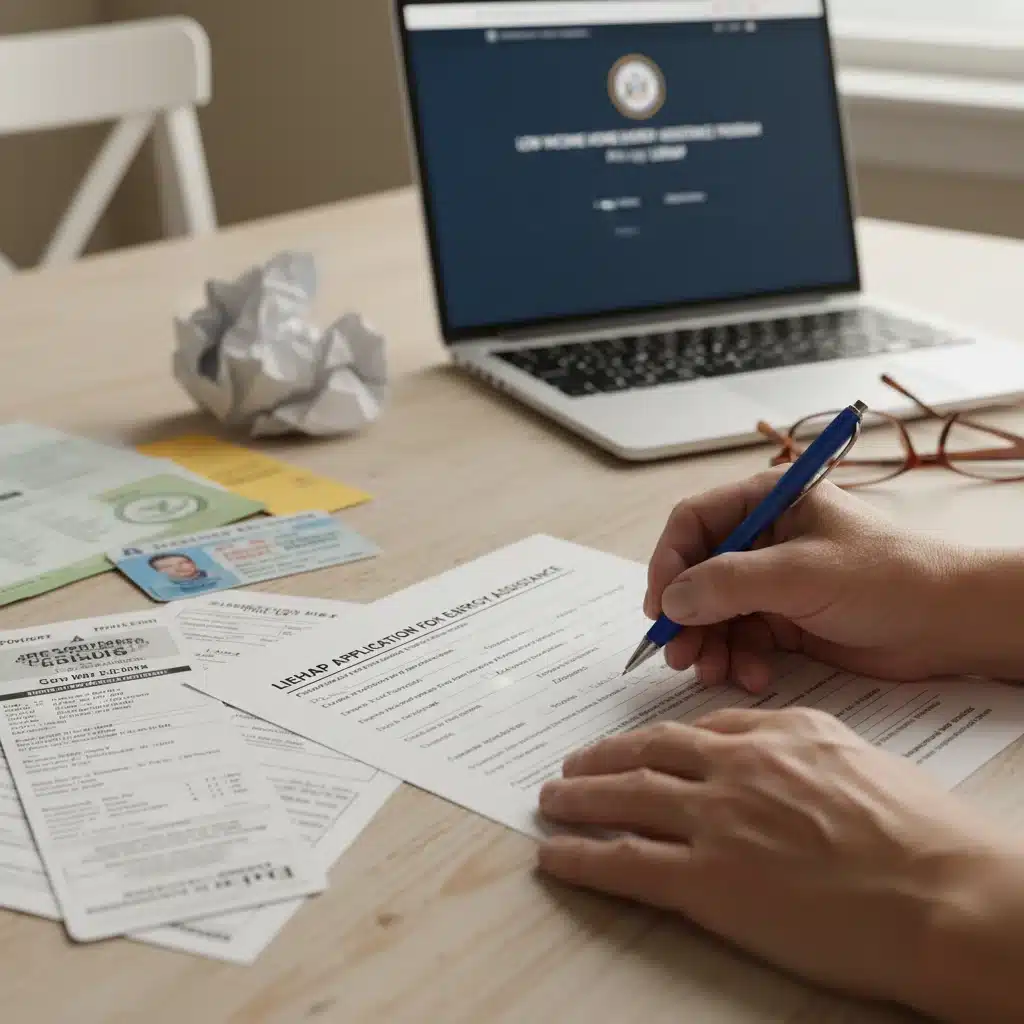
How to Apply for LIHEAP Winter 2026: A Step-by-Step Guide
Applying for LIHEAP Winter 2026 can seem daunting, but by following a clear process, you can streamline the experience. While specific steps may vary, the general application process usually involves:
1. Locate Your Local Administering Agency:
The first and most crucial step is to find out which agency administers LIHEAP in your area. This is typically your state’s Department of Social Services, Department of Human Services, or a local Community Action Agency (CAA). The official LIHEAP website (acf.hhs.gov/ocs/liheap) provides a state-by-state directory.
2. Gather Required Documents:
Before you even begin the application, collect all necessary documentation. This usually includes:
- Proof of Income: Pay stubs, Social Security benefit letters, unemployment benefit statements, or tax returns for all household members.
- Proof of Residency: A utility bill, rental agreement, or driver’s license showing your current address.
- Utility Bills: Copies of your most recent heating and/or cooling bills.
- Identification: Photo ID for the primary applicant and possibly birth certificates or Social Security cards for all household members.
- Household Member Information: Names, birth dates, and relationship to the applicant for everyone living in the home.
- Proof of Crisis (if applicable): Disconnection notices or a statement from your utility company indicating a low fuel supply.
Having these documents ready will significantly speed up the application process for LIHEAP Winter 2026.
3. Complete the Application Form:
Once you have your documents, obtain the application form. Many states offer online applications, downloadable forms, or you can pick one up in person at your local agency. Fill out the form completely and accurately. Incomplete applications are a common reason for delays or denials.
4. Submit Your Application:
Submit your completed application along with all required documentation. This can typically be done online, by mail, or in person. Keep copies of everything you submit for your records.
5. Follow Up:
After submitting, it’s wise to follow up with the agency if you don’t hear back within their stated timeframe. Be prepared to provide additional information if requested. Processing times can vary, especially during peak application periods.
Understanding Different Types of LIHEAP Assistance
LIHEAP isn’t a one-size-fits-all program. It offers various types of assistance tailored to different energy needs:
- Heating Assistance: This is the most common form of LIHEAP aid, helping low-income households pay for heating costs during the winter months. Benefits are typically paid directly to the utility company or fuel vendor on behalf of the applicant.
- Cooling Assistance: In regions with extremely hot summers, LIHEAP also provides assistance for cooling costs, helping families pay for air conditioning or other cooling methods. This component is crucial for preventing heat-related illnesses.
- Crisis Assistance: Designed for emergency situations, crisis assistance helps households facing immediate disconnection of their utility services or those who have run out of heating fuel. These benefits are usually processed more quickly than regular assistance.
- Weatherization Assistance: Some LIHEAP funds are allocated to help make homes more energy-efficient. This can include services like insulation, weather-stripping, and minor repairs that reduce energy consumption and lower utility bills in the long run. While not a direct payment, it provides sustainable relief.
- Energy-Related Minor Home Repairs: In some cases, LIHEAP can cover minor repairs that are directly related to the home’s energy system, such as fixing a broken furnace or water heater.
When applying for LIHEAP Winter 2026, you may be able to indicate which type of assistance you need, or the agency may determine the most appropriate aid based on your situation.
Beyond LIHEAP: Other Energy Assistance Resources
While LIHEAP is a cornerstone of energy assistance, it’s not the only resource available. If you don’t qualify for LIHEAP Winter 2026, or if you need additional support, consider exploring these options:
- Utility Company Programs: Many utility companies offer their own assistance programs for low-income customers, often funded by donations or state mandates. These can include payment plans, budget billing, or direct bill credits. Contact your specific utility provider to inquire.
- State and Local Programs: Beyond federal LIHEAP, many states and local governments have their own energy assistance initiatives. Check with your state’s housing authority or social services department.
- Non-Profit Organizations: Numerous non-profit organizations and charities offer energy assistance. Organizations like the Salvation Army, Catholic Charities, and local community funds often have programs.
- Weatherization Assistance Program (WAP): Separate from LIHEAP’s weatherization component, the federal WAP provides grants to states to improve the energy efficiency of homes occupied by low-income families. This can lead to significant long-term savings.
- Energy Conservation Tips: Implementing simple energy-saving habits can also make a big difference. This includes sealing drafts, lowering thermostat settings, using energy-efficient lighting, and insulating water heaters.
Combining LIHEAP with other available resources and energy conservation practices can provide the most comprehensive support for managing home energy costs during LIHEAP Winter 2026 and beyond.

Common Questions and Misconceptions About LIHEAP
Navigating government programs often comes with questions and misunderstandings. Here are some common ones related to LIHEAP Winter 2026:
Q: Can I apply for LIHEAP if I rent my home?
A: Yes, renters are generally eligible for LIHEAP, provided they are responsible for paying their own heating or cooling costs, either directly to a utility company or as part of their rent. If utilities are included in your rent, you might still qualify if you can demonstrate that your rent covers energy costs and that you meet income guidelines.
Q: Does LIHEAP cover all my energy bills?
A: LIHEAP is designed to provide assistance, not to cover 100% of your energy costs. The benefit amount is intended to help reduce your energy burden, making bills more manageable. It’s rare for LIHEAP to cover an entire season’s heating or cooling expenses.
Q: Will applying for LIHEAP affect other benefits I receive?
A: No. LIHEAP benefits are generally not counted as income for federal or state programs, meaning they typically will not affect your eligibility for other assistance programs like SNAP, Medicaid, or housing assistance.
Q: What if my application is denied? Can I appeal?
A: Yes, if your LIHEAP Winter 2026 application is denied, you usually have the right to appeal the decision. The denial letter should provide information on the appeal process and deadlines. It’s important to act quickly and provide any additional documentation requested.
Q: Can I apply for LIHEAP if I use alternative heating sources like wood or propane?
A: Yes, LIHEAP assistance is not limited to electric or natural gas users. It also covers bulk fuels like propane, oil, wood, and coal. You’ll typically need to provide proof of purchase or delivery from your fuel vendor.
Q: How long does it take to receive LIHEAP benefits?
A: Processing times vary widely by state and local agency, and can also depend on the time of year. During peak winter months, it might take longer. Some states aim to process applications within 30-45 days, while crisis assistance might be expedited. Always ask your local agency about their estimated processing times.
Preparing for Winter 2026: A Proactive Approach
Being proactive is key to successfully securing LIHEAP Winter 2026 assistance. Don’t wait until the temperatures drop or a disconnection notice arrives. Start your preparations early:
- Research Early: As soon as late summer or early fall, begin researching your state and local LIHEAP program details for Winter 2026. Look for announcements on application opening dates and deadlines.
- Organize Documents: Keep all your income statements, utility bills, and identification documents organized in one place. This will save you valuable time when the application window opens.
- Contact Your Utility Provider: Reach out to your electric or gas company to inquire about their own assistance programs or payment plans. They can also provide information on your energy usage, which might be helpful for your LIHEAP application.
- Seek Advice: If you’re unsure about any part of the application process, don’t hesitate to contact your local LIHEAP office or a community advocate. They are there to help.
- Consider Weatherization: Even if you qualify for direct assistance, investing in basic weatherization (e.g., sealing drafts, insulating windows) can reduce your overall energy consumption, making your home more comfortable and your LIHEAP benefits stretch further.
The colder months can be particularly challenging for low-income households, but programs like LIHEAP are designed to alleviate some of that burden. By understanding the program’s requirements, average payouts, and crucial deadlines for LIHEAP Winter 2026, you can take significant steps toward ensuring a warm and safe home for your family.
Conclusion: Securing Your Winter Warmth with LIHEAP Winter 2026
The Low-Income Home Energy Assistance Program (LIHEAP) remains an indispensable resource for millions of American families struggling with the high cost of home energy. For Winter 2026, understanding the nuances of this program – from who qualifies and what kind of financial relief to expect, to the critical dates for application submission – is more important than ever.
We’ve explored the core components of LIHEAP, highlighting the variability in eligibility and payout amounts across different states and localities. The emphasis on early application and thorough documentation cannot be overstated, as these are often the determining factors in receiving timely assistance. Moreover, we’ve touched upon the different types of aid available, from direct heating and cooling payments to crisis intervention and weatherization services, all designed to create a more secure and comfortable living environment.
Remember, LIHEAP is part of a broader network of support. If you find yourself in need, do not hesitate to reach out to your state’s LIHEAP office, local community action agencies, or your utility provider. These organizations are equipped to guide you through the process and connect you with the resources necessary to keep your home warm and safe during LIHEAP Winter 2026.
By taking a proactive approach and utilizing the information provided in this guide, low-income households can confidently navigate the application process, secure the assistance they need, and face the winter months with greater peace of mind. Your warmth and safety are paramount, and LIHEAP is here to help achieve that.