Maximizing Your WIC Benefits in 2026: A Comprehensive Guide for Expectant Mothers and Young Children
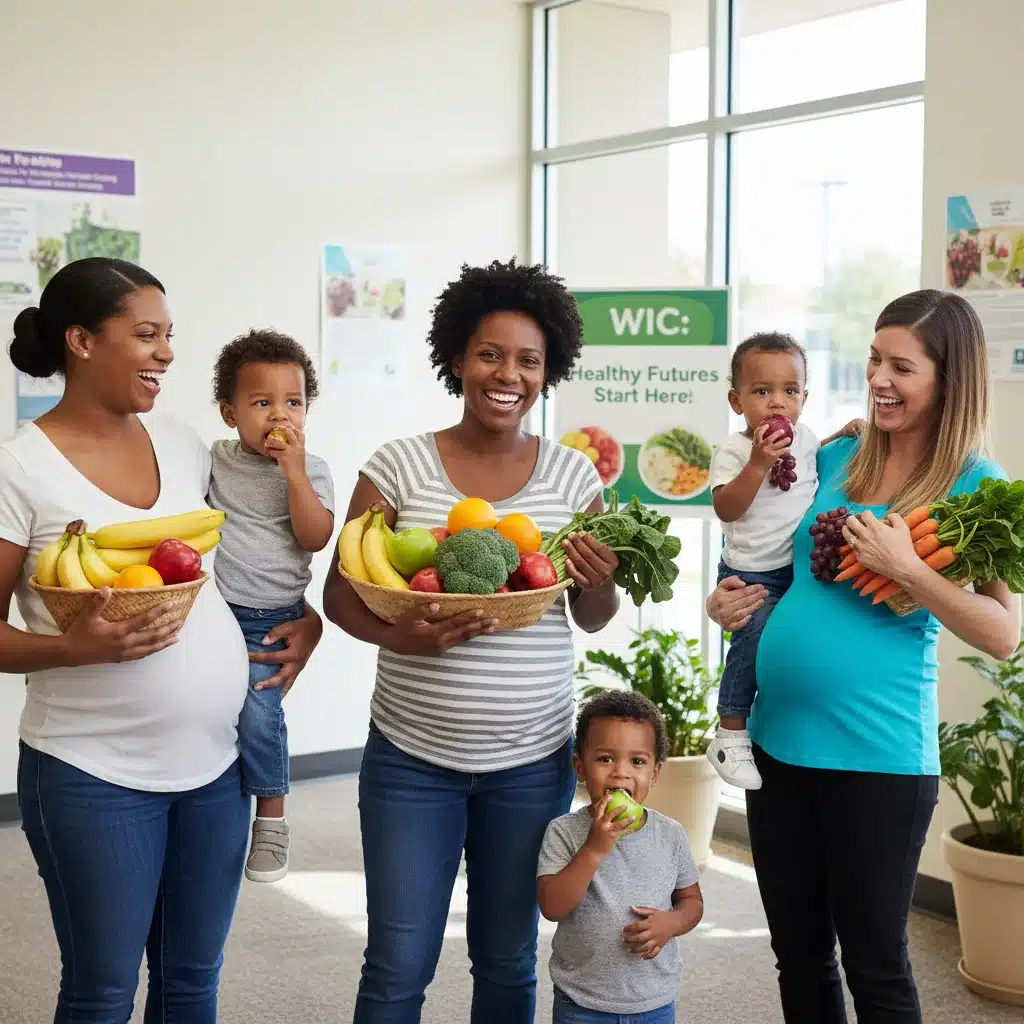
The Special Supplemental Nutrition Program for Women, Infants, and Children (WIC) is a vital federal assistance program designed to safeguard the health of low-income women, infants, and children up to age five who are at nutritional risk. For many families across the United States, WIC provides crucial support, offering nutritious foods, nutrition education, breastfeeding support, and referrals to healthcare and other social services. As we look ahead to 2026, understanding how to effectively access and maximize your WIC benefits 2026 is more important than ever. This comprehensive guide will walk you through everything you need to know, from eligibility requirements and the application process to making the most of every benefit available to you and your family.
Understanding the WIC Program: What Are WIC Benefits 2026?
WIC is more than just a food program; it’s a holistic approach to early childhood health and maternal well-being. The core mission of WIC is to prevent health problems and improve the health of participants during critical times of growth and development. The WIC benefits 2026 will continue to focus on providing supplemental foods rich in essential nutrients, promoting healthy eating habits, and connecting families with necessary health services.
Specifically, WIC provides:
- Nutritious Foods: Participants receive vouchers or an EBT card to purchase specific healthy foods like milk, eggs, cheese, fruit juice, cereals, peanut butter, dried beans/peas, and fresh fruits and vegetables. For breastfeeding mothers, the food package is enhanced to support their increased nutritional needs.
- Nutrition Education: WIC provides individualized counseling and group classes on topics such as healthy eating, meal planning, infant feeding, and managing picky eaters. This education empowers families to make informed choices for better health.
- Breastfeeding Support: WIC is a strong advocate for breastfeeding, offering peer counseling, lactation consultations, and breast pumps to help mothers initiate and continue breastfeeding successfully.
- Referrals to Healthcare and Social Services: WIC connects participants to pediatricians, dentists, immunizations, substance abuse counseling, domestic abuse counseling, and other assistance programs like SNAP and Medicaid.
The program’s impact is significant, leading to healthier births, reduced infant mortality, improved dietary intake for children, and better cognitive development. By understanding the breadth of these services, you can ensure you’re not just getting food, but a complete support system for your family’s health.
Who is Eligible for WIC Benefits in 2026?
Eligibility for WIC benefits 2026 is determined by several factors, including categorical eligibility, residential requirements, income guidelines, and nutritional risk. It’s important to note that WIC serves specific populations, making it distinct from broader food assistance programs.
Categorical Eligibility
To be eligible, you must fall into one of the following categories:
- Pregnant Women: Throughout pregnancy and up to six weeks after birth or the end of pregnancy.
- Breastfeeding Women: Up to the infant’s first birthday.
- Non-Breastfeeding Postpartum Women: Up to six months after the birth of the infant or the end of pregnancy.
- Infants: Up to their first birthday.
- Children: Up to their fifth birthday.
Residential Requirement
Applicants must live in the state or Indian Tribal Organization (ITO) area in which they apply. You do not need to be a U.S. citizen to be eligible for WIC. Many states require proof of residency, such as a utility bill or driver’s license.
Income Guidelines
WIC is for low-to-moderate income families. Participants must have an income at or below 185% of the U.S. Poverty Income Guidelines. However, if you or other family members already participate in certain programs, you are automatically income-eligible. These programs include:
- Supplemental Nutrition Assistance Program (SNAP, formerly Food Stamps)
- Medicaid
- Temporary Assistance for Needy Families (TANF)
Even if your income is slightly above the threshold, it’s worth applying, especially if you participate in these other programs. Income limits are updated annually, so check with your local WIC agency for the most current figures for 2026.
Nutritional Risk
This is a unique aspect of WIC. A health professional (such as a physician, nurse, or nutritionist) at the WIC clinic must determine that the applicant is at nutritional risk. This can include:
- Medically-based risks: Such as anemia, underweight, overweight, history of pregnancy complications, or chronic diseases.
- Dietary-based risks: Such as an inadequate or inappropriate dietary pattern.
The nutritional risk assessment is typically done during your WIC appointment and is a standard part of the process. Don’t let this requirement deter you; most individuals meeting the categorical and income guidelines will also meet the nutritional risk criteria.
The Application Process for WIC Benefits 2026
Applying for WIC benefits 2026 is a straightforward process, but it requires gathering specific documents and attending an appointment. Here’s a step-by-step guide:
Step 1: Locate Your Local WIC Agency
The first step is to find your nearest WIC clinic. You can usually do this by searching online for “WIC clinic near me” or visiting your state’s health department website. Most states provide a WIC clinic locator tool.
Step 2: Schedule an Appointment
Once you’ve found a clinic, call to schedule an appointment. During this call, the WIC staff will inform you about the documents you’ll need to bring.
Step 3: Gather Necessary Documents
To expedite your application for WIC benefits 2026, prepare the following documents for your appointment:
- Proof of Identity: For all applicants (e.g., driver’s license, birth certificate, state ID, passport).
- Proof of Residency: (e.g., utility bill, lease agreement, driver’s license with current address).
- Proof of Income: (e.g., recent pay stubs, tax returns, letter from employer, proof of participation in SNAP, Medicaid, or TANF).
- Proof of Pregnancy (if applicable): A doctor’s note or medical record confirming pregnancy and estimated due date.
- Proof of Birth for Infants/Children: (e.g., birth certificate, hospital record).
- Immunization Records: For infants and children (some states require this).
It’s always a good idea to call your specific WIC clinic ahead of time to confirm their exact document requirements, as they can vary slightly by state or even by clinic.
Step 4: Attend Your WIC Appointment
During your appointment, a WIC staff member will:
- Verify your eligibility based on the documents you provided.
- Conduct a health and diet assessment to determine nutritional risk. This may include measuring height, weight, and hemoglobin levels for anemia screening.
- Provide nutrition education and discuss healthy eating habits.
- Offer breastfeeding support if you are a pregnant or breastfeeding mother.
- Issue your WIC food benefits (usually loaded onto an EBT card) and explain how to use them.
- Provide referrals to other health and social services as needed.
Be prepared to ask questions and engage with the WIC staff. They are there to help you understand and utilize your benefits fully.
Making the Most of Your WIC Benefits 2026: Tips and Strategies
Once you’re approved for WIC benefits 2026, the real work begins: maximizing their impact on your family’s health. Here’s how to ensure you get 100% of the support you’re eligible for:
Understand Your Food Package
Each WIC participant receives a specific food package tailored to their age, nutritional needs, and breastfeeding status. Familiarize yourself with what you are eligible to receive:
- Infants: Formula (if not breastfed), infant cereal, and infant fruits/vegetables.
- Children and Women: Milk, cheese, eggs, juice, cereal, peanut butter, dried beans/peas/lentils, and fresh/frozen fruits and vegetables.
- Breastfeeding Women: Often receive larger quantities of certain foods and sometimes tuna or salmon.
Your WIC clinic will provide you with a list of approved foods and brands. Keep this list handy when you go grocery shopping.
Utilize Your WIC EBT Card Effectively
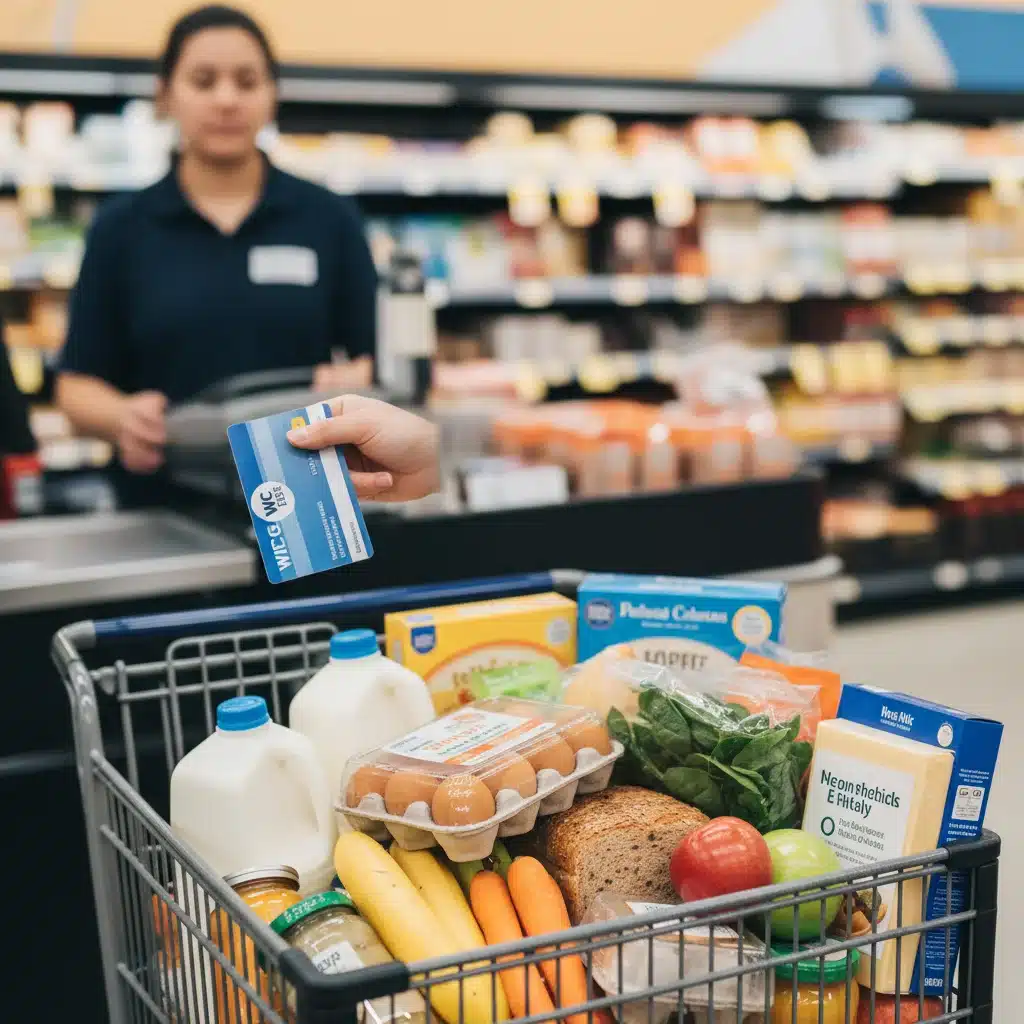
Most states use an EBT (Electronic Benefit Transfer) card for WIC benefits, similar to a debit card. This makes shopping easier and more discreet.
- Know Your Balance: Keep track of your monthly balance. Many states offer apps or online portals where you can check your remaining benefits.
- Shop Wisely: Plan your shopping trips. Focus on purchasing all the WIC-approved items you need each month. Don’t let benefits expire.
- Look for WIC-Approved Labels: Many grocery stores label shelves or items that are WIC-approved, making it easier to identify eligible products.
- Separate WIC Purchases: It’s often easier to separate your WIC purchases from your regular groceries at checkout. Inform the cashier you’re using WIC first.
Engage with Nutrition Education
The nutrition education component of WIC is invaluable. Don’t view it as a mere requirement; embrace it as an opportunity to learn and grow.
- Attend Classes: Participate in group classes on topics relevant to your family’s needs. These are often great opportunities to connect with other WIC participants and share experiences.
- Ask Questions: If you have concerns about your child’s eating habits, your own diet, or specific food issues, ask the WIC nutritionist. They are a fantastic resource.
- Utilize Online Resources: Many WIC programs offer online nutrition education modules that can be completed at your convenience.
Embrace Breastfeeding Support
If you are a pregnant or breastfeeding mother, take full advantage of WIC’s comprehensive breastfeeding support services.
- Peer Counselors: Connect with WIC peer counselors who are experienced breastfeeding mothers themselves. They can offer practical advice and emotional support.
- Lactation Consultants: If you’re facing significant challenges, WIC can refer you to certified lactation consultants for expert guidance.
- Breast Pumps: WIC often provides manual or electric breast pumps, which can be incredibly helpful for mothers returning to work or needing to express milk for other reasons.
Breastfeeding offers numerous health benefits for both mother and baby, and WIC is committed to helping you succeed.
Follow Up on Referrals
WIC often identifies other health or social needs and provides referrals. Don’t let these referrals go unused. They can connect you to essential services like:
- Primary healthcare providers
- Dental care
- Immunization clinics
- Lead poisoning screening
- Substance abuse treatment
- Family planning
- Child care services
- Housing assistance
These connections are a crucial part of the holistic support WIC offers.
Attend Your Certification Appointments
WIC benefits are not permanent. You will need to be re-certified periodically (typically every six months to a year) to continue receiving WIC benefits 2026. Pay attention to your clinic’s reminders and schedule your recertification appointment on time to avoid any lapse in benefits.
Common Challenges and How to Overcome Them
While WIC is designed to be accessible, participants can sometimes encounter challenges. Knowing how to address them can ensure uninterrupted support.
Difficulty Finding WIC-Approved Foods
Some smaller stores might have a limited selection of WIC-approved items. If you’re struggling:
- Check Larger Stores: Major grocery chains typically carry a wider variety of WIC-approved products.
- Use Your WIC App/Website: Many states have apps that allow you to scan barcodes to see if an item is WIC-approved or provide lists of participating stores.
- Ask Store Management: Sometimes, stores can order specific WIC items if there’s demand.
Scheduling Conflicts for Appointments
WIC appointments can sometimes be difficult to schedule around work or childcare. If this is an issue:
- Communicate with Your Clinic: Explain your situation. Many clinics offer flexible hours, evening appointments, or even telehealth options for certain services.
- Utilize Online Options: Some states allow certain aspects of recertification or nutrition education to be completed online.
Language Barriers
If English is not your primary language, don’t hesitate to ask for assistance. WIC clinics are required to provide language services, including interpreters, to ensure all participants can understand and access their benefits.
Changes in Income or Household Size
It’s crucial to report any significant changes in your income or household size to your WIC clinic promptly. This ensures your eligibility is accurately assessed and your benefits are adjusted if necessary. Failure to report changes could lead to overpayments or even temporary disqualification.
The Future of WIC: What to Expect in 2026 and Beyond
The WIC program is continually evolving to better meet the needs of its participants. While specific legislative changes for 2026 are always subject to congressional action, the general trend is towards:
- Increased Focus on Fresh Produce: There’s a strong push to enhance the fruit and vegetable cash value benefit (CVB), providing more funds for fresh produce. This is a key area where families can significantly boost the nutritional quality of their diets.
- Technological Advancements: Expect continued improvements in EBT systems, mobile apps, and online resources to make accessing and managing WIC benefits 2026 even easier.
- Expanded Telehealth Services: The use of telehealth for WIC appointments and nutrition education, accelerated by recent global events, is likely to become a permanent fixture, offering greater convenience and accessibility.
- Targeted Outreach: Efforts to reach underserved communities and ensure all eligible families are aware of and enrolled in WIC will likely continue to expand.

Staying informed about these potential changes by regularly checking your state WIC agency’s website or communicating with your local clinic will help you adapt and continue to maximize your benefits.
WIC and Other Assistance Programs
It’s important to understand that WIC can complement other assistance programs you may be receiving. As mentioned, participation in SNAP, Medicaid, or TANF can automatically qualify you for WIC’s income requirements. WIC is specifically designed to provide supplemental nutrition and support, meaning it works alongside other programs to create a comprehensive safety net for families.
Do not hesitate to apply for WIC even if you are receiving support from other programs. In fact, doing so can provide a more robust system of support for your family’s health and well-being. WIC’s focus on targeted nutrition and health education fills gaps that other programs might not address directly.
The Long-Term Impact of WIC
The benefits of participating in WIC extend far beyond the immediate provision of food. Research consistently shows that WIC participation leads to:
- Improved birth outcomes, including fewer premature births and higher birth weights.
- Reduced rates of infant mortality.
- Improved dietary intake and nutrient status for both women and children.
- Decreased rates of iron deficiency anemia in children.
- Improved cognitive development and school readiness for children.
- Increased rates of breastfeeding initiation and duration.
- Better access to regular medical care and immunizations.
By leveraging your WIC benefits 2026, you’re not just providing food for today; you’re investing in a healthier, brighter future for your children and contributing to the overall well-being of your family.
Conclusion: Empowering Your Family with WIC in 2026
The WIC program stands as a cornerstone of public health, offering essential nutritional support and health education to millions of expectant mothers, infants, and young children. As you navigate 2026, understanding the ins and outs of your WIC benefits 2026 is paramount to ensuring your family receives every ounce of support they are entitled to.
From understanding the eligibility criteria and meticulously preparing for your application to actively engaging with nutrition education and fully utilizing your food packages, every step you take contributes to maximizing the program’s positive impact. Remember, WIC is a comprehensive resource designed to empower you with the tools and knowledge needed to foster a healthy environment for your growing family.
Don’t leave any benefits on the table. Be proactive, ask questions, and leverage all the support WIC offers. Your commitment to utilizing these resources fully will directly translate into improved health outcomes, better nutrition, and a stronger foundation for your children’s future. The journey of parenthood is filled with challenges, but with programs like WIC, you have a powerful ally in ensuring your family thrives.