SNAP Benefit Adjustments 2026: Up to 10% Increase Explained
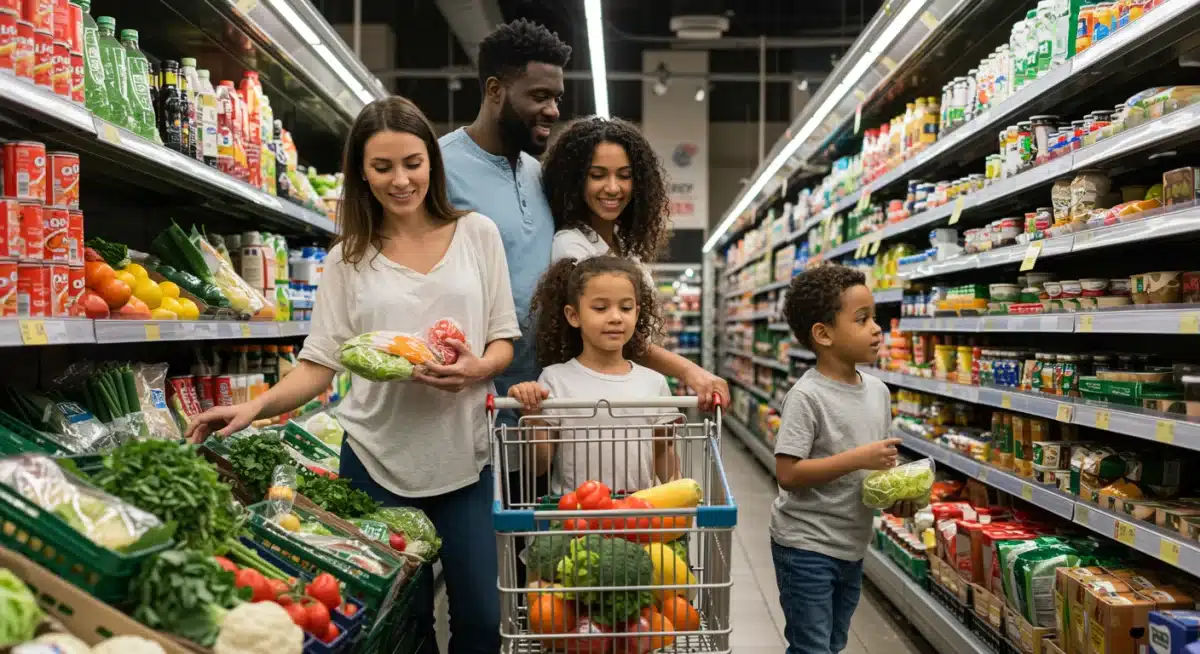
The new SNAP benefit adjustments for 2026 will increase monthly food assistance by up to 10%, reflecting significant policy shifts aimed at strengthening food security for eligible households across the United States.
As we approach 2026, understanding the upcoming SNAP benefit adjustments 2026 is crucial for millions of American families. These significant policy shifts are poised to impact monthly food assistance, potentially increasing benefits by up to 10% for eligible households.
Understanding the 2026 SNAP Policy Landscape
The Supplemental Nutrition Assistance Program (SNAP), a cornerstone of federal food assistance, undergoes periodic adjustments to reflect economic realities and evolving needs. For 2026, several key policy changes are on the horizon, designed to refine how benefits are calculated and distributed.
These adjustments are not arbitrary; they stem from comprehensive reviews of poverty thresholds, inflation rates, and the cost of a nutritious diet. Policymakers aim to ensure that SNAP remains an effective tool in combating food insecurity, particularly as economic conditions fluctuate. The goal is to provide a safety net that genuinely supports families in accessing healthy food options.
Key Legislative Drivers
Several legislative actions and administrative reviews have paved the way for these 2026 adjustments. These often involve bipartisan efforts to reauthorize farm bills and other relevant legislation that governs SNAP’s operations. Understanding these drivers helps illuminate the rationale behind the upcoming changes.
- Farm Bill Reauthorization: The primary legislative vehicle for SNAP, typically reviewed every five years, setting program parameters.
- Thrifty Food Plan Reevaluation: A key component influencing benefit levels, updated to reflect current food costs and nutritional science.
- Economic Indicators: Adjustments are often tied to inflation and poverty data, ensuring benefits keep pace with living costs.
- Administrative Efficiency: Efforts to streamline application processes and reduce administrative burdens for states and recipients.
The cumulative effect of these legislative and administrative efforts is a more responsive and equitable SNAP program. The adjustments for 2026 are expected to fine-tune the system, making it more effective in its fundamental mission. This proactive approach aims to address potential challenges before they escalate, providing a more stable support system for those in need.
In conclusion, the 2026 SNAP policy landscape is shaped by a confluence of legislative mandates, economic analyses, and a commitment to food security. These foundational elements ensure that the program remains relevant and impactful for its beneficiaries.
Projected 10% Increase: What It Means for Your Household
The anticipated increase of up to 10% in monthly SNAP benefits for 2026 represents a significant boost for many households. This adjustment is designed to enhance purchasing power, allowing families to afford a wider range of nutritious foods in the face of rising grocery costs.
For a household currently receiving $400 in monthly SNAP benefits, a 10% increase would translate to an additional $40, bringing their total to $440. While this might seem modest to some, for families living on tight budgets, such an increase can make a substantial difference in their ability to put food on the table. It can alleviate some of the financial strain associated with food expenses.
Impact on Food Budgets
The primary aim of this increase is to help families stretch their food budgets further. This means more fresh produce, lean proteins, and whole grains, contributing to better nutritional outcomes. It also provides a buffer against unexpected price hikes in staple items.
- Increased Purchasing Power: More funds mean access to a greater variety and quantity of healthy foods.
- Reduced Food Insecurity: Directly addresses the challenge of not having enough food for an active, healthy life.
- Economic Stability: Frees up other household funds that might otherwise be allocated to food, allowing for investment in other necessities.
- Nutritional Improvement: Enables families to choose more nutritious options, promoting better health outcomes.
This projected increase reflects a recognition that current benefit levels may not fully cover the cost of a healthy diet in today’s economic climate. The adjustment seeks to close that gap, providing a more realistic level of support. It’s a proactive measure to ensure that the program’s intended impact on well-being is fully realized.
Ultimately, the 10% increase in SNAP benefits for 2026 is expected to provide tangible relief and improved food access for eligible families. It underscores the program’s vital role in supporting household food security across the nation.
Eligibility Criteria and Application Process Updates
Navigating the eligibility criteria and application process for SNAP can sometimes feel complex, but understanding the updates for 2026 is key to accessing benefits. While core requirements remain, subtle shifts in income thresholds, asset limits, and documentation needs are anticipated.
Eligibility for SNAP primarily hinges on a household’s income and resources. Generally, gross monthly income must be at or below 130% of the federal poverty level, and net income at or below 100%. However, these percentages can vary by state and household size, and specific deductions for housing, utilities, and medical expenses can influence net income calculations.
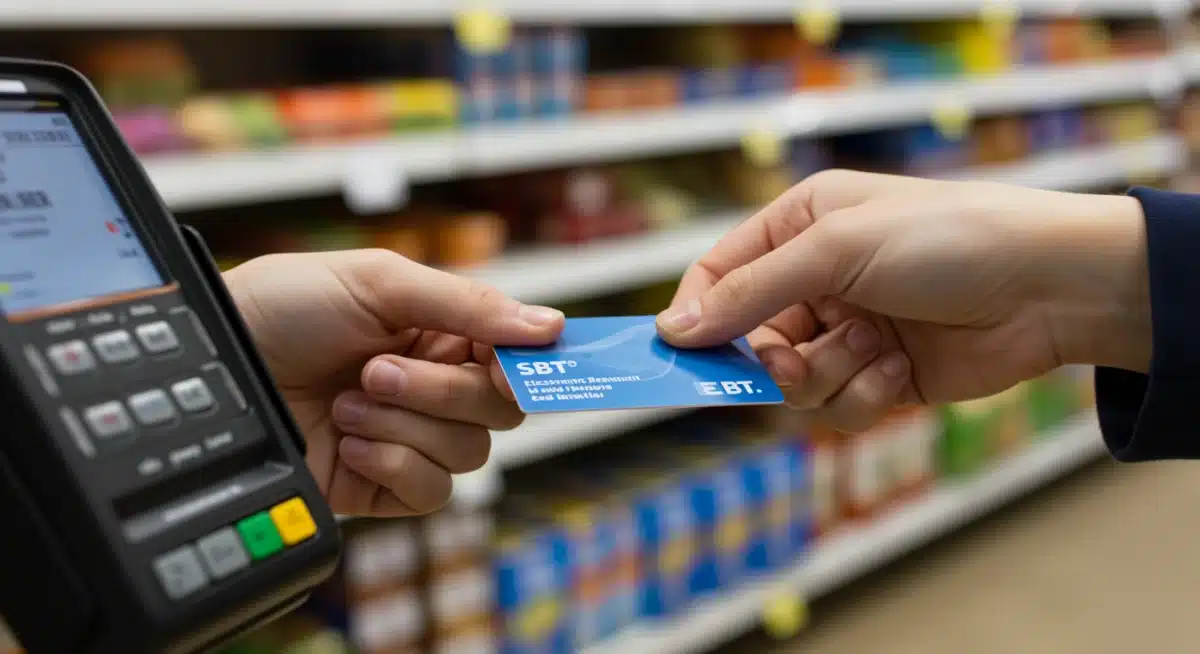
To apply, individuals and families typically submit an application to their state’s SNAP agency. This can often be done online, by mail, or in person. The application requires detailed information about household members, income, expenses, and resources. Be prepared to provide documentation to verify these details.
Anticipated Changes in Requirements
For 2026, some adjustments to the federal poverty levels are expected, which will directly influence SNAP income thresholds. It’s also possible that states will implement minor changes to their specific guidelines, so staying informed about local updates is crucial.
- Adjusted Income Thresholds: Federal poverty levels are updated annually, impacting who qualifies based on income.
- Streamlined Documentation: Some states may implement digital verification tools to simplify the submission of required documents.
- Resource Limit Modifications: While less common, some states might review and adjust non-exempt asset limits.
- Interview Processes: Continued emphasis on phone or virtual interviews to reduce barriers to application.
The application process often involves an interview with a caseworker, either in person or over the phone, to clarify information and ensure all details are accurate. After the interview, the agency will determine eligibility and inform the applicant of their decision, typically within 30 days.
Staying abreast of these potential changes and preparing necessary documentation will ensure a smoother application experience. The goal is to make the process as accessible as possible while maintaining program integrity.
Navigating the Application: Tips for a Smooth Process
Applying for SNAP benefits can be straightforward if you know what to expect and how to prepare. A smooth application process often hinges on organization and understanding the required documentation. Being proactive can significantly reduce delays and ensure you receive assistance promptly.
Before you even begin the application, gather all relevant personal and financial information. This includes identification for all household members, proof of income (pay stubs, benefit letters), residency (utility bills), and major expenses like rent or mortgage statements, and medical bills for elderly or disabled members. Having these documents ready will save considerable time.
Essential Documents to Prepare
A comprehensive checklist of documents can help you organize everything needed for your application. This preparation is a critical step in avoiding common pitfalls that lead to delays or denials.
- Proof of Identity: Driver’s license, state ID, birth certificate for all household members.
- Proof of Residency: Utility bills, lease agreement, mail with your address.
- Income Verification: Pay stubs, employer statements, Social Security benefits, child support, unemployment.
- Expense Verification: Rent/mortgage statements, utility bills, medical bills (for specific deductions).
- Resource Information: Bank statements, retirement accounts (if applicable and within limits).
Once you have your documents in order, you can typically apply online through your state’s SNAP portal, or by visiting a local SNAP office. Many states also offer phone applications. During the application or interview, be honest and thorough with your answers. Any discrepancies could lead to complications.
After submitting your application, you will usually be scheduled for an interview with a caseworker. This is an opportunity for the agency to clarify any information and verify your household’s eligibility. Respond promptly to any requests for additional information to keep your application moving forward.
By preparing thoroughly and understanding each step, you can navigate the SNAP application process efficiently and increase your chances of a timely approval for essential food assistance.
Maximizing Your SNAP Benefits: Beyond the Basics
While receiving SNAP benefits is a significant help, many recipients can further maximize their assistance by understanding additional program features and related resources. It’s not just about the monthly allotment; it’s about leveraging every available tool to enhance food security and overall well-being.
One often overlooked aspect is the potential for additional deductions that can increase your net income, thereby boosting your SNAP benefits. For instance, significant out-of-pocket medical expenses for elderly or disabled household members can be deducted, as can dependent care costs. Ensuring all eligible deductions are reported is crucial for receiving the maximum possible benefit.
Exploring Additional Programs and Discounts
Beyond the direct food assistance, SNAP recipients often qualify for other valuable programs and discounts that extend the reach of their benefits. These can range from farmers market incentives to utility bill assistance, creating a more holistic support system.
- Farmers Market Incentives: Many farmers markets offer programs like ‘Double Up Food Bucks,’ matching SNAP dollars for fresh produce.
- Utility Bill Discounts: Eligibility for SNAP often qualifies households for lower rates on electricity, gas, or internet services.
- Free or Reduced-Price School Meals: Children in SNAP households automatically qualify for free school breakfast and lunch.
- Museums for All: Many cultural institutions offer discounted or free admission to SNAP recipients.
It’s also important to understand the recertification process. SNAP benefits are not permanent; recipients must periodically recertify their eligibility, typically every 6 to 12 months. Missing recertification deadlines can lead to a temporary loss of benefits, so keeping track of these dates is essential.
Many states and local organizations offer workshops and resources to help SNAP recipients understand their benefits, manage their budgets, and connect with other support programs. Proactively seeking out this information can significantly enhance the impact of your SNAP assistance.
By actively exploring all facets of the SNAP program and related community resources, you can ensure you are fully maximizing your benefits and strengthening your household’s overall financial and nutritional stability.
Anticipated Challenges and How to Prepare
While the 2026 SNAP benefit adjustments aim to improve food security, recipients should also be aware of potential challenges and prepare accordingly. Policy changes, economic fluctuations, and administrative hurdles can sometimes impact the smooth delivery of benefits.
One common challenge arises from administrative backlogs. When significant policy changes are implemented, state agencies can experience a surge in inquiries and application processing, leading to delays. Being prepared with all documentation and submitting applications well in advance of deadlines can help mitigate this.
Potential Obstacles and Proactive Solutions
Understanding potential roadblocks allows you to develop strategies to overcome them. From documentation issues to communication gaps, being proactive is your best defense against disruptions in benefits.
- Documentation Discrepancies: Ensure all submitted documents are clear, current, and accurately reflect your household’s information. Keep copies for your records.
- Communication Gaps: Respond promptly to all requests for information from your state agency. Keep your contact information updated.
- Policy Misinterpretations: Seek clarification from official sources or trusted community organizations if you are unsure about new rules.
- Technical Difficulties: If applying online, be aware of potential website downtimes or technical glitches; have a backup plan (e.g., phone or in-person application).
Economic shifts, such as unexpected inflation or changes in employment rates, can also influence the program. While the 2026 adjustments are designed to be responsive, recipients should remain informed about broader economic trends that could affect their purchasing power or future benefit levels.
Advocacy groups and community organizations play a vital role in supporting SNAP recipients. They often provide free assistance with applications, appeals, and understanding complex regulations. Connecting with these resources can be invaluable, especially if you encounter difficulties.
By staying informed, organized, and proactive, recipients can effectively navigate any challenges that may arise with the 2026 SNAP benefit adjustments, ensuring continued access to vital food assistance.
| Key Aspect | Brief Description |
|---|---|
| Benefit Increase | Monthly food assistance may increase by up to 10% for eligible households in 2026. |
| Policy Shifts | Changes driven by farm bill reauthorization, Thrifty Food Plan reevaluation, and economic indicators. |
| Eligibility Updates | Anticipated adjustments to income thresholds and potential streamlining of documentation requirements. |
| Application Tips | Gather all documents, apply online or in-person, and respond promptly to agency requests. |
Frequently asked questions about 2026 SNAP benefits
The primary reason is to ensure SNAP benefits keep pace with the rising cost of food and to reflect updated economic data, including adjustments to the federal poverty level and reevaluation of the Thrifty Food Plan, which determines benefit amounts.
Your state SNAP agency will notify you directly about any changes to your benefit amount. You can also check your online SNAP account or contact your local office for specific details regarding your household’s adjusted benefits for 2026.
While core eligibility remains based on income and resources, federal poverty levels will be updated, potentially affecting income thresholds. Some states might also refine their specific guidelines, so it’s important to check with your local SNAP office for the latest criteria.
For recertification, prepare proof of identity, residency, all sources of income (pay stubs, benefit letters), and expense documentation (rent, utilities, medical bills). Being organized ensures a smooth and timely renewal of your benefits.
Yes, many farmers markets across the U.S. accept SNAP EBT cards. Furthermore, some markets offer incentive programs, such as ‘Double Up Food Bucks,’ which can match your SNAP dollars, allowing you to purchase even more fresh, local produce.
Conclusion
The upcoming SNAP benefit adjustments for 2026 represent a critical effort to enhance food security for millions of Americans. With projected increases of up to 10%, these policy shifts aim to provide more robust support in navigating the complexities of household food budgets. Understanding the changes in eligibility, preparing for the application process, and knowing how to maximize benefits are all essential steps for recipients. By staying informed and proactive, families can effectively leverage this vital program to secure nutritious food and foster greater stability in their lives.