Mastering Grocery Savings: Your Guide to $5,000 in 2026

In an era where every penny counts, finding effective ways to manage household expenses is paramount. For many families, groceries represent one of the largest and most flexible budget categories. Imagine saving a substantial amount, say, $5,000, on your grocery bill in a single year. While it might sound like a daunting task, with the right strategies and a committed approach, achieving significant grocery savings 2026 is entirely within reach. This comprehensive guide will walk you through actionable steps, smart shopping techniques, and meal planning mastery to help your family reach that impressive $5,000 goal.
The rising cost of living has put immense pressure on family budgets. Food prices, in particular, have seen a steady increase, making it more challenging than ever to feed a family without breaking the bank. However, by adopting a proactive and strategic mindset, you can transform your grocery shopping habits from a money drain into a powerful savings engine. We’ll explore everything from pre-shopping preparation to post-shopping utilization, ensuring every dollar spent is a dollar well spent, or better yet, a dollar saved.
Understanding Your Current Grocery Spending Habits
Before you can start saving, you need to understand where your money is currently going. The first step towards achieving substantial grocery savings 2026 is to conduct an honest assessment of your current spending habits. For at least one month, meticulously track every single grocery-related purchase. This includes not just your main supermarket trips, but also convenience store runs, farmers’ market visits, and even those impulse buys at the checkout.
The Power of Tracking
Use a spreadsheet, a budgeting app, or even a simple notebook to record:
- Date of purchase
- Store name
- Total amount spent
- Categories of items purchased (e.g., produce, dairy, meat, snacks, processed foods)
- Any impulse buys
Analyzing this data will provide invaluable insights. You might discover that a significant portion of your budget is allocated to convenience foods, snacks, or eating out (which often masquerades as a grocery expense). Identifying these patterns is crucial for pinpointing areas where you can make the most impactful changes for your grocery savings 2026 journey.
Setting Realistic Goals
Once you have a clear picture of your spending, you can set realistic and achievable savings targets. A $5,000 annual saving translates to roughly $416 per month. If your current monthly grocery bill is $1,000, aiming to cut it down to $584 might seem ambitious but is certainly attainable with the right strategies. Break down your larger goal into smaller, manageable weekly or monthly targets to stay motivated.
Mastering the Art of Meal Planning for Maximum Savings
Meal planning is arguably the single most effective strategy for achieving significant grocery savings 2026. It eliminates impulse purchases, reduces food waste, and ensures you’re only buying what you need. A well-executed meal plan is your roadmap to a leaner grocery bill.
Plan Around Sales and What You Already Have
Instead of deciding what you want to eat and then shopping, reverse the process. Start your meal planning by:
- Checking your pantry, fridge, and freezer: What ingredients do you already have on hand that need to be used? Build meals around these items to reduce waste.
- Reviewing weekly flyers and digital coupons: What items are on sale at your preferred grocery stores? Incorporate these discounted items into your meal plan. This is a cornerstone of effective grocery savings 2026.
Create a Weekly Meal Plan
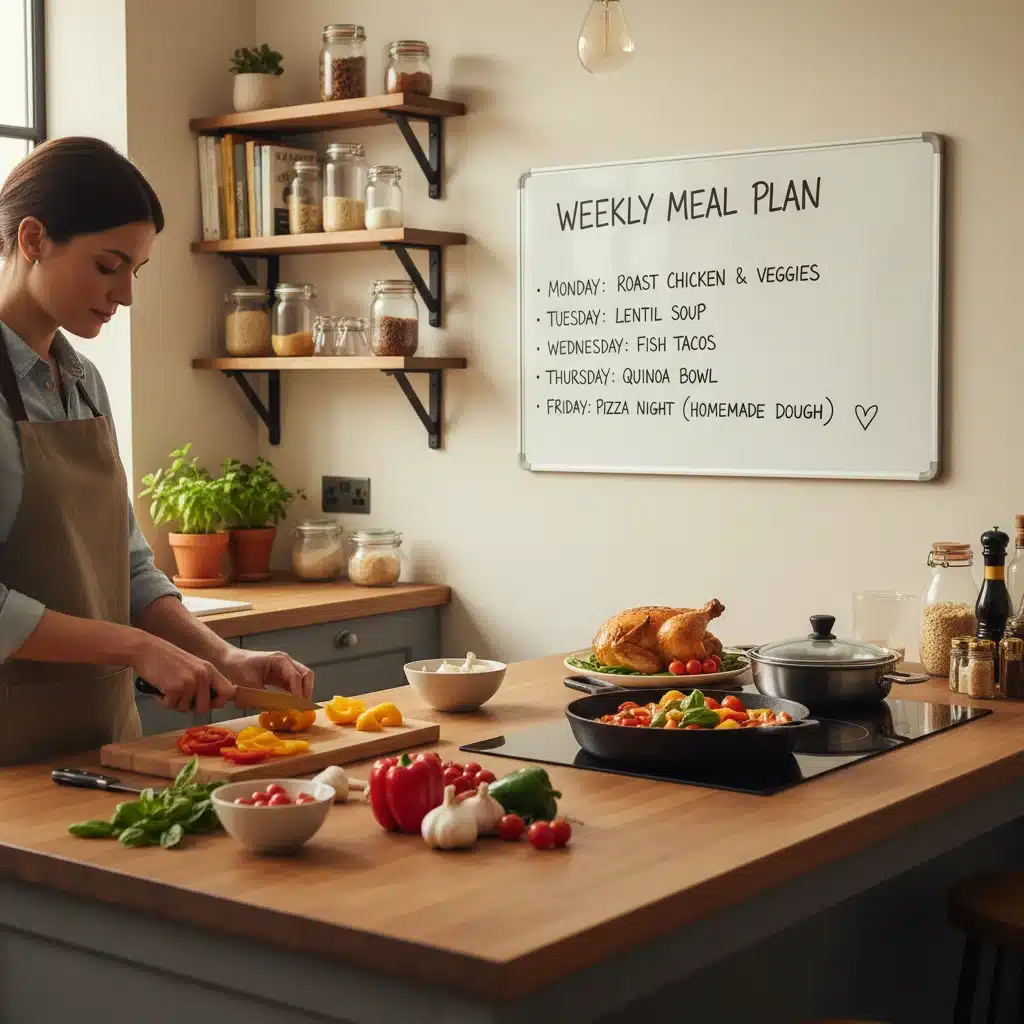
Dedicate a specific time each week (e.g., Sunday afternoon) to plan your meals for the upcoming week. Consider:
- Breakfasts, lunches, dinners, and snacks: Don’t forget any meal occasion.
- Utilizing leftovers: Plan for dinners that can be easily repurposed for lunches the next day. This is a fantastic way to minimize cooking time and maximize value.
- Theme nights: Taco Tuesday, Meatless Monday, Pasta Thursday – theme nights can simplify planning and add fun.
- Batch cooking: Prepare large quantities of staple ingredients (e.g., cooked grains, roasted vegetables, grilled chicken) that can be used in multiple meals throughout the week.
Develop a Detailed Shopping List
Once your meal plan is solid, create a precise shopping list. Categorize your list by store sections (produce, dairy, pantry, frozen) to make your shopping trip efficient and prevent backtracking or impulse buys. Stick to this list religiously. This discipline is vital for realizing your grocery savings 2026 goals.
Smart Shopping Strategies: Beyond the List
Having a list is good, but smart shopping involves more than just adhering to it. It’s about making informed decisions at every stage of your grocery trip.
Choose the Right Stores
Not all grocery stores are created equal in terms of pricing. Explore different options:
- Discount supermarkets: Stores like Aldi or Lidl often have significantly lower prices on staples.
- Wholesale clubs: For families, buying in bulk at places like Costco or Sam’s Club can offer considerable savings on non-perishables and frequently used items, but be wary of overbuying perishables.
- Farmers’ markets: While not always cheaper, fresh, seasonal produce can sometimes be found at competitive prices, and it supports local communities.
- Ethnic markets: These can be treasure troves for spices, produce, and specialty items at lower prices than mainstream supermarkets.
Shop Strategically
- Never shop hungry: This is a golden rule for preventing impulse purchases and sticking to your list.
- Go alone if possible: Shopping with children or a partner can sometimes lead to more unplanned items in the cart.
- Compare unit prices: Always look at the unit price (price per ounce, per pound, etc.) rather than just the sticker price to determine the true best value. Larger packages aren’t always cheaper.
- Buy generic/store brands: For many items, store brands offer comparable quality to national brands at a fraction of the cost. This is an easy win for grocery savings 2026.
- Utilize coupons and loyalty programs: Clip digital and paper coupons, and sign up for loyalty programs that offer exclusive discounts and rewards.
- Shop the perimeter first: The freshest, often healthiest, and least processed foods are typically found around the perimeter of the store. The center aisles are where processed, higher-margin items reside.
Reducing Food Waste: Saving More Than Just Money
Food waste is a significant drain on your budget and a major environmental concern. By minimizing what you throw away, you directly contribute to your grocery savings 2026 goal.
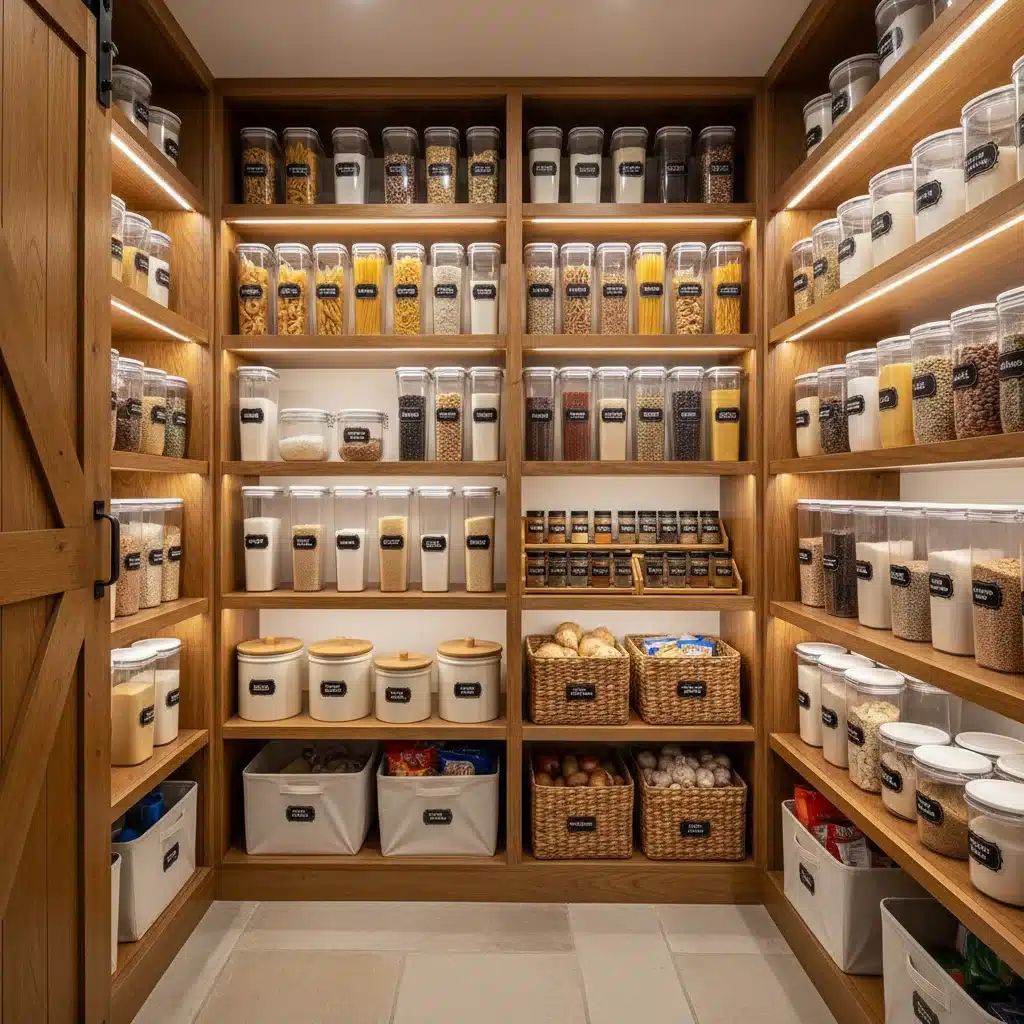
Proper Storage is Key
- Understand food expiration dates: “Best by” or “sell by” dates are often indicators of quality, not safety. Learn the difference and trust your senses.
- Store produce correctly: Different fruits and vegetables have different storage needs. For example, potatoes and onions prefer cool, dark places, while berries need to be refrigerated and washed just before eating.
- Use airtight containers: This extends the life of leftovers and opened packages.
- First-in, first-out (FIFO): When putting away new groceries, move older items to the front so they get used first.
Creative Culinary Solutions
- Transform leftovers: Don’t just reheat; reinvent! Leftover roasted chicken can become chicken salad or quesadilla filling. Extra rice can be fried rice or a base for a grain bowl.
- Embrace “ugly” produce: Imperfectly shaped fruits and vegetables are often just as delicious and nutritious, and sometimes cheaper.
- Utilize vegetable scraps: Keep a bag of vegetable scraps (onion peels, carrot tops, celery ends) in the freezer to make homemade vegetable broth.
- Freeze wisely: Freeze excess produce, cooked meals, or even bread before it goes bad. Label everything with the date.
DIY and Homemade: Cutting Out Convenience Costs
Many pre-packaged and convenience foods carry a hefty premium. By making things from scratch, you can significantly boost your grocery savings 2026.
Homemade Staples
- Bake your own bread: A bread machine or a simple no-knead recipe can save a lot over buying artisanal loaves.
- Make your own sauces and dressings: Bottled dressings and sauces are often packed with sugar, unhealthy oils, and preservatives, and they’re expensive. Simple vinaigrettes or marinara sauces are easy to whip up.
- Prepare your own snacks: Instead of buying pre-portioned bags of chips or cookies, make a batch of granola bars, pop your own popcorn, or cut up fresh fruit.
- Brew your own coffee/tea: Daily coffee shop runs add up quickly. Invest in a good coffee maker and brew at home.
Cooking from Scratch
Embrace cooking from basic ingredients. This not only saves money but often leads to healthier eating. Focus on whole grains, legumes, seasonal vegetables, and lean proteins. Learning a few basic cooking techniques can open up a world of affordable and delicious meals.
Strategic Protein Choices and Meatless Meals
Meat, especially certain cuts, can be a major budgetbuster. Making smart choices about your protein sources is a powerful way to achieve grocery savings 2026.
Embrace Plant-Based Proteins
Incorporate more plant-based meals into your weekly rotation. Legumes (beans, lentils, chickpeas), tofu, tempeh, and eggs are incredibly versatile, nutritious, and significantly cheaper than most meat products. Aim for at least one or two meatless meals per week, gradually increasing if your family is receptive.
Smart Meat Shopping
- Buy less, better quality: If you do eat meat, consider buying smaller portions of higher-quality, ethically sourced meat.
- Look for sales: Stock up on meat when it’s on sale and freeze it.
- Choose cheaper cuts: Cuts like chicken thighs, ground turkey, or pork shoulder are often more economical than chicken breasts or steaks. Learn how to cook them to maximize flavor and tenderness.
- Stretch your meat: Use meat as a flavor enhancer rather than the main component of every meal. For example, add a smaller amount of ground beef to a chili or pasta sauce, and bulk it up with extra vegetables and beans.
Leveraging Technology for Greater Savings
In today’s digital age, numerous apps and online tools can assist you in your quest for grocery savings 2026.
Coupon and Rebate Apps
Apps like Ibotta, Fetch Rewards, and Checkout 51 offer cash back on specific purchases. Simply scan your receipts, and these apps will identify eligible items and credit your account. This passive saving method can add up significantly over time.
Price Comparison Apps
Some apps allow you to compare prices across different stores for specific items, ensuring you’re always getting the best deal. Websites of major retailers also often have their weekly flyers available online, making pre-shopping research much easier.
Digital Meal Planners and Shopping List Apps
Utilize apps that help you organize your meal plans and create smart shopping lists. Many can even integrate with recipes and track pantry inventory, further streamlining your efforts to achieve grocery savings 2026.
Involving the Whole Family in the Savings Journey
Making grocery savings 2026 a family effort can be both educational and empowering. When everyone is on board, success becomes much more likely.
Educate and Engage
- Explain the ‘why’: Help children understand why saving money on groceries is important (e.g., for a family vacation, a special purchase, or just financial security).
- Involve them in meal planning: Let older children choose a meal to plan or help find recipes using ingredients you already have.
- Assign shopping tasks: Give children age-appropriate tasks at the grocery store, like finding specific items from the list or comparing unit prices.
- Teach cooking skills: Involve them in meal preparation. Children are often more likely to eat what they’ve helped make, reducing potential waste.
Make it Fun
Turn saving into a game. Set weekly challenges, track progress on a visible chart, and celebrate milestones. A family that saves together, thrives together!
Adjusting for Unexpected Circumstances and Staying Flexible
Life happens, and sometimes even the best-laid plans go awry. The key to sustained grocery savings 2026 is flexibility and adaptability.
Building a Buffer
Don’t beat yourself up if you go slightly over budget one week. Instead, identify why it happened and adjust your plan for the following week. Build a small buffer into your monthly grocery budget for unexpected needs or last-minute changes.
Embrace Imperfection
You won’t be perfect every single week, and that’s okay. The goal is consistent effort and continuous improvement. Review your progress regularly, learn from your experiences, and refine your strategies. What works for one family might need tweaking for another. The ultimate aim is to find sustainable habits that fit your family’s lifestyle and contribute to your overall financial well-being.
Conclusion: Your Path to $5,000 in Grocery Savings
Saving $5,000 on groceries in 2026 is an ambitious yet entirely achievable goal. It requires dedication, strategic planning, and a willingness to adapt your habits. By meticulously tracking your spending, mastering meal planning, adopting smart shopping strategies, drastically reducing food waste, embracing DIY solutions, making intelligent protein choices, and leveraging technology, your family can significantly cut down on food expenses.
Remember, this isn’t just about saving money; it’s about building healthier eating habits, becoming more resourceful in the kitchen, and gaining greater control over your family’s finances. Start small, celebrate your successes, and stay consistent. With these proven strategies, your journey towards substantial grocery savings 2026 will not only enrich your bank account but also empower your family with invaluable life skills. Happy saving!