Budget-Friendly Meal Planning: Cook 5 Healthy Dinners for Under $50 Per Week
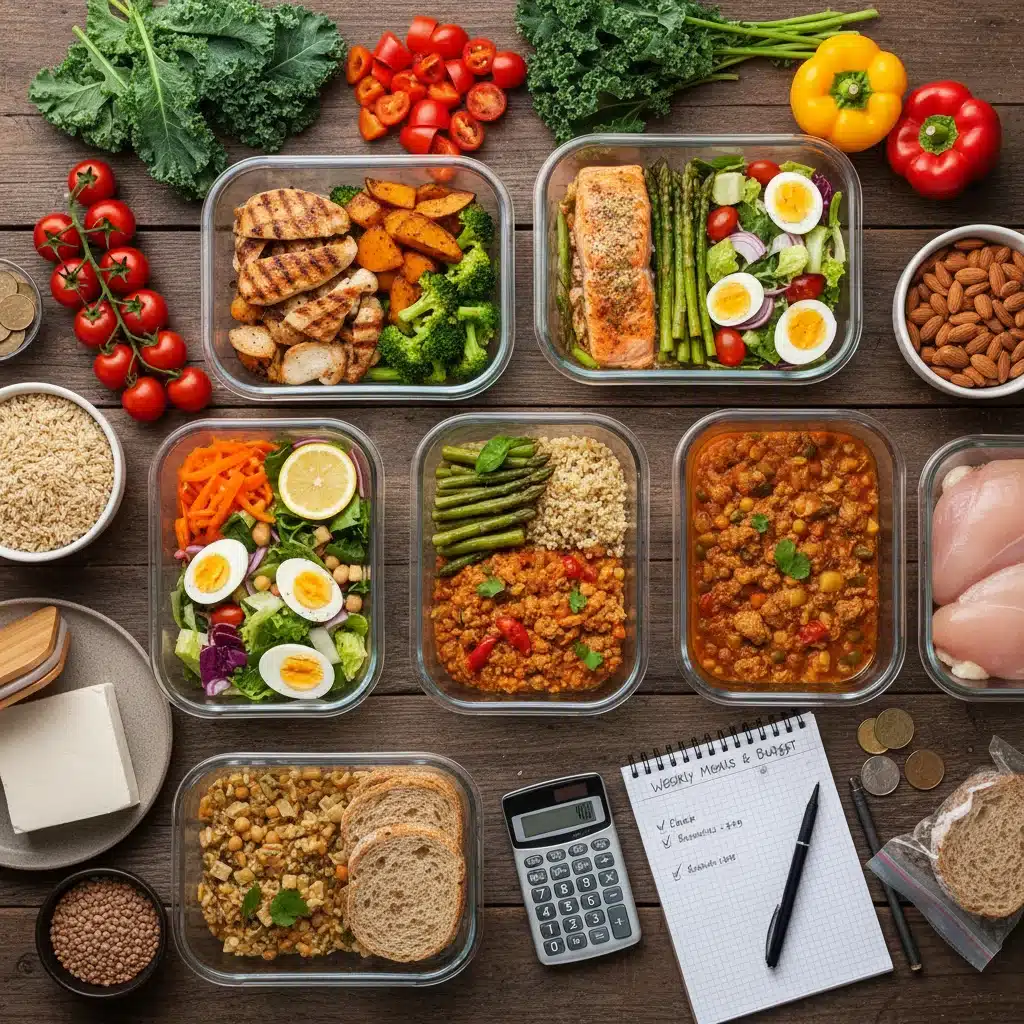
In today’s economic climate, stretching your dollar further is more important than ever, especially when it comes to groceries. The good news? Eating healthy doesn’t have to be expensive. With smart budget meal planning, you can enjoy delicious, nutritious dinners every night of the week without emptying your wallet. This comprehensive guide will show you how to cook five healthy dinners for under $50 per week, transforming your approach to food shopping and meal preparation. Get ready to save money, reduce food waste, and savor wholesome meals!
The Power of Budget Meal Planning: Why It Works
Budget meal planning is more than just making a grocery list; it’s a strategic approach to food consumption that offers numerous benefits. First and foremost, it helps you stick to a budget, preventing impulsive purchases and reducing your overall food expenditure. By planning your meals, you’re less likely to order takeout or dine out, which are often significant drains on your finances. Secondly, it promotes healthier eating habits. When you plan your meals, you consciously choose nutritious ingredients and balanced recipes, moving away from processed foods high in unhealthy fats, sugar, and sodium. This proactive approach to eating can lead to improved energy levels, better weight management, and a reduced risk of chronic diseases.
Furthermore, effective budget meal planning minimizes food waste. By knowing exactly what you need and how you’ll use each ingredient, you avoid letting produce spoil or buying items that sit unused in your pantry. This not only saves money but also contributes to a more sustainable lifestyle. Finally, it saves you time during the week. With meals planned and potentially prepped, you eliminate the daily “what’s for dinner?” dilemma, making weeknights smoother and less stressful. Imagine coming home after a long day knowing a healthy, delicious meal is just minutes away from being ready!
Step-by-Step Guide to Under-$50 Weekly Meal Planning
Achieving a weekly grocery bill under $50 for five healthy dinners might seem daunting, but it’s entirely achievable with a structured approach. Here’s how to master budget meal planning:
1. Assess Your Current Pantry & Fridge
Before you even think about recipes or shopping, take inventory of what you already have. This is a crucial first step in any effective budget meal planning strategy. Check your pantry for staples like rice, pasta, beans, lentils, canned goods, and spices. Look in your fridge and freezer for any leftover produce, frozen vegetables, or proteins that need to be used. This not only prevents you from buying duplicates but also inspires meals around existing ingredients, cutting down your shopping list significantly. Make a list of these items; they’ll be your starting point.
2. Browse Sales and Weekly Flyers
Once you know what you have, check the weekly sales flyers from your local grocery stores. This is where the real savings begin. Focus on discounted proteins (chicken, ground turkey, tofu, eggs, canned fish), seasonal produce (which is always cheaper), and staple items. Let these sales guide your meal choices. If chicken thighs are on sale, plan a few chicken-based meals. If lentils are cheap, incorporate them into a hearty stew. This proactive approach to shopping is a cornerstone of successful budget meal planning.
3. Plan Your Meals Around Affordable Ingredients
With your pantry inventory and sales flyers in hand, it’s time to plan your five dinners. Prioritize versatile, inexpensive ingredients. Here are some categories to focus on:
- Legumes: Dried or canned beans, lentils, and chickpeas are incredibly cheap, packed with protein and fiber, and can form the base of many meals.
- Grains: Rice (especially brown rice), oats, pasta, and whole wheat bread are budget-friendly and filling.
- Seasonal Produce: As mentioned, buying fruits and vegetables in season is significantly cheaper. Root vegetables like potatoes, carrots, and onions are often inexpensive year-round. Frozen vegetables are also an excellent, cost-effective option.
- Eggs: A fantastic source of protein, eggs can be used for frittatas, scrambles, or added to stir-fries.
- Canned Goods: Tomatoes, tuna, salmon, and corn are pantry heroes that can elevate many dishes.
- Less Expensive Proteins: Chicken thighs, ground turkey, and pork shoulder are often more affordable than chicken breasts or beef steaks. Tofu and tempeh are also great plant-based protein options.
Aim for a balance of protein, complex carbohydrates, and plenty of vegetables in each meal. Don’t forget to factor in any ingredients you already have!
4. Create a Detailed Grocery List (and Stick to It!)
Once your meals are planned, make a precise grocery list. Organize it by store section to save time and prevent impulse buys. Only buy what’s on the list. This discipline is vital for staying within your $50 budget. Avoid shopping when hungry, as this often leads to unnecessary purchases.
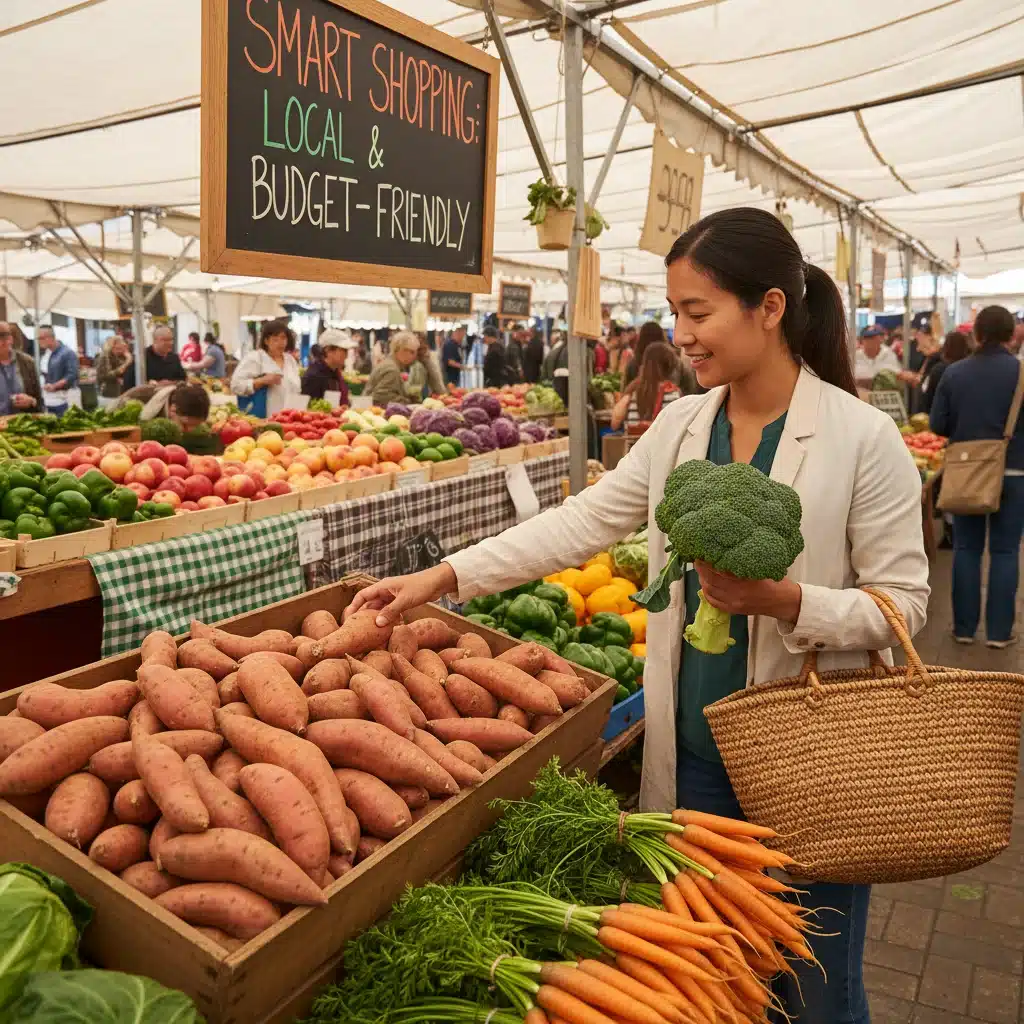
5. Strategic Shopping Tips for Maximum Savings
- Compare Unit Prices: Always look at the price per unit (e.g., per ounce or per pound) to determine the best value, especially for staples.
- Buy in Bulk (Wisely): If an item you use frequently (like rice, oats, or certain spices) is significantly cheaper in bulk, and you have storage space, consider buying more. However, don’t buy bulk perishables unless you have a plan to use or freeze them.
- Shop Generic/Store Brands: Often, store brands are just as good as their name-brand counterparts but cost considerably less.
- Utilize Loyalty Programs and Coupons: Sign up for your grocery store’s loyalty program and check for digital coupons before you shop.
- Avoid Pre-Cut/Pre-Washed Items: While convenient, these items carry a significant markup. A whole head of lettuce or a bag of carrots will always be cheaper than their pre-cut versions.
5 Healthy Dinners for Under $50 Per Week: Sample Meal Plan
Here’s a sample budget meal planning menu and shopping list designed to feed you five healthy dinners for under $50. Prices are estimates and can vary by region and store, but this provides a solid framework.
Shopping List (Estimated Cost: $45-$49)
(Prices are approximate and subject to change)
- Produce:
- 1 large head of broccoli ($2.00)
- 1 bag carrots ($1.50)
- 1 large onion ($0.75)
- 3 cloves garlic ($0.50)
- 1 bag spinach ($2.50)
- 2 sweet potatoes ($2.00)
- 1 bell pepper (any color) ($1.00)
- 1 zucchini ($1.25)
- 1 lemon ($0.50)
- Proteins:
- 1 lb chicken thighs (bone-in, skin-on for flavor/cost) ($4.00)
- 1 lb ground turkey or lentils (dried) ($4.50)
- 1 dozen eggs ($3.00)
- 1 can chickpeas ($1.00)
- Grains/Starches:
- 1 bag brown rice ($3.00)
- 1 box whole wheat pasta ($2.00)
- 1 loaf whole wheat bread (for toast/sides) ($2.50)
- Dairy/Alternatives:
- Small block of cheddar or feta cheese ($3.50)
- Pantry Staples (assuming you have most, buying only what’s needed):
- 1 can diced tomatoes ($1.00)
- 1 can coconut milk (full fat) ($2.00)
- Spices (cumin, curry powder, paprika, salt, pepper – check your pantry first!) ($3.00 – if buying new)
- Olive oil/cooking oil (check pantry)
- Soy sauce/tamari (check pantry)
- Vegetable broth (bouillon cubes are cheaper) ($1.50)
The 5 Healthy Dinners:
1. Sheet Pan Lemon Herb Chicken Thighs with Roasted Sweet Potatoes & Broccoli
This meal is incredibly easy, requires minimal cleanup, and is packed with flavor. Chicken thighs are a more economical cut, and roasting brings out the sweetness in the vegetables.
- Ingredients: Chicken thighs, sweet potatoes, broccoli, lemon, garlic, olive oil, dried herbs (rosemary, thyme), salt, pepper.
- Preparation: Toss chopped sweet potatoes and broccoli with olive oil, salt, pepper, and some herbs. Arrange on a sheet pan. Toss chicken thighs with olive oil, minced garlic, lemon juice, more herbs, salt, and pepper. Add to the same sheet pan. Roast at 400°F (200°C) for 25-35 minutes, or until chicken is cooked through and vegetables are tender.
- Budget Tip: Using bone-in, skin-on chicken thighs is often cheaper and adds more flavor than boneless, skinless.
2. Hearty Lentil & Vegetable Soup with Whole Wheat Bread
Lentils are a powerhouse of nutrition and extremely affordable. This soup is comforting, filling, and makes great leftovers.
- Ingredients: Dried lentils, carrots, celery (if budget allows, otherwise skip), onion, garlic, canned diced tomatoes, vegetable broth/bouillon, spices (cumin, paprika, bay leaf), spinach, whole wheat bread.
- Preparation: Sauté chopped onion, carrots, and garlic. Add lentils, diced tomatoes, broth, and spices. Simmer until lentils are tender. Stir in spinach at the end until wilted. Serve with a slice of toasted whole wheat bread.
- Budget Tip: Buy dried lentils in bulk; they are significantly cheaper than canned.
3. Ground Turkey (or Lentil) & Veggie Stir-Fry with Brown Rice
A quick, customizable, and healthy meal. Ground turkey is a lean, budget-friendly protein, but you can easily substitute with lentils for a vegetarian option.
- Ingredients: Ground turkey (or cooked lentils), brown rice, bell pepper, zucchini, carrots, onion, garlic, soy sauce/tamari, ginger (optional, if you have it), cooking oil.
- Preparation: Cook brown rice according to package directions. Sauté ground turkey (or lentils) until cooked through. Remove from pan. Sauté chopped bell pepper, zucchini, carrots, onion, and garlic until tender-crisp. Return turkey/lentils to the pan, add soy sauce, and stir to combine. Serve over brown rice.
- Budget Tip: Use frozen stir-fry vegetable mixes if fresh individual vegetables are too expensive.
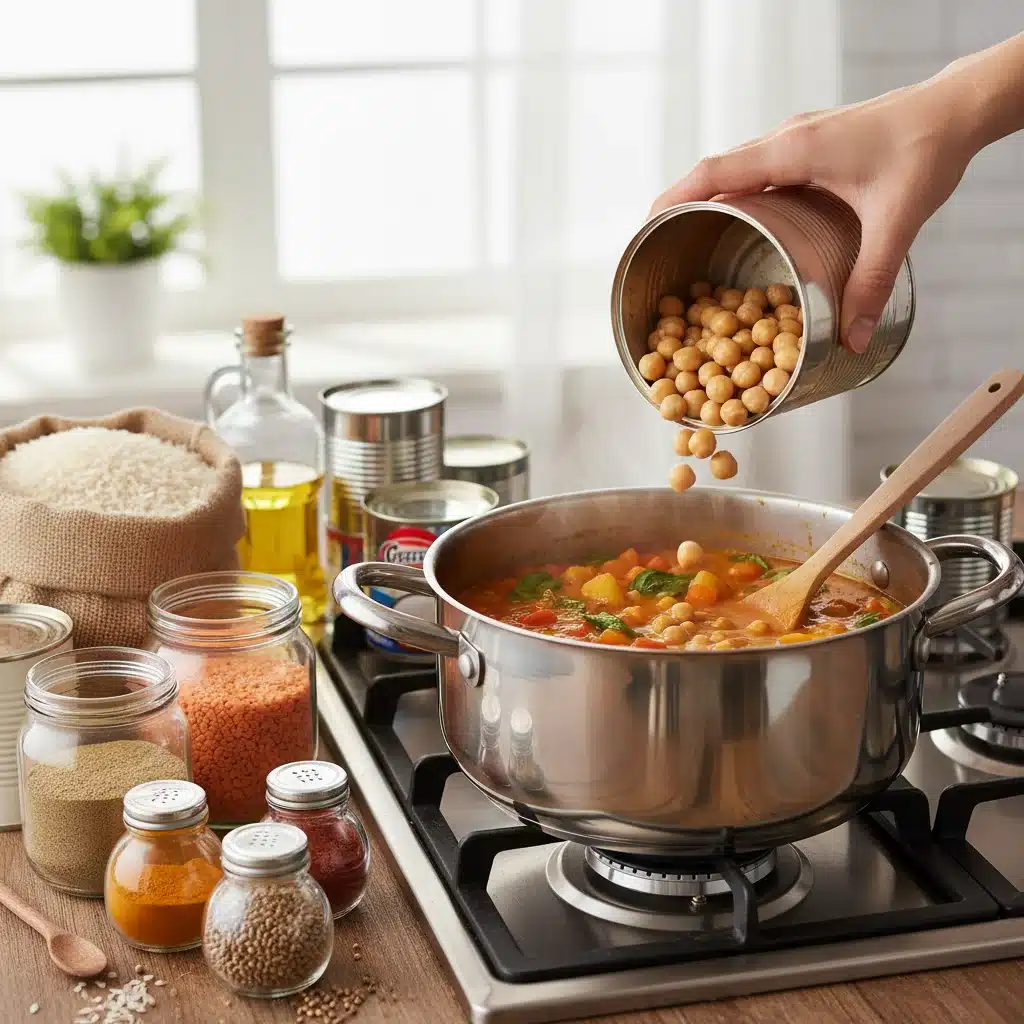
4. Chickpea & Spinach Curry with Brown Rice
This flavorful, plant-based curry is incredibly satisfying and uses inexpensive pantry staples.
- Ingredients: Canned chickpeas, canned diced tomatoes, coconut milk, onion, garlic, ginger (optional), curry powder, cumin, spinach, brown rice, cooking oil.
- Preparation: Cook brown rice. Sauté chopped onion, garlic, and ginger (if using). Add curry powder and cumin, cooking for a minute until fragrant. Stir in diced tomatoes, coconut milk, and drained chickpeas. Simmer for 15-20 minutes. Stir in spinach until wilted. Serve hot with brown rice.
- Budget Tip: Canned chickpeas are a great protein source and very affordable.
5. Loaded Veggie & Egg Frittata with a Side Salad
Eggs aren’t just for breakfast! A frittata is a versatile and inexpensive dinner that can use up any leftover vegetables. The side salad adds freshness.
- Ingredients: Eggs, onion, garlic, spinach, any leftover roasted vegetables (from Day 1, for example), small amount of cheese (optional), olive oil, salt, pepper.
- Preparation: Preheat oven to 375°F (190°C). Sauté chopped onion, garlic, and spinach until soft. If using raw vegetables, sauté them until tender. Whisk eggs with salt, pepper, and a splash of water or milk (if you have it). Stir in sautéed vegetables and cheese (if using). Pour into an oven-safe, greased pan. Bake for 20-25 minutes, or until set and lightly golden. Serve with a simple side salad (remaining spinach, a squeeze of lemon, and a drizzle of olive oil).
- Budget Tip: This is an excellent “clean out the fridge” meal, reducing food waste and saving money.
Meal Prep Strategies for Budget Meal Planning Success
To truly maximize your budget meal planning efforts and ensure you stick to your healthy eating goals, meal prepping is essential. Dedicate a few hours one day a week (e.g., Sunday afternoon) to get ahead.
- Wash and Chop Produce: Wash and chop all your vegetables for the week. Store them in airtight containers in the fridge. This makes weeknight cooking much faster.
- Cook Grains in Bulk: Cook a large batch of brown rice or other grains that can be used across multiple meals.
- Pre-Cook Proteins: If your schedule is hectic, you might pre-cook some ground turkey or even roast your chicken thighs ahead of time.
- Portion Out Meals: For ultimate convenience, portion out your cooked dinners into individual containers. This prevents overeating and makes grabbing a healthy meal effortless.
- Make Double Batches: If a recipe is easily doubled (like the lentil soup or chickpea curry), make extra for lunches the next day or to freeze for future busy evenings.
Beyond the Plate: Additional Tips for Frugal Foodies
Budget meal planning extends beyond just the dinners you cook. Consider these additional strategies to keep your food costs down:
- Embrace Batch Cooking: As mentioned, cooking larger quantities of staple ingredients or full meals and portioning them out can save time and money. Freezing portions means you always have a healthy, homemade option available, deterring expensive impulse buys.
- Minimize Food Waste: Learn to use every part of your ingredients. Vegetable scraps can become broth. Stale bread can be made into croutons. Understand food storage best practices to extend the life of your produce.
- Cook from Scratch: Processed foods are almost always more expensive and less healthy than making things from scratch. Simple sauces, dressings, and even baked goods can be made for a fraction of the cost.
- Grow Your Own Herbs: A small herb garden (even a windowsill one) can save you money on fresh herbs, which can be surprisingly costly.
- Pack Your Lunch: Don’t let your lunch budget derail your dinner savings. Always pack a homemade lunch, ideally leftovers from your planned dinners.
- Limit Meat Consumption: Meat is often the most expensive item on a grocery list. Incorporating more plant-based meals (like the lentil soup and chickpea curry) is a fantastic way to save money and boost your fiber intake.
- Water is Your Best Friend: Skip sugary drinks and bottled water. Tap water is free and healthy.
- Track Your Spending: Keep a running tally of your grocery expenses to ensure you’re staying within your $50 goal. This accountability can be a powerful motivator.
Common Challenges and How to Overcome Them
Even with the best intentions, budget meal planning can present challenges. Here’s how to tackle them:
- Lack of Time: This is where meal prepping truly shines. Dedicate a specific block of time once a week to do the bulk of the work. Opt for simpler recipes on busy weeknights. Remember, even 30 minutes of prep can make a huge difference.
- Getting Bored with Meals: Variety is key. Don’t feel you have to eat the exact same thing every week. Rotate your recipes, try new spice combinations, or swap out vegetables based on sales. A frittata can have endless variations!
- Unexpected Cravings: It happens! If you find yourself craving something outside your plan, try to find a homemade, budget-friendly version. For example, instead of ordering pizza, make a simple flatbread pizza with ingredients you have.
- Running Out of Ingredients: This usually points to insufficient planning or not accurately assessing your pantry. Double-check your list against your recipes before heading to the store.
- Sticking to the Budget: It takes practice. If you go over $50 one week, analyze why. Was it an impulse buy? Did you forget to check sales? Adjust your strategy for the next week.
Conclusion: Your Path to Affordable, Healthy Eating
Mastering budget meal planning is a skill that will serve you well for a lifetime. It empowers you to take control of your finances, nourish your body with wholesome food, and reduce your environmental footprint. By following the steps outlined in this guide – assessing your pantry, leveraging sales, planning around affordable ingredients, creating detailed lists, and embracing meal prep – you can consistently cook five healthy dinners for under $50 per week. It requires a bit of upfront effort and discipline, but the long-term rewards in terms of health, savings, and peace of mind are immeasurable. Start your budget meal planning journey today and discover how satisfying and sustainable affordable healthy eating can be!