The 2026 Inflation Report: How a 3.5% Annual Increase Impacts Your Household Budget
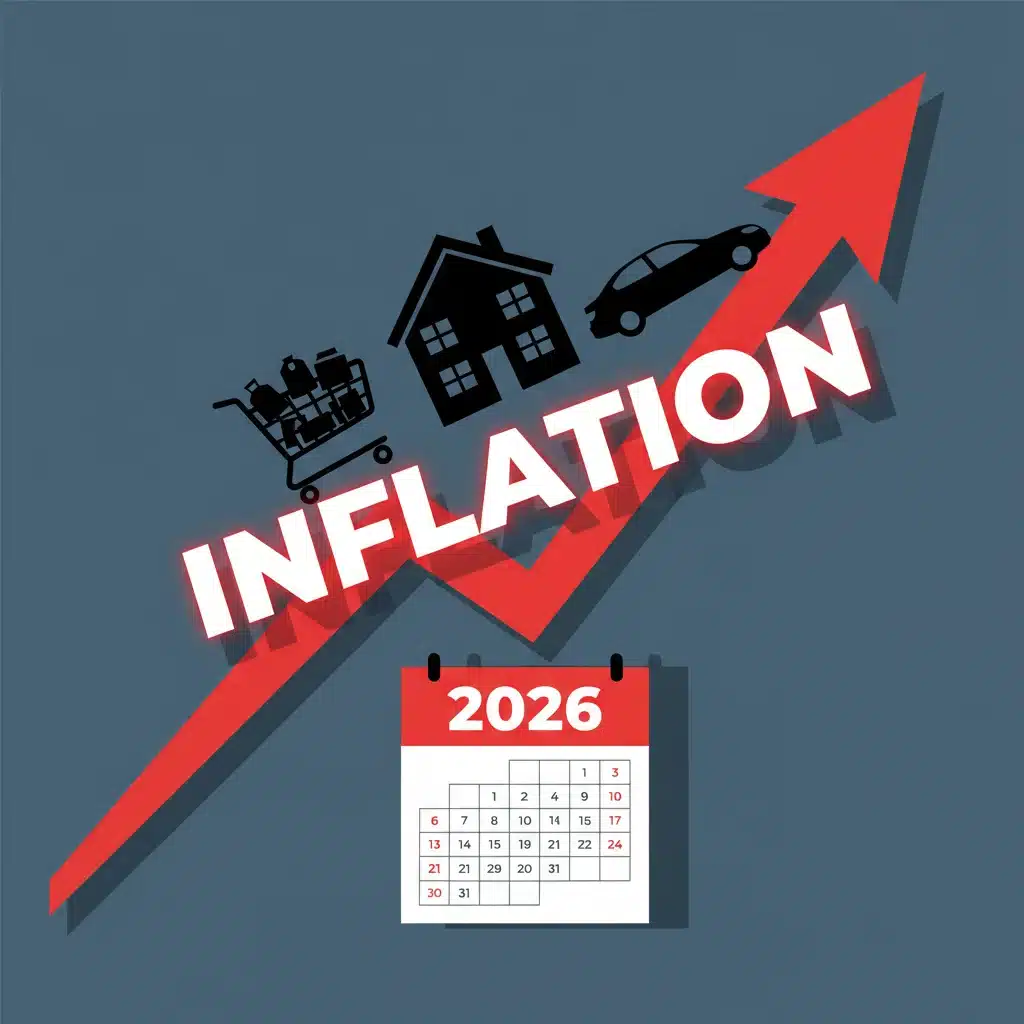
In the complex tapestry of global economics, inflation remains a perennial, yet often unpredictable, thread. As we look towards the horizon of 2026, the latest inflation report indicates a significant 3.5% annual increase. This figure, while seemingly moderate to some, carries profound implications for every household, directly impacting the cost of living, purchasing power, and the overall financial landscape. Understanding the nuances of this 2026 inflation impact is not merely an academic exercise; it’s a critical step in safeguarding your financial well-being and making informed decisions for the future. This comprehensive article delves deep into the expected ramifications of a 3.5% annual inflation rate in 2026, offering insights, analysis, and practical strategies to navigate the challenges and opportunities it presents.
Inflation, at its core, represents the rate at which the general level of prices for goods and services is rising, and subsequently, the purchasing power of currency is falling. A 3.5% annual increase means that, on average, what cost $100 at the beginning of 2026 will cost $103.50 by the end of the year. While this might seem like a small percentage, its cumulative effect across various sectors and over time can erode savings, strain budgets, and necessitate a re-evaluation of financial strategies. The 2026 inflation impact extends beyond just rising prices; it influences wage growth, interest rates, investment returns, and government policies, creating a ripple effect throughout the economy. For the average household, this translates into tangible changes in daily expenses, from the cost of groceries and fuel to housing and healthcare. Preparing for this reality requires a proactive approach, armed with knowledge and adaptable financial plans.
Understanding the 2026 Inflation Report: The 3.5% Figure Explained
The 2026 inflation report is not just a collection of numbers; it’s a forecast based on a multitude of economic indicators, global trends, and policy decisions. A 3.5% annual inflation rate suggests a sustained upward pressure on prices, potentially driven by factors such as strong consumer demand, supply chain disruptions, wage increases, geopolitical events, or expansionary monetary policies. Economists analyze various components to arrive at this figure, including the Consumer Price Index (CPI), which measures the average change over time in the prices paid by urban consumers for a market basket of consumer goods and services. Core inflation, which excludes volatile food and energy prices, also provides a clearer picture of underlying inflationary trends. The 3.5% projection for 2026 indicates that while some sectors might experience higher price hikes, others might see more moderate increases, averaging out to this reported figure. It’s crucial to remember that inflation is rarely uniform; some goods and services will inevitably outpace this average, while others may lag. This uneven distribution means that certain household budgets will feel the pinch more acutely depending on their spending patterns. For instance, if housing costs or energy prices are among the primary drivers of this 3.5% increase, households with significant exposure to these categories will face a disproportionately larger burden. Understanding the underlying causes and specific components contributing to the 2026 inflation impact is the first step in formulating effective mitigation strategies.
Forecasting inflation is an intricate science, often involving sophisticated econometric models and expert consensus. The 3.5% figure for 2026 is likely the result of analyzing current economic momentum, anticipated shifts in global trade, projected commodity prices, and the expected stance of central banks regarding interest rates. Factors such as the pace of technological innovation, demographic changes, and environmental policies can also play a role in shaping future price levels. A robust labor market, for example, can lead to higher wages, which in turn can contribute to inflationary pressures as businesses pass on increased labor costs to consumers. Conversely, a slowdown in economic growth could temper inflation. The 2026 report serves as a crucial benchmark, providing a framework for individuals, businesses, and governments to plan their financial activities. It signals the need for vigilance and adaptability, as economic conditions can evolve rapidly. While the 3.5% figure is a forecast, it represents the best current estimate of future price changes and should be taken seriously when planning for the 2026 inflation impact on personal finances. Ignoring these projections can lead to a significant erosion of purchasing power and a decrease in overall financial stability. Therefore, a deep dive into what this percentage means for various aspects of daily life is not just beneficial, but essential.
Direct Impact on Your Household Budget: Where Will You Feel It Most?
The 3.5% annual inflation rate in 2026 will manifest directly in your household budget, affecting virtually every category of expenditure. Understanding which areas are most susceptible to price increases is key to proactive financial management. Here’s a breakdown of where you’re likely to feel the most significant 2026 inflation impact:
- Groceries and Food Costs: Food is a non-negotiable expense, and it’s often one of the first areas where inflation becomes noticeable. Supply chain issues, rising energy costs for production and transportation, and climate-related events can all contribute to higher food prices. A 3.5% increase means your weekly grocery bill will steadily climb, requiring adjustments to meal planning and potentially a shift towards more budget-friendly ingredients. Fresh produce, meat, and dairy products are particularly vulnerable to price fluctuations.
- Housing Expenses: Rent, mortgage payments, and home maintenance costs are significant components of most household budgets. While existing fixed-rate mortgages might be insulated from immediate rate hikes, new mortgages or refinancing could become more expensive due to potential interest rate adjustments by central banks in response to inflation. Rental prices often track inflation closely, especially in high-demand areas. Property taxes and insurance premiums are also likely to see increases.
- Transportation Costs: Fuel prices are notoriously volatile and highly sensitive to global economic conditions and geopolitical events. A 3.5% inflation rate will almost certainly translate into higher costs at the pump. Beyond fuel, the prices of new and used vehicles, car maintenance, and public transport fares are also likely to increase, adding to the overall burden on commuters and families.
- Utilities and Energy Bills: Heating, cooling, electricity, and water bills are fundamental expenses. The cost of generating and distributing energy is directly influenced by inflation. Expect higher utility bills as energy providers pass on their increased operational costs. This can be particularly challenging during peak seasons when consumption is higher.
- Healthcare Costs: Healthcare services, prescription medications, and health insurance premiums have consistently risen faster than general inflation in many economies. A 3.5% general inflation rate suggests that healthcare costs could continue their upward trajectory, placing additional strain on family budgets, especially for those with chronic conditions or limited insurance coverage.
- Education Expenses: For families with children in school or contemplating higher education, tuition fees, textbooks, and other educational supplies are likely to see price increases. The long-term nature of educational planning means that even a seemingly small annual increase can accumulate into a substantial additional cost over several years.
- Discretionary Spending: While essential goods and services take priority, discretionary spending on entertainment, dining out, travel, and non-essential goods will also become more expensive. Households may find themselves needing to cut back on these areas to accommodate rising costs in essential categories, impacting quality of life and leisure activities.
The cumulative effect of these increases can significantly reduce a household’s disposable income. It’s not just about spending more for the same items; it’s about the erosion of purchasing power, meaning your money simply buys less than it used to. This makes careful budgeting and strategic financial planning more important than ever to mitigate the full 2026 inflation impact.
Erosion of Purchasing Power: What Your Money Buys in 2026
The most direct and tangible consequence of a 3.5% annual inflation rate is the erosion of purchasing power. Simply put, each dollar you possess will buy less in 2026 than it did in previous years. This isn’t just an abstract economic concept; it has real-world implications for your daily life and long-term financial goals. Consider a scenario where your income remains stagnant or increases at a rate lower than 3.5%. In such a case, your real income – the actual goods and services your money can buy – effectively decreases. This phenomenon, often referred to as a ‘pay cut by inflation,’ means that despite receiving the same nominal salary, your standard of living could decline.
For example, if you earned $50,000 in 2025, and your salary remained unchanged in 2026 while inflation hit 3.5%, the purchasing power of your $50,000 would be equivalent to approximately $48,250 in 2025 dollars. This difference, while seemingly small annually, accumulates over time, making it harder to save, invest, or afford major purchases. The 2026 inflation impact on purchasing power affects everyone, but it disproportionately impacts those on fixed incomes, such as retirees or individuals reliant on social security benefits, whose incomes may not adjust sufficiently to keep pace with rising costs. Their ability to maintain their previous standard of living becomes significantly challenged, potentially leading to difficult choices regarding essential expenditures. Even for those whose wages do increase, if the increase is less than 3.5%, they are still falling behind in real terms. This necessitates a careful review of salary expectations and negotiations to ensure that compensation keeps pace with the rising cost of living.
Moreover, the erosion of purchasing power extends to savings. Money held in traditional savings accounts with low-interest rates will lose value over time. If your bank account offers a 1% interest rate, a 3.5% inflation rate means your savings are effectively losing 2.5% of their value each year. This highlights the importance of strategic investment to ensure your money grows at a rate that at least matches, if not surpasses, inflation. The challenge lies in finding investments that offer sufficient returns without taking on excessive risk. The 2026 inflation impact demands a shift in mindset from simply saving money to actively growing it through investments that can hedge against inflationary pressures. This includes considering assets that historically perform well during inflationary periods, such as real estate, commodities, or inflation-indexed bonds. Understanding this fundamental economic principle is crucial for protecting and growing your wealth in an inflationary environment.

Strategies for Navigating the 2026 Inflation Impact
Navigating the financial landscape shaped by the 2026 inflation impact requires a proactive and adaptive approach. While inflation presents challenges, there are several strategies households can employ to mitigate its effects and even find opportunities. Here are some key approaches:
1. Re-evaluate and Adjust Your Budget
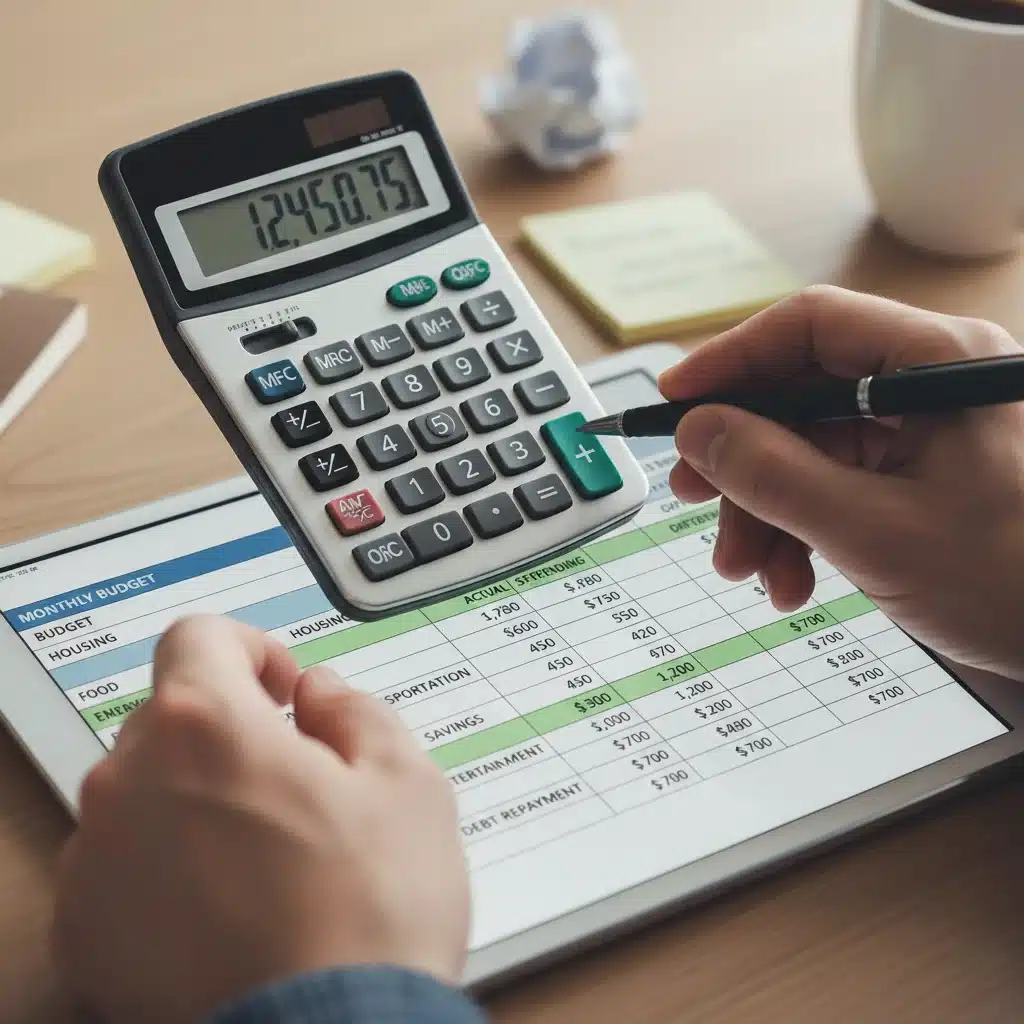
The first and most critical step is to conduct a thorough review of your current household budget. Identify areas where you can cut back or optimize spending. This might involve:
- Tracking Expenses: Use budgeting apps or spreadsheets to meticulously track every dollar spent. This will reveal spending patterns and highlight areas for potential savings.
- Prioritizing Needs vs. Wants: Differentiate between essential expenses (housing, food, utilities) and discretionary spending (entertainment, dining out, subscriptions). Be prepared to reduce or eliminate non-essential items.
- Seeking Alternatives: Look for cheaper alternatives for everyday items. This could mean switching to generic brands, buying in bulk when discounts are available, or exploring different grocery stores.
- Energy Conservation: Implement energy-saving measures at home to reduce utility bills, such as adjusting thermostats, using energy-efficient appliances, and insulating your home.
- Transportation Optimization: Consider carpooling, using public transport more often, or combining errands to reduce fuel consumption.
2. Increase Your Income and Earning Power
To counteract the erosion of purchasing power, increasing your income is a powerful strategy:
- Negotiate Salary Increases: If your current income is not keeping pace with inflation, advocate for a raise that reflects the rising cost of living and your value to your employer. Be prepared with market research on salary benchmarks.
- Explore Side Gigs: Consider taking on a part-time job, freelancing, or developing a skill that can generate additional income. The gig economy offers numerous opportunities to supplement your primary income.
- Invest in Skills: Acquire new skills or certifications that can lead to higher-paying job opportunities or career advancement. Continuous learning can enhance your earning potential.
3. Smart Saving and Investment Strategies
Traditional savings accounts often yield returns lower than the inflation rate. To preserve and grow your wealth, consider these investment strategies:
- Inflation-Indexed Investments: Explore Treasury Inflation-Protected Securities (TIPS) or other inflation-linked bonds designed to protect against inflation.
- Real Estate: Historically, real estate has served as a good hedge against inflation, as property values and rental incomes tend to rise with the cost of living.
- Commodities: Investments in commodities like gold, silver, or energy can sometimes perform well during inflationary periods.
- Diversified Portfolio: Maintain a diversified investment portfolio across various asset classes to spread risk and capture growth opportunities. Consult with a financial advisor to tailor a strategy to your risk tolerance and financial goals.
- High-Yield Savings Accounts: While not a complete hedge, opting for savings accounts or certificates of deposit (CDs) with higher interest rates can slightly offset the impact of inflation compared to standard accounts.
4. Debt Management
Inflation can complicate debt management, especially for variable-rate loans. Fixed-rate debt, however, can become less burdensome in real terms as inflation erodes the value of money:
- Prioritize High-Interest Debt: Focus on paying off credit card debt and other high-interest loans first, as their costs can escalate rapidly.
- Consider Refinancing: If you have variable-rate debt, explore options to refinance into a fixed-rate loan to lock in your interest payments and gain predictability.
5. Review Insurance Coverage
The cost of replacing assets increases with inflation. Ensure your insurance policies adequately cover your home, car, and other valuables:
- Update Coverage Limits: Regularly review and update your home and auto insurance coverage limits to reflect the current replacement cost of your assets.
- Health Insurance Review: Understand your health insurance plan’s coverage and out-of-pocket expenses, especially as healthcare costs rise.
By implementing these strategies, households can build greater financial resilience and navigate the challenges posed by the 2026 inflation impact. It requires diligence, discipline, and a willingness to adapt your financial habits to the evolving economic landscape.
Long-Term Financial Planning in an Inflationary Environment
The 2026 inflation impact is not just a short-term concern; it necessitates a re-evaluation of long-term financial planning strategies. Inflation, even at a moderate 3.5% annually, can significantly alter the trajectory of your financial goals over decades. For instance, the cost of a college education or a comfortable retirement fund will be substantially higher in real terms than current projections might suggest if inflation is not factored in. Therefore, it’s crucial to integrate inflationary expectations into all aspects of your financial roadmap, from retirement planning to saving for major purchases.
When planning for retirement, for example, simply calculating the amount you need based on today’s living expenses will likely leave you short. You must account for the future value of money, meaning you’ll need a larger nominal sum to maintain your desired lifestyle. Financial advisors often use an inflation-adjusted rate of return when projecting retirement savings, ensuring that your nest egg will have sufficient purchasing power when you need it. This might mean increasing your annual contributions to retirement accounts or adjusting your investment strategy to include assets that have historically outperformed inflation. The goal is not just to accumulate a large sum of money, but to accumulate a large sum of money that can actually buy what you need and want in the future.
Similarly, saving for a down payment on a house, a child’s education, or any other significant future expense requires an inflation-adjusted approach. The target amount you aim to save today will need to be considerably higher by the time you reach your goal, thanks to the cumulative effect of inflation. This often means starting to save earlier, saving more aggressively, or seeking investments that offer higher growth potential. Ignoring the long-term effects of the 2026 inflation impact can lead to significant shortfalls and unfulfilled financial aspirations. Engaging with a qualified financial planner can provide personalized guidance, helping you to stress-test your financial plans against various inflation scenarios and develop robust strategies to achieve your long-term objectives.
Government and Central Bank Responses to Inflation
The 2026 inflation impact will not go unnoticed by governments and central banks, whose primary mandates often include maintaining price stability. Their responses will play a crucial role in shaping the economic environment and influencing how households experience inflation. Central banks typically employ monetary policy tools, primarily interest rate adjustments, to manage inflation. If inflation remains persistently high at 3.5% or shows signs of accelerating, the central bank might opt to raise interest rates. Higher interest rates make borrowing more expensive, which can cool down economic activity, reduce consumer demand, and thereby help to bring down prices. However, this also carries the risk of slowing economic growth and potentially leading to a recession.
Conversely, if economic growth is sluggish alongside the 3.5% inflation, central banks face a delicate balancing act. They must weigh the need to curb inflation against the desire to stimulate economic activity. Their decisions will have direct consequences for mortgage rates, loan costs, and investment returns, all of which impact household budgets. Government fiscal policies also play a significant role. Governments can influence inflation through taxation, spending, and regulatory measures. For example, tax cuts can stimulate demand and potentially fuel inflation, while spending cuts can have the opposite effect. Targeted subsidies or price controls in specific sectors, though often controversial, might be considered to alleviate the burden of rising costs on consumers, particularly in essential areas like food or energy. However, such interventions can also lead to market distortions and unintended consequences.
Understanding the potential responses from these institutions is vital for households. Monitoring central bank announcements and government economic policies can provide clues about future economic conditions and help individuals anticipate changes that might affect their financial planning. For instance, an announced increase in interest rates signals that it might be a good time to lock in fixed-rate loans or reconsider variable-rate debt. The interplay between inflation, monetary policy, and fiscal policy creates a dynamic environment that requires continuous awareness and adaptability from households seeking to mitigate the 2026 inflation impact.
The Psychological Impact of Inflation on Consumers
Beyond the tangible financial effects, the 2026 inflation impact also carries a significant psychological toll on consumers. Persistent price increases can lead to heightened anxiety, stress, and uncertainty about the future. When the cost of living continuously rises, households may feel a constant pressure to make ends meet, eroding their sense of financial security. This psychological burden can manifest in various ways:
- Reduced Consumer Confidence: When prices are unstable, consumers tend to become more cautious with their spending, leading to a slowdown in economic activity. They may postpone major purchases, fearing that their money will be worth less in the future or that they might need to save more for emergencies.
- Increased Stress and Anxiety: Constantly worrying about rising costs for groceries, fuel, and housing can lead to chronic stress. This is particularly true for low-income households or those on fixed incomes, where the margin for error is minimal. The need to constantly adjust budgets and make difficult choices can be emotionally draining.
- Impact on Future Planning: Inflation can make it challenging to plan for the future. The uncertainty about future prices can make people hesitant to commit to long-term goals like buying a home, saving for retirement, or funding education, as they struggle to accurately project future costs.
- Changes in Spending Habits: Consumers might develop ‘inflationary psychology,’ expecting prices to always go up. This can sometimes lead to ‘buy now’ behavior, where people purchase items sooner rather than later to avoid higher prices, potentially exacerbating demand and contributing to further inflation. Conversely, it can also lead to a more frugal mindset, where consumers become hyper-aware of prices and actively seek out deals and discounts.
Recognizing this psychological dimension is important. While financial strategies are crucial, addressing the emotional impact of inflation involves fostering a sense of control through proactive planning and education. Understanding that inflation is a normal, albeit challenging, part of economic cycles can help individuals approach it with a more rational perspective. Sharing resources, discussing financial strategies with family, and seeking professional advice can also alleviate some of the psychological stress associated with the 2026 inflation impact. Building financial literacy and resilience is not just about numbers; it’s about empowering individuals to face economic uncertainties with greater confidence.
Conclusion: Preparing for the 2026 Inflation Impact
The 2026 inflation report, projecting a 3.5% annual increase, serves as a clear signal for households to meticulously review and adjust their financial strategies. The 2026 inflation impact will be felt across all sectors of the economy, directly affecting purchasing power, the cost of essential goods and services, and the viability of long-term financial goals. From higher grocery bills and transportation costs to increased housing and utility expenses, every aspect of your household budget will likely feel the pressure of rising prices. However, by understanding the mechanisms of inflation and adopting proactive measures, individuals and families can navigate this challenging economic environment with greater resilience.
The key takeaways for preparing for the 2026 inflation impact include rigorous budget re-evaluation, exploring avenues to increase income, adopting smart saving and investment strategies that hedge against inflation, and diligent debt management. Furthermore, considering the long-term implications for retirement and education planning is paramount. While governments and central banks will implement policies to manage inflation, individual financial preparedness remains the most effective defense. The psychological impact of inflation also cannot be underestimated, underscoring the importance of financial literacy and a proactive mindset to reduce anxiety and foster a sense of control. By staying informed, adapting financial habits, and seeking expert advice when needed, households can not only mitigate the adverse effects of the 3.5% annual inflation in 2026 but also position themselves for continued financial stability and growth in the years to come. The time to act is now, transforming potential challenges into opportunities for smarter financial living.