Effective Pest Control for US Homes: 5 Preventative Measures for a Pest-Free 2026

Effective Pest Control for US Homes: 5 Preventative Measures for a Pest-Free 2026
As we look towards 2026, the aspiration for a clean, safe, and pest-free home remains a top priority for homeowners across the United States. The challenge of maintaining a sanctuary free from unwanted guests – be it ants, rodents, cockroaches, or termites – is a continuous battle that requires vigilance and proactive strategies. This comprehensive guide delves into the most effective preventative measures for pest control US homes, ensuring your property remains a haven for your family, not for pests. Understanding the nuances of local pest challenges and implementing strategic barriers are key to long-term success. Our goal is to equip you with the knowledge and actionable steps to safeguard your home against infestations, making 2026 your most pest-free year yet.
The importance of proactive pest management cannot be overstated. Waiting until an infestation takes hold often leads to more extensive damage, higher costs, and increased stress. By adopting a preventative mindset, homeowners can significantly reduce the likelihood of pest problems, thereby protecting their investment, health, and peace of mind. This article will explore five critical preventative measures that form the bedrock of an effective pest control US homes strategy. From sealing entry points to managing moisture and practicing diligent sanitation, each step plays a vital role in creating an inhospitable environment for pests. Let’s embark on this journey to a pest-free future.
1. Seal All Entry Points: The First Line of Defense for Pest Control US Homes
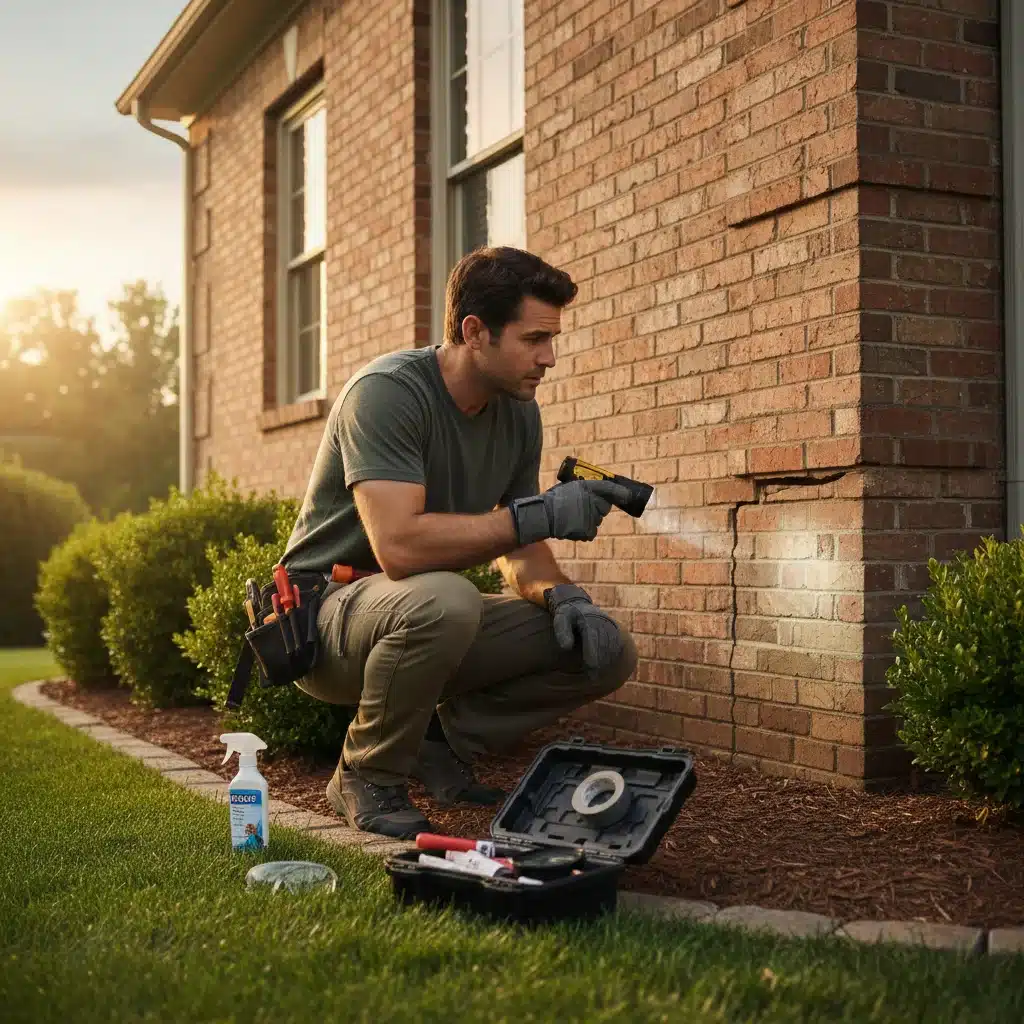
One of the most fundamental and effective preventative measures in pest control US homes is to eliminate potential entry points. Pests, regardless of their size, are incredibly adept at finding the smallest cracks, crevices, and openings to gain access to your home. A tiny gap around a pipe, a loose screen, or an unsealed foundation crack can become an open invitation for a wide array of unwelcome visitors, from ants and spiders to mice and rats. Regularly inspecting your home’s exterior and interior for these vulnerabilities is crucial.
Start by conducting a thorough inspection of your home’s foundation. Look for any cracks, no matter how small, and seal them with appropriate materials like silicone caulk or cement. Pay close attention to areas where utility lines, pipes, and wires enter your home, as these often present gaps that pests can exploit. Use expanding foam or steel wool for larger openings around pipes to create a robust barrier. Remember, a mouse can squeeze through an opening as small as a dime, and insects require even less.
Next, examine your windows and doors. Ensure all screens are intact and free of tears. Repair or replace damaged screens promptly. Check the weatherstripping around doors and windows; worn-out or damaged stripping can create gaps that allow pests to enter. Install door sweeps on all exterior doors to prevent crawling insects and rodents from slipping underneath. Even a small gap at the bottom of a door can be a major entry point.
Don’t forget about your roof and attic. Damaged or missing shingles can provide entry points for rodents, birds, and insects. Ensure that your chimney is properly capped and that any vents (attic, dryer, or bathroom fan) are screened. Tree branches overhanging your roof can also serve as bridges for pests, especially rodents, to access your attic. Trim these branches back at least six feet from your home.
Finally, consider the garage. This often-overlooked area can be a significant gateway for pests. Ensure the garage door seals tightly when closed, and repair any gaps. Keep garage windows closed or screened. By systematically sealing all these potential entry points, you create a formidable barrier that significantly enhances your pest control US homes strategy, making it much harder for pests to invade your living space.
This proactive approach not only keeps pests out but also contributes to better energy efficiency by preventing drafts. It’s a win-win situation for any homeowner committed to maintaining a pest-free environment. The time invested in this initial preventative measure will save you considerable time, money, and frustration in the long run, proving its value as a cornerstone of effective pest control US homes.
2. Eliminate Moisture and Water Sources: Draining Pest Habitats
Water is essential for life, and pests are no exception. Many common household pests, including cockroaches, mosquitoes, silverfish, and termites, are highly attracted to moisture and require it to survive and thrive. Therefore, effectively managing and eliminating excess moisture and standing water sources is a critical preventative measure for pest control US homes. Addressing moisture issues not only deters pests but also prevents potential structural damage to your home and mitigates conditions conducive to mold growth.
Begin by inspecting your plumbing. Leaky pipes, faucets, and drains, even minor drips, can create attractive moisture sources for pests. Regularly check under sinks, behind toilets, and around water heaters for any signs of leaks. Repair these promptly. Ensure that all pipes are properly insulated, especially in basements and crawl spaces, to prevent condensation buildup, which can also attract pests.
Outdoor water management is equally important. Ensure your gutters and downspouts are clean and free of debris, allowing water to flow freely away from your home’s foundation. Clogged gutters can lead to water pooling, creating breeding grounds for mosquitoes and attracting other moisture-loving pests. Extend downspouts at least several feet away from the foundation to prevent water from accumulating around your home.
Address any areas of standing water on your property. This includes bird baths, pet water bowls, clogged drains, and even depressions in your yard that collect rainwater. Empty or refresh these sources regularly. For larger areas of standing water that cannot be easily removed, consider consulting a landscape professional to improve drainage.
Inside your home, pay attention to areas prone to humidity, such as bathrooms, kitchens, and basements. Use exhaust fans during and after showering or cooking to reduce humidity. Consider investing in a dehumidifier for damp basements or crawl spaces to keep moisture levels low. Proper ventilation is key to preventing the humid conditions that pests adore. Ensure that your attic is also well-ventilated to prevent condensation and moisture buildup, which can attract pests like termites and carpenter ants.
Termites, in particular, are drawn to wood that has been softened by moisture. By keeping your home’s foundation and any wood structures dry, you significantly reduce the risk of a termite infestation. This aspect of pest control US homes is not just about comfort; it’s about protecting the structural integrity of your property.
By diligently eliminating moisture and water sources, you make your home a less hospitable environment for a wide range of pests. This preventative strategy is highly effective and complements other pest control efforts, creating a comprehensive defense against infestations. It’s an indispensable step in achieving effective pest control US homes.
3. Practice Impeccable Sanitation and Food Storage: Starving Out Pests
Food is a primary motivator for pests to enter and remain in your home. By practicing impeccable sanitation and proper food storage, you effectively cut off their food supply, making your home far less attractive to them. This preventative measure is a cornerstone of effective pest control US homes and is often the easiest to implement consistently.
Start in the kitchen, the heart of food activity. Wipe down counters and stovetops daily, ensuring no crumbs or food spills are left behind. Clean up spills immediately. Sweep or vacuum floors regularly to remove food debris. Pay special attention to areas under appliances like refrigerators and stoves, where crumbs can accumulate unnoticed. Wash dishes immediately after meals, or at least rinse them and place them in the dishwasher, rather than leaving them in the sink overnight.
Proper food storage is equally vital. Store all dry goods, such as cereals, pasta, rice, flour, and pet food, in airtight containers made of glass, sturdy plastic, or metal. Cardboard boxes and thin plastic bags are easily chewed through by rodents and insects. This not only keeps pests out but also keeps your food fresher for longer. Refrigerate fruits and vegetables that don’t require counter storage, and ensure your pantry is organized and clean, allowing for easy inspection and cleaning.
Dispose of garbage regularly and properly. Use trash cans with tight-fitting lids, both indoors and outdoors. Take out kitchen trash daily, especially if it contains food scraps. For outdoor trash bins, ensure they are securely closed and stored away from your home’s foundation. Regularly clean your trash cans with soap and water to remove any lingering food odors that might attract pests.
Beyond the kitchen, extend your sanitation efforts throughout the house. Vacuum carpets and rugs regularly. Clean up pet food bowls after your pets have eaten, and store pet food in airtight containers. Avoid eating in bedrooms or other non-kitchen areas, as crumbs can attract pests. If you do, make sure to clean up thoroughly afterward.
Clutter can also provide hiding spots for pests. While not directly a food source, cluttered areas can make it harder to spot pests and clean effectively. Regularly declutter storage areas, basements, and attics. By removing potential hiding places and consistently eliminating food sources, you create an environment that is highly unappealing to pests, significantly enhancing your pest control US homes efforts. This simple yet powerful strategy deprives pests of the resources they need to survive and multiply, making your home a less inviting place for them.

4. Maintain Your Yard and Landscaping: Creating a Pest-Free Perimeter
Your yard and landscaping serve as the immediate perimeter of your home, and how you maintain them can significantly impact the likelihood of pests gaining access. A well-kept yard acts as a natural deterrent, while an overgrown or neglected one can become a breeding ground and highway for various pests. This preventative measure is crucial for holistic pest control US homes.
One of the most important aspects is to keep vegetation trimmed and away from your home’s foundation. Tree branches, shrubs, and bushes that touch your house provide direct bridges for pests like ants, spiders, and rodents to climb onto your roof or walls and find entry points. Maintain a clear space of at least 6-12 inches between plants and your home’s exterior walls.
Regularly mow your lawn and remove weeds. Tall grass and weeds offer excellent hiding places for rodents and insects, allowing them to approach your home undetected. A well-maintained lawn reduces these harborage areas and makes it easier to spot any pest activity.
Eliminate yard debris. Piles of leaves, grass clippings, woodpiles, and unused building materials are prime hiding spots and breeding grounds for pests. If you must store firewood, keep it stacked neatly and elevated off the ground, at least 20 feet away from your home. This prevents pests that live in the wood from easily transferring to your house.
Mulch, while beneficial for plants, can also attract pests if not managed properly. Keep mulch layers thin and maintain a gap of several inches between the mulch and your home’s foundation. This prevents excessive moisture buildup against the house and deters pests like termites and roaches that thrive in damp, dark environments.
Address standing water in your yard. As discussed earlier, standing water in bird baths, clogged gutters, or depressions in the landscape can become breeding sites for mosquitoes and other water-dependent pests. Ensure proper drainage and regularly empty any containers that collect water.
Consider the types of plants you use in your landscaping. Some plants are known to attract pests, while others can repel them. Research native plants that are less prone to pest infestations or incorporate pest-repelling plants like marigolds, basil, or citronella into your garden near your home’s perimeter. This natural approach can add an extra layer of defense to your pest control US homes strategy.
By meticulously maintaining your yard and landscaping, you create a less inviting exterior environment for pests, effectively establishing a protective buffer zone around your home. This proactive outdoor management is an indispensable component of comprehensive pest control US homes, reducing the pressure on your interior defenses and contributing to a truly pest-free living space.
5. Regular Inspections and Professional Pest Control Consultations: Expert Eyes on Your Home
Even with the most diligent preventative measures, pests can sometimes find their way in. This is where regular inspections and, when necessary, professional pest control consultations become invaluable. This final preventative measure acts as a safety net and an expert-guided strategy for robust pest control US homes.
Make it a habit to conduct your own regular inspections of your home, both inside and out. At least once a month, walk around your property, looking for signs of pest activity such as droppings, gnaw marks, nests, or unusual insect sightings. Inside, check basements, attics, pantries, and behind appliances. Early detection is key to preventing minor issues from escalating into full-blown infestations. The sooner you identify a problem, the easier and less costly it will be to address.
However, some pests are elusive, and their signs can be subtle, making them difficult for an untrained eye to detect. This is where professional pest control services come in. Scheduling annual or bi-annual inspections with a reputable pest control company can provide an expert assessment of your home’s vulnerability. Professionals are trained to identify hidden entry points, early signs of infestation (such as termite mud tubes or rodent runways), and conditions conducive to pest activity that you might overlook.
A professional pest control expert can offer tailored advice and implement targeted treatments if necessary. They can identify specific pest species, understand their behavior, and recommend the most effective and environmentally responsible solutions. For example, they might suggest specific bait stations for ants, traps for rodents, or specialized treatments for termites, which are often beyond the scope of DIY pest control.
Furthermore, professional pest control services can provide ongoing monitoring and preventative treatments. This might include applying barrier treatments around your home’s perimeter to deter crawling insects or setting up traps in strategic locations. These preventative services are particularly beneficial in areas with high pest pressure or for homeowners who want an extra layer of protection against common pests in their region.
Don’t wait until you have a significant pest problem to call a professional. Proactive consultations are a preventative measure in themselves. They allow you to stay ahead of potential issues, ensuring that your home remains a pest-free zone. Investing in expert advice and occasional professional services is a smart decision for long-term pest control US homes, providing peace of mind and protecting your property from costly damage.
The expertise offered by professionals can also educate you on specific regional pest challenges and how to best mitigate them. Different parts of the US face varying pest threats, and local experts will have the most current and effective strategies. This collaborative approach, combining your diligent home maintenance with professional insights, forms the most robust defense against pests.
Beyond the Five Measures: Integrated Pest Management for Sustainable Pest Control US Homes
While the five preventative measures outlined above form the core of effective pest control US homes, it’s important to understand that they are best implemented as part of a broader strategy known as Integrated Pest Management (IPM). IPM is an environmentally sensitive approach to pest management that relies on a combination of common-sense practices. IPM programs use current, comprehensive information on the life cycles of pests and their interaction with the environment. This information, in combination with available pest control methods, is used to manage pest damage by the most economical means, and with the least possible hazard to people, property, and the environment.
The principles of IPM emphasize prevention over reactive treatment. It involves: identifying pests accurately, understanding their biology, monitoring pest populations, setting action thresholds (deciding when control is necessary), selecting appropriate control methods (which can range from cultural practices and biological controls to targeted chemical applications when absolutely necessary), and evaluating the effectiveness of these methods. For pest control US homes, this means a holistic approach that considers every aspect of your home and yard.
For instance, if you have an ant problem, an IPM approach wouldn’t immediately resort to spraying pesticides. Instead, it would involve identifying the ant species, understanding their foraging paths, eliminating their food and water sources (as discussed in measures 2 and 3), sealing entry points (measure 1), and then, if necessary, using targeted bait stations that ants carry back to their colony, effectively eliminating the source of the problem rather than just the visible ants.
Similarly, for rodent control, IPM would prioritize exclusion (measure 1), sanitation (measure 3), and habitat modification (measure 4) before resorting to traps or baits. When traps or baits are used, they are placed strategically to maximize effectiveness and minimize risk to non-target animals or residents. This thoughtful, multi-faceted approach is what makes IPM so effective and sustainable for pest control US homes.
Education is another key component of IPM. By understanding the pests common to your area, their habits, and what attracts them, you can make more informed decisions about your home maintenance and landscaping. This knowledge empowers you to be a more effective partner in your own pest management efforts. Resources from local extension offices, university entomology departments, and reputable pest control companies can provide valuable insights into regional pest challenges.
The long-term benefits of adopting an IPM strategy for pest control US homes are substantial. It leads to fewer pest problems, reduces reliance on chemical pesticides, promotes a healthier living environment, and often results in more cost-effective pest management over time. By combining the five preventative measures with the overarching principles of IPM, homeowners can achieve truly sustainable and effective pest control, ensuring a pest-free environment not just for 2026, but for years to come.
The Economic and Health Benefits of Proactive Pest Control US Homes
Implementing effective preventative measures for pest control US homes is not just about comfort; it yields significant economic and health benefits that underscore its importance. The initial investment of time and resources into these strategies pales in comparison to the potential costs and risks associated with pest infestations.
From an economic standpoint, pests can cause substantial damage to your property. Termites alone cause billions of dollars in structural damage to homes annually in the U.S. Rodents can gnaw through electrical wires, leading to fire hazards and expensive repairs. Carpenter ants can tunnel through wood, weakening structures. Cockroaches and other insects can contaminate food and surfaces, leading to costly food waste and potential health code violations in commercial settings, or simply an unpleasant and unhygienic home environment.
The cost of reactive pest control, once an infestation has taken hold, is often much higher than preventative measures. Eradicating an established colony of termites or a widespread rodent population can require extensive treatments, repairs, and ongoing monitoring. By contrast, sealing cracks, managing moisture, and maintaining your yard are relatively inexpensive and can prevent these larger, more costly problems from ever occurring. This proactive financial planning is a smart move for any homeowner.
Beyond the financial implications, the health benefits of a pest-free home are paramount. Pests are carriers of numerous diseases and allergens. Rodents can transmit Hantavirus, Salmonella, and Leptospirosis. Cockroaches are known to spread bacteria and can trigger asthma attacks and allergies, especially in children. Mosquitoes are vectors for West Nile Virus, Zika, and other serious illnesses. Ticks can transmit Lyme disease and Rocky Mountain spotted fever.
By preventing pests from entering your home, you significantly reduce your family’s exposure to these health risks. A pest-free environment contributes to better indoor air quality, reduces the incidence of allergic reactions, and minimizes the spread of pathogens. This creates a safer and healthier living space for everyone. For families with young children, elderly individuals, or those with compromised immune systems, the health benefits of diligent pest control US homes are even more critical.
Furthermore, pests can cause significant psychological distress. The sight of pests, the fear of bites, or the knowledge of an infestation can lead to anxiety, stress, and a diminished sense of comfort in one’s own home. A pest-free home provides peace of mind and contributes to overall well-being. Knowing that your preventative efforts are protecting your family’s health and your significant investment in your home offers invaluable reassurance.
In essence, investing in preventative pest control US homes is an investment in your property’s longevity, your family’s health, and your peace of mind. It’s a foundational aspect of responsible homeownership that pays dividends in numerous ways, reinforcing the importance of the five preventative measures discussed.
Conclusion: Embracing a Pest-Free Future for US Homes in 2026
Achieving a truly pest-free home in 2026 and beyond is an attainable goal for homeowners across the United States. It requires a commitment to proactive maintenance, diligent observation, and a willingness to implement proven preventative strategies. The five measures we’ve explored – sealing all entry points, eliminating moisture and water sources, practicing impeccable sanitation and food storage, maintaining your yard and landscaping, and conducting regular inspections with professional consultations – collectively form a formidable defense against the myriad of pests that seek to invade our living spaces.
These strategies are not merely reactive solutions but fundamental components of an Integrated Pest Management (IPM) approach. By focusing on prevention, understanding pest behavior, and creating an environment that is inhospitable to unwanted guests, homeowners can drastically reduce their reliance on chemical treatments and foster a healthier, safer, and more sustainable living environment. The economic benefits of preventing costly damage and the significant health advantages of reducing exposure to disease-carrying pests further underscore the importance of these preventative actions.
As you plan for a pest-free 2026, remember that consistency is key. Regular inspections, prompt repairs, and continuous cleanliness will yield the best results. Don’t underestimate the power of small, consistent efforts in safeguarding your home. And when in doubt, don’t hesitate to leverage the expertise of pest control professionals who can provide specialized insights and targeted solutions for your specific region and home.
By embracing these comprehensive preventative measures, you are not just warding off pests; you are investing in the long-term health, safety, and value of your home. Make 2026 the year your home truly becomes a fortress against pests, ensuring peace of mind and a comfortable living space for you and your loved ones. Effective pest control US homes starts with you, and with these strategies, you are well-equipped for success.