Preparing for Unexpected Family Expenses in 2026: Building an Emergency Fund of 3-6 Months’ Living Costs

In an unpredictable world, financial stability is not just a luxury; it’s a necessity, especially for families. The year 2026 might seem a little distant, but when it comes to securing your family’s financial future against unforeseen circumstances, starting early is always the wisest approach. The cornerstone of this security is a robust family emergency fund. This isn’t merely a savings account; it’s a financial fortress designed to protect your household from the inevitable curveballs life throws your way.
From sudden job loss and unexpected medical emergencies to urgent home repairs or car breakdowns, these events can quickly derail even the most carefully constructed family budget. Without an adequate family emergency fund, such occurrences can lead to accumulating debt, depleting retirement savings, or even losing assets. The goal we’re setting for 2026 is ambitious yet achievable: building an emergency fund equivalent to 3 to 6 months of your family’s essential living expenses.
This comprehensive guide will walk you through every step of establishing and maintaining your family emergency fund. We’ll delve into understanding what constitutes essential living expenses, practical strategies for saving, budgeting techniques that work, and how to keep your fund growing and ready for action. By following these principles, you can transform potential financial crises into manageable inconveniences, ensuring peace of mind and long-term stability for your loved ones.
Understanding the Importance of a Family Emergency Fund
Why is a family emergency fund so crucial? Think of it as your financial shock absorber. Life is inherently uncertain. While we can plan for many things, the truly unexpected can hit hard. A sudden illness requiring costly treatment, a tree falling on your roof, or an unexpected job layoff can all create immediate and significant financial strain. Without a dedicated fund, families often resort to high-interest credit cards, personal loans, or even dipping into long-term investments like retirement accounts, which can have severe long-term consequences.
A well-funded emergency reserve provides a critical buffer. It allows you to navigate these difficult periods without compromising your financial future or adding further stress to an already challenging situation. For families, the stakes are even higher, as financial instability can impact children’s well-being and overall household morale. A robust family emergency fund provides a sense of security, knowing that you have a safety net to fall back on, allowing you to make sound decisions rather than panic-driven ones.
Moreover, having a dedicated emergency fund helps protect your credit score. When you avoid taking on new debt or missing payments during a crisis, your credit remains intact, which is vital for future loans, mortgages, or even insurance rates. It also fosters financial discipline, encouraging better budgeting habits and a greater awareness of your spending patterns. Ultimately, a family emergency fund is an investment in your family’s present peace of mind and future prosperity.
Calculating Your Family’s Essential Living Expenses
The first concrete step in building your family emergency fund is to determine your target amount. This isn’t a one-size-fits-all number; it’s highly specific to your family’s unique financial situation. The general recommendation is to save 3 to 6 months’ worth of essential living expenses. For some, 3 months might feel sufficient, especially if they have stable jobs or multiple income streams. Others, particularly those with less job security, fluctuating incomes, or significant health concerns, might aim for 6 months or even more.
To calculate this, you need to differentiate between ‘essential’ and ‘discretionary’ expenses. Essential expenses are the non-negotiable costs required to keep your household running. These typically include:
- Housing: Rent or mortgage payments, property taxes, and homeowner’s insurance.
- Utilities: Electricity, gas, water, internet, and essential phone services.
- Food: Groceries for home-cooked meals. Dining out and specialty items are usually discretionary.
- Transportation: Car payments, fuel, public transport fares, essential car maintenance, and insurance.
- Healthcare: Health insurance premiums, essential prescription medications, and unavoidable medical co-pays.
- Minimum Debt Payments: Minimum payments on credit cards, student loans, or other debts to avoid late fees and protect your credit score.
- Childcare/Education: Essential daycare costs or school-related fees if applicable.
- Personal Care: Basic hygiene products.
Discretionary expenses, on the other hand, are things you could cut back on or eliminate entirely during a financial crunch. These include entertainment, vacations, eating out, subscription services you don’t use regularly, new clothes (beyond necessities), and hobbies. While these add quality to life, they are not essential for survival.
Practical Steps for Calculation:
- Track Your Spending: For at least one month, meticulously track every dollar your family spends. Use a budgeting app, spreadsheet, or even a notebook. This provides a realistic picture of where your money goes.
- Categorize Expenses: Separate your spending into essential and discretionary categories. Be honest with yourself about what truly falls into each.
- Sum Essential Expenses: Add up all your essential monthly expenses. This is your baseline monthly need.
- Multiply by Target Months: Multiply your essential monthly expenses by 3, 4, 5, or 6 (or more) to get your target family emergency fund amount. For example, if your essential monthly expenses are $3,000, a 6-month fund would be $18,000.
Having a clear, tangible goal makes the saving process much more manageable and motivating. Revisit this calculation periodically, especially if your family’s circumstances change (e.g., new job, new child, change in housing).
Strategies for Building Your Emergency Fund
Once you know your target, the next step is to actively build your family emergency fund. This requires a combination of disciplined saving, smart financial habits, and sometimes, creative solutions. Here are several effective strategies:
1. Create a Dedicated Savings Account
The most fundamental step is to open a separate savings account specifically for your emergency fund. This account should be:
- Separate from your checking account: This prevents accidental spending and makes it psychologically harder to dip into.
- Easily Accessible (but not too easy): Choose a high-yield savings account that offers a decent interest rate but isn’t linked to your debit card for everyday transactions. Online banks often provide better interest rates than traditional brick-and-mortar banks.
- Clearly Labeled: Mentally (and literally, if possible) label this account as your ‘Emergency Fund’ to reinforce its purpose.
2. Automate Your Savings
Set up an automatic transfer from your checking account to your emergency fund savings account each payday. Even if it’s a small amount initially, consistency is key. Treat this transfer like any other bill – a non-negotiable expense. Start with what you can afford, and gradually increase the amount as your income or financial situation improves. Automation removes the need for willpower and ensures steady progress towards your family emergency fund goal.
3. Cut Discretionary Spending
Review your budget and identify areas where you can reduce or eliminate discretionary spending. Every dollar saved from these categories can be redirected to your emergency fund. This might involve:
- Cooking at home more often instead of dining out.
- Canceling unused subscription services (streaming, gym memberships, apps).
- Reducing impulse purchases.
- Finding free or low-cost entertainment options.
- Shopping sales and using coupons for groceries and necessities.
Even small cuts can add up significantly over time. Challenge your family to find creative ways to save together; it can become a fun, collaborative effort.
4. Boost Your Income
If cutting expenses isn’t enough or you want to accelerate your savings, consider ways to increase your income. This could include:
- Side Hustles: Freelancing, ride-sharing, dog walking, tutoring, selling crafts, or online content creation.
- Selling Unused Items: Declutter your home and sell items you no longer need on platforms like eBay, Facebook Marketplace, or local consignment shops.
- Overtime at Work: If available and feasible, taking on extra hours can provide a quick boost to your savings.
- Negotiating a Raise: If you haven’t had one recently and feel you’re due, preparing a case for a raise can significantly impact your income.
Directing any extra income directly into your family emergency fund can dramatically shorten the time it takes to reach your goal.

5. Utilize Windfalls Wisely
Unexpected money, such as a tax refund, work bonus, inheritance, or even a monetary gift, can be a golden opportunity to supercharge your emergency fund. Instead of spending it, commit a significant portion, or even all of it, to your savings goal. This can provide a substantial leap forward without impacting your regular budget.
6. The Debt Snowball/Avalanche Method (for Debt Reduction, indirectly helping savings)
While an emergency fund is distinct from debt repayment, reducing high-interest debt frees up more money for savings. If you have high-interest credit card debt, consider tackling it aggressively. Once that debt is paid off, the money you were allocating to payments can then be redirected to your family emergency fund. The debt snowball method (paying off smallest debts first for psychological wins) or the debt avalanche method (paying off highest-interest debts first to save money) can be effective here.
7. Set Mini-Goals and Celebrate Progress
Reaching a target of 3-6 months’ expenses can seem daunting. Break it down into smaller, more manageable mini-goals. For example, aim to save $500, then $1,000, then one month’s expenses. Celebrate each milestone (modestly, of course, without dipping into the fund!) to maintain motivation. This psychological boost is incredibly powerful in keeping you on track for your family emergency fund.
Budgeting for Your Family Emergency Fund: Practical Tips
Effective budgeting is the backbone of any successful savings plan, especially when building a substantial family emergency fund. It’s not about restriction; it’s about intentional spending and making your money work for your family’s goals.
1. The 50/30/20 Rule
A popular budgeting guideline is the 50/30/20 rule:
- 50% for Needs: This covers your essential living expenses (housing, utilities, food, transportation, minimum debt payments).
- 30% for Wants: This includes discretionary spending like dining out, entertainment, hobbies, and vacations.
- 20% for Savings & Debt Repayment: This portion is dedicated to your emergency fund, retirement savings, and any extra debt payments beyond the minimum.
This rule provides a good framework. If your ‘needs’ are currently taking up more than 50%, you’ll need to find ways to reduce them or increase your income. If your ‘wants’ are too high, there’s a clear area for cutting back to boost your family emergency fund.
2. Zero-Based Budgeting
With zero-based budgeting, every dollar of your income is assigned a job – whether it’s for an expense, savings, or debt repayment. The goal is for your income minus your expenses, savings, and debt payments to equal zero. This method ensures that no money is unaccounted for and helps you be very intentional about where your money goes, making it easier to prioritize contributions to your family emergency fund.
3. Envelope System (Digital or Physical)
For those who struggle with overspending in certain categories, the envelope system can be highly effective. Allocate a specific amount of cash (or use digital envelopes/apps) for each spending category (e.g., groceries, entertainment, personal care). Once the money in that ‘envelope’ is gone, you stop spending in that category until the next budgeting period. This visual and tangible approach can prevent overspending and free up more funds for your family emergency fund.
4. Regular Budget Reviews
Your budget isn’t a static document; it’s a living tool. Review it regularly – weekly or monthly – to track your progress, identify areas for improvement, and adjust for any changes in income or expenses. This continuous monitoring ensures you stay on track with your family emergency fund goals and adapt to new financial realities.
5. Involve the Whole Family
If you have a family, involve them in the budgeting process. Even children can understand the concept of saving for a goal, especially if it’s framed in a positive way (e.g., ‘saving for our family’s security’). This can foster good financial habits early on and create a sense of shared responsibility for the family emergency fund.
Where to Keep Your Family Emergency Fund
The location of your family emergency fund is almost as important as its existence. It needs to strike a balance between accessibility, safety, and growth potential (though growth is secondary to accessibility and safety).
1. High-Yield Savings Accounts (HYSAs)
This is the most recommended option. HYSAs offer significantly higher interest rates than traditional savings accounts, meaning your money grows a little faster without taking on risk. They are also FDIC-insured (up to $250,000 per depositor, per institution), ensuring your principal is safe. Funds are typically accessible within 1-3 business days, which is ideal for emergencies.
2. Money Market Accounts
Similar to HYSAs, money market accounts often offer competitive interest rates and FDIC insurance. They might come with check-writing privileges or a debit card, offering slightly more flexibility than a standard savings account, but this added convenience can sometimes make it too easy to spend the funds. Ensure it’s still separate from your daily checking.
3. Short-Term Certificates of Deposit (CDs)
For a portion of a very large emergency fund (e.g., if you have more than 6 months’ expenses), you might consider a CD ladder. This involves investing in several CDs with staggered maturity dates (e.g., 3-month, 6-month, 9-month CDs). This offers slightly higher interest rates than HYSAs but locks up your money for the CD term. If you need the money before maturity, you’ll likely incur a penalty, making it less ideal for the core, immediately accessible portion of your family emergency fund.
What to Avoid:
- The Stock Market: While stocks offer higher growth potential, they also come with significant risk and volatility. You should never invest your emergency fund in the stock market, as you might need the money during a downturn, forcing you to sell at a loss.
- Your Checking Account: Keeping your emergency fund in your checking account makes it too easy to spend accidentally and blurs the line between everyday money and emergency money.
- Physical Cash at Home: While a very small amount of cash for immediate needs is fine, keeping a large emergency fund in cash at home is risky due to theft, fire, or loss, and it earns no interest.
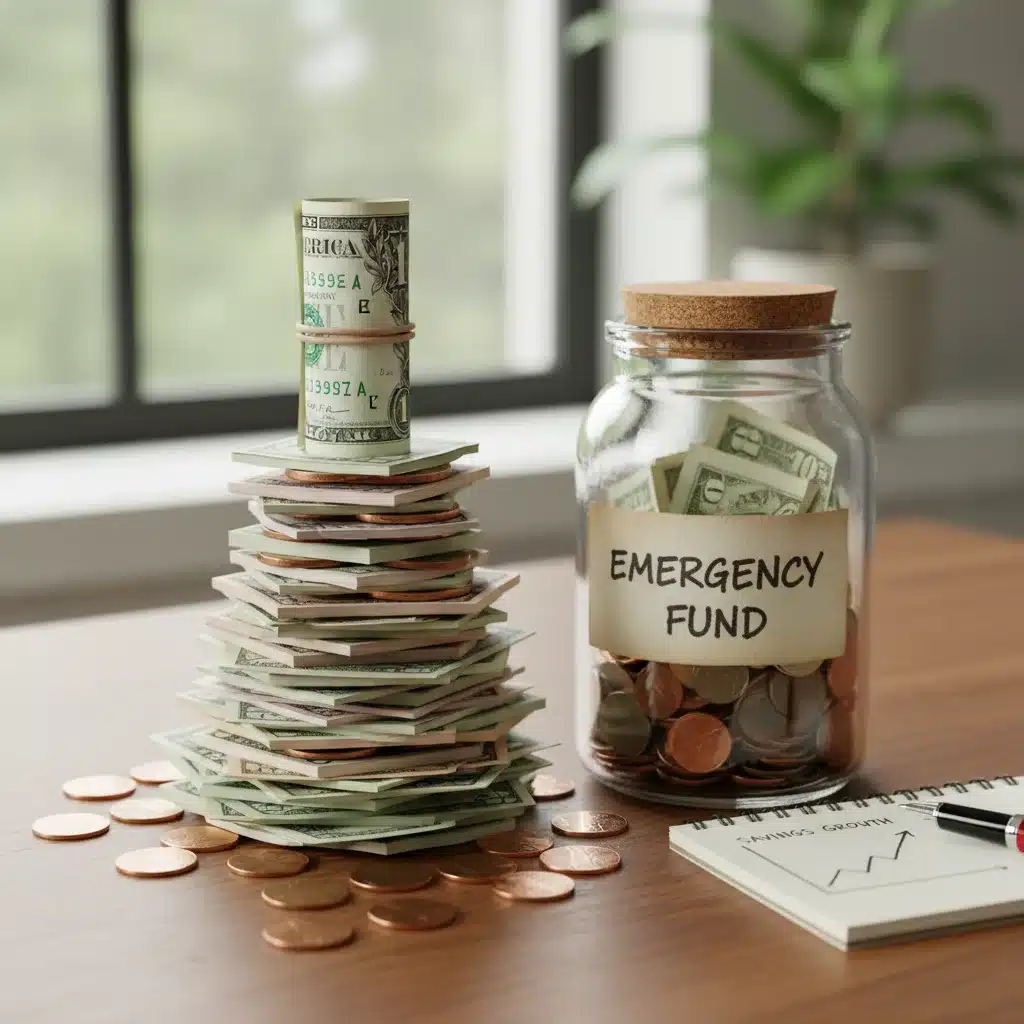
Maintaining and Replenishing Your Family Emergency Fund
Building your family emergency fund is a significant achievement, but the journey doesn’t end there. It’s equally important to maintain and, if necessary, replenish it. An emergency fund is not a ‘set it and forget it’ kind of asset.
1. Review Annually (or When Life Changes)
At least once a year, or whenever major life events occur (e.g., a new baby, a change in employment, a significant increase in expenses), revisit your emergency fund calculation. Your essential living expenses might have changed, meaning your target fund amount should also be adjusted. This ensures your family emergency fund remains adequate for your current situation.
2. Replenish After Use
The cardinal rule of an emergency fund: if you use it, replenish it. If an unexpected event forces you to dip into your savings, make it an immediate priority to rebuild the fund to its original target amount. Treat this as seriously as paying off a debt. Adjust your budget, temporarily cut back on discretionary spending, or find ways to earn extra income until your family emergency fund is whole again.
3. Avoid Non-Emergencies
Be disciplined about what constitutes an ’emergency.’ A sale on a big-ticket item, a tempting vacation, or even holiday gifts are generally not emergencies. Using your emergency fund for non-emergencies defeats its purpose and leaves you vulnerable when a real crisis strikes. Stick to the definition of essential living expenses and truly unforeseen events.
4. Consider Inflation and Cost of Living Increases
Over time, the cost of living tends to increase due to inflation. What constitutes 3-6 months of expenses today might be less adequate a few years down the line. Factor this into your annual review and consider slightly increasing your target amount over time to account for rising costs, ensuring your family emergency fund maintains its purchasing power.
5. What to Do Once Fully Funded
Once your family emergency fund is fully funded to your desired level (e.g., 6 months of expenses), congratulations! This is a major financial milestone. At this point, you can redirect your regular savings contributions to other important financial goals, such as:
- Retirement Savings: Maxing out your 401(k) or IRA contributions.
- Investing: Opening a brokerage account for long-term wealth growth.
- Down Payment: Saving for a down payment on a home or another significant purchase.
- Children’s Education: Contributing to 529 plans or other educational savings vehicles.
- Aggressive Debt Repayment: Paying off mortgages or other loans ahead of schedule.
Having a full emergency fund provides the freedom to pursue these other goals without the constant worry of financial setbacks.
Common Misconceptions and Pitfalls
Even with the best intentions, families can sometimes fall into common traps when building their family emergency fund. Being aware of these can help you avoid them.
1. "I’ll Start Later"
Procrastination is the biggest enemy of an emergency fund. The longer you wait, the more vulnerable you are. Start today, even if it’s with a small amount. The compound effect of consistent saving is powerful.
2. Confusing Savings with Emergency Funds
A vacation fund, a new car fund, or a holiday savings account are not emergency funds. They serve different purposes. Your family emergency fund must be distinct and reserved solely for unexpected crises.
3. Underestimating Essential Expenses
It’s easy to forget certain recurring bills or underestimate how much you truly spend on necessities. Be thorough in your expense tracking to ensure your target fund is realistic and sufficient.
4. Relying on Credit Cards as an Emergency Fund
While credit cards can be useful in a true emergency if you have no other options, they are not a substitute for cash savings. High-interest rates can quickly turn a short-term crisis into a long-term debt burden. An emergency fund is designed to prevent this very scenario.
5. Not Informing Your Partner/Spouse
Financial planning is a team sport for families. Ensure both partners are fully aware of the emergency fund’s purpose, location, and target amount. This prevents misunderstandings and ensures everyone is on the same page during a crisis.
6. Keeping Funds Too Accessible
While accessibility is important, keeping your emergency fund in your everyday checking account can lead to accidental spending. A dedicated, slightly less convenient account is generally better.
The Psychological Benefits of a Strong Family Emergency Fund
Beyond the tangible financial benefits, having a robust family emergency fund offers significant psychological advantages that can improve your overall quality of life. Financial stress is a leading cause of anxiety, relationship strain, and health issues. Knowing you have a safety net can profoundly reduce this stress.
Imagine the difference in facing a sudden job loss: one scenario involves panic, scrambling for solutions, and immediate worry about how to pay the next month’s bills. The other involves a sense of calm, knowing you have several months to find a new job without immediate financial pressure. This peace of mind allows you to make better decisions, pursue opportunities that truly fit, and maintain a healthier outlook during a difficult time.
For families, this stability translates into a more harmonious home environment. Children are often keenly aware of parental stress, even if they don’t fully understand its cause. A secure financial foundation contributes to a more stable and happy home, allowing parents to focus on family well-being rather than constant financial worry. It also teaches children valuable lessons about saving, responsibility, and planning for the future, instilling good financial habits from a young age.
Looking Ahead to 2026 and Beyond
The goal of building a family emergency fund of 3-6 months’ living expenses by 2026 is an excellent target. It provides a clear roadmap and ample time to achieve significant financial security. Remember that this is a journey, not a sprint. There will be weeks or months when saving feels easy, and others when it feels challenging. The key is consistency, persistence, and adaptability.
By prioritizing your emergency fund now, you’re not just saving money; you’re investing in your family’s resilience, peace of mind, and long-term prosperity. You’re building a foundation that will enable you to weather any storm, pursue opportunities with greater confidence, and live a life less burdened by financial anxiety. Start today, stay disciplined, and watch your family emergency fund grow into the protective shield your loved ones deserve.
Take the first step: calculate your target amount, set up that dedicated savings account, and automate your contributions. Every small action today contributes to a more secure and stable tomorrow for your family.