Early Childhood Education Funding: What Parents Need to Know About Recent State-Level Increases of up to 20% for 2026

Early Childhood Education Funding: What Parents Need to Know About Recent State-Level Increases of up to 20% for 2026
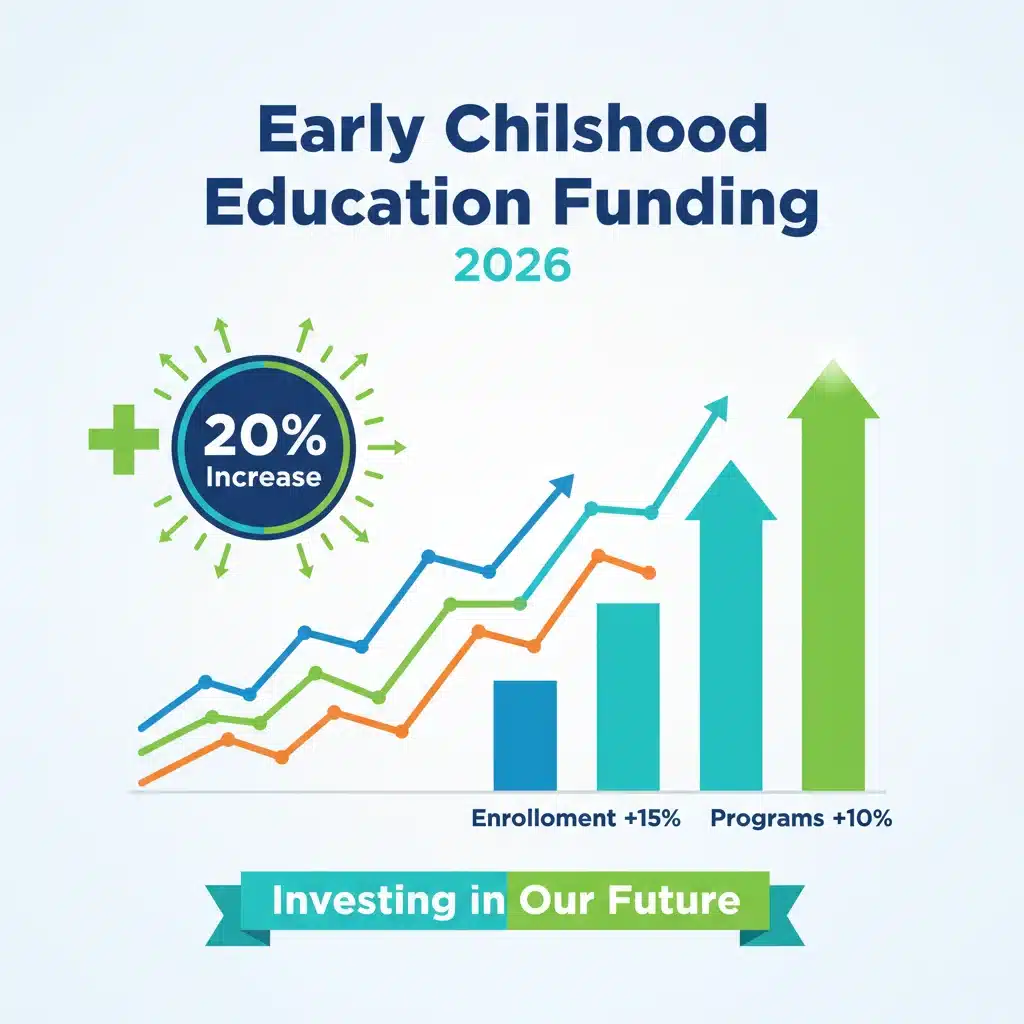
The landscape of early childhood education is on the cusp of a transformative period, with significant state-level increases in early childhood education funding projected for 2026. For parents, this news is not just a headline; it represents a potential game-changer for their children’s foundational learning experiences. With some states forecasting increases of up to 20%, understanding the implications of this boosted early childhood funding is crucial for ensuring your child benefits from these unprecedented investments.
For years, advocates, educators, and parents have championed the critical importance of high-quality early childhood education. Research consistently demonstrates that strong early learning experiences lay the groundwork for future academic success, social-emotional development, and overall well-being. However, access to these programs has often been a significant barrier for many families, primarily due to cost and limited availability. The anticipated surge in state-level early childhood funding aims to address these very challenges, promising a future where quality early education is not a luxury, but an accessible standard.
This comprehensive guide will delve into the specifics of these funding increases, what they mean for families, how they might impact program availability and quality, and what proactive steps parents can take to navigate this evolving educational environment. We’ll explore the ‘why’ behind these investments, the ‘how’ of their implementation, and the ‘what’ parents should expect and demand from their state and local educational bodies. Prepare to gain a deeper understanding of how these financial commitments are poised to reshape the early learning journey for millions of children across the nation.
The Rationale Behind Increased Early Childhood Funding
The decision by various states to substantially increase early childhood funding is not arbitrary; it’s a strategic investment rooted in compelling evidence and a growing recognition of the long-term economic and societal benefits of early education. Policymakers are increasingly understanding that investing in the earliest years of a child’s life yields significant returns, far outweighing the initial costs. This section explores the multifaceted rationale driving these crucial funding decisions.
Economic Imperatives and Workforce Development
One of the primary drivers for increased early childhood funding is the economic imperative. A robust early childhood education system supports parents’ participation in the workforce by providing reliable and affordable child care options. When parents, particularly mothers, have access to quality care, they are more likely to maintain stable employment, which boosts household incomes and contributes to the overall economy. Furthermore, studies consistently show that children who attend high-quality early learning programs are more likely to achieve higher educational attainment and earn higher wages as adults, thereby strengthening the future workforce and tax base. This direct link between early education and economic prosperity is a powerful motivator for state legislatures.
Long-Term Social and Educational Benefits
Beyond economics, the social and educational benefits of early childhood education are profound. Children who participate in quality programs demonstrate improved cognitive skills, better language development, and enhanced social-emotional competencies. These foundational skills are critical for success in kindergarten and beyond, reducing the need for costly remedial education later on. High-quality early learning environments also help to narrow achievement gaps between children from different socioeconomic backgrounds, promoting greater equity in educational outcomes. By investing in early childhood funding, states are investing in healthier, more engaged citizens who are better equipped to contribute positively to their communities.
Addressing the Child Care Crisis
The COVID-19 pandemic exposed and exacerbated a pre-existing child care crisis in many parts of the country. Many child care providers struggled to remain open, leading to widespread closures and a severe shortage of available slots. This crisis highlighted the fragility of the child care sector and its essential role in supporting working families. The new influx of early childhood funding is, in part, a direct response to this crisis, aiming to stabilize the child care market, increase capacity, improve facilities, and ensure that more families have access to the care they need. This stabilization is vital for both parents and the broader economy.
Bipartisan Support and Public Demand
Increasingly, early childhood education has garnered bipartisan support, with policymakers from across the political spectrum recognizing its value. This consensus reflects a growing public demand for greater investment in early learning. Parents, businesses, and communities are vocal about the need for affordable, high-quality options. This broad-based support provides the political will necessary for states to allocate significant portions of their budgets to early childhood funding, demonstrating a commitment to their youngest citizens.
Understanding the Scope of Funding Increases for 2026
While the exact figures and implementation strategies will vary by state, the general trend points towards substantial increases in early childhood funding for 2026. These increases are not merely incremental adjustments; in some cases, they represent a significant boost, potentially reaching up to 20% or more of current allocations. Understanding where this money is coming from and where it is likely to go is key for parents.
Sources of Increased Funding
The additional early childhood funding is typically a combination of several sources. State general funds are often the primary contributor, reflecting legislative priorities. Additionally, some states may be leveraging federal grants, such as those from the American Rescue Plan or other dedicated early learning initiatives. Some states might also be exploring innovative funding mechanisms, like dedicated taxes or public-private partnerships, to sustain these investments long-term. The commitment to these diverse funding streams signals a serious dedication to expanding early childhood opportunities.
Areas of Investment
The increased early childhood funding is expected to be strategically deployed across various facets of the early learning ecosystem. Key areas of investment are likely to include:
- Expanding Access to Pre-Kindergarten Programs: Many states are focused on universal or near-universal pre-kindergarten access, ensuring that more four-year-olds (and in some cases, three-year-olds) have the opportunity to attend high-quality programs regardless of family income.
- Improving Quality Standards: Funds will be used to enhance the quality of existing programs. This could involve increasing teacher-to-child ratios, investing in professional development for early educators, updating curriculum materials, and improving facility safety and learning environments.
- Supporting the Early Childhood Workforce: A critical component of quality is a well-compensated and highly trained workforce. Increased early childhood funding is likely to go towards raising educator salaries, providing benefits, offering scholarships for degree attainment, and creating more robust career pathways for early learning professionals.
- Subsidies and Financial Assistance for Families: For many low- and middle-income families, the cost of child care is prohibitive. A portion of the new funding will likely be directed towards expanding child care subsidies and financial assistance programs, making quality care more affordable and accessible.
- Infrastructure and Facility Improvements: Some funds may be allocated to building new early learning centers, renovating existing ones, or ensuring that facilities meet stringent health and safety standards.
- Data Collection and Evaluation: To ensure accountability and effectiveness, states will likely invest in improved data collection systems to track program outcomes, monitor quality, and inform future policy decisions regarding early childhood funding.
Parents should pay close attention to how their specific state plans to allocate these funds, as it will directly impact the types of programs and services available in their communities.
What These Funding Increases Mean for Parents and Children
The anticipated increases in early childhood funding carry profound implications for families. For many, it could mean the difference between struggling to find affordable, quality care and having a range of excellent options available. Here’s a breakdown of the direct benefits and potential changes parents can expect.
Increased Access to High-Quality Programs
Perhaps the most significant benefit for parents is the potential for increased access to high-quality early learning programs. This means more available slots in pre-kindergarten, Head Start, and other licensed child care centers. For families previously on long waitlists or unable to afford tuition, these new opportunities could be life-changing. Expanded access also means more choices, allowing parents to select programs that best fit their child’s needs and their family’s schedule and values.
Improved Program Quality
It’s not just about access; it’s about quality. The new early childhood funding is designed to elevate the standards of early learning environments. This translates to:
- Better-Trained Educators: Funds will support professional development, ensuring that teachers and caregivers are equipped with the latest pedagogical techniques and understanding of child development.
- Enriched Curricula: Programs may invest in more comprehensive and developmentally appropriate curricula that foster cognitive, social, emotional, and physical growth.
- Safer and More Engaging Environments: Facilities might see upgrades, new equipment, and enhanced safety measures, creating optimal learning spaces for young children.
- Lower Staff-to-Child Ratios: In some cases, increased funding could lead to lower staff-to-child ratios, allowing for more individualized attention and support for each child.
These quality improvements directly benefit children by providing a more stimulating, nurturing, and effective learning environment.
Reduced Financial Burden on Families
The high cost of child care has long been a major financial strain for many families, often exceeding housing or college tuition costs. With increased early childhood funding, states are looking to alleviate this burden through expanded subsidy programs, sliding scale fees, and potentially even free pre-kindergarten options. This financial relief can free up household budgets, allowing families to invest in other necessities or savings, thereby improving overall family economic stability.
Enhanced Parental Support and Resources
Beyond direct child care services, some of the new early childhood funding may be directed towards supporting parents. This could include:
- Parent education workshops: Providing resources on child development, positive parenting strategies, and how to support learning at home.
- Referral services: Helping families navigate the complex landscape of early childhood programs and find suitable options.
- Family engagement initiatives: Creating stronger partnerships between early learning centers and families, fostering a collaborative approach to a child’s education.
These resources empower parents to be more effective advocates and partners in their child’s early learning journey.
Navigating the New Landscape: What Parents Can Do
While the increased early childhood funding is promising, parents need to be proactive in understanding how these changes will unfold in their specific state and community. Here are practical steps parents can take to leverage these new opportunities.
Stay Informed About State and Local Initiatives
The first step is to be informed. Keep an eye on news from your state’s Department of Education, Department of Health and Human Services, or equivalent agencies. Many states have dedicated websites or task forces focused on early childhood initiatives. Look for announcements regarding new programs, expanded eligibility for subsidies, or upcoming enrollment periods. Local school districts and community organizations are also excellent sources of information.
Understand Eligibility Requirements
With expanded funding often comes revised eligibility criteria for various programs and subsidies. Don’t assume you won’t qualify. Research the income guidelines and other requirements for pre-kindergarten programs, child care assistance programs, and Head Start. Even if you didn’t qualify for assistance in the past, the new early childhood funding might change your family’s eligibility status.
Explore Available Program Options
As access expands, so too might the variety of programs. Don’t limit your search to traditional daycare centers. Investigate:
- Public Pre-Kindergarten: Many public school districts offer free pre-K programs.
- Head Start and Early Head Start: Federally funded programs for low-income families, often with comprehensive services.
- Licensed Child Care Centers: Look for centers participating in state quality rating systems.
- Family Child Care Homes: Smaller, home-based settings that can offer a nurturing environment.
- Montessori or Reggio Emilia-inspired programs: Explore different educational philosophies if they align with your family’s values and budget.
Contact multiple programs, schedule tours, and ask detailed questions about their curriculum, teacher qualifications, and philosophy. The increased early childhood funding should provide more options, so take the time to find the best fit.
Advocate for Continued Investment
While the 2026 funding increases are a positive step, sustained investment in early childhood education requires ongoing advocacy. Parents can play a crucial role by:
- Contacting elected officials: Share your family’s experiences and emphasize the importance of early childhood education funding.
- Joining parent advocacy groups: Collective voices are powerful.
- Participating in surveys and public hearings: Provide feedback on existing programs and express needs for future improvements.
Your voice helps ensure that early childhood funding remains a priority in state budgets.
Prepare for Enrollment
Even with increased capacity, popular programs can fill up quickly. Be prepared for enrollment periods by gathering necessary documentation (birth certificates, immunization records, proof of residency, income verification) well in advance. Understand application deadlines and procedures for the programs you are interested in.
Challenges and Considerations for the Future of Early Childhood Funding
While the projected increases in early childhood funding for 2026 are cause for optimism, it’s important for parents to also be aware of potential challenges and ongoing considerations. No significant policy shift is without its complexities, and understanding these can help set realistic expectations and inform continued advocacy efforts.
Implementation Hurdles
Translating increased funding into tangible improvements on the ground can face several implementation hurdles. These might include:
- Workforce Shortages: Even with better pay, attracting and retaining enough qualified early childhood educators remains a challenge in many areas. The demand for teachers may outpace the supply, especially for specialized roles.
- Infrastructure Gaps: Building new facilities or renovating existing ones takes time, resources, and navigating local zoning and construction regulations. Some communities may lack adequate physical space to expand programs quickly.
- Bureaucratic Delays: The process of distributing funds, developing new regulations, and establishing oversight mechanisms can be slow, leading to delays in programs reaching families.
- Ensuring Equitable Distribution: A critical challenge will be ensuring that the increased early childhood funding reaches all communities, especially underserved rural and urban areas, and that programs are culturally and linguistically appropriate for diverse populations.
Parents should be patient but persistent in seeking information and holding local agencies accountable for timely and effective implementation.
Sustaining Funding Long-Term
While a 20% increase for 2026 is significant, a key question for the future is the long-term sustainability of this early childhood funding. State budgets are subject to economic fluctuations and changing political priorities. Will these increases be a one-time boost, or will states establish dedicated, ongoing revenue streams to ensure sustained investment? Parents and advocates will need to continue to press for stable and predictable funding mechanisms to prevent future cuts or stagnation.
Maintaining and Measuring Quality
With increased access comes the vital need to maintain and rigorously measure program quality. Simply adding more slots without ensuring high standards will not yield the desired outcomes for children. States will need robust quality rating and improvement systems, clear accountability measures, and effective monitoring to ensure that programs receiving new early childhood funding are delivering on their promise of high-quality education. Parents should look for programs that participate in state quality rating systems and have transparent reporting on child outcomes.
Addressing the ‘Mixed Delivery System’
The early childhood education landscape is often described as a ‘mixed delivery system,’ encompassing public schools, private centers, family child care homes, and Head Start. Integrating new funding effectively across this diverse system, ensuring consistency in quality, and creating seamless transitions for children can be complex. Policies will need to support all types of providers, recognizing their unique contributions to the ecosystem of care and education.
Parental Engagement and Communication
Ultimately, the success of these funding increases hinges on effective communication with parents. States and local providers must proactively inform families about new opportunities, eligibility, and how to access services. Parents, in turn, need to be engaged partners, providing feedback and advocating for their children’s needs. A disconnect between policy and practice at the family level would undermine the intent of this significant early childhood funding.
Conclusion: A Brighter Future for Early Childhood Education
The projected state-level increases in early childhood funding for 2026, with some states seeing boosts of up to 20%, represent a monumental step forward for early childhood education in the United States. For parents, this news heralds a future with greater access to high-quality programs, reduced financial burdens, and more robust support systems for their families. It signifies a growing recognition among policymakers of the indispensable role that early learning plays in shaping a child’s entire life trajectory and in building a stronger, more prosperous society.
These investments are not just about dollars; they are about opportunities. Opportunities for children to develop critical cognitive, social, and emotional skills in nurturing environments. Opportunities for parents to pursue their careers with the peace of mind that their children are in excellent care. And opportunities for communities to foster a pipeline of engaged, educated citizens ready to contribute to the workforce and civic life.
As parents, your role in this evolving landscape is crucial. By staying informed about state and local initiatives, understanding eligibility requirements, actively exploring program options, and advocating for continued and sustained investment, you can help ensure that these significant funding increases translate into tangible benefits for your own children and for generations to come. The future of early childhood education is brighter than ever, and with this renewed commitment to early childhood funding, we are laying a stronger foundation for all children to thrive.
Embrace this moment of change, engage with your local educational authorities, and become an active participant in shaping a future where every child has the chance to reach their full potential through high-quality early learning experiences. The 2026 funding increases are just the beginning of what promises to be a transformative era for early childhood education.