Inclusive Education Practices: 2026 Federal Guidelines Impacting Special Education
Inclusive Education Practices: How New Federal Guidelines for 2026 Are Impacting Special Education Services
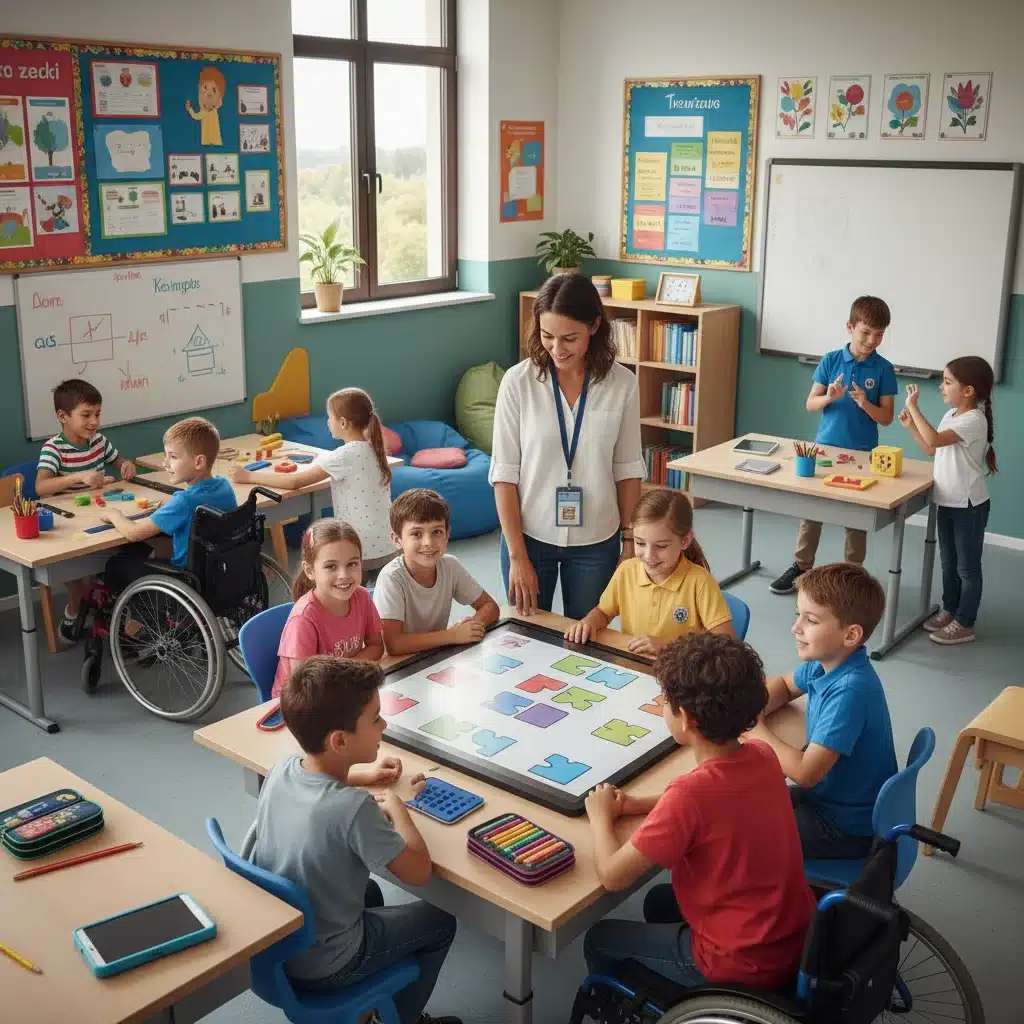
The landscape of education is continuously evolving, and at its heart lies the commitment to providing equitable and effective learning opportunities for all students. A significant shift is on the horizon with the impending 2026 federal guidelines, poised to redefine inclusive education practices and profoundly impact special education services across the nation. These guidelines are not merely regulatory updates; they represent a philosophical and practical recalibration, pushing educational institutions towards more integrated, supportive, and accessible learning environments. Understanding these changes is crucial for educators, administrators, parents, and policymakers alike, as they will shape the future of how we approach special education and foster truly inclusive schools.
The Foundation of Inclusive Education: A Historical Perspective
Before delving into the specifics of the 2026 federal guidelines, it’s essential to understand the historical context of inclusive education practices. The journey towards inclusion has been long and arduous, marked by landmark legislation and shifts in societal attitudes. Historically, students with disabilities were often segregated, educated in separate facilities, or excluded from mainstream schooling altogether. The passage of the Education for All Handicapped Children Act of 1975 (now the Individuals with Disabilities Education Act, or IDEA) was a monumental step, guaranteeing free appropriate public education (FAPE) in the least restrictive environment (LRE) for children with disabilities.
IDEA has undergone several reauthorizations, each refining the framework for special education. These amendments have consistently emphasized the importance of individualized education programs (IEPs), parental involvement, and procedural safeguards. The concept of LRE has been central, advocating for students with disabilities to be educated alongside their non-disabled peers to the maximum extent appropriate. This principle laid the groundwork for modern inclusive education practices, encouraging schools to adapt their curricula, teaching methods, and physical environments to accommodate diverse learners.
Over the decades, research has consistently supported the benefits of inclusion, not just for students with disabilities who show improved academic outcomes, social skills, and self-esteem, but also for their non-disabled peers who develop greater empathy, understanding, and acceptance of diversity. However, despite significant progress, challenges persist. Many schools still struggle with adequate funding, teacher training, and the systemic changes required to fully implement truly inclusive models. The 2026 federal guidelines aim to address these lingering issues and elevate the standard of inclusive education practices to a new level.
Unpacking the 2026 Federal Guidelines: Key Changes and Objectives
The upcoming 2026 federal guidelines represent a comprehensive overhaul designed to bolster inclusive education practices and ensure that special education services are not only compliant but also genuinely effective and equitable. While the full text is still being finalized, preliminary reports and discussions point to several key areas of focus:
Enhanced Emphasis on Universal Design for Learning (UDL)
One of the most significant shifts is the explicit and strengthened requirement for Universal Design for Learning (UDL) frameworks to be integrated into all aspects of curriculum development and instructional delivery. UDL is a proactive approach that designs learning environments and instructional materials to be accessible to all learners from the outset, rather than making accommodations after the fact. The 2026 guidelines will likely mandate that schools move beyond mere compliance to a deep, systemic implementation of UDL principles, ensuring multiple means of engagement, representation, and action and expression. This will fundamentally transform how lessons are planned and delivered, moving away from a ‘one-size-fits-all’ approach to genuinely flexible and adaptable learning experiences.
Strengthened Teacher Training and Professional Development
A critical component of successful inclusive education practices is a well-prepared and confident teaching workforce. The 2026 guidelines are expected to significantly increase requirements and funding for comprehensive professional development programs. These programs will focus on equipping general education teachers with the skills and knowledge to effectively teach students with diverse learning needs, including strategies for differentiation, behavior management, assistive technology integration, and collaboration with special education professionals. Special education teachers will also receive advanced training in specialized instructional techniques and data-driven decision-making. The goal is to bridge the knowledge gap between general and special education, fostering a truly collaborative and unified educational approach.
Increased Accountability for Inclusive Outcomes
The new guidelines are anticipated to introduce more stringent accountability measures, shifting the focus from mere placement in general education classrooms to actual inclusive outcomes. This means schools will be held more accountable for demonstrating that students with disabilities are not only present but also actively participating, progressing academically, and achieving meaningful social and emotional growth within inclusive settings. Data collection and reporting requirements will likely be expanded to track these outcomes more rigorously, encouraging schools to continuously evaluate and improve their inclusive education practices.
Refined Definitions of Least Restrictive Environment (LRE)
While the LRE principle has always been central to IDEA, the 2026 guidelines may offer more explicit guidance and potentially stricter interpretations of what constitutes the ‘least restrictive environment.’ This could lead to a further reduction in segregated settings and an increased expectation for students with disabilities to receive their education in general education classrooms with appropriate supports and services. The guidelines might also address the nuances of LRE for students with complex needs, ensuring that inclusion is meaningful and beneficial, not just a physical placement.
Emphasis on Mental Health and Social-Emotional Learning (SEL)
Recognizing the critical link between mental health, social-emotional well-being, and academic success, the 2026 guidelines are expected to place a greater emphasis on integrating mental health support and social-emotional learning into inclusive education practices. This could involve mandates for increased access to school psychologists, counselors, and social workers, as well as the implementation of school-wide SEL programs that benefit all students, including those with disabilities who may be particularly vulnerable to mental health challenges.
The Impact on Special Education Services: A Paradigm Shift
The implications of these new guidelines for special education services are profound. They signal a paradigm shift from a model that sometimes viewed special education as a separate system to one that fully integrates it within the broader educational framework. This integration is key to effective inclusive education practices.
Redefining the Role of Special Education Teachers
Special education teachers will increasingly transition from primarily working in pull-out settings to becoming vital collaborators and co-teachers within general education classrooms. Their expertise in differentiation, behavior intervention, and specialized instruction will be leveraged to support all students, not just those with identified disabilities. This collaborative model requires strong communication, shared planning time, and a mutual understanding of instructional goals between general and special education professionals. The 2026 guidelines will likely promote and support this collaborative approach more explicitly.
Individualized Education Programs (IEPs) in an Inclusive Context
IEPs will need to evolve to reflect the enhanced focus on inclusion. While still tailored to individual student needs, IEP goals and objectives will increasingly be framed within the context of the general education curriculum. The IEP team will need to consider how supports and accommodations can facilitate access and participation in mainstream settings, rather than focusing solely on separate services. This will require a deeper understanding of the general education curriculum by all members of the IEP team and a commitment to embedding special education services within the inclusive classroom structure.
Increased Use of Assistive Technology and Accommodations
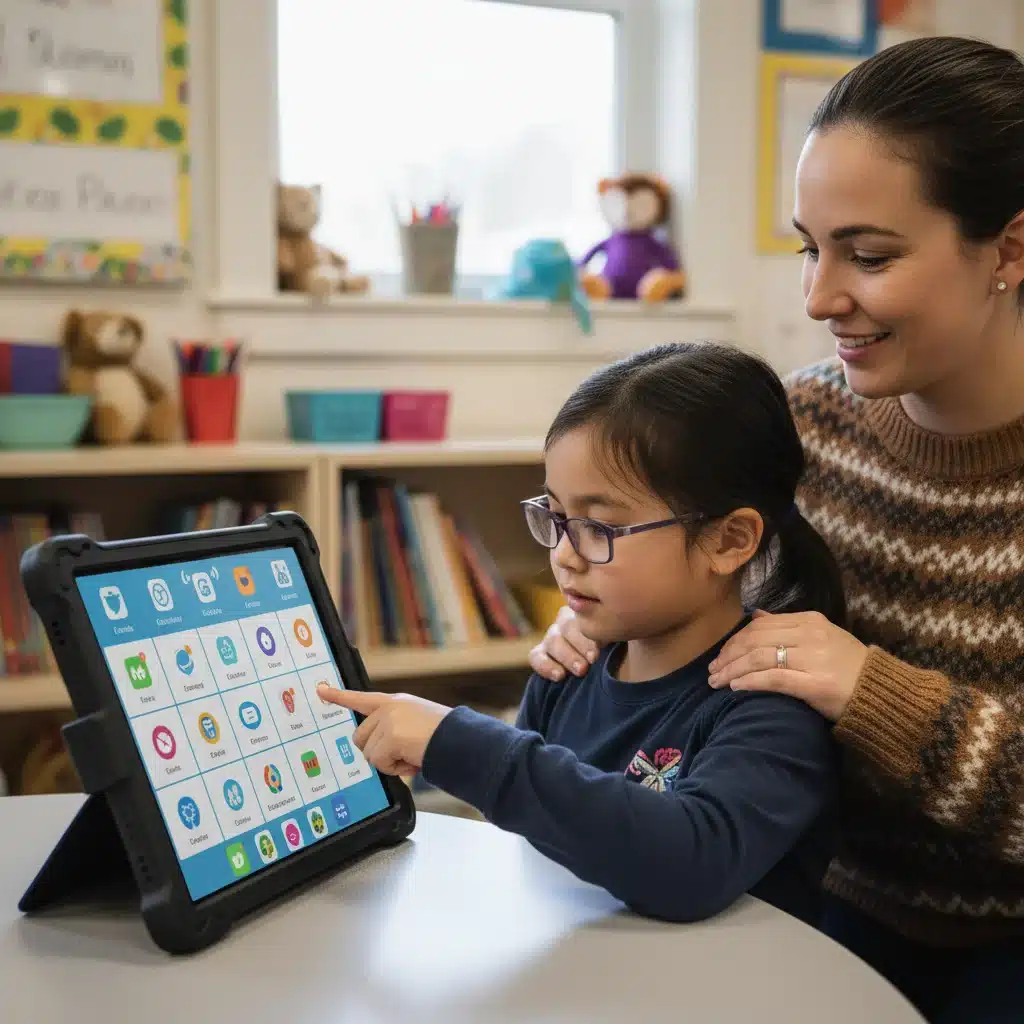
The emphasis on UDL and individualized support will necessitate a greater and more sophisticated use of assistive technology (AT) and accommodations. Schools will need to invest in a wider range of AT devices and software, and educators will require training on how to effectively integrate these tools into daily instruction. The 2026 guidelines may provide funding incentives or mandates for schools to ensure that all students who could benefit from AT have access to it, further enhancing inclusive education practices.
Early Intervention and Prevention Strategies
The new guidelines are expected to reinforce the importance of early intervention and prevention. By identifying and addressing learning and developmental challenges early, schools can reduce the need for more intensive special education services later on. This involves robust Response to Intervention (RTI) or Multi-Tiered System of Supports (MTSS) frameworks that provide targeted academic and behavioral support to all students, with a particular focus on those at risk. Strengthening these preventative measures aligns perfectly with the goals of comprehensive inclusive education practices.
Challenges and Opportunities for Implementation
Implementing the 2026 federal guidelines for inclusive education practices will undoubtedly come with its set of challenges, but also significant opportunities for growth and improvement.
Funding and Resources
One of the perennial challenges in special education is adequate funding. While the new guidelines may come with increased federal allocations, state and local districts will still bear a significant financial responsibility for professional development, assistive technology, facility modifications, and additional staffing. Advocacy for sustained and sufficient funding will be crucial to ensure successful implementation.
Teacher Buy-in and Training
Changing long-standing educational practices requires significant teacher buy-in. Educators, particularly those in general education who may have limited experience with diverse learners, will need robust, ongoing, and practical professional development. This training must go beyond theoretical knowledge to provide concrete strategies and support for implementing inclusive education practices effectively in their classrooms. Addressing potential resistance through clear communication, demonstrated success stories, and ample support will be vital.
Systemic Change and Collaboration
True inclusion requires a systemic shift, moving away from siloed departments to a highly collaborative model. This means fostering strong partnerships between general and special education teams, administrators, parents, and community stakeholders. The 2026 guidelines will necessitate rethinking school structures, scheduling, and resource allocation to support this collaborative environment. Creating shared goals and a collective responsibility for all students’ success is paramount.
Parental Engagement and Empowerment
Parents of students with disabilities are critical partners in the educational process. The 2026 guidelines will likely reinforce the importance of meaningful parental engagement, ensuring parents are fully informed, actively participate in IEP development, and have a voice in shaping their child’s educational journey within inclusive education practices. Empowering parents through resources and training can significantly enhance the success of inclusive initiatives.
Best Practices for Embracing the New Guidelines
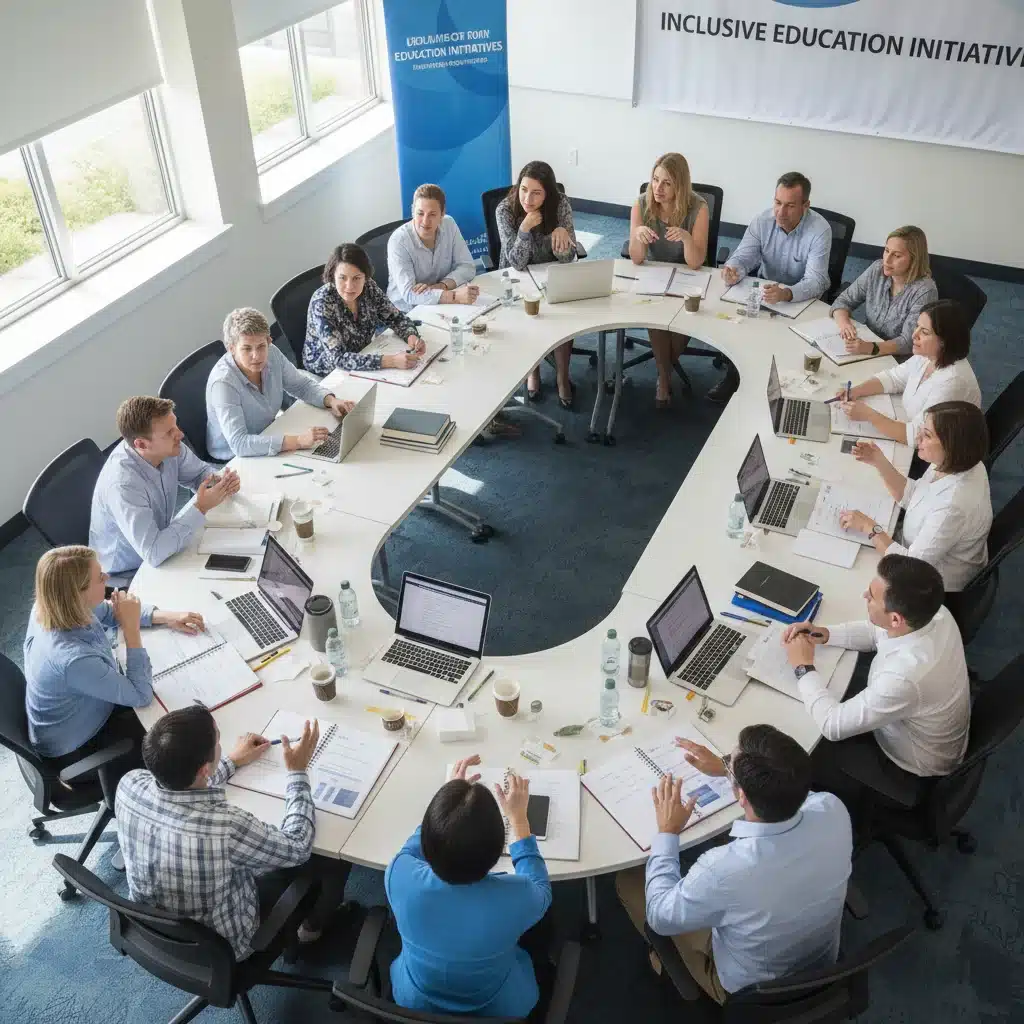
To effectively navigate and thrive under the 2026 federal guidelines, schools and districts should proactively adopt several best practices:
- Conduct a Comprehensive Needs Assessment: Before implementation, evaluate current inclusive education practices, identify strengths, weaknesses, and areas requiring significant change. This assessment should involve all stakeholders.
- Invest in Continuous Professional Development: Develop a multi-year professional development plan that addresses UDL, differentiated instruction, assistive technology, positive behavior interventions, and collaborative teaching models. Ensure training is ongoing and responsive to teacher needs.
- Foster a Culture of Collaboration: Create dedicated time for general and special education teachers to co-plan, co-teach, and problem-solve. Encourage interdisciplinary teams to work together to support student success.
- Embrace Technology Strategically: Research and integrate appropriate assistive technologies and educational software that support diverse learners. Provide training for both staff and students on their effective use.
- Strengthen RTI/MTSS Frameworks: Implement robust multi-tiered systems of support to identify and address student needs early, minimizing the need for more intensive interventions and promoting a preventative approach to learning challenges.
- Engage the Community: Build partnerships with parents, disability advocacy groups, and community organizations to leverage external resources and support for inclusive education practices.
- Prioritize Data-Driven Decision Making: Utilize data on student progress, engagement, and outcomes to continuously evaluate the effectiveness of inclusive strategies and make informed adjustments.
- Promote Student Voice: Empower students with disabilities to advocate for their own needs, participate in IEP meetings when appropriate, and contribute to decisions about their learning environment.
The Future of Inclusive Education: A Vision for 2026 and Beyond
The 2026 federal guidelines for inclusive education practices are more than just a regulatory update; they are a call to action, an invitation to reimagine what equitable and effective education truly looks like. They challenge us to move beyond mere compliance to a genuine commitment to creating learning environments where every student, regardless of their abilities, feels valued, supported, and empowered to reach their full potential.
The vision for 2026 and beyond is one where classrooms are inherently designed for diversity, where teachers are equipped with the tools and knowledge to meet varied needs, and where collaboration is the norm, not the exception. It’s a future where special education is not a separate track, but an integral, seamlessly woven component of a comprehensive educational system. This shift promises not only improved academic and social outcomes for students with disabilities but also a richer, more empathetic, and more innovative learning experience for all.
As we approach 2026, the focus must remain on preparation, collaboration, and a shared commitment to the principles of inclusion. By embracing these new guidelines with enthusiasm and strategic planning, educational institutions can transform challenges into opportunities, paving the way for a more just and effective educational system for generations to come. The goal of truly robust inclusive education practices is within reach, and these guidelines are the roadmap to get us there.