Rethinking Standardized Testing: 3 New Assessment Models for 2026

Rethinking Standardized Testing: A Comparison of 3 New Assessment Models for 2026
The landscape of education is perpetually evolving, and perhaps no aspect is under more scrutiny than student assessment. For decades, standardized testing has been the cornerstone of evaluating student performance, school effectiveness, and even teacher efficacy. However, a growing chorus of educators, parents, and policymakers are questioning its limitations, advocating for more holistic, equitable, and effective ways to measure learning. As we approach 2026, the demand for innovative new assessment models is reaching a fever pitch, promising a paradigm shift in how we understand student capabilities and progress.
The traditional standardized test, often criticized for its narrow focus on rote memorization, high-stakes pressure, and potential for bias, often fails to capture the full spectrum of a student’s knowledge, skills, and growth. It can inadvertently stifle creativity, discourage critical thinking, and lead to teaching to the test rather than fostering genuine understanding. The imperative to move beyond these outdated methods is clear. We need systems that truly reflect 21st-century skills: critical thinking, problem-solving, collaboration, creativity, and adaptability.
This article delves into three promising new assessment models that are gaining traction and are poised to redefine educational evaluation by 2026. These models offer a stark contrast to traditional methods, emphasizing personalized learning, authentic application of knowledge, and a more comprehensive understanding of student development. By exploring these alternatives, we can envision a future where assessment is not just about measuring what students know, but about understanding how they learn, grow, and apply their understanding in meaningful ways.
The Shifting Paradigm: Why We Need New Assessment Models
The reasons for seeking new assessment models are multifaceted and deeply rooted in the evolving needs of society and the workforce. The skills valued in today’s global economy extend far beyond what can be adequately measured by multiple-choice questions or timed essays. Employers seek individuals who can innovate, collaborate, communicate effectively, and solve complex, real-world problems – competencies that are often overlooked by conventional tests.
Furthermore, the equity concerns surrounding standardized tests are significant. These tests have often been shown to correlate with socioeconomic status, perpetuating achievement gaps and disadvantaging students from marginalized communities. Cultural biases, language barriers, and differing educational resources can all impact performance on these tests, leading to an inaccurate representation of a student’s true potential.
The mental health and well-being of students also play a crucial role in this discussion. The immense pressure associated with high-stakes standardized tests can lead to anxiety, stress, and a diminished love for learning. A shift towards new assessment models that are more integrated with the learning process, less punitive, and more focused on growth can foster a healthier and more supportive educational environment.
Finally, the advent of advanced educational technologies offers unprecedented opportunities to innovate in assessment. Adaptive testing, AI-powered feedback, and sophisticated data analytics can provide richer, more timely, and more personalized insights into student learning than ever before. These technological advancements are not just tools; they are enablers for entirely new assessment models that were previously unimaginable.
Model 1: Adaptive, AI-Powered Personalized Assessment Systems
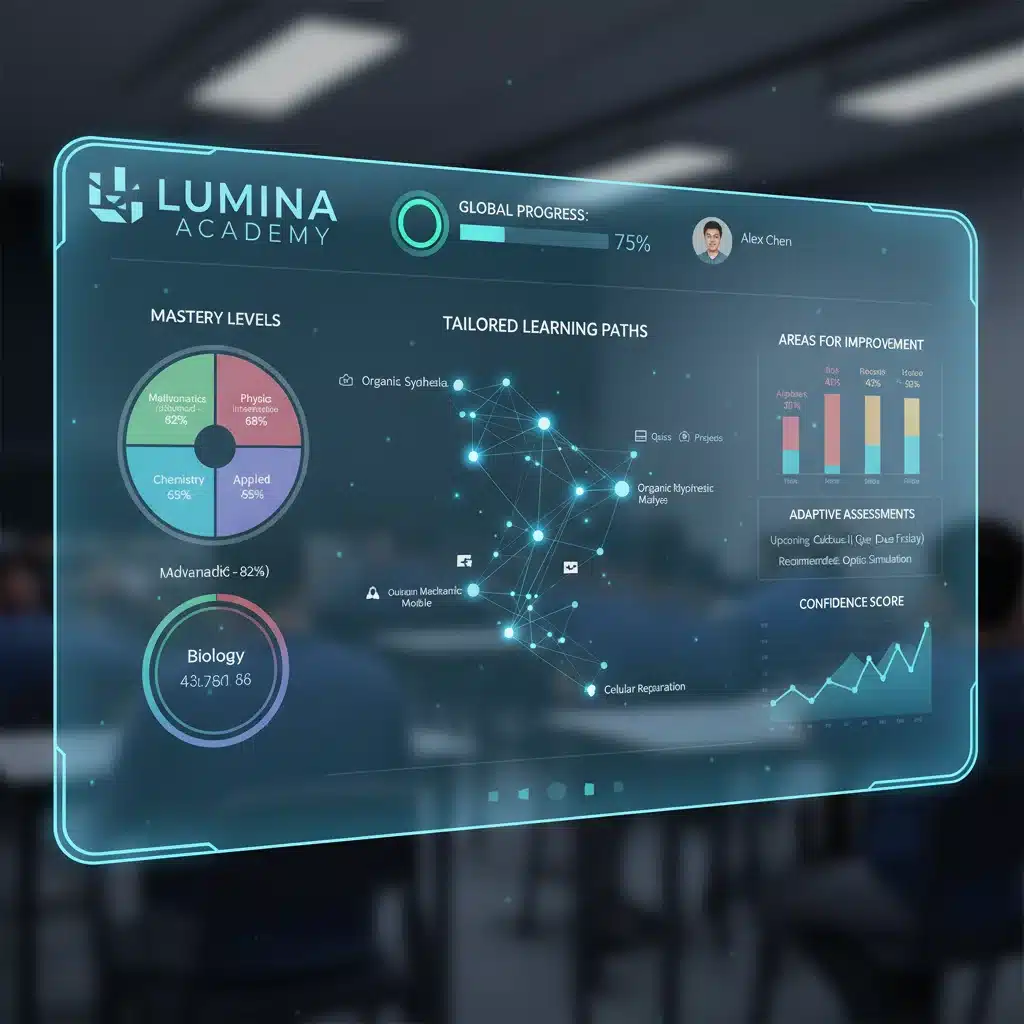
One of the most revolutionary new assessment models on the horizon for 2026 involves highly adaptive, AI-powered personalized assessment systems. Unlike static standardized tests, these systems continuously adjust to a student’s performance, offering questions and tasks that are precisely tailored to their current knowledge level and learning style. This approach ensures that every student is challenged appropriately, preventing boredom for advanced learners and frustration for those who need more support.
How They Work:
- Real-time Adaptation: As a student interacts with the system, AI algorithms analyze their responses, identifying strengths, weaknesses, and common misconceptions. The system then dynamically selects the next set of questions or learning activities to provide optimal challenge and support.
- Personalized Learning Paths: Beyond just assessment, these systems often integrate seamlessly with personalized learning platforms. Based on assessment data, they can recommend specific resources, tutorials, or practice exercises to help students master concepts they are struggling with, creating a truly individualized learning journey.
- Rich Data & Analytics: Educators receive granular data on student performance, not just a single score. They can see precisely which concepts a student understands, where they struggle, and how their understanding evolves over time. This data empowers teachers to provide targeted interventions and customize their instruction more effectively.
- Reduced Test Anxiety: Because the assessment is integrated into the learning process and adapted to the individual, the high-stakes pressure often associated with traditional tests is significantly reduced. Students perceive these as learning tools rather than punitive evaluations.
Advantages:
- Precision and Accuracy: Provides a much more accurate picture of a student’s true understanding and abilities.
- Personalization: Caters to individual learning needs and paces, promoting deeper engagement.
- Immediate Feedback: Students receive instant feedback, allowing them to correct misconceptions quickly.
- Efficiency: Can assess a wide range of skills and knowledge more efficiently than traditional methods.
Challenges:
- Technological Infrastructure: Requires robust and reliable technology infrastructure in schools.
- Data Privacy: Concerns around the collection and use of student data must be addressed rigorously.
- Teacher Training: Educators need comprehensive training to effectively utilize and interpret the data from these systems.
- Algorithmic Bias: Careful design is needed to prevent inherent biases in algorithms from perpetuating inequities.
Model 2: Performance-Based Assessment and Digital Portfolios
Another powerful shift in new assessment models is the move towards performance-based assessments, often showcased through digital portfolios. This approach focuses on what students can do with their knowledge, rather than just what they can recall. It emphasizes authentic tasks that mirror real-world challenges, allowing students to demonstrate skills like critical thinking, problem-solving, creativity, and collaboration in meaningful contexts.
How They Work:
- Authentic Tasks: Students complete projects, presentations, experiments, debates, or creative works that require them to apply their knowledge and skills in practical situations. These tasks are often interdisciplinary and open-ended.
- Digital Portfolios: Students curate a collection of their best work, reflections, and evidence of learning over time in a digital format. This can include essays, multimedia projects, code, art, research papers, and even video recordings of presentations or performances.
- Rubric-Based Evaluation: Performance is assessed using clear rubrics that outline specific criteria for success, focusing on both the process and the product. This provides transparency and helps students understand expectations.
- Student Self-Reflection: A critical component is the student’s ability to reflect on their own learning journey, identify areas of growth, and articulate their understanding of the concepts involved.
- Peer and Expert Feedback: Portfolios can be shared with peers for constructive feedback, and in some models, even with external experts or community members, adding another layer of authentic evaluation.
Advantages:
- Authenticity: Measures real-world skills and application of knowledge.
- Holistic View: Provides a comprehensive picture of a student’s abilities, growth, and learning process.
- Student Agency: Empowers students to take ownership of their learning and showcase their strengths.
- Development of 21st-Century Skills: Naturally fosters critical thinking, creativity, and problem-solving.
Challenges:
- Time-Intensive: Designing, implementing, and evaluating performance tasks and portfolios can be demanding for both students and teachers.
- Subjectivity: While rubrics help, there can still be elements of subjectivity in grading, requiring calibration among assessors.
- Scalability: Implementing this on a large scale across an entire education system presents logistical challenges.
- Storage and Management: Digital portfolios require robust systems for storage, organization, and accessibility.
Model 3: Competency-Based Progression with Micro-Credentials
The third of the new assessment models focuses on competency-based progression, often coupled with micro-credentials. This model shifts away from traditional time-based learning (e.g., seat time, grade levels based on age) to a system where students advance once they have demonstrated mastery of specific competencies, regardless of how long it takes them. Micro-credentials serve as verifiable digital badges that certify mastery of particular skills or knowledge domains.
How They Work:
- Clear Competency Definitions: Learning objectives are broken down into specific, measurable competencies that students must demonstrate. These competencies often include both academic knowledge and practical skills.
- Flexible Learning Pathways: Students can learn at their own pace, utilizing a variety of resources and instructional methods. They are not tied to a fixed curriculum timeline.
- Demonstration of Mastery: Assessment is ongoing and varied, focusing on providing evidence that a student has truly mastered a competency. This could involve projects, presentations, simulations, or targeted tests.
- Micro-Credentials: Upon demonstrating mastery of a competency or a cluster of related competencies, students earn a digital micro-credential. These credentials are stackable, allowing students to build a comprehensive record of their achievements.
- Transparent Progress Tracking: Students, parents, and educators have clear visibility into which competencies have been mastered and which are still in progress.
Advantages:
- Personalized Pace: Allows students to learn and progress at their optimal speed, fostering deeper understanding.
- Focus on Mastery: Ensures students truly understand concepts before moving on, eliminating knowledge gaps.
- Motivation: Earning micro-credentials provides regular, tangible recognition of achievement, boosting student motivation.
- Workforce Relevance: Micro-credentials can directly align with in-demand skills, making them highly valuable for future employment or higher education.
- Equity: Can help address achievement gaps by providing targeted support and allowing extra time for mastery.
Challenges:
- Systemic Overhaul: Requires a significant restructuring of traditional school systems, including scheduling, curriculum design, and grading.
- Teacher Training and Support: Educators need extensive professional development to design and implement competency-based learning and assessment effectively.
- Credential Recognition: Ensuring that micro-credentials are widely recognized and valued by higher education institutions and employers.
- Resource Intensity: Developing and maintaining a robust system of competencies and micro-credentials can be resource-intensive.
Comparison and Integration of New Assessment Models
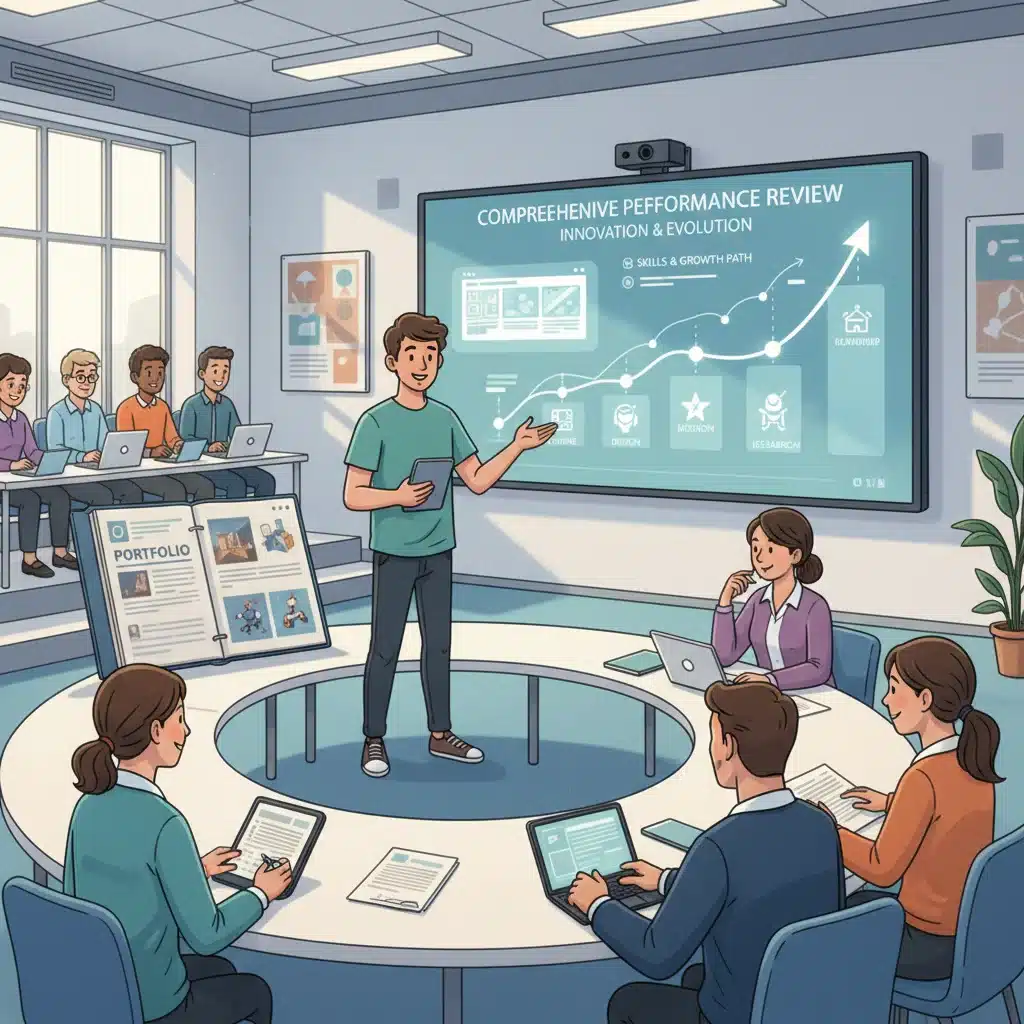
While each of these new assessment models offers distinct advantages, their true power lies in their potential for integration. Imagine a system where AI-powered adaptive assessments guide students through personalized learning paths, with their progress and mastery demonstrated through a portfolio of performance-based tasks, ultimately earning them micro-credentials for specific competencies. This integrated approach represents the pinnacle of future assessment.
The goal is not to simply replace one form of testing with another, but to create a dynamic, responsive, and truly student-centered assessment ecosystem. Each model addresses different facets of learning and development:
- Adaptive AI systems excel at providing precise, real-time feedback and personalizing the learning journey for foundational knowledge and skill acquisition.
- Performance-based assessments and portfolios are unparalleled in evaluating higher-order thinking skills, creativity, collaboration, and the application of knowledge in complex scenarios.
- Competency-based progression with micro-credentials ensures mastery and provides clear, verifiable evidence of specific skills, making learning more transparent and directly relevant to future pathways.
The challenge for educational institutions will be to thoughtfully design and implement systems that leverage the strengths of these new assessment models, creating a cohesive framework that supports both individual student growth and broader educational accountability. This will require significant investment in technology, professional development for educators, and a willingness to challenge long-held assumptions about what assessment should look like.
Implementing the Change: Challenges and Opportunities for 2026
The transition to these new assessment models by 2026 will not be without its hurdles. Resistance to change, particularly in entrenched educational systems, is a significant factor. Concerns about cost, scalability, and comparability across different schools or districts will need to be addressed. Furthermore, ensuring equitable access to the necessary technology and training for all students and educators will be paramount to prevent new forms of disparity.
However, the opportunities presented by these new assessment models far outweigh the challenges. They promise a future where assessment is:
- More Meaningful: Directly connected to authentic learning experiences and real-world skills.
- More Equitable: Designed to reduce bias and provide a fairer representation of all students’ abilities.
- More Personalized: Tailored to individual student needs, paces, and learning styles.
- More Informative: Providing rich, actionable data for students, teachers, parents, and policymakers.
- More Engaging: Fostering a love for learning rather than fear of failure.
For educators, this shift represents an exciting opportunity to move beyond the constraints of teaching to the test and instead focus on fostering deep understanding and critical thinking. For students, it means a more engaging and less stressful learning journey, where their unique talents and growth are truly recognized and celebrated. For society, it means a more capable and adaptable workforce, better prepared to tackle the complex challenges of the future.
Conclusion: A Brighter Future for Student Assessment
The movement towards new assessment models by 2026 signifies a profound and necessary evolution in education. The limitations of traditional standardized testing have become increasingly apparent, prompting a global search for more effective and equitable ways to evaluate student learning. Adaptive, AI-powered personalized assessment systems, performance-based assessments with digital portfolios, and competency-based progression with micro-credentials stand out as leading contenders in this transformation.
These innovative approaches promise to move us beyond mere scores to a richer understanding of student capabilities, fostering a learning environment that values growth, application, and individualized pathways. While the journey to widespread implementation will require significant effort and collaboration from all stakeholders, the potential rewards – a more engaged, skilled, and equitably educated generation – are immeasurable. The future of assessment is not just about changing tests; it’s about fundamentally rethinking how we support and celebrate every student’s unique learning journey.
By embracing these new assessment models, we are not just refining our educational systems; we are reimagining the very purpose and potential of learning for the 21st century and beyond. The year 2026 could mark a pivotal moment, ushering in an era where assessment truly serves the learner, rather than merely measuring them.