
The 2026 Guide to Affordable Childcare: Unlocking Federal Subsidies and Local Programs for Up to 30% Savings
For many families, the cost of childcare is one of the most significant financial burdens, often rivaling or even exceeding housing expenses. As we look towards 2026, understanding the landscape of affordable childcare 2026 options, including federal subsidies and local programs, becomes paramount for parents striving to balance work and family life without breaking the bank. This comprehensive guide aims to illuminate the pathways to substantial savings, potentially reducing your childcare costs by up to 30% or more.
The quest for affordable, high-quality childcare is a universal challenge. With rising inflation and stagnant wages for many, the financial strain on families is immense. However, a myriad of resources, often underutilized or unknown, exist to alleviate this pressure. From federal tax credits and direct subsidies to state-specific initiatives and community-based support, there are numerous avenues to explore. Our goal is to demystify these options, providing you with actionable information to secure the best possible care for your children at a cost you can manage.
Navigating the complex world of childcare financing can feel like a full-time job in itself. Eligibility requirements vary, application processes can be daunting, and the sheer volume of information can be overwhelming. This article will break down the key programs and strategies for 2026, offering clear explanations and practical advice. We’ll delve into federal provisions, highlight state-level differences, and explore the power of local community resources. By the end of this guide, you will be equipped with the knowledge to make informed decisions and significantly impact your family’s financial well-being.
Understanding the Federal Landscape for Affordable Childcare in 2026
The federal government plays a crucial role in shaping the accessibility and affordability of childcare across the United States. While direct universal childcare is not yet a reality, several significant programs and tax benefits are designed to assist families. Understanding these federal provisions is the first step in unlocking affordable childcare 2026.
The Child and Dependent Care Credit (CDCC)
One of the most widely utilized federal benefits is the Child and Dependent Care Credit. This non-refundable tax credit helps families offset the costs of care for a qualifying child under age 13 (or a spouse or dependent who is physically or mentally incapable of self-care). While the exact parameters can shift with legislative changes, the core principle remains: you can claim a percentage of your childcare expenses, up to a certain limit, when you file your federal income taxes. For 2026, it’s essential to stay updated on the maximum amount of expenses that can be considered and the applicable credit percentage, which is often tied to your Adjusted Gross Income (AGI). Typically, the credit ranges from 20% to 35% of eligible expenses, with higher percentages for lower-income families. Keeping meticulous records of all childcare payments is crucial for maximizing this credit.
Child Care and Development Fund (CCDF)
The Child Care and Development Fund (CCDF) is a federal program that provides funds to states, territories, and tribal communities to help low-income families afford childcare. States then use these funds to offer subsidies directly to eligible families, allowing them to choose their own childcare providers. Eligibility for CCDF assistance is typically based on income and family size, with priority often given to families experiencing homelessness, those with children with special needs, and those receiving Temporary Assistance for Needy Families (TANF). The specific income thresholds and eligibility criteria are determined at the state level, making it vital to check with your state’s childcare agency for the most accurate information regarding affordable childcare 2026 through CCDF.
Flexible Spending Accounts (FSAs) for Dependent Care
Many employers offer Dependent Care Flexible Spending Accounts (FSAs) as part of their benefits package. This allows employees to set aside pre-tax money from their paycheck to pay for eligible dependent care expenses, including childcare. The significant advantage here is that the money contributed to a Dependent Care FSA is not subject to federal income tax, Social Security tax, or Medicare tax, leading to substantial savings. For 2026, there will be a maximum contribution limit (typically around $5,000 per household, subject to change). This is a ‘use-it-or-lose-it’ account, meaning any funds not used by the end of the plan year (with some grace period exceptions) are forfeited. Therefore, careful planning of your anticipated childcare expenses is necessary to effectively utilize this benefit for affordable childcare 2026.
Tax Credits for Employers Providing Childcare
While not directly for families, it’s worth noting that the federal government also offers tax credits to employers who provide childcare facilities or assistance to their employees. If your employer offers such benefits, it’s a direct result of these incentives, and you should certainly take advantage of them. This can come in the form of on-site childcare, subsidies, or reimbursement programs. Inquire with your HR department about any such benefits that might contribute to your affordable childcare 2026 strategy.
State-Specific Programs: A Vital Layer of Support for Affordable Childcare
Beyond federal initiatives, each state offers its unique set of programs and subsidies designed to make childcare more accessible and affordable. These state-level efforts are often crucial for families seeking comprehensive support. The specific details vary significantly from state to state, so it’s essential to research what’s available in your particular region for affordable childcare 2026.
State Childcare Subsidies and Vouchers
Many states operate their own childcare subsidy programs, often utilizing federal CCDF funds but also supplementing them with state dollars. These programs provide financial assistance directly to eligible families to help pay for childcare services. Eligibility is typically based on income, family size, and work or education requirements. Some states use a voucher system, where parents receive a voucher to use at a state-approved childcare provider of their choice. Others may have direct payment systems to providers. It’s imperative to visit your state’s Department of Social Services, Department of Human Services, or equivalent agency website to understand the specific eligibility criteria, application process, and available funds for affordable childcare 2026 in your state.
Pre-Kindergarten (Pre-K) Programs
A growing number of states offer free or low-cost Pre-K programs for 3- and 4-year-olds. These programs, often administered through public school systems or community-based organizations, aim to provide early education and prepare children for kindergarten. While not always a full-day childcare solution, they can significantly reduce the cost of care for families with children in that age range. The availability and structure of Pre-K programs vary widely; some are universal, while others are targeted based on income or developmental needs. Researching your state and local district’s Pre-K offerings is a smart move for affordable childcare 2026.
State Tax Credits and Deductions
In addition to the federal Child and Dependent Care Credit, some states offer their own state-level tax credits or deductions for childcare expenses. These can further reduce your tax liability and effectively lower your overall childcare costs. The rules for these state tax benefits often mirror the federal credit but may have different income thresholds or maximum expense limits. Consult your state’s Department of Revenue or a tax professional to determine if you qualify for any state-specific childcare tax benefits for 2026.
Support for Specific Populations
Many states also have programs tailored to specific populations, such as:
- Children with Special Needs: Enhanced subsidies or specialized care options.
- Military Families: Partnerships with organizations like Child Care Aware of America to provide reduced-cost care.
- Student Parents: Programs at colleges and universities to support student parents with childcare.
- Foster Parents: Specific allowances for foster children’s care.
If your family falls into one of these categories, be sure to inquire about specialized support for affordable childcare 2026.

Local Programs and Community Resources: Finding Affordable Childcare in Your Neighborhood
While federal and state programs provide a broad framework, local initiatives and community resources often offer the most direct and tailored support for families seeking affordable childcare 2026. These grassroots efforts can range from non-profit organizations to local government programs, filling gaps and providing crucial assistance.
Head Start and Early Head Start
Head Start and Early Head Start are federal programs administered locally, providing comprehensive child development services to pregnant women and children from birth to age five from low-income families. These programs offer early learning, health, nutrition, and family support services. Head Start serves preschoolers, while Early Head Start serves infants, toddlers, and pregnant women. These programs are often free for eligible families and can be an invaluable resource for high-quality, affordable childcare 2026. Contact your local Head Start agency to learn about eligibility and enrollment.
YMCA and Boys & Girls Clubs
Organizations like the YMCA and Boys & Girls Clubs are staples in many communities, offering a variety of youth programs, including after-school care, summer camps, and sometimes full-day childcare. They often operate on a sliding scale fee structure or offer scholarships and financial assistance to families based on income. These programs provide structured environments, educational activities, and a strong community focus, making them excellent options for affordable childcare 2026. Check with your local branch for their specific offerings and financial aid opportunities.
Community-Based Childcare Centers and Non-Profits
Many non-profit organizations and community-based childcare centers are dedicated to providing high-quality, affordable care. These centers may receive grants, donations, or local government funding, allowing them to offer lower tuition rates or financial aid. They often have a mission-driven approach, focusing on specific educational philosophies or serving particular community needs. Searching for “non-profit childcare” or “community childcare programs” in your area can uncover hidden gems for affordable childcare 2026. Local United Way chapters or 211 services can also often provide lists of such resources.
Employer-Sponsored Childcare and Partnerships
Beyond federal tax credits, some employers directly offer childcare benefits. This could include on-site childcare centers, subsidies for external care, or partnerships with local childcare providers to secure discounted rates for their employees. Even if your employer doesn’t have an explicit childcare program, it’s worth inquiring about flexible work arrangements, telecommuting options, or dependent care assistance programs that can indirectly reduce your childcare burden. A growing number of companies recognize the importance of supporting working parents, making this a valuable area to explore for affordable childcare 2026.
Family, Friend, and Neighbor (FFN) Care Support
While not a formal program, relying on family, friends, or trusted neighbors for childcare is a common and often cost-effective solution. Some states and local organizations offer resources to support FFN caregivers, such as training, background checks, and even small stipends or access to educational materials. If you utilize FFN care, research if there are any local programs that can provide support or resources to ensure the quality and safety of this arrangement, contributing to your overall strategy for affordable childcare 2026.
Strategies for Maximizing Your Savings on Childcare in 2026
Beyond identifying specific programs, there are proactive strategies you can employ to further reduce your childcare expenses. Combining these approaches with federal, state, and local support can lead to significant savings for affordable childcare 2026.
Start Early and Plan Ahead
The demand for quality, affordable childcare often outstrips supply. Many popular programs, especially those with subsidies or lower costs, have waiting lists. Start researching and applying for programs well in advance – ideally, as soon as you know you’ll need care. This proactive approach increases your chances of securing a spot in a desirable and cost-effective setting. Planning also allows you to budget effectively and understand all potential costs associated with different providers.
Understand All Eligibility Requirements
Each program, whether federal, state, or local, has specific eligibility criteria related to income, family size, work status, and child’s age. Thoroughly review these requirements for every program you consider. Don’t self-disqualify; sometimes the income thresholds are higher than you might expect, or there are specific exceptions. Gather all necessary documentation (pay stubs, tax returns, birth certificates, etc.) in advance to streamline the application process for affordable childcare 2026.
Compare Providers and Costs
Childcare costs can vary dramatically even within the same geographic area. Don’t settle for the first option you find. Research multiple providers, including licensed centers, home-based care, and even school-based programs. Inquire about their fee structures, any hidden costs (registration fees, activity fees, late pick-up fees), and discounts (sibling discounts, annual payment discounts). A little comparison shopping can yield substantial savings for affordable childcare 2026.
Utilize Employer Benefits
As mentioned earlier, always check with your employer’s HR department about any childcare-related benefits. This could include Dependent Care FSAs, direct subsidies, on-site care, or even referral services that can connect you with discounted providers. These benefits are often underutilized but can significantly contribute to making childcare more affordable.
Explore Part-Time or Flexible Options
If your work schedule allows, consider part-time childcare instead of full-time. Even reducing a few hours or days a week can lead to noticeable savings. Explore flexible childcare arrangements, such as a combination of formal care and family/friend care, or splitting care with another family. Some centers offer flexible scheduling, allowing you to pay only for the hours or days you need, which can be a key strategy for affordable childcare 2026.
Advocate for Policy Changes
While this is a long-term strategy, becoming an advocate for universal or more affordable childcare at local, state, and federal levels can ultimately benefit your family and others. Join parent groups, contact your elected officials, and support organizations working towards systemic change in childcare policy. Collective action can lead to more robust and accessible programs for affordable childcare 2026 and beyond.
Budgeting and Financial Planning
Integrate childcare costs into your overall family budget. Understand exactly how much you are spending and where you might be able to cut back in other areas to prioritize childcare. Consider using budgeting apps or financial planners to help manage your expenses and identify potential savings. A clear financial picture is essential for navigating the costs of affordable childcare 2026.
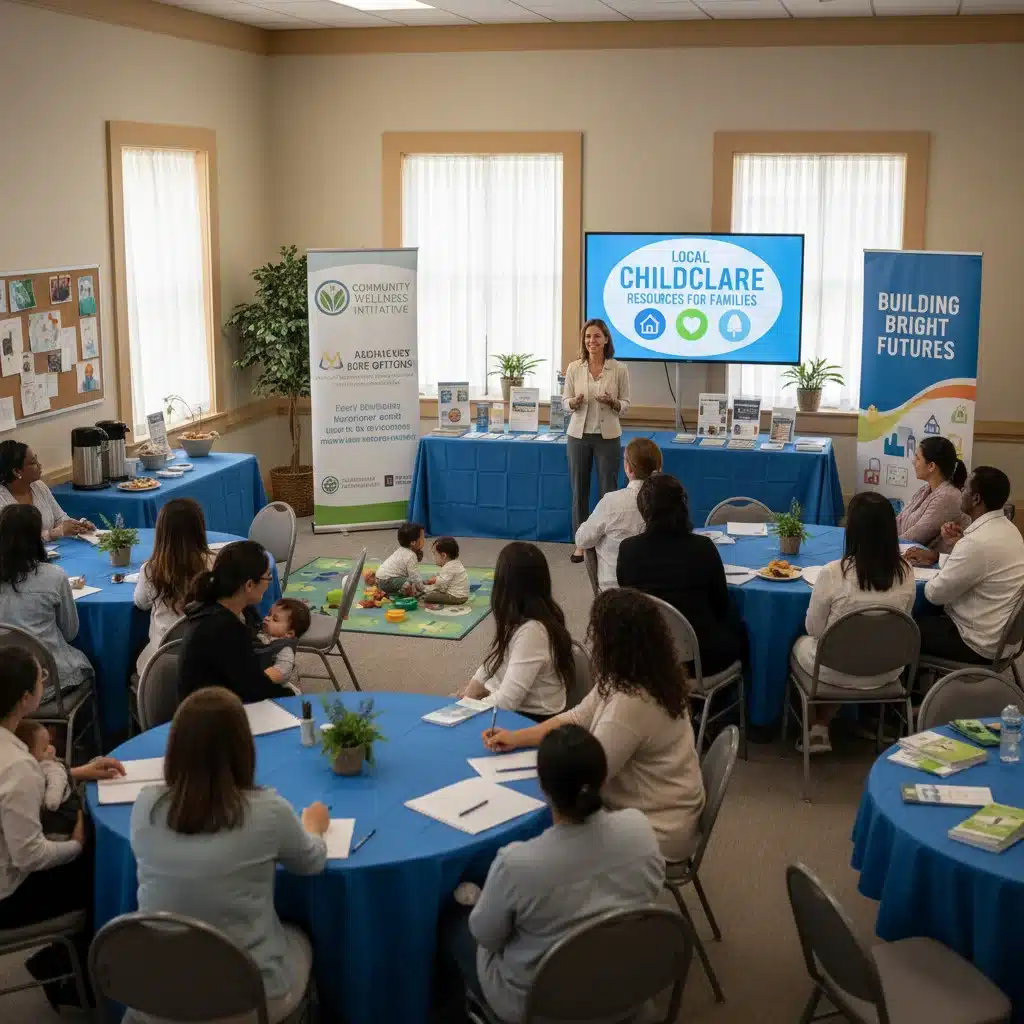
The Future of Affordable Childcare: What to Expect in 2026 and Beyond
The landscape of childcare policy is constantly evolving. While this guide focuses on affordable childcare 2026, it’s important to consider broader trends and potential future changes that could impact families.
Continued Legislative Debates
Childcare remains a hot topic in political discourse. There are ongoing debates at the federal level about implementing universal pre-kindergarten, expanding the Child Tax Credit, and increasing funding for childcare subsidies. While the exact outcomes are uncertain, these discussions highlight a growing recognition of the need for more systemic solutions to the childcare crisis. Families should stay informed about legislative proposals that could further enhance access to affordable childcare 2026 and in subsequent years.
Increased Focus on Quality and Workforce Development
Beyond affordability, there’s a significant push to improve the quality of childcare and support the childcare workforce. This includes initiatives to increase wages for childcare workers, provide professional development, and enhance licensing standards. While these efforts may sometimes lead to increased costs for providers, they are crucial for ensuring children receive high-quality care, which is a non-negotiable aspect of any truly affordable childcare 2026 solution.
Technological Innovations in Childcare
Technology is also playing a role in shaping the future of childcare. Apps for parent-provider communication, digital payment systems, and platforms for finding and vetting caregivers are becoming more prevalent. While these don’t directly reduce costs, they can streamline processes, improve transparency, and help parents make more informed decisions about care, indirectly contributing to finding value in affordable childcare 2026 options.
The Role of Public-Private Partnerships
Expect to see more collaboration between government entities, businesses, and non-profit organizations to address childcare challenges. These partnerships can lead to innovative funding models, expanded program offerings, and increased community support for families. Keeping an eye on local news and community announcements can help you discover new opportunities for affordable childcare 2026 emerging from these collaborations.
Conclusion: Empowering Your Family with Affordable Childcare Solutions in 2026
Navigating the costs of childcare can be daunting, but it doesn’t have to be an insurmountable hurdle. By understanding and strategically utilizing the array of federal subsidies, state-specific programs, and local community resources available for affordable childcare 2026, families can unlock significant savings and secure high-quality care for their children.
Remember to:
- Research thoroughly: Explore federal tax credits, CCDF, state subsidies, and local programs like Head Start and YMCA.
- Apply early: Many programs have waiting lists, so proactive engagement is key.
- Compare options: Don’t settle; investigate various providers and their fee structures.
- Leverage employer benefits: Inquire about Dependent Care FSAs and other company-sponsored assistance.
- Stay informed: Childcare policies are dynamic; keep up-to-date with changes at all levels of government.
Your journey to affordable childcare 2026 is an active one, requiring diligence and persistence. However, the rewards – both financial and in terms of peace of mind – are immeasurable. By empowering yourself with knowledge and taking proactive steps, you can ensure your children receive the best possible start in life without placing undue strain on your family’s budget. Start today, and take control of your childcare future.