Emergency Preparedness Checklist: 7 Must-Haves for Every US Household by 2026
Emergency Preparedness Checklist: 7 Must-Haves for Every US Household by 2026
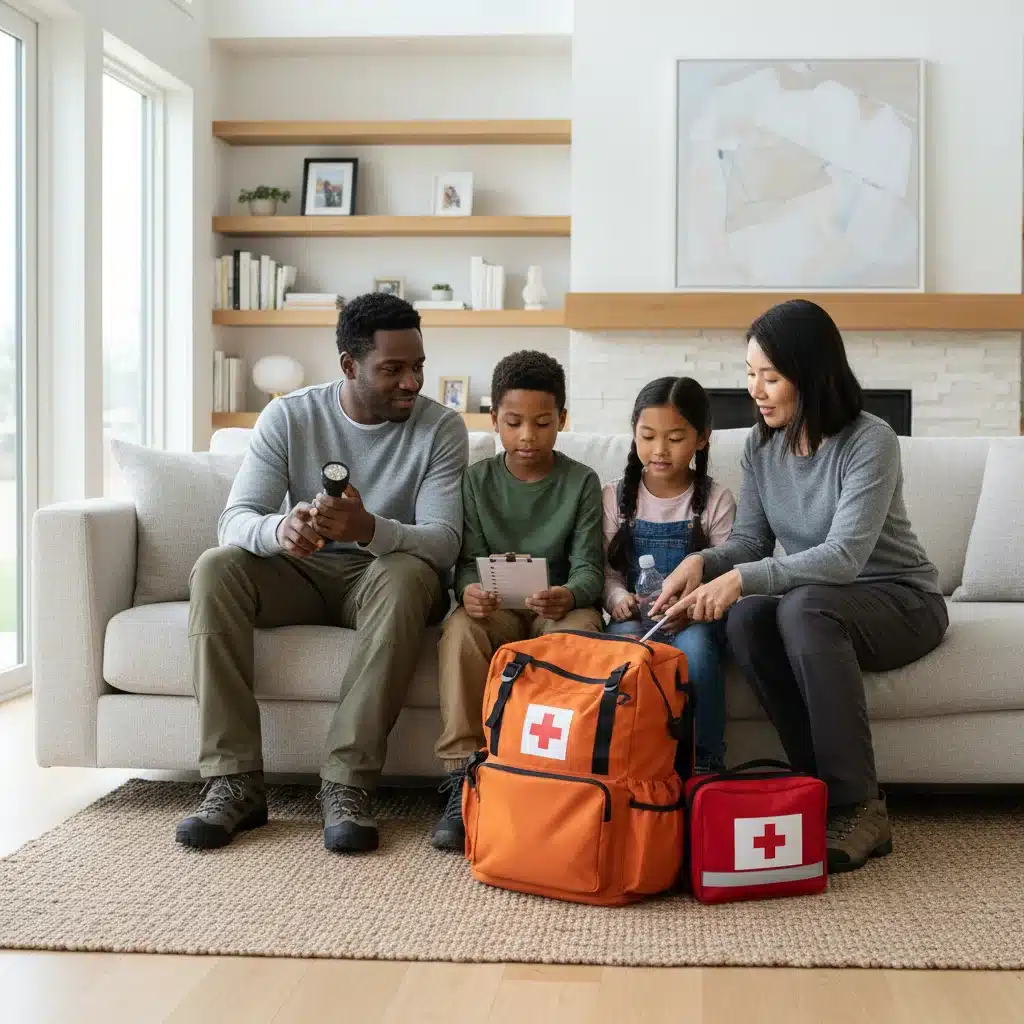
In an increasingly unpredictable world, the importance of being prepared for emergencies cannot be overstated. From natural disasters like hurricanes, earthquakes, and wildfires to unexpected power outages and other unforeseen events, having a robust household emergency kit can make all the difference. This comprehensive guide will walk you through the seven absolute must-haves for every US household by 2026, ensuring you and your loved ones are ready for anything. Our focus keyword, ‘household emergency kit’, will be integrated throughout to help you build the ultimate survival toolkit.
The goal isn’t to live in fear, but to live with confidence, knowing you’ve taken proactive steps to safeguard your family’s well-being. By 2026, every American household should ideally have these essential components in place, regularly reviewed and updated. Let’s delve into what makes a truly effective household emergency kit.
1. Water: The Foundation of Survival
When any emergency strikes, access to clean, safe drinking water can quickly become a critical issue. Municipal water systems can be compromised, and bottled water supplies can vanish from store shelves in a matter of hours. Therefore, water is undeniably the most crucial component of your household emergency kit.
How Much Water Do You Need?
The general recommendation is to store at least one gallon of water per person per day for at least three days, for both drinking and sanitation. However, for a truly robust household emergency kit, aiming for a two-week supply is highly advisable, especially if you live in an area prone to long-term disruptions. Consider factors like climate, activity level, and special needs (children, nursing mothers, pets) when calculating your exact requirements.
Storage and Purification
Store water in clean, food-grade containers in a cool, dark place. Rotate your water supply every six months to ensure freshness. Beyond stored water, invest in reliable water purification methods. These could include:
- Water Purification Tablets: Lightweight and effective for killing most microorganisms.
- Portable Water Filters: Devices like Lifestraws or Sawyer filters can remove bacteria and protozoa from contaminated water sources.
- Boiling: A tried-and-true method for purifying water, though it requires a heat source.
Having multiple methods ensures redundancy and adaptability in various scenarios. Don’t underestimate the power of a well-stocked water supply in your household emergency kit.
2. Non-Perishable Food Supply: Sustenance for Days
After water, food is the next vital element. During an emergency, cooking facilities might be unavailable, and access to fresh groceries could be cut off for an extended period. Your household emergency kit should include a supply of non-perishable food items that require no cooking, refrigeration, or special preparation.
What Foods to Include
Focus on calorie-dense, nutritious foods with a long shelf life. Good options include:
- Canned Goods: Vegetables, fruits, beans, meats, and soups. Ensure you have a manual can opener!
- Dried Foods: Jerky, dried fruit, nuts, and granola bars.
- Energy Bars/Protein Bars: Compact and high in calories.
- Peanut Butter: High in protein and fat, and lasts a long time.
- Crackers/Biscuits: A good source of carbohydrates.
- Comfort Foods: Small treats can boost morale during stressful times.
Store food in airtight, waterproof containers in a cool, dry place. Just like water, food supplies need to be rotated. Check expiration dates every six months and replace items as needed. A ‘first in, first out’ system works best. When building your household emergency kit, think about foods your family actually enjoys to avoid waste and ensure they’ll be eaten when needed.
Storage and Rotation
Store food in airtight, waterproof containers in a cool, dry place. Just like water, food supplies need to be rotated. Check expiration dates every six months and replace items as needed. A ‘first in, first out’ system works best. When building your household emergency kit, think about foods your family actually enjoys to avoid waste and ensure they’ll be eaten when needed.
3. First Aid Kit: Addressing Injuries and Illnesses
A well-stocked first aid kit is non-negotiable for any household emergency kit. Minor injuries can become serious if not properly treated, and access to medical professionals might be limited or delayed during a crisis. Think beyond basic band-aids; your kit should be comprehensive enough to handle a range of medical situations.
Essential First Aid Supplies
Your kit should include, but not be limited to:
- Sterile Gauze Pads and Adhesive Tape: For wound dressing.
- Antiseptic Wipes/Hand Sanitizer: For cleaning wounds and hands.
- Assorted Bandages: Various sizes for different cuts and scrapes.
- Antibiotic Ointment: To prevent infection.
- Pain Relievers: Ibuprofen, acetaminophen.
- Allergy Medication: Antihistamines.
- Prescription Medications: A 7-day supply for all family members, rotated regularly.
- Gloves: Non-latex for hygiene.
- Scissors and Tweezers: For cutting tape and removing splinters.
- Thermometer: To check for fever.
- Emergency Blanket: For shock or hypothermia.
- First Aid Manual: A compact guide for reference.
Consider taking a basic first aid and CPR course. Knowledge is just as important as the supplies in your household emergency kit.
4. Communication and Lighting: Staying Connected and Safe
When the power goes out, your usual means of communication and light can disappear. A reliable household emergency kit includes tools to stay informed and navigate in the dark.
Lighting Solutions
- Flashlights: Multiple, with extra batteries. LED flashlights are energy-efficient.
- Headlamps: Allow for hands-free operation.
- Lanterns: Battery-powered or crank lanterns can illuminate a larger area.
- Chemical Light Sticks: Safe, long-lasting, and waterproof.
Avoid candles as they pose a fire risk in an emergency situation.
Communication Devices
- Battery-Powered or Hand-Crank Radio: Essential for receiving emergency broadcasts, weather alerts, and news when other communication systems are down. Look for NOAA weather radio functionality.
- Fully Charged Power Banks: For charging cell phones. Ensure they are kept charged.
- Whistle: For signaling for help.
- Two-Way Radios (Walkie-Talkies): Useful for communicating with family members within a limited range if cell service is down.
Regularly check batteries and ensure all devices in your household emergency kit are in working order.
5. Important Documents and Cash: Ready for Evacuation
In an evacuation scenario, you won’t have time to gather crucial paperwork. Having essential documents readily accessible and protected is a critical, yet often overlooked, part of a comprehensive household emergency kit.
What Documents to Include
Store copies (and ideally, originals or certified copies) of vital records in a waterproof, fireproof portable container:
- Identification: Passports, driver’s licenses, birth certificates.
- Financial Records: Bank account numbers, credit card numbers (with customer service contacts), insurance policies (home, auto, health, life).
- Medical Information: Immunization records, lists of medications, allergies, doctor’s contact information.
- Legal Documents: Wills, deeds, power of attorney.
- Family Contacts: A list of emergency contacts, including out-of-state relatives.
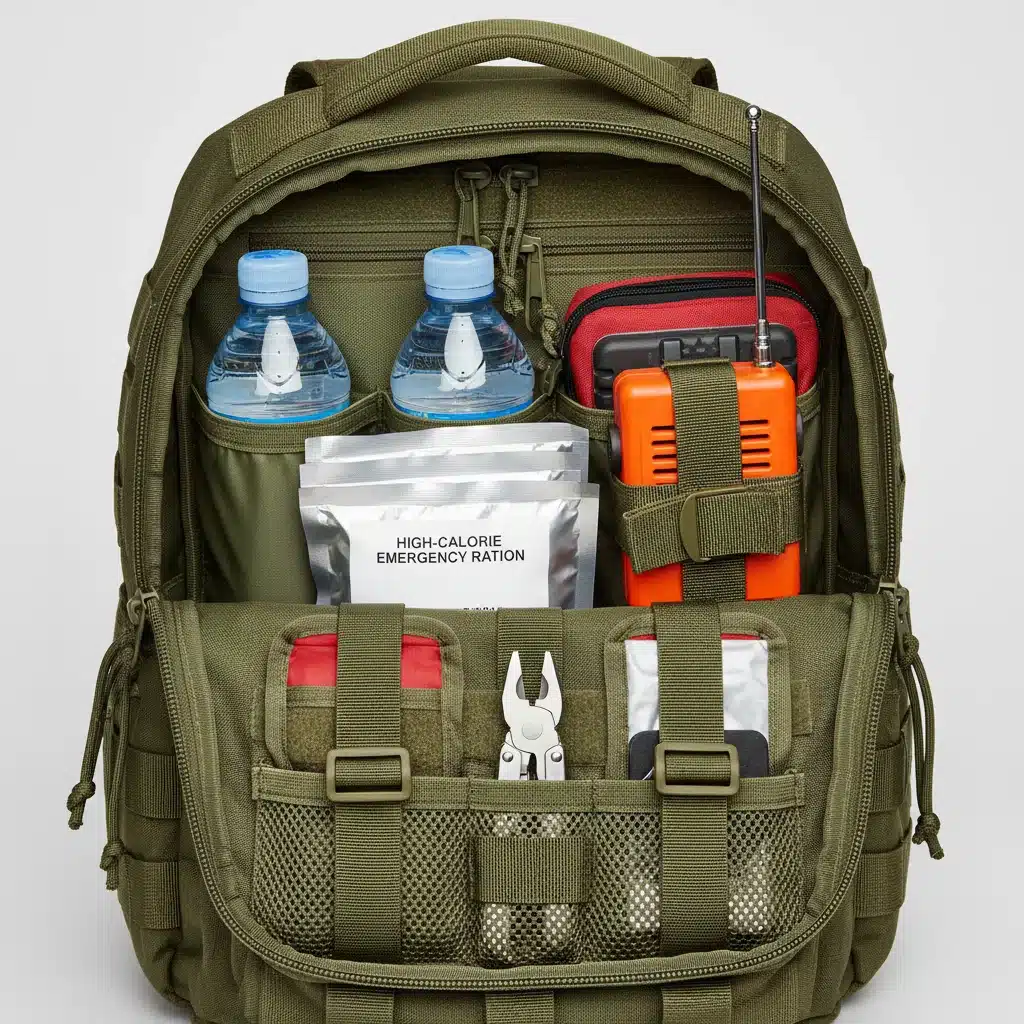
Also, keep a supply of small bills (cash) in your household emergency kit. ATMs and credit card machines may not function during power outages, making cash invaluable for purchasing necessities.
6. Sanitation and Hygiene Supplies: Maintaining Health
Maintaining proper hygiene is vital during an emergency to prevent the spread of illness and maintain morale. Your household emergency kit should address basic sanitation needs.
Hygiene Essentials
- Toilet Paper and Wet Wipes: For personal hygiene.
- Hand Sanitizer: When soap and water are unavailable.
- Soap: Bar soap or liquid soap.
- Feminine Hygiene Products: Essential for women.
- Garbage Bags and Twist Ties: For waste disposal and makeshift toilets.
- Bleach (unscented): Can be used for water purification and general sanitation (use with extreme caution and follow dilution instructions).
- Toothbrushes and Toothpaste: Basic dental hygiene.
Consider a portable camping toilet or a bucket with a tight-fitting lid for waste disposal if plumbing is compromised. Proper waste management is crucial for health and safety in any prolonged emergency situation. Don’t overlook these items when assembling your household emergency kit.
7. Tools and Utility Items: Problem Solvers
A well-equipped household emergency kit isn’t just about survival; it’s about problem-solving. Having the right tools can help you make minor repairs, shut off utilities, and generally manage your environment more effectively.
Essential Tools
- Multi-Tool: A versatile tool with pliers, screwdrivers, knife, etc.
- Wrench/Pliers: For turning off utilities (water, gas).
- Duct Tape: The ultimate fixer-upper.
- Utility Knife: For various cutting tasks.
- Matches/Lighter: Waterproof matches are ideal.
- Work Gloves: To protect hands during cleanup or repairs.
- Plastic Sheeting and Duct Tape: For temporary repairs to windows or roofs.
Knowing how to use these tools is just as important as having them. Familiarize yourself with how to shut off your home’s main water and gas lines, as this can prevent further damage in certain emergencies. These practical items significantly enhance the functionality of your household emergency kit.
Beyond the Basics: Customizing Your Household Emergency Kit
While the seven categories above form the backbone of any good household emergency kit, true preparedness involves customization. Every family and every location has unique needs.
Consider Special Needs
- Infants/Young Children: Formula, diapers, wipes, pacifiers, medications, comfort items.
- Elderly or Disabled Individuals: Specific medications, mobility aids, hearing aid batteries, extra eyeglasses.
- Pets: Food, water, medications, leash, carrier, vaccination records.
- Medical Conditions: Epipens, glucose monitors, inhalers, oxygen tanks (if applicable).
Location-Specific Considerations
- Coastal Areas: Extra emphasis on flood protection, waterproof containers, and evacuation plans.
- Earthquake Zones: Secure heavy furniture, know gas shut-off procedures, sturdy shoes.
- Wildfire Prone Areas: N95 masks, fire-resistant documents safe, clear defensible space.
Winter Storm Areas: Blankets, warm clothing, alternative heating methods (safe indoor options only).
Think about the most likely emergencies in your specific region and tailor your household emergency kit accordingly. This personalized approach dramatically increases your resilience.
Creating Your Emergency Plan: More Than Just a Kit
A household emergency kit is only one piece of the preparedness puzzle. A well-thought-out emergency plan is equally vital. Your plan should address:
- Family Communication Plan: How will you contact each other if separated? Designate an out-of-state contact person for family members to check in with.
- Evacuation Plan: Know multiple routes out of your home and neighborhood. Designate a meeting place outside your home and another outside your neighborhood.
- Shelter-in-Place Plan: Identify the safest room in your home for different types of emergencies (e.g., an interior room for tornadoes, a basement for severe weather).
- Utility Shut-Off Procedures: Everyone old enough should know how to turn off water, gas, and electricity.
- Practice Drills: Regularly practice your emergency plans with your family. This builds muscle memory and helps identify any gaps.
An emergency kit without a plan is like having a car without knowing how to drive. Both are essential for effective preparedness.
Maintaining Your Household Emergency Kit: The Ongoing Process
Building your household emergency kit isn’t a one-time task. It’s an ongoing commitment. Regular maintenance ensures that your supplies are fresh, functional, and appropriate for your current family needs.
Key Maintenance Steps
- Check Expiration Dates: At least twice a year (e.g., when daylight saving time changes), check all food, water, and medication expiration dates. Rotate out expired items and replace them.
- Test Batteries: Regularly test flashlights, radios, and other battery-powered devices. Replace batteries as needed.
- Review and Update: As your family changes (new baby, children grow, new pets, medical diagnoses), so too should your kit. Update clothing sizes, medication lists, and document copies.
- Inventory Check: Take a full inventory annually. Ensure nothing is missing or damaged.
- Storage Location: Ensure your kit is stored in an easily accessible, cool, dry place. Consider having smaller, grab-and-go kits for cars or workplaces.
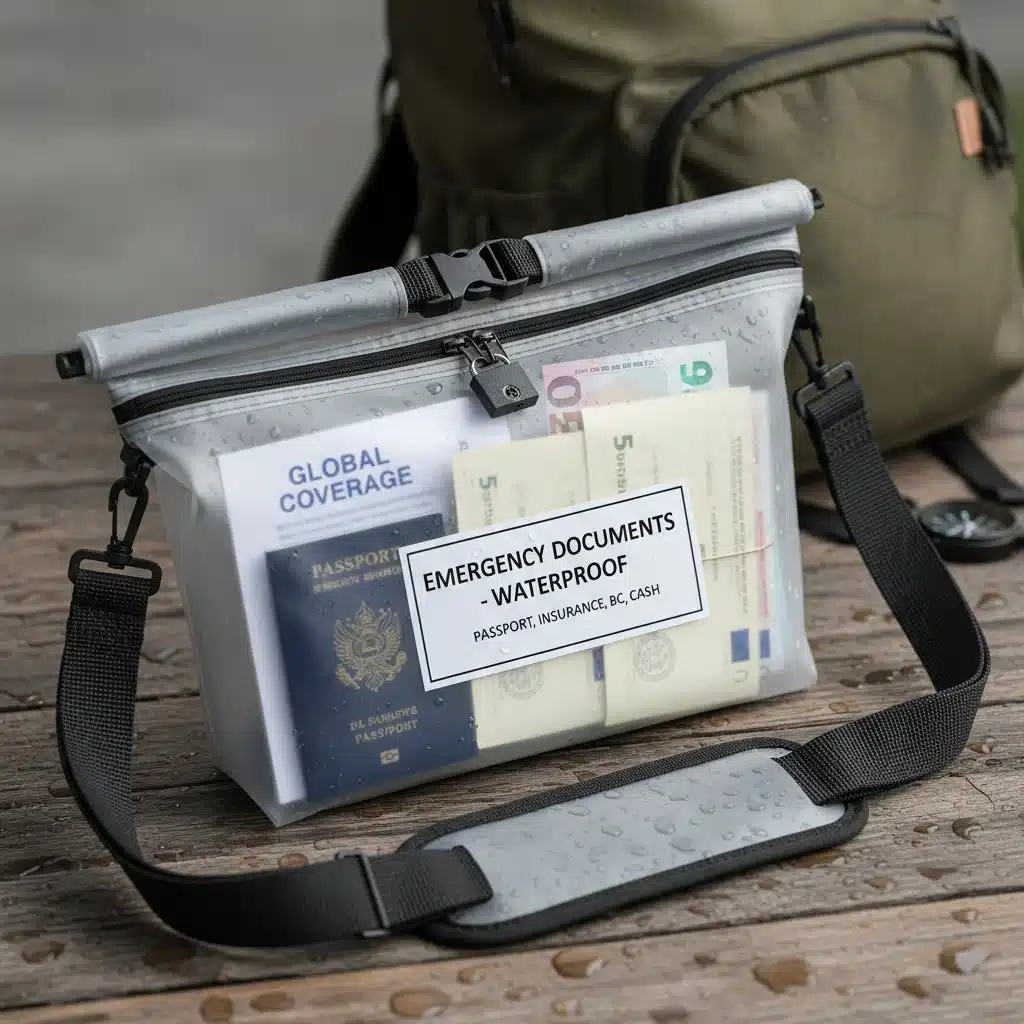
Consistent maintenance transforms your household emergency kit from a static collection of items into a dynamic, reliable safety net. By 2026, make it a habit to keep your kit updated and ready.
The Peace of Mind That Comes with Preparedness
Investing time and resources into building and maintaining a comprehensive household emergency kit is an investment in your family’s future. It provides an invaluable sense of security and peace of mind. When disaster strikes, those who are prepared often fare better, recovering more quickly and with less stress.
Remember, preparedness is not about fearing the worst; it’s about hoping for the best but planning for anything. By focusing on these seven crucial areas – water, food, first aid, communication/lighting, documents/cash, sanitation, and tools – you’ll be well on your way to creating a resilient and effective household emergency kit by 2026.
Take action today. Start small, gather what you can, and gradually build up your supplies. Every item added, every plan discussed, brings you closer to being truly ready. Your family’s safety is worth it.