
Essential First Aid Skills: Your Family’s 2026 Emergency Preparedness Guide
In an unpredictable world, being prepared isn’t just a recommendation; it’s a necessity. For families across the United States, understanding and practicing family first aid skills can be the difference between a minor incident and a significant crisis. As we look towards 2026, the emphasis on self-reliance and immediate response in emergencies grows stronger. This comprehensive guide will equip your family with the knowledge and practical steps needed to handle common injuries and medical emergencies, ensuring peace of mind and safety for everyone under your roof.
Emergencies can strike at any moment, from a scraped knee on the playground to a more serious allergic reaction or even a natural disaster. Without basic family first aid knowledge, panic can quickly set in, leading to delays in crucial care. This article is designed to empower you, your spouse, and even your older children with fundamental skills that can save lives and prevent further harm. We’ll delve into everything from assembling an indispensable first aid kit to mastering life-saving techniques like CPR and choking relief. Our goal is to make 2026 the year your family becomes truly prepared.
Why Every Family Needs Robust First Aid Skills in 2026
The landscape of potential emergencies is ever-evolving. While some threats remain constant, new challenges emerge, making continuous preparedness vital. Having robust family first aid skills means you are not reliant solely on the immediate availability of professional medical help, which can sometimes be delayed due to various circumstances. Think about the impact of a severe weather event, a power outage, or even just being in a remote location. In these scenarios, your ability to provide immediate care becomes paramount.
Beyond the critical moments, knowing family first aid also fosters a sense of confidence and resilience within your household. Children who are taught basic safety and emergency response skills grow up to be more self-assured and responsible. It transforms a potentially terrifying situation into one where calm, informed action can prevail. This proactive approach to safety is a cornerstone of responsible family management in 2026 and beyond.
Moreover, the cost of medical care, even for minor incidents, can be substantial. Timely and appropriate first aid can often prevent minor injuries from escalating into conditions requiring more intensive medical intervention, thereby saving both health and financial resources. Investing time in learning these skills is an investment in your family’s overall well-being.
Building Your Ultimate Family First Aid Kit for 2026
The foundation of effective family first aid begins with a well-stocked and organized kit. This isn’t just a box of bandages; it’s a carefully curated collection of supplies designed to address a wide range of common injuries and emergencies. For 2026, consider upgrading or refreshing your existing kit with an eye towards versatility and expiry dates.
Essential Components of Your First Aid Kit:
- Wound Care: Assorted adhesive bandages (various sizes), sterile gauze pads (2×2, 4×4 inches), adhesive tape, antiseptic wipes or solution (e.g., povidone-iodine or chlorhexidine), antibiotic ointment, hydrocortisone cream (for itching/rashes), butterfly closures or steri-strips.
- Pain Relief & Medications: Over-the-counter pain relievers (acetaminophen and ibuprofen for adults and children), antihistamines (for allergies), antacids, anti-diarrhea medication, any personal prescription medications (with doctor’s note if possible), epinephrine auto-injector if anyone in the family has severe allergies.
- Tools & Equipment: Scissors (trauma shears are ideal), tweezers, thermometer, disposable gloves (latex-free), CPR barrier mask, instant cold packs, emergency blanket, flashlight with extra batteries.
- Specialty Items: Burn gel or cream, elastic bandages (for sprains), safety pins, cotton swabs, hand sanitizer, list of emergency contacts, small notebook and pen.
- Children-Specific Items: Child-friendly pain relievers, children’s antihistamines, fun-themed bandages to ease anxiety.
Store your first aid kit in an easily accessible location, known to all family members, and check its contents regularly (at least twice a year) to replace expired medications and replenish used supplies. Consider having smaller, portable kits for cars, backpacks, and travel, ensuring family first aid readiness wherever you go.
Mastering CPR for Family Safety in 2026
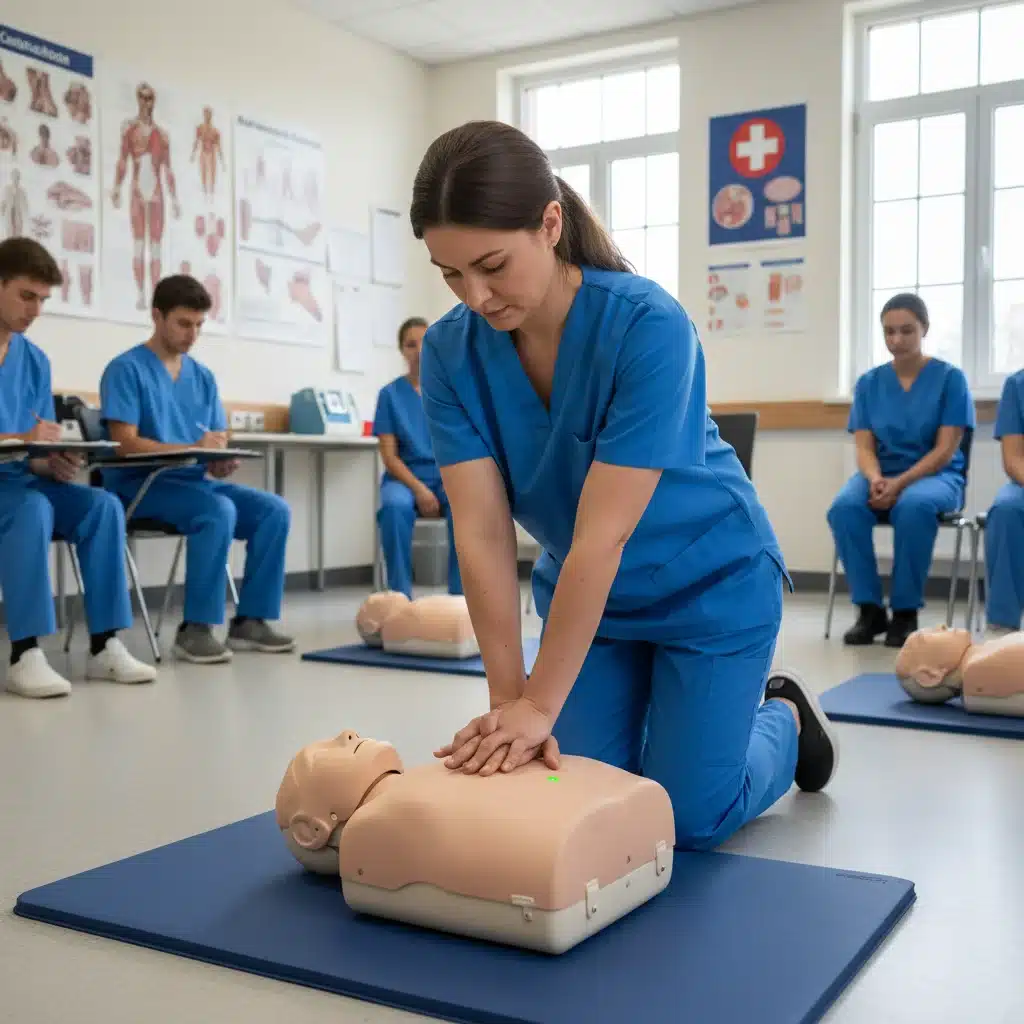
Cardiopulmonary Resuscitation (CPR) is perhaps the most critical family first aid skill you can learn. In situations where someone’s heart has stopped or they’ve stopped breathing, immediate CPR can double or even triple a person’s chance of survival. For 2026, it’s highly recommended that at least two adults in your household are certified in CPR and AED (Automated External Defibrillator) use. The American Heart Association (AHA) and the American Red Cross offer excellent courses that combine hands-on training with vital theoretical knowledge.
Key Steps for Hands-Only CPR (for adults and adolescents):
- Check for Safety: Ensure the scene is safe for you and the victim.
- Check for Responsiveness: Tap the person’s shoulder and shout, “Are you okay?”
- Call for Help: If unresponsive, immediately call 911 (or your local emergency number) and put it on speakerphone, or designate someone to call. If an AED is available, retrieve it or send someone to get it.
- Start Chest Compressions: Push hard and fast in the center of the chest. Place the heel of one hand on the center of the person’s chest, then place the heel of your other hand on top of the first hand, lacing your fingers.
- Compressions: Push straight down at least 2 inches (5 cm) at a rate of 100 to 120 compressions per minute. Allow the chest to return to its normal position after each compression.
- Continue: Continue chest compressions until professional medical help arrives or the person starts to move.
For infants and children, the technique differs slightly, emphasizing shallower compressions and often including rescue breaths. This is why a certified course is invaluable for learning the nuances of CPR across different age groups, a crucial aspect of comprehensive family first aid.
Choking: A Silent Threat and How to Respond
Choking is a common household emergency, especially with young children, but it can affect anyone. Knowing how to react quickly and effectively can prevent a tragedy. The Heimlich maneuver (abdominal thrusts) is the primary technique for clearing an obstructed airway.
Responding to Choking (Adults and Older Children):
- Ask, “Are you choking?” If the person can cough forcefully or speak, encourage them to keep coughing. If they can’t, proceed to abdominal thrusts.
- Position Yourself: Stand behind the person and wrap your arms around their waist.
- Make a Fist: Make a fist with one hand and place it just above the person’s navel.
- Grasp Fist: Grasp your fist with your other hand.
- Perform Thrusts: Deliver quick, upward thrusts into the abdomen, as if trying to lift the person. Repeat until the object is expelled or the person becomes unconscious.
Responding to Choking (Infants – under 1 year):
- Position the Infant: Place the infant face down on your forearm, supported by your thigh, with their head lower than their chest.
- Back Blows: Deliver 5 firm back blows between the infant’s shoulder blades using the heel of your hand.
- Chest Thrusts: Turn the infant face up on your other forearm, supporting their head. Deliver 5 quick chest thrusts with two fingers on the breastbone, just below the nipple line.
- Repeat: Continue alternating 5 back blows and 5 chest thrusts until the object is expelled or the infant becomes unconscious.
Again, hands-on training is vital for mastering these techniques, ensuring your family first aid skills are truly effective.
Wound Care and Bleeding Control: Essential for Every Home
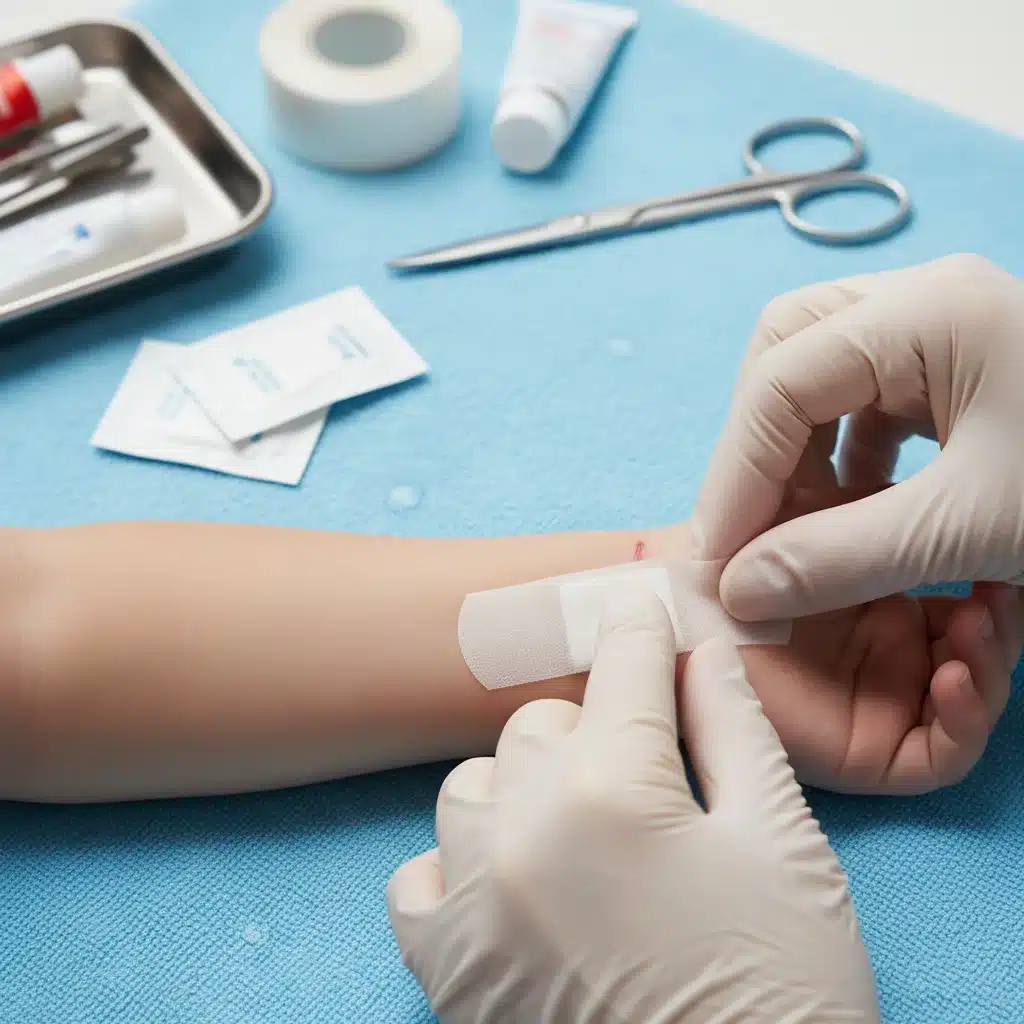
Cuts, scrapes, and minor bleeding are among the most frequent injuries in any household. Knowing how to properly clean and dress a wound is fundamental to preventing infection and promoting healing. For more serious bleeding, immediate control is critical.
Basic Wound Care:
- Wash Hands: Always wash your hands thoroughly with soap and water before touching a wound.
- Stop Bleeding: Apply gentle, direct pressure with a clean cloth or sterile gauze for several minutes until bleeding stops.
- Clean the Wound: Gently clean the wound with mild soap and water. Remove any dirt or debris with tweezers. Avoid harsh antiseptics like hydrogen peroxide or alcohol on open wounds, as they can damage tissue.
- Apply Ointment: Apply a thin layer of antibiotic ointment to keep the wound moist and prevent infection.
- Cover the Wound: Cover with a sterile bandage or gauze. Change the dressing daily or if it becomes wet or dirty.
- Monitor: Watch for signs of infection (redness, swelling, pus, increased pain, fever).
Controlling Severe Bleeding:
- Direct Pressure: Apply firm, direct pressure to the wound with a clean cloth or sterile dressing.
- Elevate: If possible, elevate the injured limb above the heart.
- Pressure Points: If bleeding is profuse and direct pressure isn’t enough, apply pressure to a major artery supplying the area (e.g., brachial artery for arm bleeding, femoral artery for leg bleeding).
- Tourniquet (Last Resort): For life-threatening extremity bleeding that cannot be controlled by other means, a tourniquet may be necessary. Ensure you are trained in its proper application, as incorrect use can cause harm.
- Call 911: For severe bleeding, always call 911 immediately.
These techniques form a core part of effective family first aid, ensuring you can manage injuries from minor to severe.
Burns: Classification and Initial Treatment
Burns are common household injuries, ranging from mild sunburns to severe thermal or chemical burns. Proper initial care is crucial to minimize damage and prevent infection.
Burn Classification:
- First-Degree Burns: Affect only the outer layer of skin (epidermis), causing redness, pain, and minor swelling. (e.g., mild sunburn)
- Second-Degree Burns: Affect the epidermis and the second layer of skin (dermis), causing redness, pain, swelling, and blistering.
- Third-Degree Burns: Affect all layers of skin and potentially underlying tissue, appearing white, charred, or leathery. There may be little to no pain due to nerve damage. These are severe and require immediate medical attention.
First Aid for Burns:
- Stop the Burning Process: Remove the person from the heat source. For chemical burns, flush with large amounts of cool water.
- Cool the Burn: For first and second-degree burns, hold the burned area under cool (not cold) running water for 10-20 minutes. Do not use ice, as it can cause further tissue damage.
- Remove Constricting Items: Gently remove any rings, watches, belts, or tight clothing near the burned area before swelling occurs.
- Cover the Burn: Loosely cover the burn with a sterile, non-adhesive dressing or a clean cloth to protect it from infection.
- Pain Relief: Over-the-counter pain relievers can help with discomfort.
- Seek Medical Attention: For second-degree burns larger than 3 inches, burns on the face, hands, feet, joints, or genitals, or any third-degree burn, seek immediate medical attention.
Understanding burn types and appropriate responses is a vital part of your family first aid repertoire.
Sprains, Strains, and Fractures: R.I.C.E. and When to Seek Help
Musculoskeletal injuries like sprains, strains, and fractures are common, especially in active families. Knowing how to differentiate and initially treat them is important.
- Sprain: Injury to a ligament (connects bones).
- Strain: Injury to a muscle or tendon (connects muscle to bone).
- Fracture: A break in a bone.
Initial Treatment (R.I.C.E. Method):
- Rest: Stop using the injured part to prevent further damage.
- Ice: Apply an ice pack (wrapped in a cloth) to the injured area for 15-20 minutes at a time, several times a day, to reduce swelling and pain.
- Compression: Lightly wrap the injured area with an elastic bandage to help reduce swelling. Don’t wrap too tightly.
- Elevation: Elevate the injured limb above the heart to minimize swelling.
When to Seek Medical Attention: If you suspect a fracture (severe pain, deformity, inability to bear weight), if the pain is severe or doesn’t improve with R.I.C.E., or if there is significant swelling or bruising, seek professional medical help. A doctor can properly diagnose the injury and recommend appropriate treatment, which might include X-rays, immobilization, or physical therapy. Incorporating this knowledge into your family first aid plan ensures prompt and effective care.
Allergic Reactions and Anaphylaxis: Recognizing and Responding
Allergic reactions can range from mild skin rashes to life-threatening anaphylaxis. Recognizing the signs and knowing how to respond is critical, especially if a family member has known allergies.
Signs of a Mild Allergic Reaction:
- Skin rash, hives, itching
- Nasal congestion, sneezing
- Mild stomach discomfort
Treat mild reactions with over-the-counter antihistamines and monitor closely.
Signs of Anaphylaxis (Severe Allergic Reaction):
- Difficulty breathing (wheezing, shortness of breath, tight throat)
- Swelling of the face, lips, tongue, or throat
- Rapid or weak pulse
- Dizziness, fainting, confusion
- Severe rash, hives
- Nausea, vomiting, diarrhea, abdominal pain
- Feeling of impending doom
Responding to Anaphylaxis:
- Call 911: This is a medical emergency. Call immediately.
- Administer Epinephrine: If the person has a prescribed epinephrine auto-injector (EpiPen), administer it without delay. Follow the instructions on the device.
- Position the Person: Help the person lie on their back. If they are vomiting, turn them on their side.
- Monitor: Stay with the person and monitor their breathing and consciousness until emergency services arrive.
Ensuring that all family members know where an EpiPen is stored and how to use it is a critical component of family first aid for allergy sufferers.
Preparing for Natural Disasters and Extended Emergencies in 2026
While often associated with immediate injury care, family first aid also extends to preparedness for broader emergencies like natural disasters. In such events, access to medical facilities might be compromised, making self-sufficiency for a period essential.
Beyond the Kit:
- Emergency Water & Food Supply: Stock at least a 3-day supply of non-perishable food and 1 gallon of water per person per day.
- Emergency Lighting & Power: Flashlights, extra batteries, power banks for charging devices, battery-powered or hand-crank radio.
- Communication Plan: Establish an out-of-state contact person for family members to check in with. Have a meeting point.
- Important Documents: Keep copies of critical documents (IDs, insurance policies, medical records) in a waterproof, easily accessible container.
- Special Needs: Account for infants, elderly family members, individuals with disabilities, and pets. Ensure extra supplies for them.
- Shelter-in-Place & Evacuation Plans: Know your local emergency plans and practice them.
These preparations, combined with your practical family first aid skills, create a robust safety net for any eventuality in 2026.
The Importance of Ongoing Training and Practice
Learning family first aid isn’t a one-time event. Skills degrade over time if not practiced, and guidelines can change. Make it a point to:
- Renew Certifications: CPR and First Aid certifications typically need renewal every two years.
- Regular Review: Periodically review your first aid manual and discuss scenarios with your family.
- Practice Drills: Conduct mock emergency drills, especially with children, to reinforce what they’ve learned and build confidence.
- Stay Updated: Follow reputable organizations like the American Red Cross and American Heart Association for updates on best practices.
By making family first aid an ongoing commitment, you ensure that your household remains prepared and resilient, ready to face any emergency that 2026 or the future may bring.
Conclusion: Empowering Your Family with Preparedness
Equipping your family with essential family first aid skills is one of the most proactive and loving things you can do. It’s about more than just reacting to an emergency; it’s about fostering a culture of safety, responsibility, and confidence within your home. From knowing how to perform CPR to effectively managing a severe burn, each skill learned contributes to a more secure environment for everyone.
As we navigate the complexities of 2026 and beyond, the ability to provide immediate and effective care will become increasingly invaluable. Take the time to assemble a comprehensive first aid kit, enroll in a certified CPR and first aid course, and regularly review and practice these life-saving techniques with your loved ones. Your preparedness today can make all the difference in an emergency tomorrow. Be ready, be safe, and empower your family with the knowledge to protect themselves and each other.