Federal Disaster Preparedness 2026: New Guidelines and Community Resources
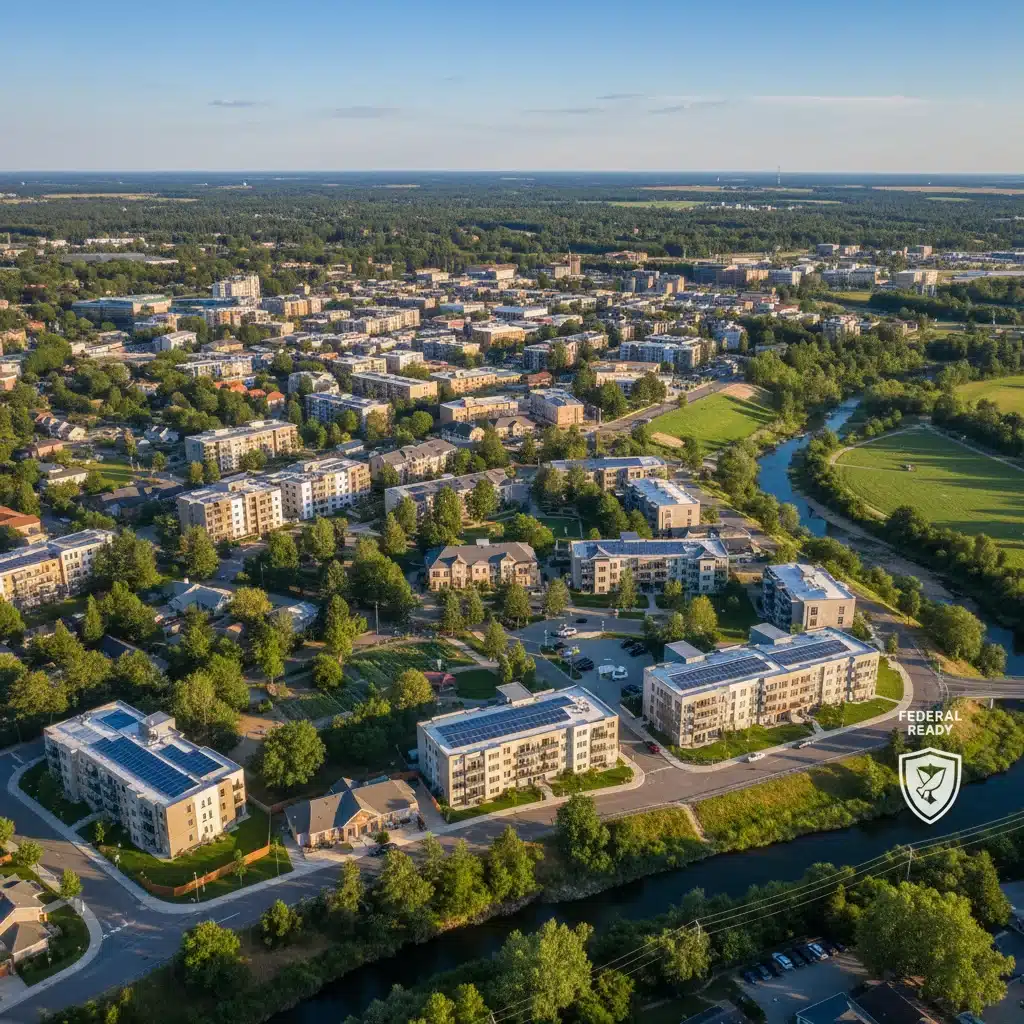
In an increasingly unpredictable world, the importance of robust federal disaster preparedness cannot be overstated. As we look towards 2026, the landscape of potential threats, from extreme weather events to cybersecurity breaches, continues to evolve. Recognizing this, the federal government has been diligently working on updating its strategies, guidelines, and resources to ensure communities across the nation are better equipped to face future challenges. This comprehensive guide will delve into the critical aspects of the new federal disaster preparedness framework for 2026, exploring the updated guidelines, innovative resources, and how communities can leverage these to build a more resilient future.
The Evolving Landscape of Disaster Preparedness
Disasters, whether natural or man-made, have a profound impact on lives, infrastructure, and economies. The past few years have served as stark reminders of the need for continuous improvement in our preparedness efforts. From devastating hurricanes and wildfires to unprecedented public health crises, each event offers valuable lessons that inform future strategies. The concept of federal disaster preparedness is not static; it is a dynamic field that requires constant adaptation to new threats and the integration of emerging technologies and best practices.
For 2026, the focus has shifted towards a more holistic and integrated approach. This includes not only preparing for immediate response but also emphasizing long-term recovery and mitigation efforts. The new guidelines aim to create a seamless continuum of preparedness activities, from pre-disaster planning to post-disaster rebuilding, all with the goal of fostering stronger, more resilient communities. This proactive stance is crucial for minimizing damage, saving lives, and ensuring a faster return to normalcy after a disaster strikes.
The updated framework for federal disaster preparedness also acknowledges the interconnectedness of various sectors. A disaster in one area can have ripple effects across supply chains, critical infrastructure, and even national security. Therefore, collaboration among federal, state, local, tribal, and territorial governments, as well as private sector entities and non-profit organizations, is a cornerstone of the new strategy. This multi-stakeholder approach ensures that resources are effectively coordinated and that all levels of society are engaged in preparedness efforts.
Key Updates in Federal Disaster Preparedness Guidelines for 2026
The 2026 guidelines for federal disaster preparedness introduce several significant updates designed to enhance national resilience. These updates are a result of extensive research, lessons learned from recent events, and consultations with experts across various fields. Understanding these changes is paramount for any community or organization involved in emergency management.
Enhanced Focus on Climate Resilience
One of the most prominent updates is the intensified focus on climate resilience. Recognizing the increasing frequency and intensity of climate-related disasters, the new guidelines integrate climate change projections into all aspects of planning. This means that communities are encouraged to assess their vulnerabilities to future climate impacts, such as sea-level rise, extreme heat, and prolonged droughts, and to develop mitigation strategies accordingly. Federal funding and resources will increasingly prioritize projects that demonstrate a commitment to building climate-resilient infrastructure and communities.
Integrated Cybersecurity Measures
With the growing reliance on digital infrastructure, cybersecurity has become an integral component of federal disaster preparedness. The 2026 guidelines emphasize the need for robust cybersecurity measures to protect critical systems before, during, and after a disaster. This includes protecting emergency communication networks, power grids, water treatment facilities, and healthcare systems from cyberattacks that could exacerbate the impact of a physical disaster. New protocols for information sharing and coordinated cyber response are also being implemented to bolster national security.
Community-Centric Approaches
The updated framework places a stronger emphasis on community-centric approaches. This involves empowering local communities to take a more active role in their own preparedness efforts. Federal agencies are providing more resources for community-led initiatives, including training programs, grant opportunities, and technical assistance. The idea is that local knowledge and grassroots efforts are essential for tailoring preparedness plans to the unique needs and vulnerabilities of each community. This also includes a renewed focus on engaging vulnerable populations and ensuring equitable access to preparedness resources.
Technological Advancements and Data Integration
Leveraging technological advancements is another cornerstone of the 2026 guidelines. This includes the use of artificial intelligence for predictive modeling of disaster impacts, advanced sensing technologies for early warning systems, and sophisticated data analytics for real-time situational awareness. The goal is to improve decision-making processes, optimize resource allocation, and enhance the speed and effectiveness of response operations. Data integration across various platforms and agencies is also being prioritized to create a more comprehensive picture of disaster situations.
Supply Chain Resilience
The vulnerabilities exposed during recent global events have highlighted the critical need for resilient supply chains. The new federal disaster preparedness guidelines address this by promoting strategies to diversify supply sources, build strategic reserves of essential goods, and develop alternative transportation routes. The federal government is working with the private sector to identify critical supply chain dependencies and implement measures to prevent disruptions during crises. This ensures that essential resources, from medical supplies to food, can reach affected areas without significant delays.
New Resources for Communities and Stakeholders
To support the implementation of these new guidelines, the federal government is rolling out a suite of new resources designed to assist communities, organizations, and individuals in their preparedness efforts. These resources are multifaceted, addressing various aspects of disaster readiness, from planning and training to funding and technological support.
Enhanced Grant Programs
Several federal agencies are expanding their grant programs to provide more funding for preparedness and mitigation projects. These grants are specifically tailored to encourage the adoption of the new guidelines, with a focus on climate resilience, cybersecurity, and community engagement. Communities are encouraged to explore opportunities from FEMA, HUD, EPA, and other relevant agencies. Detailed application processes and eligibility criteria are being streamlined to make these funds more accessible to a wider range of applicants, including small municipalities and non-profit organizations.
Comprehensive Training and Education Platforms
New online platforms and in-person training programs are being developed to educate stakeholders on the updated federal disaster preparedness strategies. These resources cover a wide range of topics, including emergency planning, risk assessment, disaster response protocols, and long-term recovery strategies. Specialized training modules are also available for specific sectors, such as healthcare, education, and critical infrastructure. The aim is to build a knowledgeable and skilled workforce capable of effectively managing all phases of a disaster.
Technical Assistance and Expert Support
Federal agencies are increasing their provision of technical assistance and expert support to communities. This includes on-site consultations, workshops, and access to a network of specialists in fields such as engineering, environmental science, and public health. This support is invaluable for communities that may lack the internal expertise or resources to develop complex preparedness plans. The goal is to provide tailored guidance that addresses the specific challenges and opportunities of each locality, ensuring that preparedness efforts are both effective and sustainable.
Public Awareness Campaigns
Recognizing that individual and household preparedness is foundational to national resilience, new public awareness campaigns are being launched. These campaigns utilize various media channels to disseminate critical information on how individuals can prepare for different types of disasters, build emergency kits, develop family communication plans, and stay informed during emergencies. The messaging emphasizes actionable steps and encourages a culture of preparedness throughout society. These campaigns often leverage social media and community events to reach a broad and diverse audience.
Digital Tools and Platforms
A suite of new digital tools and platforms is being introduced to aid in preparedness and response. These include interactive risk assessment maps, real-time alert systems, resource tracking applications, and collaborative planning portals. These tools are designed to be user-friendly and accessible, enabling communities to better understand their risks, coordinate their efforts, and communicate effectively during a crisis. The integration of these tools aims to create a more interconnected and responsive emergency management ecosystem.
Strategies for Enhancing Community Resilience
Building community resilience is at the heart of the new federal disaster preparedness framework. Resilience goes beyond simply responding to a disaster; it encompasses the ability of a community to withstand, adapt to, and recover quickly from disruptive events. Here are some key strategies that communities can adopt to enhance their resilience:
Develop Comprehensive Local Emergency Plans
Every community should have a comprehensive emergency plan that aligns with federal guidelines. This plan should identify potential hazards, assess vulnerabilities, outline response protocols, and establish clear roles and responsibilities for various stakeholders. Regular drills and exercises are essential to test the plan’s effectiveness and identify areas for improvement. These plans should be living documents, regularly reviewed and updated to reflect changing conditions and lessons learned.
Invest in Resilient Infrastructure
Investing in resilient infrastructure is a proactive step towards mitigating disaster impacts. This includes building codes that account for future climate risks, upgrading critical facilities to withstand extreme weather, and developing redundant systems for essential services like power and water. Nature-based solutions, such as restoring wetlands and planting urban forests, can also play a significant role in protecting communities from floods and heatwaves.
Strengthen Communication Networks
Effective communication is vital during a disaster. Communities should invest in robust and diverse communication networks that can withstand disruptions. This includes traditional methods like sirens and radio, as well as modern technologies such as emergency alert systems, social media, and satellite communication. Establishing clear communication protocols for disseminating information to the public and coordinating with emergency responders is crucial.
Foster Community Engagement and Education
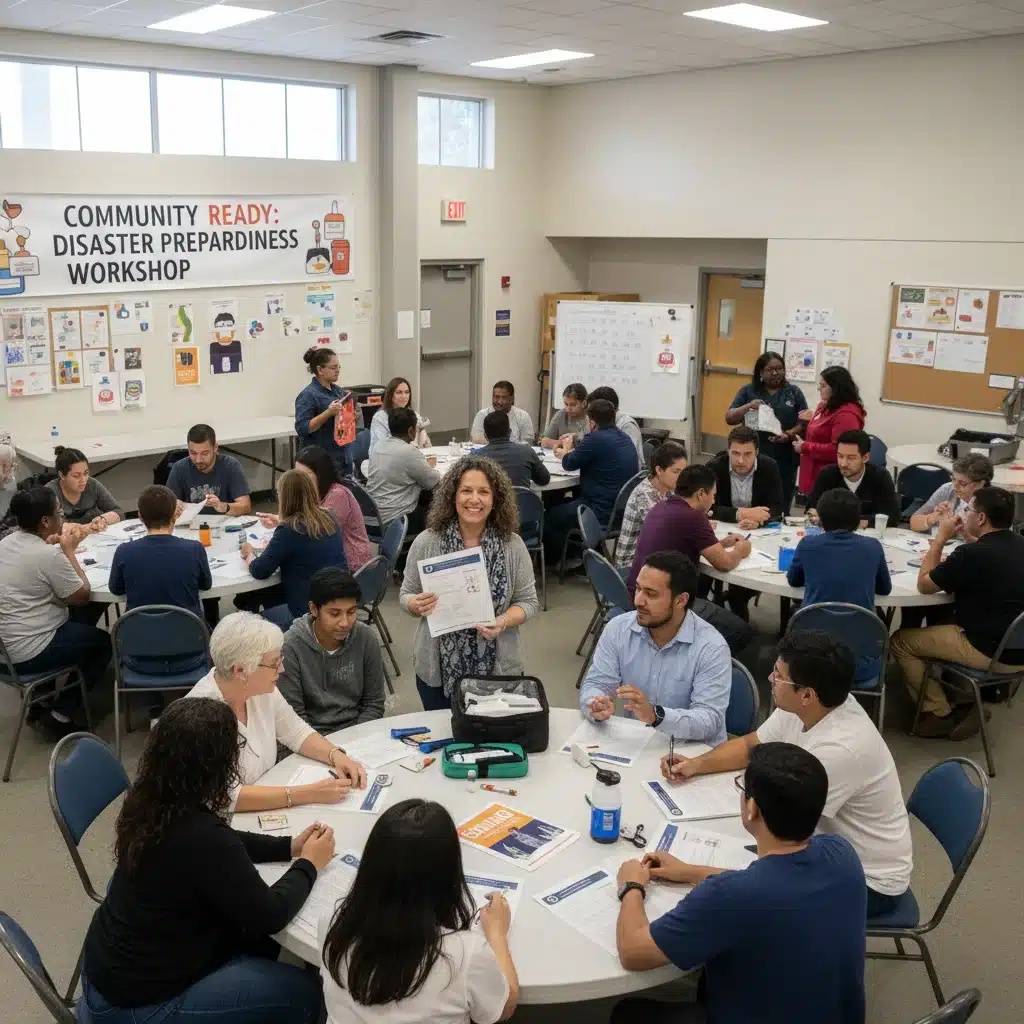
Engaging residents in preparedness efforts is paramount. This involves organizing community workshops, establishing volunteer networks, and promoting individual and household preparedness. Educating the public about potential risks, evacuation routes, and emergency procedures empowers individuals to take responsibility for their safety and contributes to a more resilient community overall. Programs like CERT (Community Emergency Response Team) can be highly effective in building local capacity.
Promote Economic Diversification and Business Continuity
A resilient community also has a resilient economy. Encouraging economic diversification can help communities recover faster from economic shocks caused by disasters. Furthermore, supporting local businesses in developing continuity plans ensures that essential services and employment opportunities can be restored quickly after an event. Federal resources are available to help businesses develop these plans and access recovery funding.
Address Social Vulnerabilities
Disasters often disproportionately affect vulnerable populations. Effective federal disaster preparedness strategies must address social vulnerabilities by ensuring that preparedness resources and information are accessible to everyone, including the elderly, people with disabilities, low-income communities, and non-English speakers. This involves culturally competent outreach, accessible warning systems, and tailored support services to meet diverse needs.
The Role of Technology in Federal Disaster Preparedness 2026
Technology is set to play an even more transformative role in federal disaster preparedness for 2026. Innovations are not only improving our ability to predict and respond to disasters but also enhancing our capacity for long-term resilience building. The integration of advanced technologies across various phases of disaster management is creating a more intelligent and adaptive system.
Artificial Intelligence and Machine Learning
AI and machine learning are being utilized to analyze vast datasets, predict disaster trajectories, and identify areas of highest risk. This predictive analytics can help emergency managers allocate resources more effectively, issue targeted warnings, and pre-position aid before a disaster strikes. AI-powered tools can also assist in damage assessment, streamlining the recovery process by quickly identifying affected areas and infrastructure.
Geographic Information Systems (GIS)
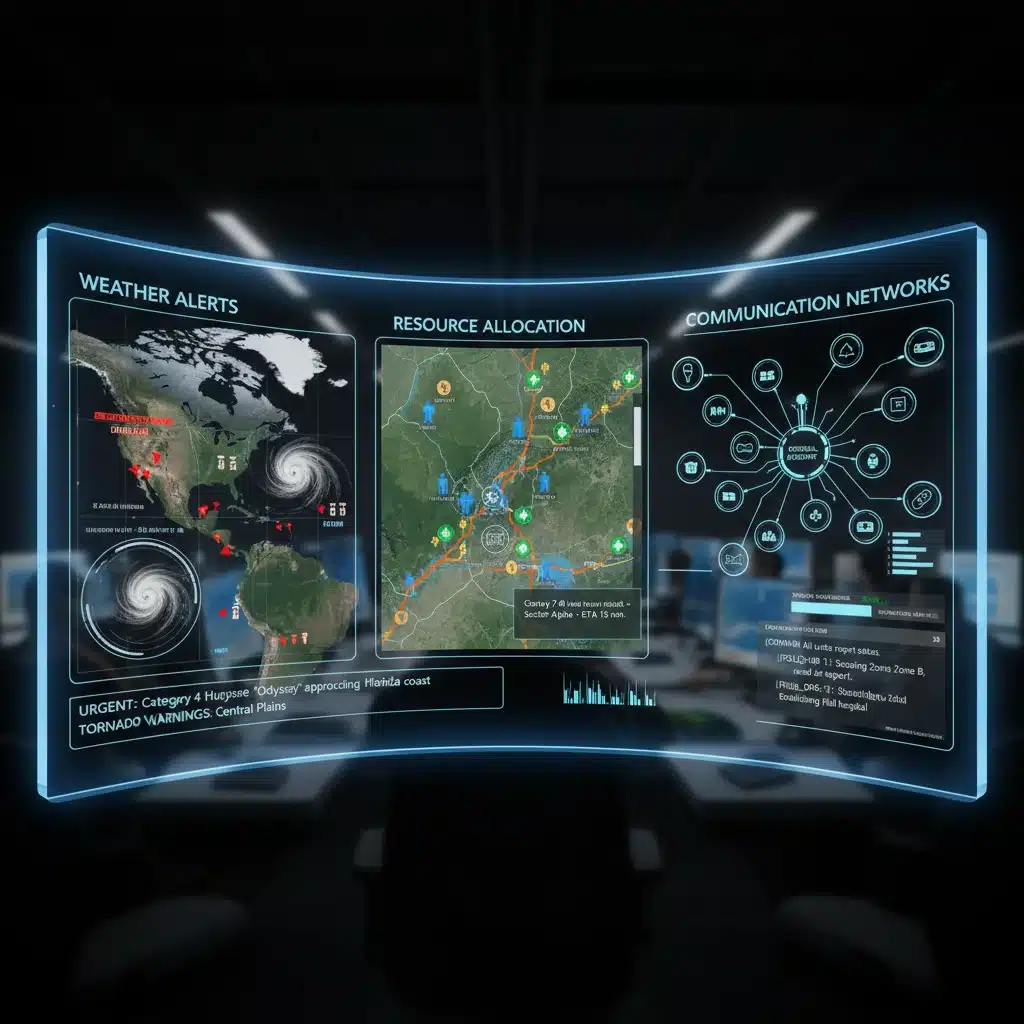
GIS technology is indispensable for mapping hazards, vulnerabilities, and resources. The 2026 guidelines emphasize the use of advanced GIS platforms for real-time situational awareness, allowing responders to visualize critical information, track assets, and coordinate operations more efficiently. GIS can also be used for long-term planning, helping communities identify safe zones, evacuation routes, and suitable locations for new resilient infrastructure.
Internet of Things (IoT) and Sensor Networks
The proliferation of IoT devices and sensor networks provides real-time data on environmental conditions, infrastructure integrity, and public safety. These sensors can detect early signs of floods, wildfires, or structural damage, enabling timely interventions. For example, smart sensors in bridges can alert authorities to potential structural weaknesses, while connected weather stations can provide hyper-local climate data for more precise warnings.
Drone Technology
Drones are becoming increasingly valuable for disaster reconnaissance, damage assessment, and delivering essential supplies to inaccessible areas. Their ability to quickly survey large areas and provide high-resolution imagery significantly enhances situational awareness for emergency responders. Drones equipped with thermal imaging can also assist in search and rescue operations, locating individuals in challenging environments.
Advanced Communication Systems
Beyond traditional communication, federal preparedness is investing in resilient and redundant communication systems. This includes satellite communication, mesh networks, and deployable cellular towers that can maintain connectivity even when ground-based infrastructure is compromised. These systems are crucial for coordinating response efforts and ensuring that affected populations can communicate with loved ones and access vital information.
Challenges and Future Outlook for Federal Disaster Preparedness
While significant strides are being made in federal disaster preparedness, several challenges remain. The dynamic nature of threats, resource constraints, and the need for continuous public engagement are ongoing hurdles. However, the outlook for 2026 and beyond is one of continued innovation and collaboration.
Overcoming Resource Constraints
Funding and staffing limitations can hinder preparedness efforts at all levels. The federal government is working to optimize resource allocation and encourage public-private partnerships to bridge these gaps. Innovative funding mechanisms and incentive programs are also being explored to stimulate investment in resilience projects.
Ensuring Equity and Inclusion
A persistent challenge is ensuring that preparedness efforts are equitable and inclusive. Disasters often exacerbate existing inequalities, and it is crucial to ensure that all communities, especially those that are historically marginalized or underserved, have equal access to resources and support. The 2026 guidelines emphasize targeted outreach and culturally sensitive approaches to address these disparities.
Adapting to Emerging Threats
The threat landscape is constantly evolving, with new risks emerging from climate change, technological advancements, and geopolitical shifts. Federal disaster preparedness must remain agile and adaptable, continuously monitoring for new threats and updating strategies accordingly. This requires ongoing research, intelligence gathering, and flexible planning frameworks.
Fostering a Culture of Preparedness
Ultimately, the effectiveness of any preparedness framework relies on a strong culture of preparedness at all levels of society. This involves sustained public awareness campaigns, educational initiatives, and community engagement to instill a sense of shared responsibility. When individuals, families, businesses, and communities are all actively involved in preparedness, the nation as a whole becomes more resilient.
Looking ahead, the commitment to federal disaster preparedness in 2026 signals a robust and forward-thinking approach to national security and community well-being. By embracing new guidelines, leveraging innovative resources, and fostering strong partnerships, communities can significantly enhance their ability to withstand and recover from future disasters, paving the way for a safer and more resilient future for all.
Conclusion
The year 2026 marks a pivotal moment in the evolution of federal disaster preparedness. With updated guidelines that prioritize climate resilience, cybersecurity, and community-centric approaches, coupled with a wealth of new resources, the nation is better positioned to face the complexities of future disasters. The emphasis on technological integration, from AI-powered predictive analytics to advanced communication systems, promises more effective and efficient response and recovery operations. However, the success of these initiatives ultimately hinges on the active participation of every community and individual. By understanding these new frameworks, utilizing available resources, and fostering a collective culture of preparedness, we can build a more resilient future, capable of navigating any challenge that comes our way. The journey towards comprehensive preparedness is ongoing, but with these new federal directives, the path forward is clearer and more robust than ever before.