Cybersecurity Threat Alert: Federal Agencies Warn of 25% Increase in Attacks by Mid-2026, How to Stay Safe
In an increasingly interconnected world, the digital landscape is constantly evolving, bringing with it both unprecedented opportunities and sophisticated risks. Federal agencies have recently issued a critical cybersecurity threat alert, forecasting a significant 25% increase in cyberattacks by mid-2026. This alarming prediction underscores the urgent need for individuals, businesses, and government entities alike to re-evaluate and strengthen their digital defenses. This comprehensive guide will delve into the details of this warning, explore the types of threats we can expect, and provide actionable strategies to safeguard your digital assets and ensure your safety in the face of this escalating cyber warfare.
The digital realm is no longer just a convenience; it’s an integral part of our daily lives, influencing everything from personal communication to global economies. As our reliance on digital infrastructure grows, so too does the attack surface for malicious actors. The federal government’s pronouncement is not merely a cautionary tale but a call to arms, urging proactive measures against a looming wave of cyber threats. Understanding the gravity of this cybersecurity threat alert is the first step towards building resilient cyber defenses.
The Escalating Threat Landscape: Why the 25% Increase?
The projection of a 25% increase in cyberattacks is not arbitrary. It’s based on a confluence of factors that are creating a perfect storm for cybercriminals. One of the primary drivers is the rapid advancement of technology itself. Artificial intelligence (AI) and machine learning (ML), while beneficial for defense, are also being weaponized by attackers to create more sophisticated phishing campaigns, automate malware generation, and enhance reconnaissance efforts. This means attacks are becoming harder to detect and more potent in their impact.
Another significant factor is the geopolitical climate. State-sponsored hacking groups are increasingly active, targeting critical infrastructure, government networks, and intellectual property. These groups often possess vast resources and advanced capabilities, making their attacks particularly devastating. Furthermore, the rise of ransomware-as-a-service (RaaS) models has lowered the barrier to entry for aspiring cybercriminals, enabling individuals with limited technical skills to launch highly disruptive attacks. The monetization of data on the dark web also fuels this illicit economy, creating a strong incentive for data breaches.
The COVID-19 pandemic also played a role in accelerating this trend. The sudden shift to remote work expanded corporate attack surfaces dramatically, often without adequate security measures in place. Many organizations are still grappling with securing distributed workforces, leaving vulnerabilities open for exploitation. Supply chain attacks, where attackers compromise a trusted vendor to gain access to their clients, are also becoming more prevalent and difficult to defend against, as seen in high-profile incidents like the SolarWinds attack. These interconnected factors contribute to the grim outlook presented by the cybersecurity threat alert.
Understanding the Types of Cyberattacks on the Rise
To effectively combat the predicted surge, it’s crucial to understand the nature of the threats. Federal agencies highlight several key areas of concern:
- Ransomware: This remains a top threat, with attackers encrypting data and demanding payment for its release. The sophistication of ransomware operations, including double extortion (exfiltrating data before encryption to pressure victims further), is growing.
- Phishing and Social Engineering: These attacks, often the initial entry point for more complex breaches, are becoming increasingly personalized and convincing, leveraging AI to craft highly believable communications.
- Supply Chain Attacks: As mentioned, compromising a single vendor can provide access to numerous downstream organizations, making these attacks highly impactful.
- Zero-Day Exploits: These are attacks that exploit vulnerabilities in software or hardware that are unknown to the vendor, making them extremely difficult to defend against until a patch is released.
- IoT Vulnerabilities: The proliferation of Internet of Things (IoT) devices, often with weak security, creates a vast network of potential entry points for attackers.
- Cloud Security Breaches: Misconfigurations and inadequate access controls in cloud environments continue to be a significant source of data breaches.
Each of these threat vectors requires a specific set of defensive strategies, and a holistic approach is essential to address the comprehensive nature of the cybersecurity threat alert.
Proactive Measures: How to Stay Safe and Mitigate Risks
The federal government’s cybersecurity threat alert is a stark reminder that complacency is not an option. Both individuals and organizations must adopt a proactive stance to protect their digital lives. Here are key strategies to consider:
For Individuals: Strengthening Personal Cyber Hygiene
Your personal cybersecurity is the first line of defense. Simple, consistent practices can significantly reduce your risk:
- Strong, Unique Passwords and Multi-Factor Authentication (MFA: This is non-negotiable. Use a password manager to generate and store complex, unique passwords for every account. Enable MFA wherever possible, especially for email, banking, and social media.
- Be Wary of Phishing: Always scrutinize emails, text messages, and unsolicited calls. Look for inconsistencies, grammatical errors, and suspicious links. Never click on links or download attachments from unknown senders.
- Software Updates: Keep your operating systems, web browsers, and all applications updated. Updates often include critical security patches that fix known vulnerabilities.
- Backup Your Data: Regularly back up important files to an external hard drive or a reputable cloud service. This can be a lifesaver in the event of a ransomware attack or data loss.
- Secure Your Home Network: Change the default password on your Wi-Fi router. Use a strong, unique password and consider enabling WPA3 encryption if your router supports it.
- Educate Yourself: Stay informed about the latest cyber threats and scams. Knowledge is your best defense against the evolving cybersecurity threat alert.
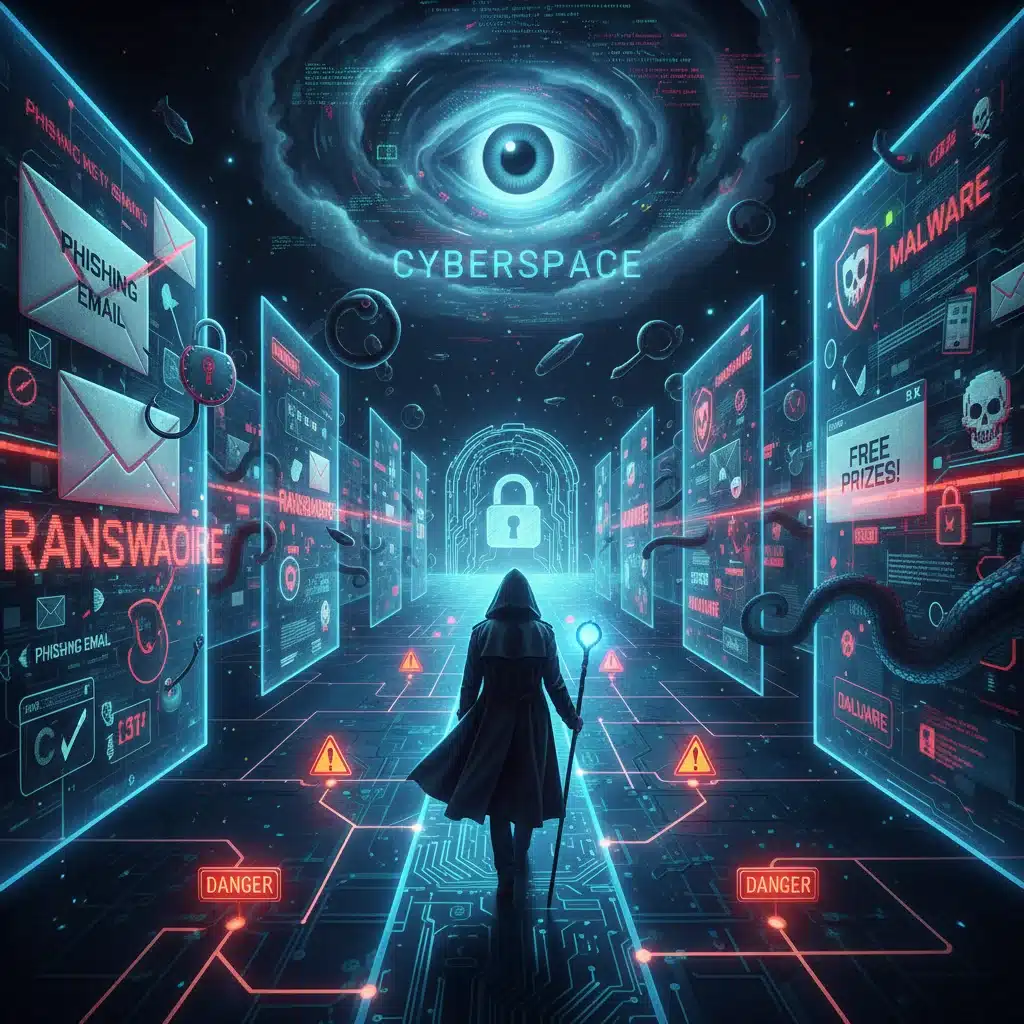
For Organizations: Building a Resilient Cyber Defense Framework
For businesses and organizations, the stakes are even higher. A data breach can lead to significant financial losses, reputational damage, and legal repercussions. Addressing the cybersecurity threat alert requires a multi-faceted approach:
1. Comprehensive Risk Assessment and Management
Begin by understanding your assets, vulnerabilities, and the potential impact of a breach. Conduct regular risk assessments to identify weaknesses in your infrastructure, applications, and processes. Develop a robust risk management plan that prioritizes threats and allocates resources effectively.
2. Implement a Zero Trust Architecture
Traditional perimeter-based security is no longer sufficient. Adopt a Zero Trust model, which operates on the principle of “never trust, always verify.” This means authenticating and authorizing every user and device, regardless of whether they are inside or outside the network perimeter. This approach significantly hardens your defenses against internal and external threats, a critical response to the cybersecurity threat alert.
3. Robust Endpoint Detection and Response (EDR)
Deploy advanced EDR solutions to monitor endpoints (laptops, servers, mobile devices) for suspicious activity. EDR can detect, investigate, and respond to threats in real-time, often before they can cause significant damage. This is crucial for identifying novel attack vectors that bypass traditional antivirus software.
4. Employee Training and Awareness Programs
Your employees are often the weakest link in your security chain. Implement continuous cybersecurity education awareness training that covers phishing detection, social engineering tactics, password hygiene, and incident reporting procedures. Regular simulated phishing exercises can help reinforce these lessons and identify employees who need further training. A well-informed workforce is your strongest asset against the cybersecurity threat alert.
5. Incident Response Plan
Despite best efforts, breaches can occur. A well-defined and regularly tested incident response plan is essential. This plan should outline clear steps for identifying, containing, eradicating, recovering from, and learning from a cyberattack. Knowing how to respond quickly and effectively can minimize damage and accelerate recovery.
6. Data Encryption and Access Controls
Encrypt sensitive data both in transit and at rest. Implement strict access controls based on the principle of least privilege, ensuring that employees only have access to the information and systems necessary for their job functions. Regularly review and update access permissions.
7. Vendor and Supply Chain Security
Vet your third-party vendors and suppliers thoroughly. Ensure they adhere to your security standards and have robust cybersecurity measures in place. Incorporate security clauses into contracts and conduct regular audits of their security posture. Supply chain attacks are a growing concern within the broader cybersecurity threat alert.
8. Regular Backups and Disaster Recovery
Implement a comprehensive backup strategy with offsite and offline copies of critical data. Develop a disaster recovery plan that ensures business continuity in the event of a major cyber incident or system failure. Test these plans regularly to ensure their effectiveness.
9. Network Segmentation
Segment your network to isolate critical systems and sensitive data. This can help prevent attackers from moving laterally across your network if they manage to breach one segment. Micro-segmentation can provide even finer-grained control and enhance security posture.
10. Threat Intelligence and Collaboration
Stay updated on the latest threat intelligence from federal agencies, industry groups, and cybersecurity vendors. Participate in information-sharing forums to learn from others’ experiences and contribute to collective defense efforts. Collaboration is key in combating the pervasive nature of the cybersecurity threat alert.
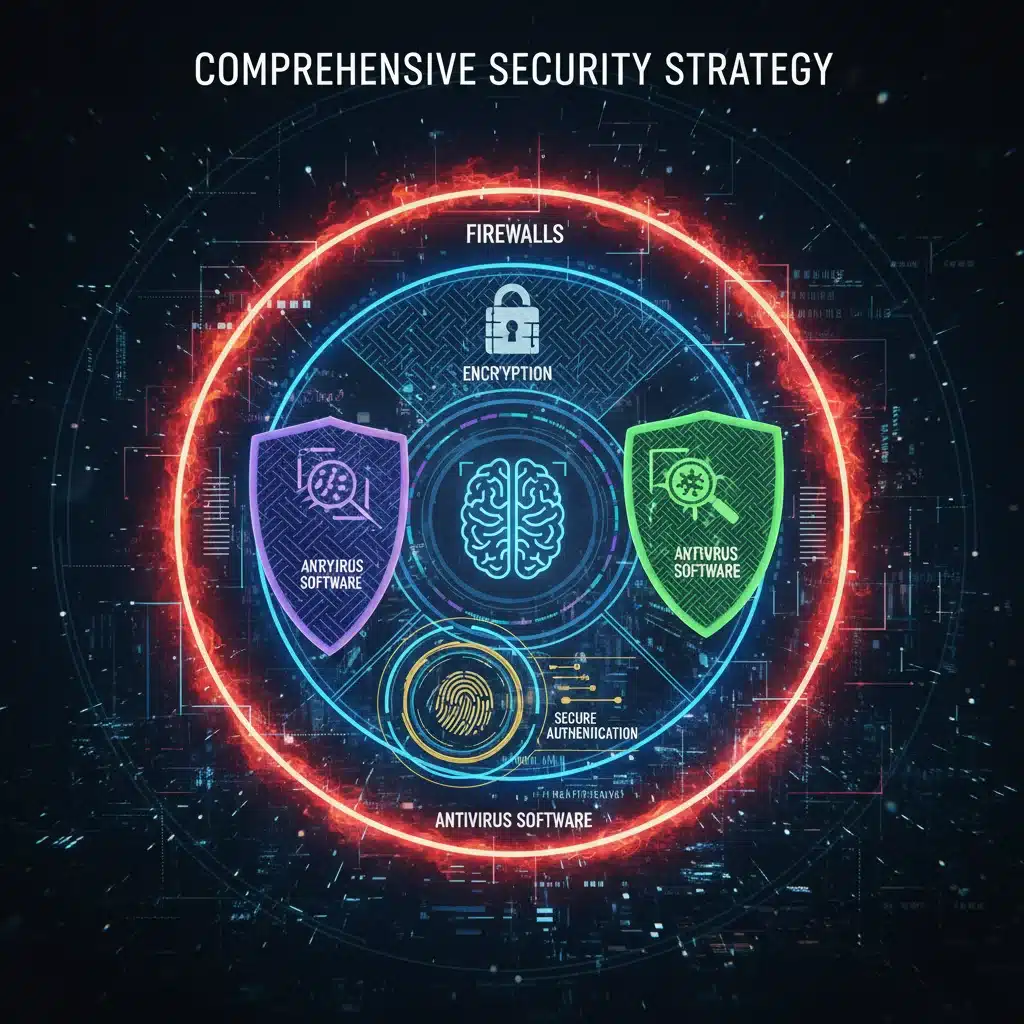
The Role of Federal Agencies and Government Initiatives
Federal agencies are not just issuing warnings; they are actively working to enhance national cybersecurity. The cybersecurity threat alert comes alongside increased investment in cybersecurity infrastructure, research, and development. Government initiatives aim to:
- Improve Information Sharing: Facilitate better threat intelligence sharing between government and private sectors.
- Strengthen Critical Infrastructure Protection: Develop and implement robust security standards for essential services like energy, water, and healthcare.
- Foster Public-Private Partnerships: Collaborate with cybersecurity firms and industry leaders to develop innovative defense strategies.
- Develop Workforce Development Programs: Address the cybersecurity talent gap through education and training initiatives.
- Enforce Regulations: Implement and enforce regulations that mandate stronger cybersecurity practices for organizations handling sensitive data.
These efforts are crucial in creating a more resilient national cyber ecosystem capable of withstanding the predicted increase in attacks. The federal government’s proactive stance is a testament to the severity of the cybersecurity threat alert.
The Future of Cybersecurity: Adapting to Evolving Threats
The 25% increase in cyberattacks by mid-2026 is not an end-point but a milestone in an ongoing battle. The future of cybersecurity will be characterized by continuous adaptation and innovation. Here are some trends and considerations:
- AI-Powered Security: While AI aids attackers, it’s also a powerful tool for defense. AI-driven security solutions will become more prevalent, offering advanced threat detection, automated response, and predictive analytics.
- Quantum Computing Threats: The advent of quantum computing poses a long-term threat to current encryption standards. Research into post-quantum cryptography is vital to prepare for this future challenge.
- Human Element Focus: Recognizing that humans are often the weakest link, more emphasis will be placed on behavioral analytics, psychological profiling to detect insider threats, and highly engaging security awareness training.
- Resilience Engineering: Beyond prevention, organizations will focus on building systems that are resilient to attacks, capable of quickly recovering and operating even when partially compromised.
- Global Collaboration: Cyber threats transcend national borders, necessitating stronger international cooperation in law enforcement, intelligence sharing, and policy development.
Staying ahead of the curve requires a commitment to continuous learning, investment in cutting-edge technologies, and a culture of security at all levels. The cybersecurity threat alert serves as a powerful catalyst for this necessary evolution.
Conclusion: A Collective Responsibility to Combat the Cybersecurity Threat Alert
The federal agencies’ cybersecurity threat alert predicting a 25% increase in attacks by mid-2026 is a serious warning that demands immediate attention. It highlights the growing sophistication of cyber adversaries and the expanding attack surface in our digital world. While the statistics may seem daunting, they also serve as a powerful motivator for action. By understanding the evolving threat landscape, adopting robust security measures, fostering a culture of cybersecurity awareness, and embracing collaborative defense strategies, we can collectively mitigate the risks and safeguard our digital lives.
For individuals, this means practicing diligent cyber hygiene and staying informed. For organizations, it entails comprehensive security frameworks, continuous employee training, and resilient incident response plans. The battle against cybercrime is ongoing, but with vigilance, preparation, and proactive measures, we can build a more secure digital future for everyone. Let this cybersecurity threat alert be a call to strengthen our collective resolve and fortify our digital defenses against the challenges that lie ahead.