US Infrastructure Bill: $1.2 Trillion Impact on Daily Life by 2027

The United States is on the precipice of a monumental transformation, thanks to the bipartisan Infrastructure Investment and Jobs Act (IIJA), often simply referred to as the US Infrastructure Bill. This landmark legislation, signed into law in November 2021, allocates an unprecedented $1.2 trillion towards revitalizing and modernizing America’s foundational systems. But what does this mean for the average American? How will this massive investment translate into tangible changes in our daily lives by 2027? This comprehensive article will explore the far-reaching infrastructure bill impact, detailing the specific areas of investment and the expected outcomes that will shape the future of the nation.
For decades, America’s infrastructure has been a subject of concern, with aging roads, crumbling bridges, outdated public transit, and inconsistent internet access hindering economic growth and quality of life. The IIJA aims to address these critical deficiencies head-on, promising a new era of robust, resilient, and sustainable infrastructure. From the morning commute to accessing essential services and even the air we breathe, the impact of this bill is designed to be pervasive and profoundly positive.
Understanding the Scope of the US Infrastructure Bill
Before delving into the specifics of how the infrastructure bill impact will be felt, it’s crucial to understand the vast scope of this legislation. The $1.2 trillion package is not a single, monolithic project but rather a sprawling collection of investments across various sectors. Approximately $550 billion of this funding represents new federal spending over five years, with the remainder coming from reauthorized programs and other funding mechanisms. The primary beneficiaries of this funding include:
- Transportation: Roads, bridges, public transit, rail, ports, and airports.
- Broadband Internet: Expanding access to high-speed internet, especially in rural and underserved areas.
- Water Infrastructure: Upgrading aging water pipes, lead service line replacement, and wastewater treatment.
- Power Grid and Clean Energy: Modernizing the electric grid, promoting renewable energy, and enhancing energy efficiency.
- Resilience: Protecting infrastructure from cyberattacks and the impacts of climate change, such as extreme weather events.
- Environmental Remediation: Cleaning up Superfund and brownfield sites.
Each of these areas represents a critical pillar of modern society, and improvements in one often have ripple effects across others. The goal is not just to repair what’s broken but to build for the future, ensuring America’s competitiveness and improving the daily experiences of its citizens. The infrastructure bill impact is designed to be a long-term investment, with benefits unfolding over many years, but significant changes are expected to be noticeable by 2027.
Revitalizing Transportation: Smoother Commutes and Safer Journeys
Perhaps the most immediate and visible infrastructure bill impact will be on transportation. The bill allocates substantial funds to repair and rebuild America’s roads and bridges, many of which are in disrepair. The American Society of Civil Engineers (ASCE) has consistently given the nation’s infrastructure low grades, particularly for roads and bridges. This bill aims to change that narrative.
Roads and Bridges: A Foundation for Progress
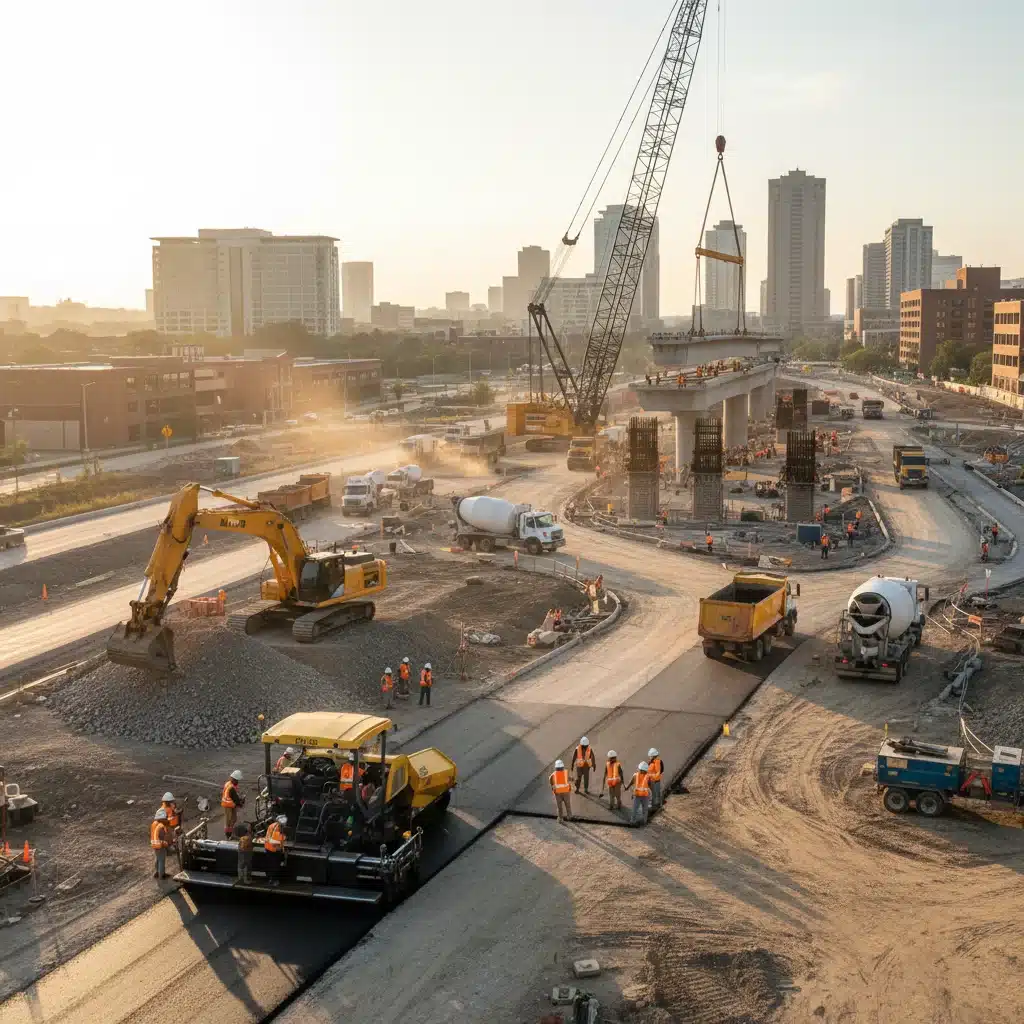
Billions of dollars are earmarked for highway programs and bridge repair. This means fewer potholes, smoother surfaces, and safer structures. For commuters, this translates to reduced wear and tear on vehicles, potentially lower maintenance costs, and, most importantly, less time spent stuck in traffic due to construction or deteriorating road conditions. By 2027, many critical routes are expected to see significant upgrades, leading to more efficient travel and a reduction in accident rates.
Consider the daily frustration of navigating a heavily potholed road or facing lengthy detours due to a structurally deficient bridge. The infrastructure bill impact here is direct: an improved driving experience. Freight transportation will also benefit immensely, allowing goods to move more efficiently across the country, which can help stabilize supply chains and potentially reduce consumer costs.
Public Transit and Rail: Connecting Communities
Beyond personal vehicles, the bill makes historic investments in public transit and passenger rail. Many urban areas suffer from overcrowded and aging public transportation systems. The IIJA will fund improvements to bus and subway lines, including fleet modernization, station upgrades, and expansion projects. This investment seeks to provide more reliable, accessible, and environmentally friendly transportation options, reducing reliance on cars and alleviating traffic congestion.
For rail, Amtrak is set to receive significant funding to address its maintenance backlog and expand service. This could mean more frequent trains, new routes, and improved passenger experience, offering a viable alternative to short-haul flights and long drives. The infrastructure bill impact on public transit is about fostering more connected communities, reducing carbon emissions, and offering equitable access to jobs, education, and healthcare.
Airports and Ports: Gateways to the World
Airports and ports, vital for both domestic and international commerce and travel, are also receiving significant attention. Funding will go towards modernizing airport terminals, improving air traffic control facilities, and enhancing port infrastructure to handle larger cargo volumes more efficiently. These upgrades will not only improve the traveler experience but also bolster America’s position in global trade. The infrastructure bill impact on these gateways will lead to faster processing of goods, reduced shipping delays, and a more competitive economy.
Bridging the Digital Divide: Universal Broadband Access
In the 21st century, internet access is no longer a luxury but a necessity. Yet, millions of Americans, particularly in rural and low-income areas, lack access to reliable, high-speed broadband. The US Infrastructure Bill makes an unprecedented investment to ensure every American has access to affordable and reliable internet.
Connecting Every Household
The bill allocates tens of billions of dollars to expand broadband infrastructure, focusing on areas where it’s currently unavailable or prohibitively expensive. This means laying new fiber optic cables, improving wireless networks, and offering subsidies to make internet services more affordable. By 2027, the goal is to significantly close the digital divide, bringing educational, economic, and healthcare opportunities to previously underserved populations.
The infrastructure bill impact here is transformative. Imagine a student in a rural community who can now participate in online learning without constant buffering, or a small business owner who can reach a global market through e-commerce. Telemedicine will become more viable, allowing individuals in remote areas to access specialized medical care. This investment is not just about connectivity; it’s about equitable access to opportunity and information.
Economic and Social Benefits
Beyond individual benefits, universal broadband access has profound economic and social implications. It fosters innovation, creates jobs in the technology sector, and allows communities to thrive in the digital age. The ability to work remotely, access government services, and stay connected with loved ones will become a reality for many who have been left behind. The infrastructure bill impact on digital equity will be one of its most enduring legacies.
Safeguarding Our Water: Clean and Reliable Systems
Clean, safe drinking water is a fundamental human right, yet many communities across the U.S. grapple with aging water infrastructure, lead pipes, and contaminated water sources. The IIJA addresses these critical issues with substantial funding.
Replacing Lead Pipes: A Health Imperative
One of the most significant allocations is dedicated to replacing lead service lines, a major public health concern. Lead contamination in drinking water can cause severe developmental and health problems, especially in children. The infrastructure bill impact on this front is a direct investment in public health, aiming to remove all lead pipes nationwide. This will provide peace of mind for millions of families and prevent future health crises.
Modernizing Water and Wastewater Treatment
Beyond lead pipes, funding will go towards upgrading outdated water and wastewater treatment plants, improving water quality, and increasing efficiency. Many systems are decades old and struggle to meet modern environmental standards. These investments will ensure that communities have access to clean, reliable water supplies and that wastewater is treated effectively, protecting natural ecosystems. The infrastructure bill impact on water quality will be felt in every sip and every flush, contributing to a healthier environment and stronger communities.
Powering the Future: Grid Modernization and Clean Energy
The nation’s electric grid is a complex, interconnected system that is increasingly vulnerable to cyberattacks and extreme weather events. The US Infrastructure Bill makes significant strides in modernizing this critical infrastructure and accelerating the transition to clean energy.
A Resilient and Smart Grid
Funding is allocated to upgrade the electric grid, making it more resilient to outages and capable of integrating more renewable energy sources. This includes investments in smart grid technologies, which can detect and respond to disruptions more quickly, and long-distance transmission lines to carry clean energy from where it’s generated to where it’s needed. The infrastructure bill impact on energy reliability means fewer power outages, especially during severe weather, and a more stable energy supply.
Investing in Clean Energy and Energy Efficiency
The bill also supports the development of clean energy technologies, such as carbon capture, hydrogen, and advanced nuclear power. It promotes energy efficiency programs, helping homes and businesses reduce their energy consumption and lower utility bills. These investments are crucial for combating climate change and creating a sustainable energy future. The infrastructure bill impact here is twofold: enhancing energy security and fostering environmental stewardship.

Building Resilience and Environmental Stewardship
Beyond the core infrastructure components, the IIJA also focuses on building resilience against future threats and addressing long-standing environmental challenges.
Climate Resilience and Cybersecurity
With the increasing frequency and intensity of extreme weather events, infrastructure must be built to withstand the impacts of climate change. The bill includes funding for projects that improve coastal resilience, mitigate wildfire risks, and protect communities from flooding. Furthermore, it addresses the growing threat of cyberattacks on critical infrastructure, investing in cybersecurity measures to safeguard our essential systems. The infrastructure bill impact on resilience is about protecting our investments and ensuring the long-term functionality of our infrastructure in an unpredictable world.
Cleaning Up Our Environment
The bill provides substantial funding for environmental remediation, specifically targeting Superfund and brownfield sites. These are areas contaminated by hazardous waste, posing risks to human health and the environment. Cleaning up these sites not only removes dangerous pollutants but also opens up opportunities for redevelopment and economic revitalization in affected communities. The infrastructure bill impact on environmental cleanup is a testament to the commitment to a healthier, safer America.
Economic Ripple Effects: Jobs and Growth
Beyond the direct improvements to physical infrastructure, the US Infrastructure Bill is expected to generate significant economic benefits. The sheer scale of the projects will create millions of good-paying jobs across various sectors, from construction and engineering to manufacturing and technology. This job creation will provide a substantial boost to local economies, particularly in areas that have experienced economic stagnation.
The improved efficiency of transportation networks, the expansion of broadband, and the modernization of the energy grid will all contribute to increased productivity and competitiveness for American businesses. Reduced transit times, lower energy costs, and better access to digital resources will allow companies to operate more efficiently, innovate more rapidly, and expand their reach. This positive feedback loop means that the initial investment will continue to yield dividends in the form of sustained economic growth and a higher standard of living.
The infrastructure bill impact on the economy is not just about temporary construction jobs; it’s about laying the groundwork for long-term economic prosperity and resilience. It’s an investment in the nation’s future, designed to ensure that America remains a global leader in innovation and economic opportunity.
Challenges and Implementation: The Road Ahead
While the promise of the US Infrastructure Bill is immense, its implementation will not be without challenges. Coordinating projects across federal, state, and local governments, navigating environmental regulations, and managing labor and material costs will require careful planning and execution. Supply chain disruptions and inflationary pressures could also impact project timelines and budgets.
However, the bill includes provisions to streamline project delivery and ensure accountability, with various federal agencies working to provide guidance and support to states and localities. Transparency in reporting and oversight mechanisms are also in place to ensure that taxpayer dollars are spent effectively and efficiently. The success of the infrastructure bill impact will ultimately depend on the commitment of all stakeholders to work collaboratively towards the common goal of a stronger, more modern America.
Conclusion: A New Era for American Infrastructure by 2027
The US Infrastructure Bill represents a generational investment in the foundations of American society. By 2027, the cumulative effect of these trillions of dollars in projects will be evident across the nation. From smoother, safer roads and bridges to universal high-speed internet, cleaner drinking water, and a more resilient energy grid, the infrastructure bill impact will touch nearly every aspect of daily life. It’s an ambitious undertaking, but one that promises to deliver a more connected, efficient, and sustainable future for all Americans. As these projects move from blueprints to reality, the transformation of America’s infrastructure will not only improve our daily routines but also solidify the nation’s standing for decades to come, proving the profound and lasting value of strategic public investment.