US Cybersecurity Threats: A 15% Surge and Government Response
US Cybersecurity Threats: A 15% Surge and Government Response
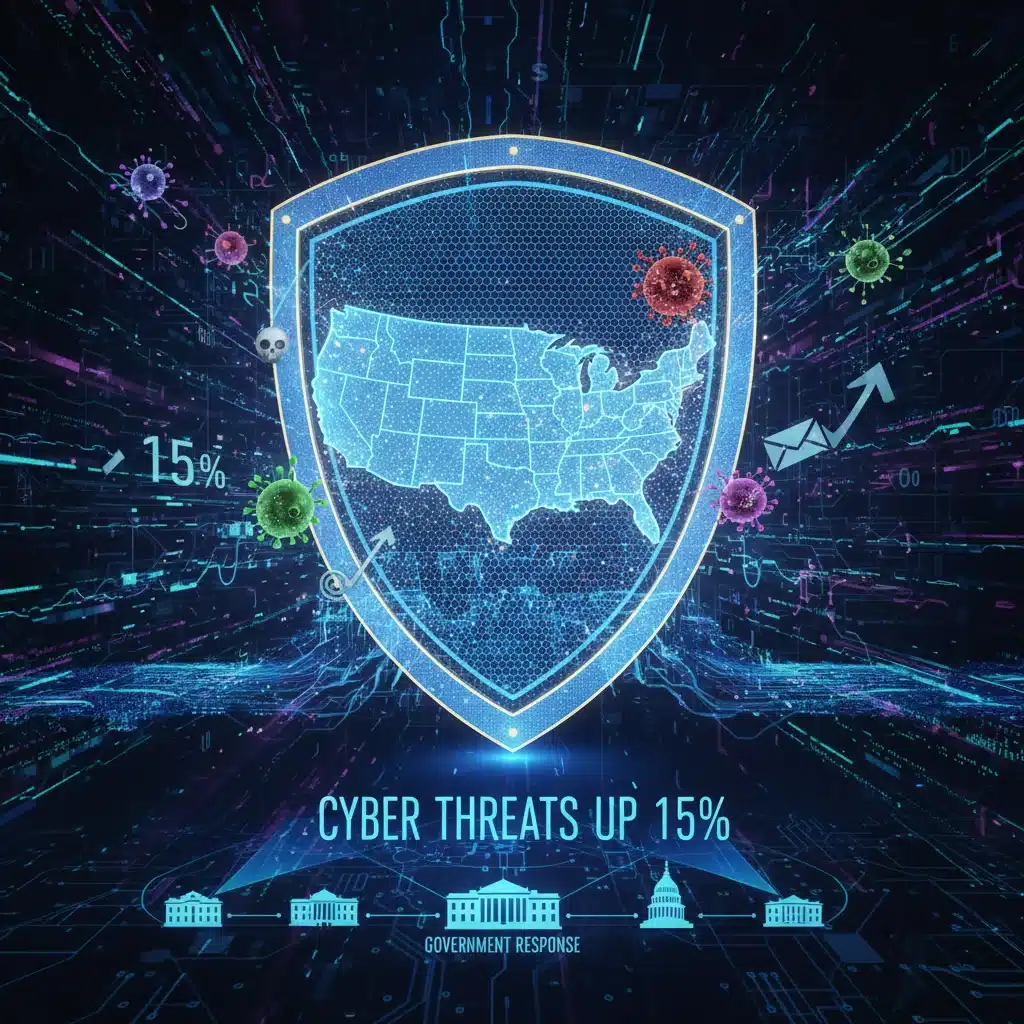
In an increasingly interconnected world, the digital landscape has become a new frontier for conflict and crime. The United States, a global leader in technology and innovation, finds itself at the epicenter of this digital battleground. Recent data indicates an alarming 15% increase in US cybersecurity threats, a statistic that underscores the escalating sophistication and frequency of cyberattacks targeting both public and private sectors. This surge is not merely a statistical blip; it represents a fundamental shift in the nature of modern warfare and economic espionage, compelling the government to adopt more aggressive and comprehensive strategies to protect its digital borders and critical infrastructure.
The implications of this rise in cyber threats are profound, affecting everything from national security and economic stability to individual privacy and public trust. From state-sponsored hacking groups to independent cybercriminals, the adversaries are diverse, well-resourced, and constantly evolving their tactics. This article delves into the multifaceted nature of these growing threats, explores the primary targets and methods employed by attackers, and provides an in-depth look at the robust and evolving response from the US government to safeguard its digital future.
Understanding the Escalation of US Cybersecurity Threats
The reported 15% increase in US cybersecurity threats is a stark reminder of the persistent and growing danger in cyberspace. Several factors contribute to this escalation. Firstly, geopolitical tensions have fueled state-sponsored cyber warfare, with nations engaging in espionage, intellectual property theft, and disruption campaigns. These sophisticated attacks often target critical infrastructure, government agencies, and defense contractors, aiming to gain strategic advantages or sow discord.
Secondly, the proliferation of ransomware and other financially motivated cybercrimes continues unabated. Cybercriminal gangs, often operating from safe havens, have become highly organized, employing advanced techniques to extort money from businesses, healthcare providers, and even municipalities. The profitability of these ventures incentivizes more frequent and aggressive attacks, making them a significant component of the overall threat landscape.
Thirdly, the rapid adoption of new technologies, such as the Internet of Things (IoT), artificial intelligence (AI), and 5G networks, while offering immense benefits, also introduces new vulnerabilities. A larger attack surface, coupled with the complexity of securing these interconnected systems, provides more opportunities for malicious actors to exploit weaknesses. The remote work paradigm, accelerated by recent global events, has also expanded the attack surface, as home networks and personal devices often lack the robust security measures of corporate environments.
Key Threat Actors and Their Motivations
The landscape of cyber adversaries is complex and diverse. Understanding who is behind these attacks and what drives them is crucial for developing effective defense strategies against US cybersecurity threats.
- Nation-State Actors: These are often the most sophisticated and well-funded attackers. Their motivations typically include intelligence gathering, industrial espionage, intellectual property theft, critical infrastructure disruption, and political influence. Countries like Russia, China, Iran, and North Korea are frequently cited as primary sources of such threats, targeting government networks, defense industries, and research institutions.
- Cybercriminal Organizations: Driven primarily by financial gain, these groups specialize in ransomware, data theft for resale, business email compromise (BEC) scams, and credit card fraud. They operate like businesses, often employing a division of labor and even offering ‘ransomware-as-a-service’ to less technical individuals. Their targets are broad, ranging from large corporations to small businesses and individuals.
- Hacktivists: These groups are motivated by political or social causes, using cyberattacks to draw attention to their agendas, disrupt services, or expose information they deem unethical. While often less sophisticated than nation-state actors, their attacks can still cause significant disruption and reputational damage.
- Insider Threats: Disgruntled employees, either intentionally or unintentionally, can pose significant risks. They may steal sensitive data, introduce malware, or provide access to external attackers. While not always a ‘cyberattack’ in the traditional sense, insider threats are a critical component of the overall security posture.
Common Attack Vectors and Techniques
The methods employed by these adversaries are constantly evolving, but some common attack vectors remain prevalent in the rising tide of US cybersecurity threats:
- Phishing and Social Engineering: These remain highly effective, tricking individuals into revealing credentials, downloading malicious attachments, or clicking on compromised links. Spear phishing, targeting specific individuals, and whaling, targeting high-profile executives, are particularly dangerous.
- Ransomware: This malicious software encrypts a victim’s files or systems, demanding a ransom (usually in cryptocurrency) for their release. It has become a multi-billion dollar industry, severely impacting businesses, healthcare, and government entities.
- Supply Chain Attacks: Attackers compromise a less secure element in a supply chain to gain access to a more secure target. The SolarWinds attack is a prime example, demonstrating how a single vulnerability can have far-reaching consequences.
- DDoS Attacks: Distributed Denial of Service attacks overwhelm a target system with traffic, making it unavailable to legitimate users. These are often used for extortion or as a smokescreen for other malicious activities.
- Zero-Day Exploits: These are vulnerabilities in software or hardware that are unknown to the vendor, allowing attackers to exploit them before a patch is available. They are highly prized by sophisticated attackers.
- Malware and Advanced Persistent Threats (APTs): Malware encompasses a wide range of malicious software, including viruses, worms, and trojans. APTs are stealthy and continuous computer hacking processes, often orchestrated by nation-states, targeting specific entities for long-term data exfiltration or sabotage.
Government’s Response to the Rising US Cybersecurity Threats
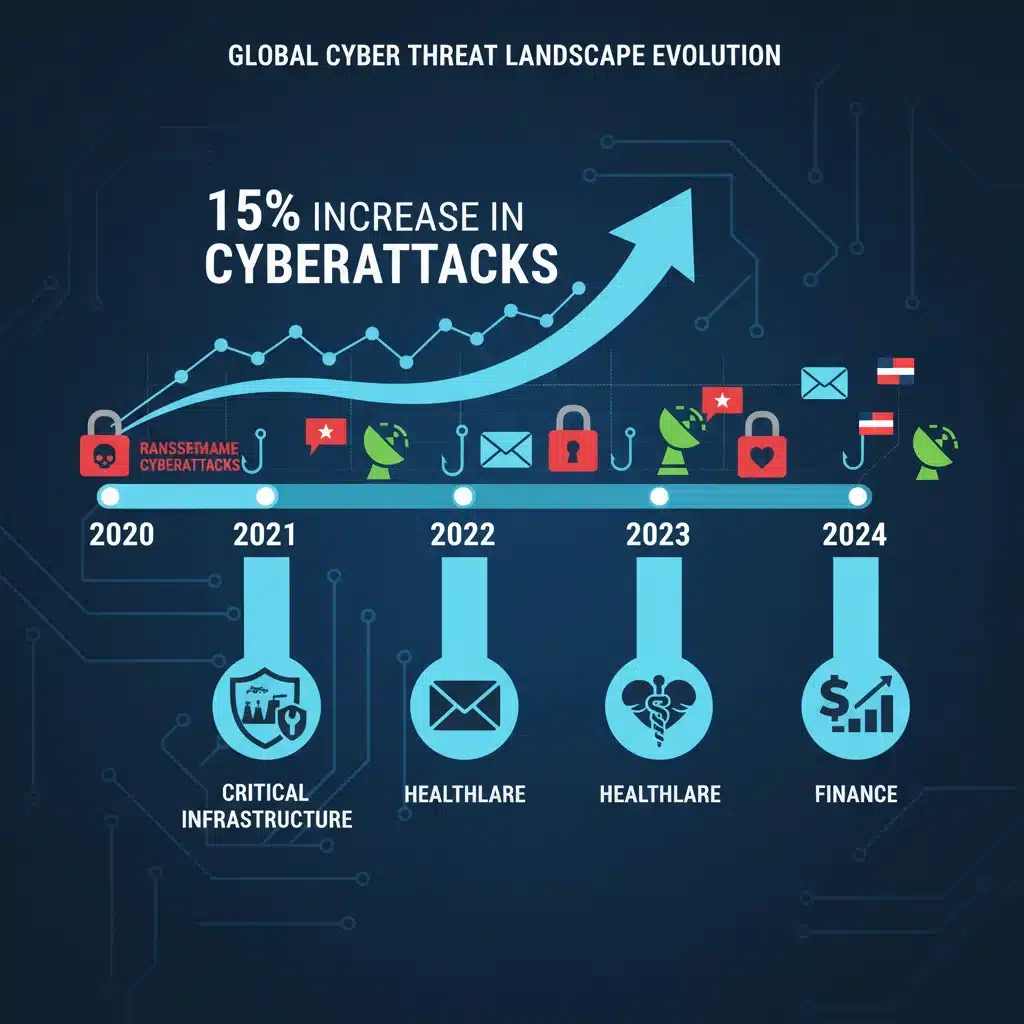
The US government has recognized the gravity of the 15% increase in US cybersecurity threats and has responded with a multi-pronged strategy encompassing legislative action, agency initiatives, international cooperation, and public-private partnerships. This comprehensive approach aims to bolster defenses, deter adversaries, and improve resilience across the nation.
Legislative and Policy Frameworks
In recent years, several key legislative actions and policy directives have been enacted to strengthen the nation’s cybersecurity posture:
- Executive Orders: Presidential Executive Orders have played a crucial role in shaping cybersecurity policy. For instance, Executive Order 14028, ‘Improving the Nation’s Cybersecurity,’ issued in May 2021, aimed to modernize federal government cybersecurity, enhance information sharing, and establish a Cybersecurity Safety Review Board. This order emphasizes a ‘zero trust’ architecture and mandates stronger security standards for federal agencies.
- National Cybersecurity Strategy: The Biden-Harris Administration released a comprehensive National Cybersecurity Strategy in March 2023, outlining five pillars: defending critical infrastructure, disrupting and dismantling threat actors, driving market forces to foster security and resilience, investing in a resilient future, and forging international partnerships to secure shared goals. This strategy provides a roadmap for addressing current and future US cybersecurity threats.
- Critical Infrastructure Protection: Various laws, including the Cybersecurity and Infrastructure Security Agency (CISA) Act of 2018, empower CISA to lead the national effort to understand, manage, and reduce risk to the nation’s cyber and physical infrastructure. CISA works with federal, state, local, and tribal governments, as well as the private sector, to enhance resilience against cyberattacks.
- Information Sharing Legislation: Laws like the Cybersecurity Information Sharing Act (CISA) of 2015 facilitate the sharing of cyber threat indicators and defensive measures between the government and private entities, aiming to create a more informed and collaborative defense ecosystem.
Key Government Agencies and Their Roles
Several federal agencies are at the forefront of combating US cybersecurity threats, each with distinct responsibilities:
- Cybersecurity and Infrastructure Security Agency (CISA): As the nation’s civilian cybersecurity agency, CISA leads efforts to protect critical infrastructure from physical and cyber threats. It provides cybersecurity services, vulnerability assessments, and incident response support to federal agencies and critical infrastructure owners and operators. CISA’s ‘Shields Up’ campaign and Joint Cyber Defense Collaborative (JCDC) are examples of its proactive approach to information sharing and coordinated defense.
- National Security Agency (NSA): The NSA is responsible for signals intelligence (SIGINT) and cybersecurity within the Department of Defense. It focuses on protecting national security systems and providing foreign intelligence information. The NSA also plays a critical role in developing and deploying advanced cryptographic solutions.
- Federal Bureau of Investigation (FBI): The FBI investigates cybercrimes, including those perpetrated by nation-state actors, cybercriminals, and hacktivists. It works closely with international partners to apprehend cybercriminals and disrupt their operations. The FBI’s Internet Crime Complaint Center (IC3) is a vital resource for reporting cyber incidents.
- Department of Defense (DoD) / US Cyber Command (USCYBERCOM): USCYBERCOM is responsible for defending DoD networks, conducting full-spectrum military cyberspace operations, and supporting military operations globally. It plays a critical role in deterring and responding to state-sponsored cyberattacks.
- National Institute of Standards and Technology (NIST): NIST develops cybersecurity standards, guidelines, and best practices that are widely adopted by both government and industry. The NIST Cybersecurity Framework is a voluntary framework that helps organizations manage and reduce their cybersecurity risks.
International Cooperation and Alliances
Given the transnational nature of cyber threats, international cooperation is paramount. The US actively engages with allies and partners to share threat intelligence, coordinate responses, and build collective cyber defense capabilities. Initiatives include:
- NATO Cyber Defense: The US is a key member of NATO, which has significantly enhanced its cyber defense posture, recognizing cyberspace as an operational domain. NATO conducts cyber defense exercises and fosters information sharing among member states.
- Five Eyes Alliance: This intelligence alliance (US, UK, Canada, Australia, New Zealand) facilitates extensive intelligence sharing, including cyber threat intelligence, to counter mutual adversaries.
- Bilateral and Multilateral Agreements: The US has numerous agreements with individual countries and international bodies to combat cybercrime, improve incident response, and promote responsible state behavior in cyberspace.
Public-Private Partnerships and Information Sharing
Recognizing that the vast majority of critical infrastructure is privately owned, the government heavily relies on public-private partnerships to address US cybersecurity threats. Initiatives include:
- Information Sharing and Analysis Centers (ISACs): These sector-specific organizations facilitate the sharing of threat intelligence and best practices among organizations within critical infrastructure sectors (e.g., energy, finance, healthcare).
- Joint Cyber Defense Collaborative (JCDC): Led by CISA, the JCDC brings together federal agencies and private sector companies to develop and execute coordinated cyber defense plans.
- Cybersecurity Advisory Committee: This committee, composed of private sector leaders, provides recommendations to CISA on cybersecurity policies and programs.
The Economic and Social Impact of Cyberattacks
The economic ramifications of the 15% increase in US cybersecurity threats are staggering. Data breaches, business disruptions, intellectual property theft, and remediation costs amount to billions of dollars annually. Beyond direct financial losses, cyberattacks can lead to:
- Reputational Damage: Companies that suffer significant breaches often experience a loss of customer trust and brand damage, which can have long-term financial consequences.
- Supply Chain Disruptions: Attacks on critical suppliers can cascade throughout entire industries, leading to production halts and economic instability.
- Loss of Intellectual Property: The theft of trade secrets and research data can undermine a nation’s competitive edge and innovation capacity.
- Job Losses: Businesses severely impacted by cyberattacks may be forced to downsize or even close, leading to job losses.
Socially, the impact is equally concerning. Attacks on healthcare systems can disrupt patient care and compromise sensitive medical records. Attacks on government services can erode public trust and hinder essential functions. Disinformation campaigns, often enabled by cyber means, can polarize societies and undermine democratic processes.
Future Challenges and the Path Forward
Despite the significant efforts by the US government, the battle against US cybersecurity threats is far from over. Several challenges lie ahead:
- Talent Gap: There is a persistent shortage of skilled cybersecurity professionals, both in government and the private sector. Addressing this talent gap through education, training, and recruitment initiatives is crucial.
- Evolving Technologies: The rapid pace of technological innovation means that new vulnerabilities and attack vectors are constantly emerging. Staying ahead of these developments requires continuous research, adaptation, and investment.
- Attribution Challenges: Accurately attributing cyberattacks to specific actors can be incredibly difficult, complicating deterrence and retaliation efforts.
- Balancing Security and Privacy: Implementing robust cybersecurity measures must be balanced with protecting individual privacy and civil liberties, a constant challenge in a democratic society.
- Global Cooperation: While progress has been made, achieving truly global cooperation on cybersecurity norms and enforcement remains a significant hurdle, especially given the differing geopolitical interests of nations.
The path forward requires sustained commitment and innovation. Key areas of focus will include:
- Continuous Investment: Increased funding for cybersecurity research and development, workforce development, and infrastructure modernization is essential.
- Proactive Defense: Moving beyond reactive measures to proactive threat hunting, vulnerability management, and predictive intelligence.
- Enhanced Resilience: Building systems and processes that can withstand and quickly recover from cyberattacks, minimizing disruption.
- Education and Awareness: Empowering individuals and organizations with the knowledge and tools to protect themselves against common cyber threats.
- Norms of Responsible State Behavior: Advocating for and enforcing international norms against malicious cyber activities.

Conclusion
The 15% increase in US cybersecurity threats serves as a potent reminder of the dynamic and dangerous digital landscape. The US government, in collaboration with its international partners and the private sector, is actively engaged in a complex and ongoing effort to counter these threats. From strategic legislative frameworks and the robust operations of agencies like CISA and the FBI, to fostering international alliances and public-private information sharing, the response is comprehensive and evolving.
However, the nature of cyber warfare dictates that vigilance, adaptability, and continuous investment are non-negotiable. As technology advances and adversaries grow more sophisticated, the nation’s ability to defend its digital infrastructure will depend on its capacity to innovate, educate, and collaborate effectively. Protecting the digital frontier is not just a matter of national security; it is fundamental to the economic prosperity and social well-being of the United States in the 21st century.