Water Conservation at Home: Reduce Usage by 10% with 5 Easy Upgrades This Year
In an era where environmental consciousness is no longer a niche concern but a global imperative, home water conservation has emerged as a critical component of sustainable living. Every drop saved in our homes contributes to a larger reservoir of resources for communities, ecosystems, and future generations. Beyond the significant environmental impact, embracing effective strategies for home water conservation also translates into tangible financial benefits, notably a reduction in your monthly utility bills. This comprehensive guide is designed to empower you with the knowledge and actionable steps to achieve a remarkable 10% reduction in your household water consumption within the next year, focusing on five easy yet impactful upgrades. By integrating these simple changes into your daily routine and home infrastructure, you’ll not only contribute to a healthier planet but also foster a more efficient and cost-effective household.
The average household in the United States uses approximately 300 gallons of water per day. A 10% reduction means saving 30 gallons daily, which accumulates to over 10,000 gallons annually. Imagine the collective impact if every household adopted similar practices! This isn’t just about turning off the tap while brushing your teeth; it’s about a holistic approach that combines mindful habits with strategic, often one-time, investments in water-efficient technologies. From understanding your current water footprint to implementing smart irrigation systems, we will explore practical solutions that are accessible to everyone, regardless of your budget or technical expertise. Let’s embark on this journey towards a more sustainable and water-wise home.
Understanding Your Current Water Footprint: The First Step in Home Water Conservation
Before you can effectively reduce your water consumption, it’s crucial to understand where and how your household uses water. This awareness is the cornerstone of effective home water conservation. Many people are surprised to learn that a significant portion of their water usage comes from unexpected sources or inefficient fixtures. Your monthly water bill is an excellent starting point. It typically details your consumption in gallons or cubic feet, providing a baseline for your efforts. Tracking this over several months can reveal patterns and high-usage periods.
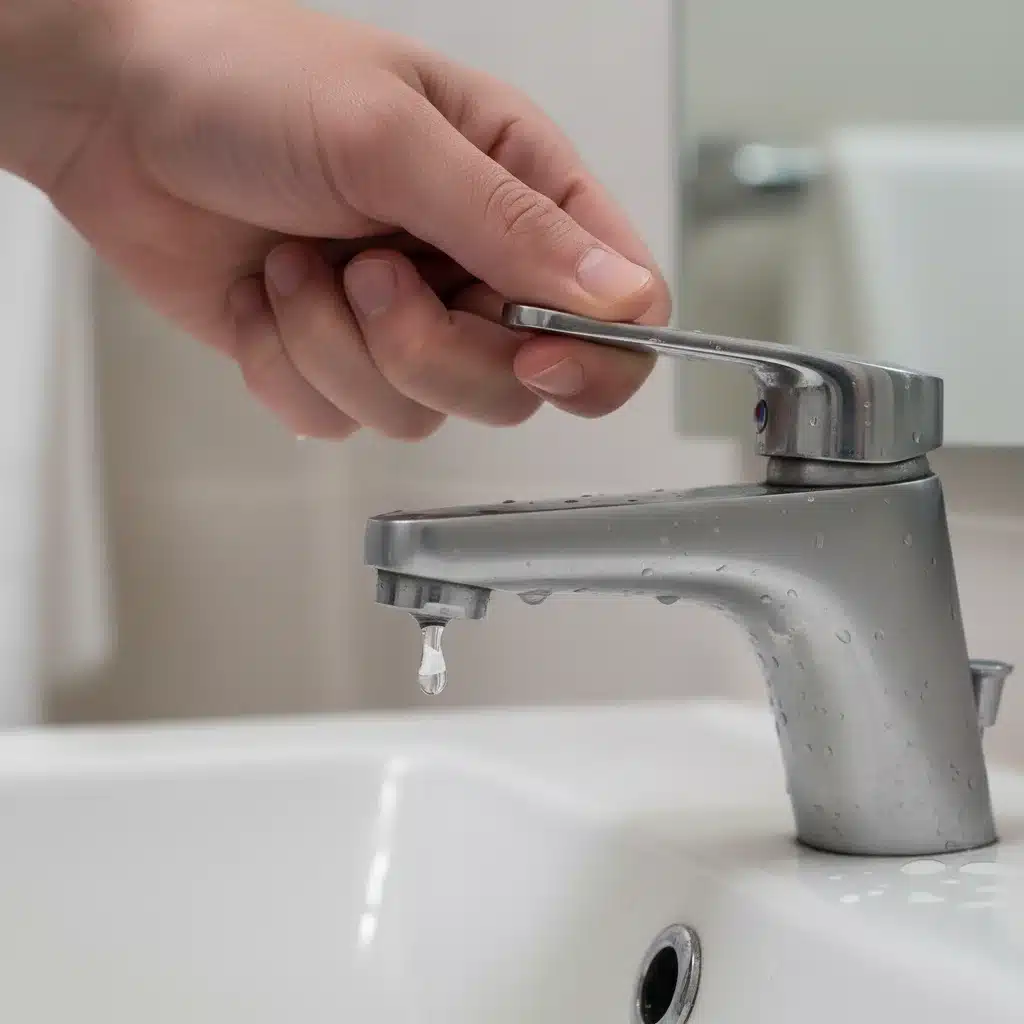
Beyond the bill, a DIY home water audit can offer more granular insights. Start by checking for leaks, which are notorious silent water guzzlers. A running toilet can waste hundreds of gallons a day, and a dripping faucet, though seemingly minor, adds up quickly. To check for a toilet leak, add a few drops of food coloring to the tank; if the color appears in the bowl within 15 minutes without flushing, you have a leak. For faucets, simply observe them closely. Don’t forget outdoor spigots and irrigation systems.
Consider the major water-using appliances and activities in your home. Showers, baths, toilet flushing, laundry, dishwashing, and outdoor irrigation are typically the biggest contributors. Estimate how frequently these activities occur and for how long. For instance, a 10-minute shower with a standard showerhead uses about 25 gallons of water. Knowing these figures can help you identify priority areas for intervention. This initial assessment not only highlights areas of waste but also sets realistic goals for your 10% reduction target, making your home water conservation efforts more strategic and effective.
Upgrade 1: Install Low-Flow Fixtures – The Foundation of Efficient Water Use
One of the most effective and straightforward ways to kickstart your home water conservation journey is by upgrading to low-flow fixtures. These devices are designed to use significantly less water while maintaining optimal performance, ensuring you don’t sacrifice comfort for conservation. The impact of these upgrades is immediate and continuous, making them a cornerstone of any water-saving strategy.
Low-Flow Showerheads
Traditional showerheads can use anywhere from 2.5 to 5 gallons of water per minute (GPM). Modern low-flow showerheads, however, are engineered to deliver a satisfying shower experience using 2.0 GPM or even less, often as low as 1.5 GPM. This simple swap can reduce your shower water consumption by 25-50% without you even noticing a difference in water pressure. Look for models certified by EPA’s WaterSense label, which guarantees efficiency and performance. Installation is typically a DIY task, requiring only a wrench and some plumber’s tape, making it an accessible and cost-effective upgrade.
Aerators for Faucets
Faucet aerators are small, inexpensive devices that screw onto the end of your faucets, mixing air with the water flow. This creates a seemingly strong stream while significantly reducing the actual water volume. Standard faucets can flow at 2.2 GPM, but with an aerator, this can drop to 1.0 GPM or even 0.5 GPM for bathroom sinks. The result is less water used for handwashing, brushing teeth, and other sink tasks, leading to substantial savings over time. Many new faucets come with aerators pre-installed, but you can easily add them to existing fixtures. This is a prime example of how small changes contribute significantly to overall home water conservation.
High-Efficiency Toilets (HETs)
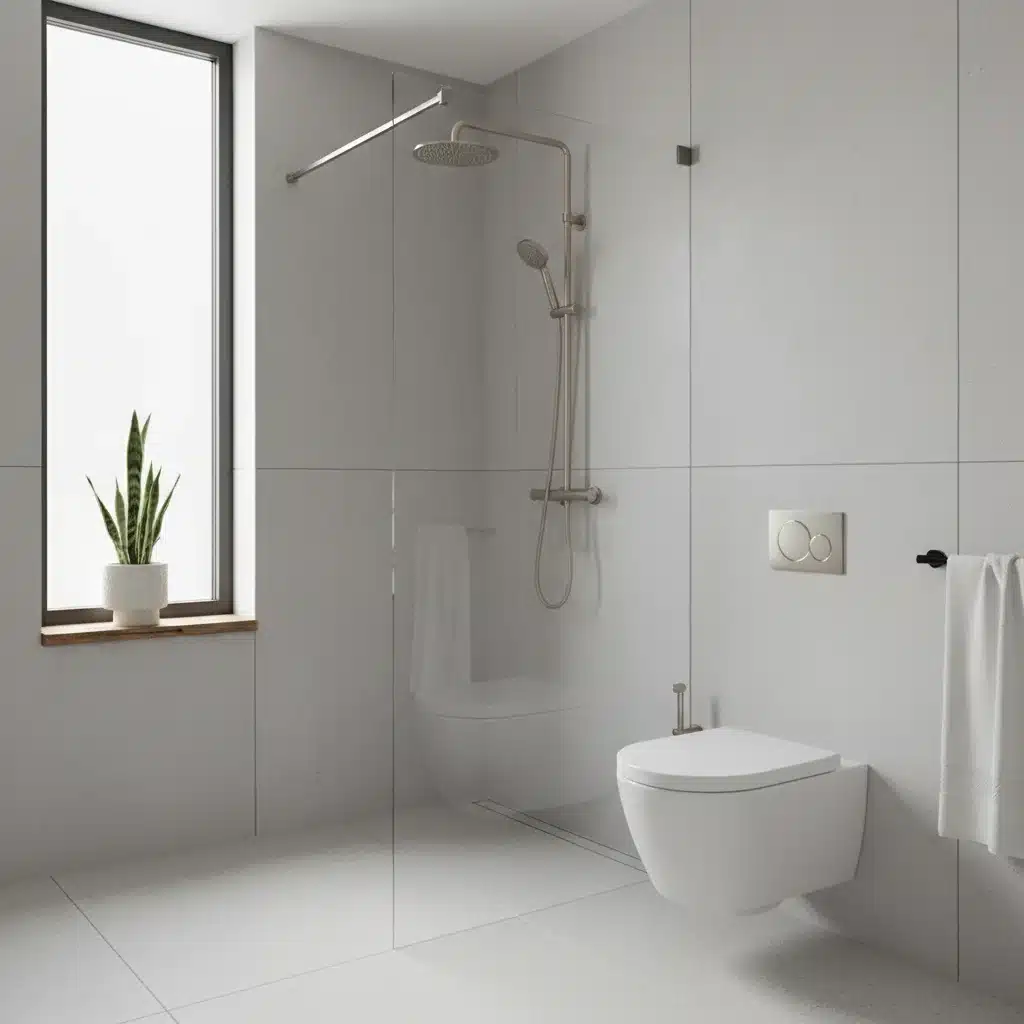
Toilets are often the biggest indoor water users in a home. Older toilets can use 3.5 to 7 gallons per flush (GPF). Upgrading to a WaterSense-labeled high-efficiency toilet can reduce this to 1.28 GPF or even less. Dual-flush models offer an even greater advantage, allowing you to choose between a full flush for solids and a reduced flush for liquids, optimizing water use for each scenario. While replacing a toilet is a more involved project than swapping a showerhead or adding an aerator, the long-term water savings and environmental benefits make it a worthwhile investment. Many municipalities also offer rebates for installing HETs, further reducing the cost.
By focusing on these low-flow fixtures, you’re setting a strong foundation for effective home water conservation, ensuring that every time you turn on a tap or flush a toilet, you’re doing so with maximum efficiency.
Upgrade 2: Smart Irrigation Systems – Revolutionizing Outdoor Water Use
For many households, outdoor irrigation accounts for a significant portion of their total water consumption, especially during warmer months. Traditional sprinkler systems often overwater, irrigate at inefficient times, or water paved areas, leading to substantial waste. Implementing a smart irrigation system is a game-changer for home water conservation in your garden and lawn, offering precision and efficiency that manual watering simply cannot match.
Weather-Based Controllers
The core of a smart irrigation system is its controller. Weather-based controllers use local weather data (either through a direct connection to a weather station or via Wi-Fi to retrieve data online) to adjust watering schedules automatically. This means your system will water less on cooler, cloudy days and more during hot, dry spells. It can also pause watering during rain events, preventing unnecessary irrigation and saving gallons of water. Some advanced systems even take into account historical weather patterns and specific plant needs.
Soil Moisture Sensors
Another intelligent component is the soil moisture sensor. These sensors are placed in your garden beds or lawn and measure the actual moisture content of the soil. Instead of watering on a fixed schedule, the system only irrigates when the soil moisture drops below a predetermined threshold. This eliminates guesswork and ensures that your plants receive exactly the amount of water they need, preventing both overwatering and underwatering. Soil moisture sensors are particularly effective in areas with varying soil types or sun exposure.
Drip Irrigation Systems
While not strictly a ‘smart’ controller upgrade, integrating drip irrigation into your smart system maximizes efficiency. Drip irrigation delivers water directly to the root zone of plants through a network of emitters, hoses, and tubing. This method minimizes evaporation and runoff, which are common problems with traditional sprinklers. It’s ideal for garden beds, shrubs, and trees. When combined with a smart controller, drip irrigation ensures that water is applied precisely where and when it’s needed, drastically reducing waste and promoting healthier plant growth. This combination is a powerful tool for home water conservation in your outdoor spaces.
Investing in a smart irrigation system might seem like a significant upfront cost, but the long-term savings on your water bill, coupled with the environmental benefits and healthier landscaping, make it a highly valuable upgrade. Many utility companies also offer rebates for installing WaterSense-labeled smart irrigation controllers, further sweetening the deal for effective home water conservation.
Upgrade 3: Efficient Appliances – Washing Machines and Dishwashers
Beyond fixtures and outdoor systems, major household appliances are significant water consumers. Upgrading to energy-efficient models can dramatically reduce your water footprint, contributing substantially to your home water conservation goals. While these upgrades represent a larger investment, their long-term savings in both water and energy make them incredibly worthwhile.
High-Efficiency Washing Machines (HE Washers)
Traditional top-loading washing machines can use anywhere from 30 to 45 gallons of water per load. In stark contrast, high-efficiency (HE) washing machines, whether front-loading or top-loading without a central agitator, use significantly less water – typically between 15 and 25 gallons per load. This reduction is achieved through advanced washing mechanisms that require less water to clean clothes effectively. HE washers also spin clothes at much higher speeds, extracting more water and thereby reducing drying time and energy consumption. When purchasing, look for the ENERGY STAR label, which signifies superior energy and water efficiency. Over the lifespan of the appliance, an HE washer can save thousands of gallons of water and considerable amounts of electricity, making it a powerful tool for home water conservation.
Energy-Efficient Dishwashers
Many people believe that handwashing dishes saves more water than using a dishwasher. However, modern ENERGY STAR certified dishwashers are incredibly efficient, often using as little as 3 to 5 gallons of water per load. Handwashing a sink full of dishes can easily consume 20 gallons or more, especially if you let the water run. Efficient dishwashers use sensors to determine the soil level of dishes and adjust water usage accordingly. They also incorporate advanced spray patterns and filtration systems to clean dishes thoroughly with less water. To maximize water savings with your dishwasher, always run it with a full load and avoid pre-rinsing dishes excessively; simply scrape off food scraps. This upgrade not only saves water but also frees up your time and often uses less energy to heat the water compared to continuous hot water use during handwashing, further enhancing your home water conservation efforts.
When considering these appliance upgrades, factor in not just the purchase price but also the long-term operational savings. The reduced water and energy bills will, over time, offset the initial investment, proving that being eco-friendly can also be financially smart.
Upgrade 4: Rainwater Harvesting Systems – Tapping into Nature’s Supply
While the previous upgrades focused on reducing demand, rainwater harvesting is about augmenting your supply with a sustainable, free resource. Implementing a rainwater harvesting system is an excellent way to boost your home water conservation efforts, especially for outdoor uses, and can significantly reduce your reliance on municipal water supplies.
Simple Rain Barrels
The most basic form of rainwater harvesting involves installing rain barrels. These are containers, typically 50-100 gallons, placed at the downspouts of your gutters to collect rainwater runoff from your roof. The collected water is perfect for irrigating gardens, potted plants, and even washing your car. It’s naturally soft and chlorine-free, which can be beneficial for plants. Rain barrels are relatively inexpensive, easy to install, and provide an immediate source of non-potable water, reducing your tap water usage for outdoor tasks. This simple upgrade is a fantastic entry point into home water conservation.
Integrated Rainwater Collection Systems
For those looking for a more comprehensive solution, integrated rainwater collection systems can be installed. These systems involve larger storage tanks (cisterns) that can hold hundreds or even thousands of gallons of water. The collected rainwater can be filtered and used for a wider range of non-potable purposes, such as toilet flushing, laundry, and extensive landscape irrigation. Some advanced systems even incorporate purification methods to make the water potable, though this requires significant investment and adherence to local health regulations.
Benefits and Considerations
The benefits of rainwater harvesting are numerous. It reduces stormwater runoff, which can contribute to erosion and pollution, and lessens the strain on municipal water treatment plants. It also provides a free, readily available water source, insulating you from rising water costs and potential water restrictions during droughts. However, it’s important to consider local regulations regarding rainwater harvesting, as some areas have restrictions. You’ll also need to ensure proper installation and maintenance to prevent mosquito breeding and keep the water clean. By harnessing nature’s bounty, you can make a significant leap in your home water conservation journey, creating a more resilient and sustainable home.
Upgrade 5: Drought-Tolerant Landscaping (Xeriscaping) – A Beautiful, Water-Wise Exterior
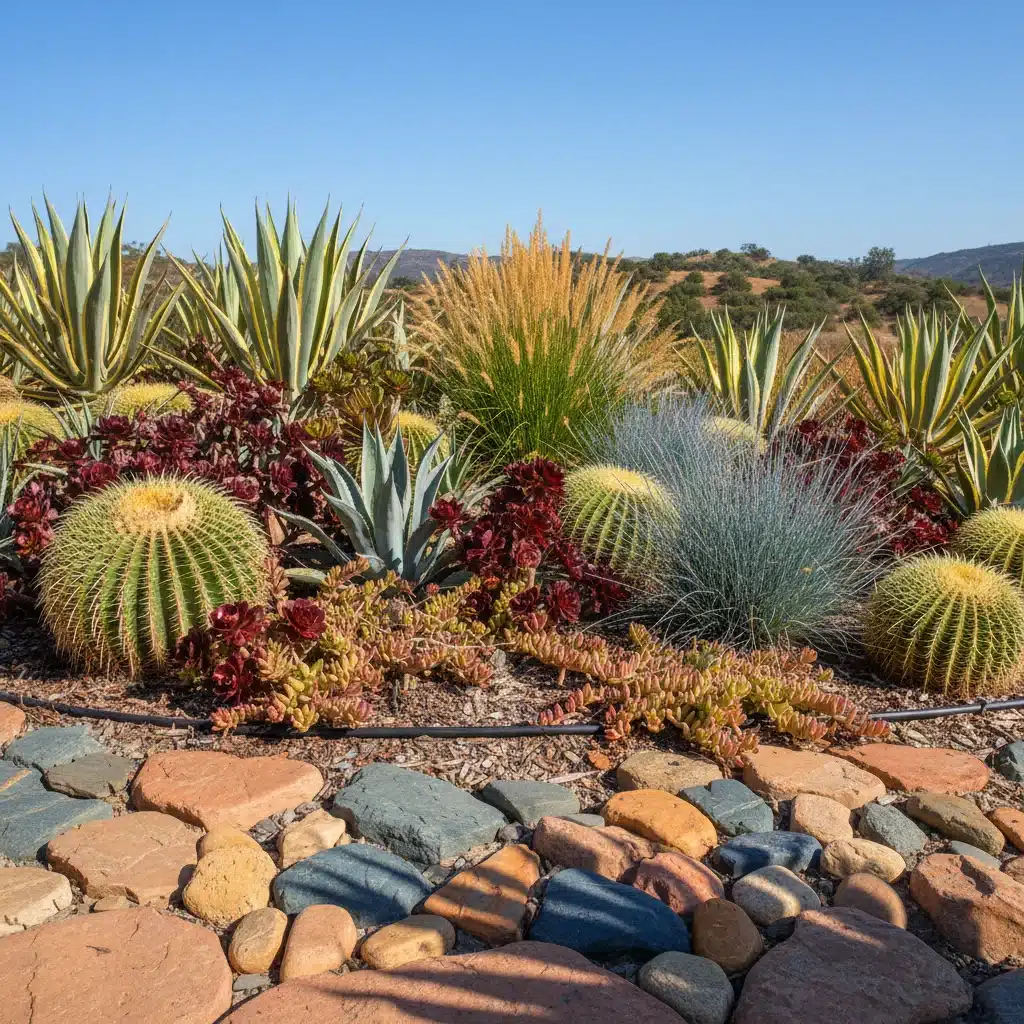
Our final upgrade focuses on transforming your outdoor spaces into a beautiful, yet water-efficient oasis. Traditional lawns and thirsty ornamental plants can consume an enormous amount of water, especially in arid or semi-arid regions. Adopting drought-tolerant landscaping, also known as xeriscaping, is a powerful strategy for home water conservation that can drastically reduce your outdoor water use without sacrificing aesthetic appeal.
Principles of Xeriscaping
- Planning and Design: Start with a thoughtful design that considers sun exposure, soil type, and plant needs. Group plants with similar water requirements together.
- Soil Improvement: Enhance your soil with organic matter to improve its water-holding capacity and drainage.
- Efficient Irrigation: Utilize drip irrigation or micro-sprays to deliver water directly to plant roots, minimizing evaporation and runoff.
- Appropriate Plant Selection: Choose native plants or other species that are naturally adapted to your local climate and require minimal supplemental water once established. Succulents, ornamental grasses, and many Mediterranean plants are excellent choices.
- Mulch: Apply a 2-4 inch layer of organic mulch (wood chips, bark, straw) around plants to retain soil moisture, suppress weeds, and regulate soil temperature.
- Reduced Turf Area: Minimize or eliminate thirsty lawns, replacing them with drought-tolerant groundcovers, hardscapes, or native plant beds.
- Maintenance: Practice proper maintenance, including weeding and efficient pruning, to ensure plant health and water efficiency.
Benefits Beyond Water Savings
While the primary benefit of xeriscaping is significant water savings – often reducing landscape water use by 50-75% – it offers several other advantages. It reduces the need for mowing, fertilizing, and pest control, saving you time, money, and reducing your carbon footprint. Drought-tolerant landscapes also tend to be more resilient to local climate conditions, requiring less intervention during dry spells. Furthermore, they can attract local wildlife, such as birds and butterflies, enhancing biodiversity in your immediate environment. This holistic approach to landscaping is an investment that pays dividends in terms of water savings, reduced maintenance, and a more harmonious relationship with your local ecosystem, embodying the spirit of home water conservation.
Beyond Upgrades: Cultivating Water-Saving Habits for Ongoing Home Water Conservation
While the five upgrades discussed above provide a robust framework for reducing your home’s water consumption by 10% or more, true home water conservation is also about fostering a mindful approach to water use in your daily life. These habits, when combined with your new efficient fixtures and systems, create a powerful synergy that maximizes your savings and environmental impact.
In the Bathroom: The Biggest Water User
- Shorter Showers: Aim to cut your shower time by a minute or two. Even a small reduction adds up significantly over time. Consider using a shower timer.
- Turn Off the Tap: Don’t let the water run while brushing your teeth, shaving, or soaping up in the shower. This simple act can save gallons each day.
- Fix Leaks Promptly: A silent drip can waste hundreds of gallons per month. Regularly check faucets, showerheads, and toilets for leaks and repair them immediately.
- Only Flush When Necessary: The "If it’s yellow, let it mellow; if it’s brown, flush it down" adage, while perhaps not for everyone, highlights the potential for reducing flushes.
In the Kitchen and Laundry Room: Everyday Efficiency
- Full Loads Only: Run your dishwasher and washing machine only when they are completely full. This maximizes the efficiency of each cycle.
- Scrape, Don’t Rinse: For dishwashers, simply scrape food off plates instead of pre-rinsing under running water. Modern dishwashers are designed to handle this.
- Defrost in the Fridge: Thaw frozen food in the refrigerator overnight instead of using running hot water.
- Compost Food Scraps: Use a compost bin instead of a garbage disposal, which requires a lot of water to operate.
Outdoors: Smart Gardening and Landscaping
- Water During Cool Hours: If you must water manually, do so early in the morning or late in the evening to minimize evaporation.
- Deep and Infrequent Watering: Encourage deeper root growth by watering deeply but less frequently.
- Sweep, Don’t Hose: Use a broom to clean driveways, sidewalks, and patios instead of a hose.
- Wash Your Car Wisely: Use a bucket and sponge, or visit a car wash that recycles its water.
- Cover Pools and Spas: Reduce evaporation by covering swimming pools and hot tubs when not in use.
Integrating these habits into your daily routine amplifies the impact of your home upgrades. Home water conservation isn’t just about technology; it’s about a conscious commitment to using this precious resource responsibly. By combining smart choices with smart devices, you’re well on your way to achieving and even exceeding your 10% reduction goal.
Measuring Your Success and Sustaining Home Water Conservation Efforts
Once you’ve implemented these upgrades and adopted new habits, the next crucial step in your home water conservation journey is to monitor your progress and ensure long-term sustainability. Measuring your success not only provides a sense of accomplishment but also highlights areas where further improvements can be made. Sustaining these efforts ensures that your water-saving practices become an ingrained part of your lifestyle, yielding continuous benefits for both your wallet and the environment.
Tracking Your Water Usage
The most straightforward way to measure your success is by regularly reviewing your monthly water bills. Compare your current usage to your baseline consumption before implementing the changes. Look for a consistent downward trend. Many utility companies offer online portals where you can track your daily or weekly usage, providing more immediate feedback. Some smart home systems also integrate water usage monitoring, giving you real-time data on how much water each appliance or fixture is consuming. This data is invaluable for identifying if you’ve hit your 10% reduction target and if your home water conservation efforts are paying off.
Celebrating Small Victories
Don’t underestimate the power of celebrating your progress. Whether it’s a noticeable drop in your water bill or the satisfaction of seeing a thriving drought-tolerant garden, acknowledge your achievements. This positive reinforcement can motivate you and other household members to continue and even expand your water-saving practices. Share your successes with friends and family; your journey can inspire others to adopt similar home water conservation strategies.
Continuous Improvement and Maintenance
Effective home water conservation is an ongoing process. Regularly inspect your fixtures and appliances for wear and tear that could lead to leaks. Perform seasonal checks on your irrigation system to ensure it’s operating optimally. Stay informed about new water-saving technologies and practices that emerge. For instance, consider a greywater recycling system for even greater water independence if your local regulations permit it. Revisit your water-saving habits periodically to ensure everyone in the household is still on board and practicing mindful water use.
Engaging the Community
Consider engaging with local community initiatives or organizations focused on water conservation. Participation can provide additional resources, support, and a broader perspective on the importance of water stewardship. By becoming an advocate for water conservation, you not only reinforce your own commitment but also contribute to a larger movement towards a more water-secure future. Sustaining home water conservation is a journey, not a destination, and every step taken contributes to a healthier planet.
Conclusion: A Water-Wise Future Starts at Home
Achieving a 10% reduction in your home’s water usage within a year is not just an ambitious goal; it’s an entirely attainable reality with the right approach. By focusing on these five easy yet impactful upgrades – installing low-flow fixtures, implementing smart irrigation systems, choosing efficient appliances, considering rainwater harvesting, and embracing drought-tolerant landscaping – you lay a solid foundation for significant home water conservation. These investments, coupled with the cultivation of mindful water-saving habits, will not only shrink your environmental footprint but also expand your financial savings.
The journey towards a water-wise home is a testament to the power of individual action. Each gallon saved contributes to the collective effort of preserving one of our planet’s most precious resources. Beyond the immediate benefits of lower utility bills and a more sustainable household, you’ll gain the satisfaction of knowing you are actively contributing to a healthier environment for future generations. Embrace these changes, monitor your progress, and continue to seek out new ways to conserve. Your home can become a beacon of efficiency and responsibility, proving that home water conservation is not just a necessity but a pathway to a more sustainable and prosperous future. Start today, and watch your impact grow, drop by conscious drop.