Mastering 5 Essential Home Repair Skills for 2026: Save Hundreds Annually on Maintenance
In an era where every penny counts, the ability to perform basic home repairs isn’t just a convenience; it’s a financial superpower. Imagine saving hundreds, even thousands, of dollars each year by simply addressing common household issues yourself. By 2026, the demand for skilled tradespeople continues to rise, and with it, the cost of professional services. This makes mastering essential home repair skills more crucial than ever. This comprehensive guide will walk you through five fundamental areas of home maintenance, empowering you to tackle problems with confidence, prolong the life of your home’s systems, and significantly reduce your annual expenses.
We’re not talking about becoming a certified plumber or electrician overnight. Instead, our focus is on equipping you with the knowledge and practical skills to handle routine fixes that often lead to hefty service calls. From a dripping faucet to a loose floorboard, these seemingly minor issues can escalate into major problems if left unaddressed, costing you more in the long run. By investing a little time in learning these vital home repair skills, you’ll not only save money but also gain a profound sense of accomplishment and greater control over your living environment.
Let’s dive into the five essential home repair skills that will transform you into a savvy homeowner by 2026.
1. Basic Plumbing Repairs: Conquering Leaks and Clogs
Plumbing issues are among the most common and, if ignored, potentially most damaging problems a homeowner faces. A persistent drip can waste gallons of water and lead to mold, while a stubborn clog can bring daily routines to a grinding halt. Fortunately, many basic plumbing repairs are well within the grasp of the average DIY enthusiast.
Understanding Your Plumbing System
Before you even pick up a wrench, it’s vital to understand the basics of your home’s plumbing. Know the location of your main water shut-off valve – this is your first line of defense in an emergency. Also, identify individual shut-off valves for toilets and sinks. Familiarize yourself with how water flows into and out of your home, and the purpose of traps and vents.
Tackling Leaky Faucets and Toilets
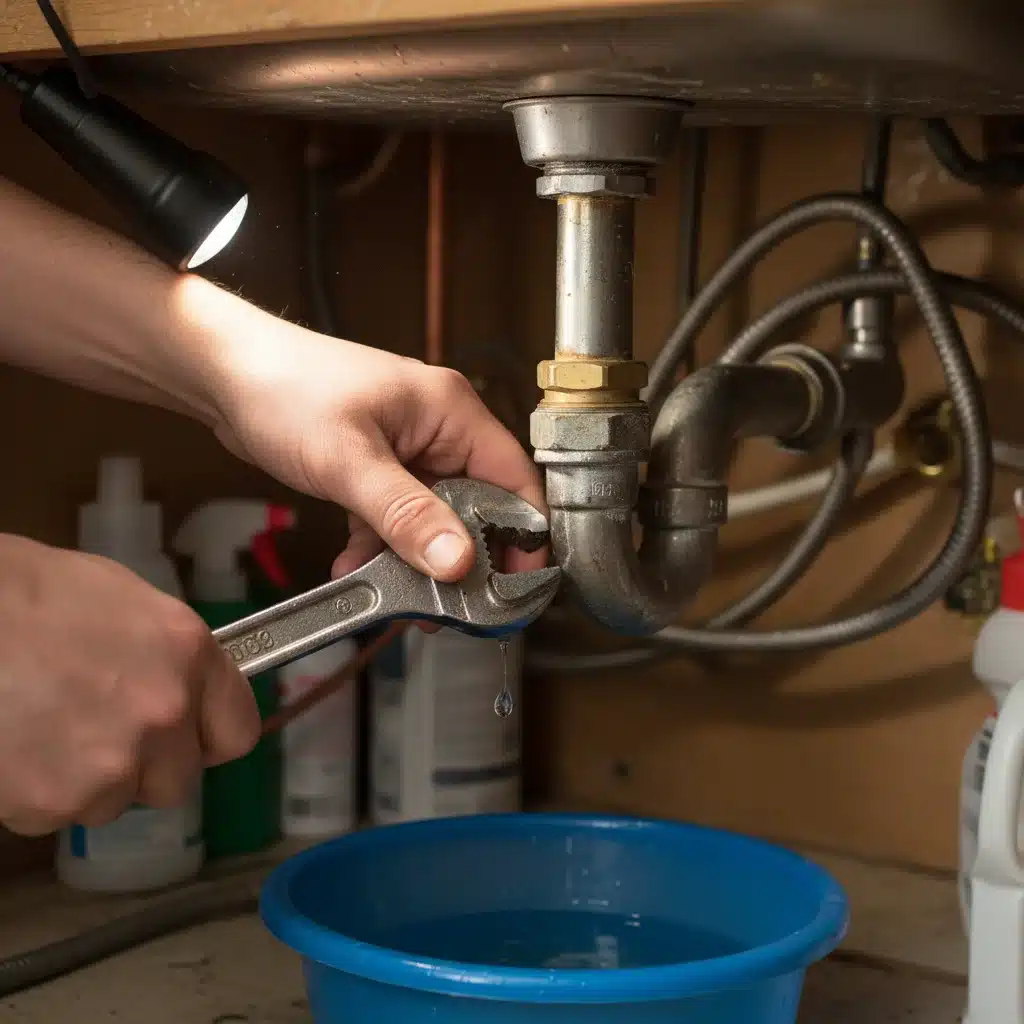
A dripping faucet isn’t just annoying; it can waste thousands of gallons of water per year. Often, the culprit is a worn-out washer or O-ring. Learning how to replace these inexpensive parts is a fundamental home repair skill. The process usually involves shutting off the water supply, carefully disassembling the faucet handle, replacing the faulty component, and reassembling. Similarly, a running toilet often indicates a problem with the flapper valve or fill valve. These components are readily available at hardware stores and are relatively straightforward to replace with a little guidance.
Unclogging Drains Like a Pro
Chemical drain cleaners can be harsh on your pipes and often only provide a temporary fix. A more effective and environmentally friendly approach involves using a plunger or a drain snake. For sink clogs, a simple plunger can often dislodge blockages. For more stubborn issues, a small hand-held drain snake (or auger) can reach further into the pipe to clear hair, grease, and other debris. Understanding how to properly use these tools is a game-changer for maintaining clear drains and is a top-tier home repair skill.
Pro Tip: Always have a bucket and towels handy when working on plumbing to catch any spills. And remember, when in doubt, it’s always best to consult a professional, especially for complex issues involving water heaters or main sewer lines.
2. Basic Electrical Repairs: Safety First, Then Fix
Electricity is powerful and potentially dangerous, so safety must always be your absolute priority. However, many minor electrical issues are simple to diagnose and fix, saving you from expensive electrician call-outs. Developing these home repair skills for electrical systems requires caution and adherence to safety protocols.
Understanding Your Electrical Panel
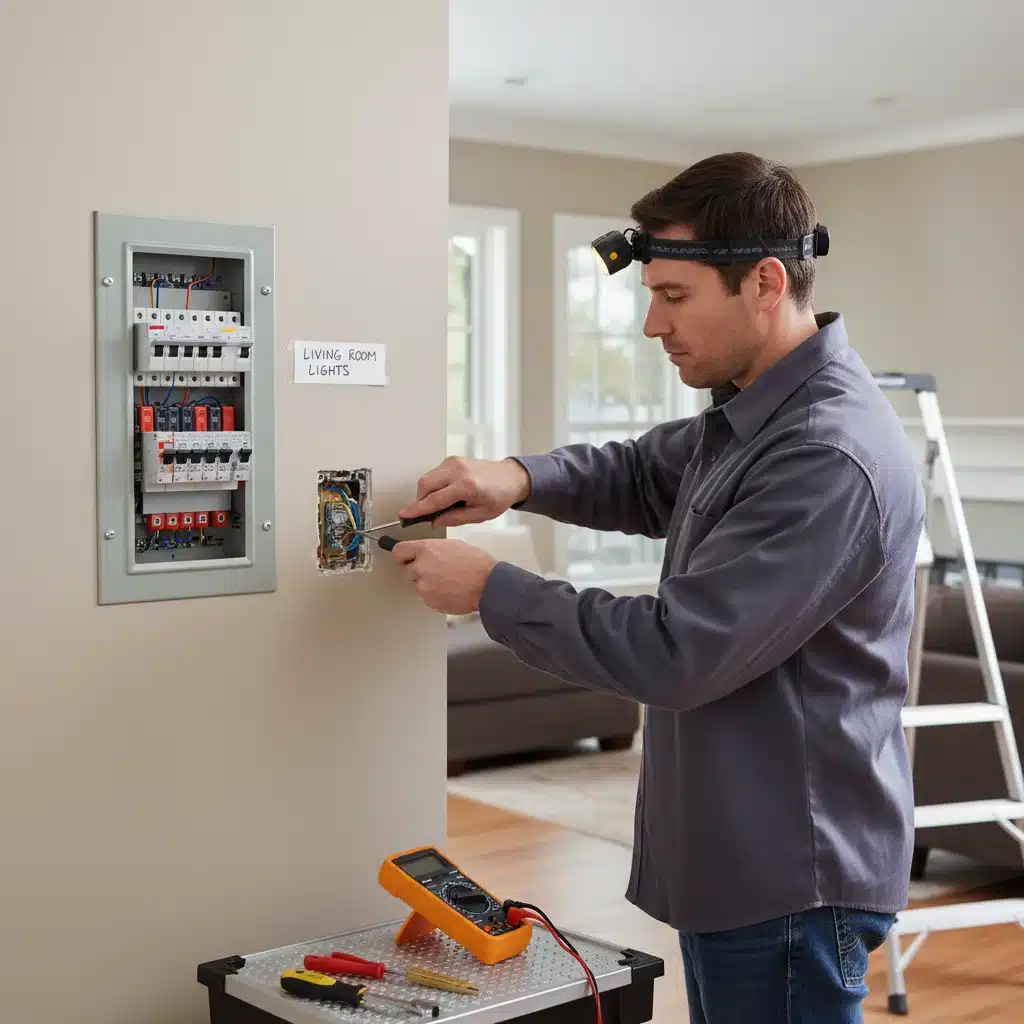
Your home’s electrical panel (breaker box) is the heart of its electrical system. Learn where it is and how to safely turn off power to individual circuits or the entire house. This knowledge is non-negotiable before attempting any electrical work. Labeling your breakers clearly will save you time and frustration.
Replacing Outlets and Light Switches
Loose or non-functioning outlets and switches are common. Replacing them is a relatively simple task, provided you follow strict safety guidelines. Always turn off the power to the circuit at the breaker box before you begin. Use a voltage tester to confirm the power is off. Once confirmed, you can safely remove the old device, connect the new one, and reinstall it. This fundamental home repair skill not only restores functionality but also improves safety by preventing potential fire hazards from faulty connections.
Troubleshooting Tripped Breakers
A tripped circuit breaker is usually a sign of an overloaded circuit. Instead of immediately calling an electrician, learn to identify the cause. Unplug some devices from the overloaded circuit, then reset the breaker. If the breaker trips repeatedly, it could indicate a more serious underlying electrical problem that warrants professional attention. Knowing the difference between a simple overload and a persistent issue is a valuable part of your home repair skills toolkit.
Safety Reminder: Never work on live wires. If you’re unsure about any electrical task, or if the problem seems complex, always call a licensed electrician. Electrical mistakes can be fatal or cause significant damage to your home.
3. Basic Carpentry and Drywall Repairs: Restoring Aesthetics and Function
From squeaky floors to holes in the wall, carpentry and drywall issues can detract from your home’s appearance and even compromise its structural integrity over time. Learning basic carpentry and drywall home repair skills will allow you to maintain your home’s beauty and functionality without breaking the bank.
Patching Drywall Holes and Cracks
Accidents happen, and holes in drywall are a common occurrence. Whether it’s a small nail hole or a larger impact hole, patching drywall is a skill anyone can master. Small holes can be filled with spackle, sanded, and painted. Larger holes require a drywall patch kit, which involves cutting out the damaged section, installing a new piece of drywall, taping the seams, applying joint compound (mud), sanding, and painting. This is an incredibly satisfying home repair skill to acquire, as it visibly improves your home’s interior.
Fixing Squeaky Floors and Loose Floorboards
Squeaky floors are often caused by loose subflooring or floorboards rubbing against each other or the joists. For subflooring, screws can often be used to secure it more firmly to the joists. For loose floorboards, small finishing nails driven at an angle can often solve the problem. Identifying the source of the squeak is the first step, and then applying the appropriate fix can restore peace and quiet to your home. Adding this to your home repair skills repertoire will make your living space much more comfortable.
Minor Wood Rot Repair
Wood rot can compromise structural elements and spread if not addressed. For minor rot, especially on trim or non-structural elements, you can often remove the rotted wood, treat the area with a wood hardener, and then fill it with wood filler or epoxy. Once cured, the area can be sanded and painted. This preventative home repair skill can save you from much larger, more expensive structural repairs down the line.
Tool Tip: A good quality hammer, a set of screwdrivers, a utility knife, a tape measure, and a level are indispensable for basic carpentry and drywall work.
4. Appliance Troubleshooting and Minor Repairs: Extending Lifespans
Modern appliances are complex, but many common issues can be resolved with a bit of troubleshooting and a few simple fixes. Learning these home repair skills can significantly extend the life of your appliances and save you from premature replacements or costly service calls.
Diagnosing Common Washing Machine Issues
Is your washing machine not draining, not spinning, or making strange noises? Often, the problem can be traced to a clogged drain pump filter, an unbalanced load, or a faulty lid switch. Consult your appliance’s manual for troubleshooting steps. Cleaning filters, ensuring balanced loads, and inspecting simple components can often bring your washer back to life. This specific type of home repair skill directly impacts your daily household efficiency.
Refrigerator Maintenance and Simple Fixes
A refrigerator that isn’t cooling properly might just need its condenser coils cleaned. These coils, usually located at the back or underneath the fridge, can accumulate dust and pet hair, hindering efficiency. Regularly cleaning them is a simple maintenance task that can prevent costly repairs. Other common issues include a faulty door seal (leading to energy loss) or a clogged defrost drain (causing water leaks). These are all manageable with basic home repair skills.
Dishwasher and Disposal Troubleshooting
For dishwashers, check for clogged spray arms or filters if dishes aren’t getting clean. For garbage disposals, a common issue is a jam, which can often be cleared by using the reset button or turning the flywheel at the bottom with an Allen wrench (always ensure power is off first!). These are quick fixes that prevent the need for professional intervention and fall squarely into the category of valuable home repair skills.
Remember: Always unplug an appliance before attempting any internal repairs. If an issue seems beyond your comfort level, or if it involves gas lines, always call a qualified technician.
5. Basic HVAC Maintenance and Filter Replacement: Breathing Easier and Saving Energy
Your Heating, Ventilation, and Air Conditioning (HVAC) system is one of the most expensive components of your home. Regular, simple maintenance can significantly improve its efficiency, extend its lifespan, and prevent costly breakdowns. Mastering these home repair skills related to HVAC is crucial for both comfort and your wallet.
Regular Filter Replacement
This is perhaps the simplest yet most overlooked HVAC maintenance task. Air filters should be checked monthly and replaced every 1-3 months, depending on your system, presence of pets, and air quality. A dirty filter restricts airflow, forcing your system to work harder, increasing energy consumption, and potentially leading to system failure. Knowing how to locate and replace your HVAC filter is a foundational home repair skill.
Cleaning Outdoor Condenser Units
The outdoor unit of your air conditioner (the condenser) can become covered in leaves, dirt, and debris, especially during certain seasons. This debris can impede airflow and reduce the unit’s efficiency. Safely turn off the power to the unit at the outdoor disconnect switch, then gently clear away any debris from the fins using a soft brush or hose. Be careful not to bend the delicate fins. This simple cleaning can make a big difference in your AC’s performance and is an essential home repair skill.
Thermostat Troubleshooting and Programming
Sometimes, what seems like an HVAC problem is actually just a thermostat issue. Learn how to change batteries, reset your thermostat, and program it effectively for energy savings. Upgrading to a smart thermostat can also provide significant benefits, and understanding its basic operation is a modern home repair skill that pays off.
Seasonal Checks: Before the heating season, ensure your vents are clear and not blocked by furniture. Before cooling season, perform the condenser cleaning. These routine checks are vital for maintaining an efficient HVAC system.
The Benefits of Mastering Home Repair Skills
The advantages of developing these essential home repair skills extend far beyond immediate cost savings. Let’s explore some of the profound impacts:
Significant Financial Savings
This is often the primary motivator. A single plumbing call for a leaky faucet can cost upwards of $150-$300. An electrician to replace an outlet might charge $100-$250. Multiply these by several small issues throughout the year, and the savings from DIY repairs quickly add up to hundreds, if not thousands, of dollars annually. Think of it as a direct investment in your financial well-being.
Increased Home Value and Longevity
A well-maintained home holds its value better and often sells faster. By promptly addressing minor issues, you prevent them from escalating into major, costly repairs that could deter potential buyers. Regular maintenance, facilitated by your newfound home repair skills, ensures your home’s systems last longer, delaying the need for expensive replacements of appliances or HVAC units.
Empowerment and Self-Sufficiency
There’s immense satisfaction in fixing something with your own hands. This sense of accomplishment builds confidence and fosters a greater understanding of how your home works. You become less reliant on external services, gaining a valuable sense of self-sufficiency. This empowerment is a less tangible but equally important benefit of acquiring robust home repair skills.
Faster Problem Resolution
When a pipe starts leaking or an outlet stops working, you don’t have to wait days for a professional to fit you into their schedule. With your home repair skills, you can often address the problem immediately, preventing further damage and restoring functionality much quicker.
Better Understanding of Your Home
As you delve into various repairs, you’ll gain a deeper understanding of your home’s intricate systems. This knowledge is invaluable for recognizing potential problems early, making informed decisions about larger renovations, and communicating effectively with professionals when their expertise is truly needed.
Getting Started: Your Home Repair Toolkit
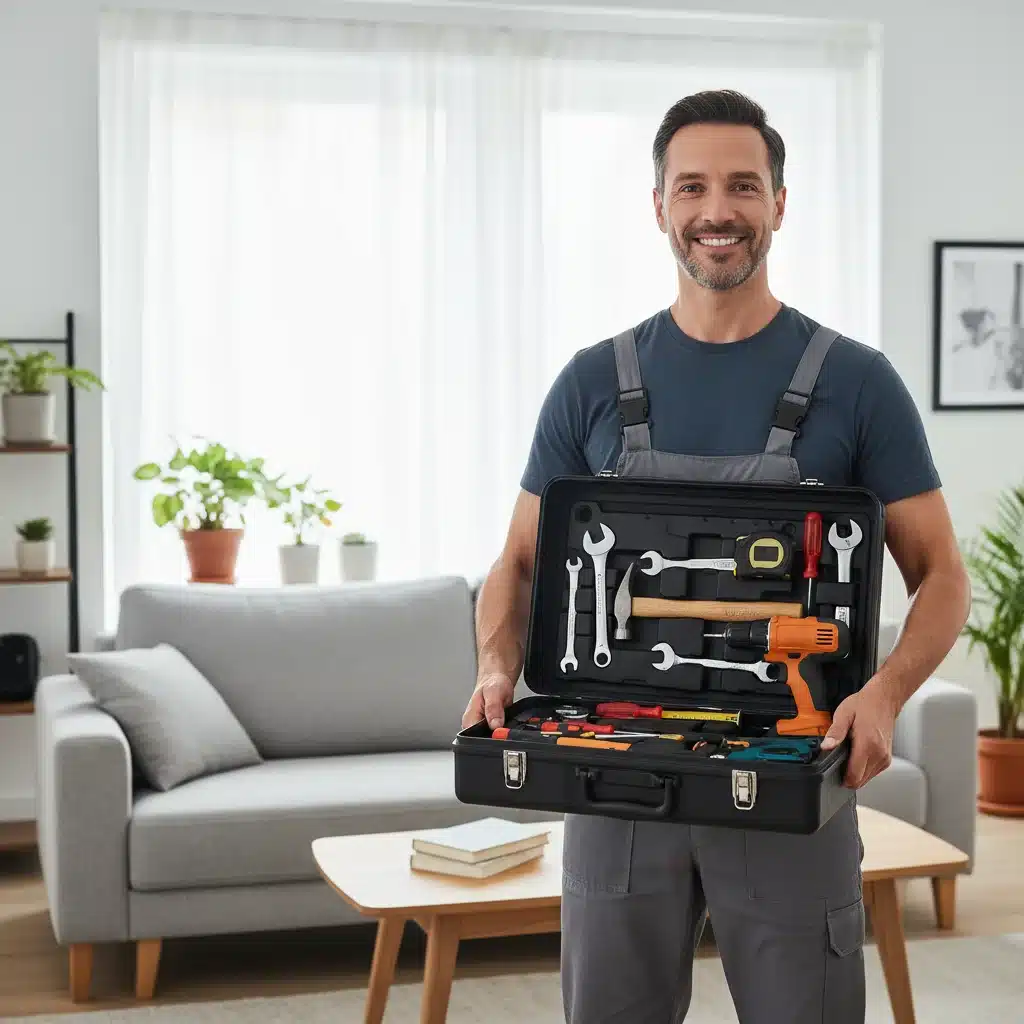
You don’t need a professional workshop to start building your home repair skills. A well-stocked basic toolkit is your first step. Here’s what you’ll need:
- Basic Hand Tools: Hammer, screwdrivers (Phillips and flathead), adjustable wrench, pliers (slip-joint, needle-nose, locking), utility knife, tape measure, level.
- Safety Gear: Safety glasses, work gloves, dust mask.
- Plumbing Specifics: Plunger, small drain snake, pipe wrench (for larger tasks), plumber’s tape.
- Electrical Specifics: Non-contact voltage tester, wire strippers, electrical tape.
- Drywall Specifics: Spackle knife, sanding block, small drywall saw (for larger patches).
- Miscellaneous: Flashlight or headlamp, sturdy stepladder, bucket, shop towels.
Start with quality tools; they will last longer and make your repair tasks easier and safer. As your home repair skills grow, you can gradually expand your toolkit.
Where to Learn More and Continue Developing Your Skills
The journey to mastering home repair skills is ongoing. Fortunately, there are countless resources available:
- YouTube Tutorials: An invaluable resource for visual learners. Search for specific repair tasks, and you’ll find step-by-step guides.
- Manufacturer Manuals: For appliance-specific issues, your appliance’s manual is often the best troubleshooting guide.
- Hardware Store Workshops: Many local hardware stores offer free or low-cost workshops on basic home repairs.
- Online Forums and Blogs: Communities of DIY enthusiasts can offer advice, tips, and solutions to common problems.
- Books and E-guides: Comprehensive home repair manuals can be excellent reference tools.
Don’t be afraid to start small. Tackle the easiest repairs first to build your confidence. Each successful fix will motivate you to take on more challenging projects, further honing your home repair skills.
Conclusion: Your Home, Your Control, Your Savings by 2026
By 2026, the landscape of homeownership will continue to emphasize efficiency, sustainability, and personal empowerment. Mastering these five essential home repair skills – basic plumbing, electrical, carpentry/drywall, appliance troubleshooting, and HVAC maintenance – positions you perfectly to thrive in this environment. You’ll not only save significant money annually but also gain a deeper connection to your home, ensuring its longevity and comfort. Begin your journey today, one repair at a time, and unlock the immense satisfaction and financial freedom that comes with being a truly capable homeowner.
Remember, safety first, always. And with a little patience, the right tools, and a willingness to learn, you’ll be amazed at what you can achieve. Start building your essential home repair skills now and prepare for a more self-sufficient and cost-effective future.