Mastering Auto Maintenance: Key Checks for Extended Car Lifespan
Owning a car is a significant investment, and like any valuable asset, it requires diligent care to maintain its performance, safety, and longevity. Far too often, car owners overlook the importance of regular auto maintenance tips, leading to costly repairs, reduced fuel efficiency, and a shorter vehicle lifespan. Imagine adding two, three, or even more years to your car’s operational life simply by implementing a few straightforward checks and habits. This comprehensive guide is designed to empower you with the knowledge and practical auto maintenance tips needed to keep your vehicle running smoothly for years to come.
The automotive landscape has evolved, with modern vehicles boasting advanced technology and intricate systems. However, the fundamental principles of car care remain timeless. Proactive maintenance isn’t just about fixing problems; it’s about preventing them. By understanding and performing essential auto maintenance tips, you not only save money on major repairs but also ensure a safer driving experience for yourself and your loved ones. Let’s delve into the crucial aspects of vehicle upkeep that can truly make a difference.
The Foundation of Longevity: Why Regular Auto Maintenance Matters
Before we dive into specific auto maintenance tips, it’s vital to grasp the overarching importance of a consistent maintenance routine. Think of your car as a complex organism; every part plays a role, and neglecting one can impact the entire system. Regular maintenance helps identify minor issues before they escalate into major, expensive problems. For instance, a small leak detected early can be a simple fix, but if left unattended, it could lead to catastrophic engine failure.
Beyond preventing breakdowns, consistent auto maintenance also contributes significantly to your vehicle’s efficiency. Properly inflated tires, clean air filters, and fresh engine oil all work in concert to optimize fuel economy. This means fewer trips to the gas station and more money in your pocket. Furthermore, a well-maintained car retains its resale value much better than one that has been neglected. When it comes time to sell or trade in your vehicle, a comprehensive service history and a car that looks and performs well will fetch a higher price.
Safety is another paramount reason for adhering to a strict maintenance schedule. Critical components like brakes, tires, and steering systems directly impact your ability to control the vehicle and react to unexpected road conditions. Regular inspections of these parts are not just recommendations; they are essential for your safety and the safety of others on the road. By following these auto maintenance tips, you’re not just taking care of your car; you’re taking care of yourself and your passengers.
Essential Auto Maintenance Tips: Your Checklist for a Healthier Car
Now, let’s get down to the actionable auto maintenance tips that will form the backbone of your car care regimen. These checks are generally easy to perform, require minimal tools, and can be done at home with a little guidance. For more complex tasks, professional help is always recommended, but understanding these basics will empower you to communicate effectively with your mechanic and make informed decisions.
1. The Lifeline of Your Engine: Oil and Fluid Checks
Engine oil is the lifeblood of your vehicle. It lubricates moving parts, reduces friction, dissipates heat, and cleans the engine. Regularly checking and changing your oil is perhaps the most critical of all auto maintenance tips. Refer to your car’s owner’s manual for the recommended oil type and change interval, which typically ranges from every 3,000 to 10,000 miles, depending on the oil type (conventional, synthetic blend, full synthetic) and driving conditions.
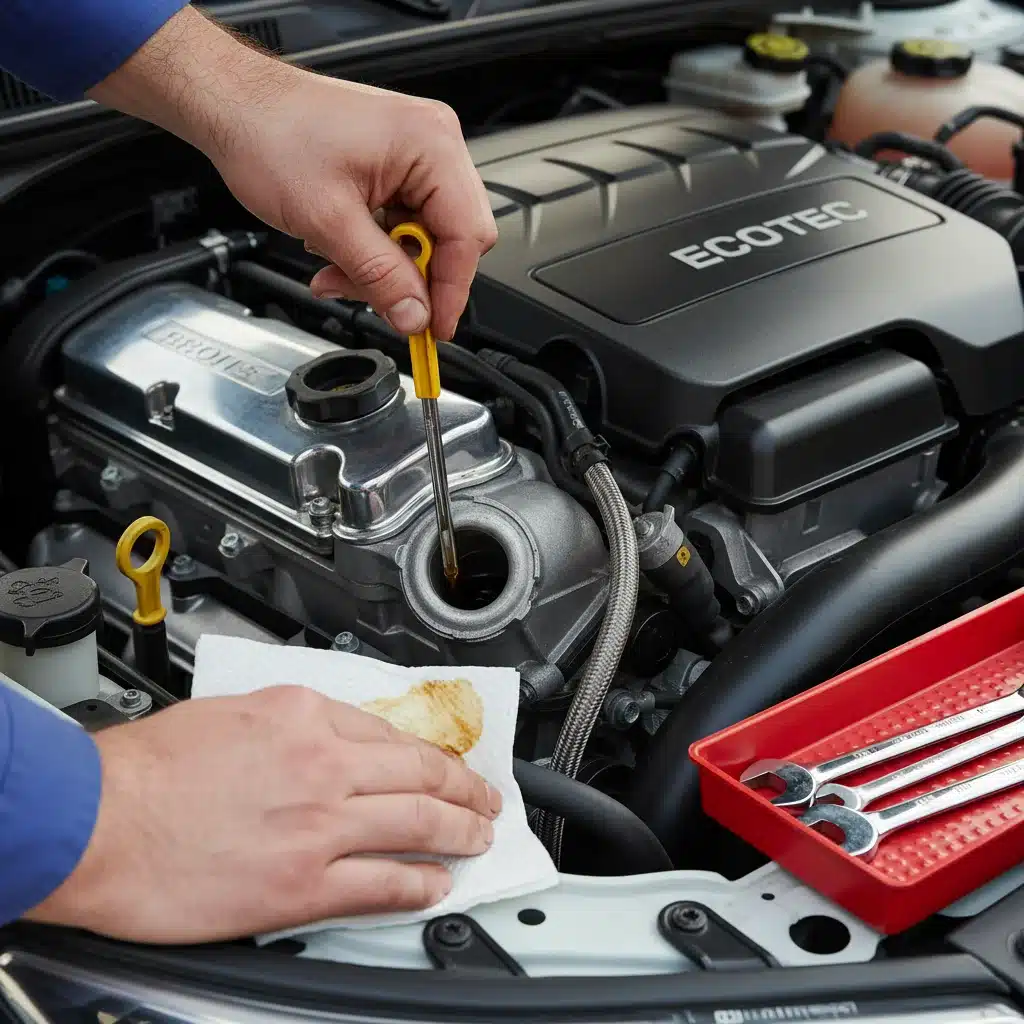
How to Check Engine Oil:
- Park your car on level ground and ensure the engine is cool (or has been off for at least 15 minutes).
- Locate the dipstick, usually with a brightly colored handle.
- Pull it out, wipe it clean, reinsert it fully, then pull it out again.
- Check the oil level against the ‘full’ and ‘add’ marks. If it’s below ‘add,’ top it up with the recommended oil type.
- Observe the oil’s color and consistency. Dark, gritty oil indicates it’s time for a change.
Beyond engine oil, several other fluids require attention:
- Coolant/Antifreeze: Prevents your engine from overheating and freezing. Check the reservoir level when the engine is cold.
- Brake Fluid: Essential for your braking system. Low levels can indicate a leak or worn brake pads. Never ignore low brake fluid.
- Power Steering Fluid: Ensures smooth steering. Check its level, especially if steering feels stiff.
- Transmission Fluid: Lubricates and cools the transmission. Some modern transmissions are sealed, but if accessible, check according to your manual.
- Windshield Washer Fluid: Keeps your visibility clear. Easy to check and refill.
These fluid checks are fundamental auto maintenance tips that can prevent major system failures and keep your car operating at its peak.
2. Your Car’s Connection to the Road: Tire Care and Maintenance
Tires are your car’s only point of contact with the road, making their condition paramount for safety, handling, and fuel efficiency. Neglecting tire maintenance can lead to blowouts, poor traction, and uneven wear, shortening their lifespan and increasing your risk of accidents. Integrating regular tire checks into your auto maintenance tips routine is non-negotiable.
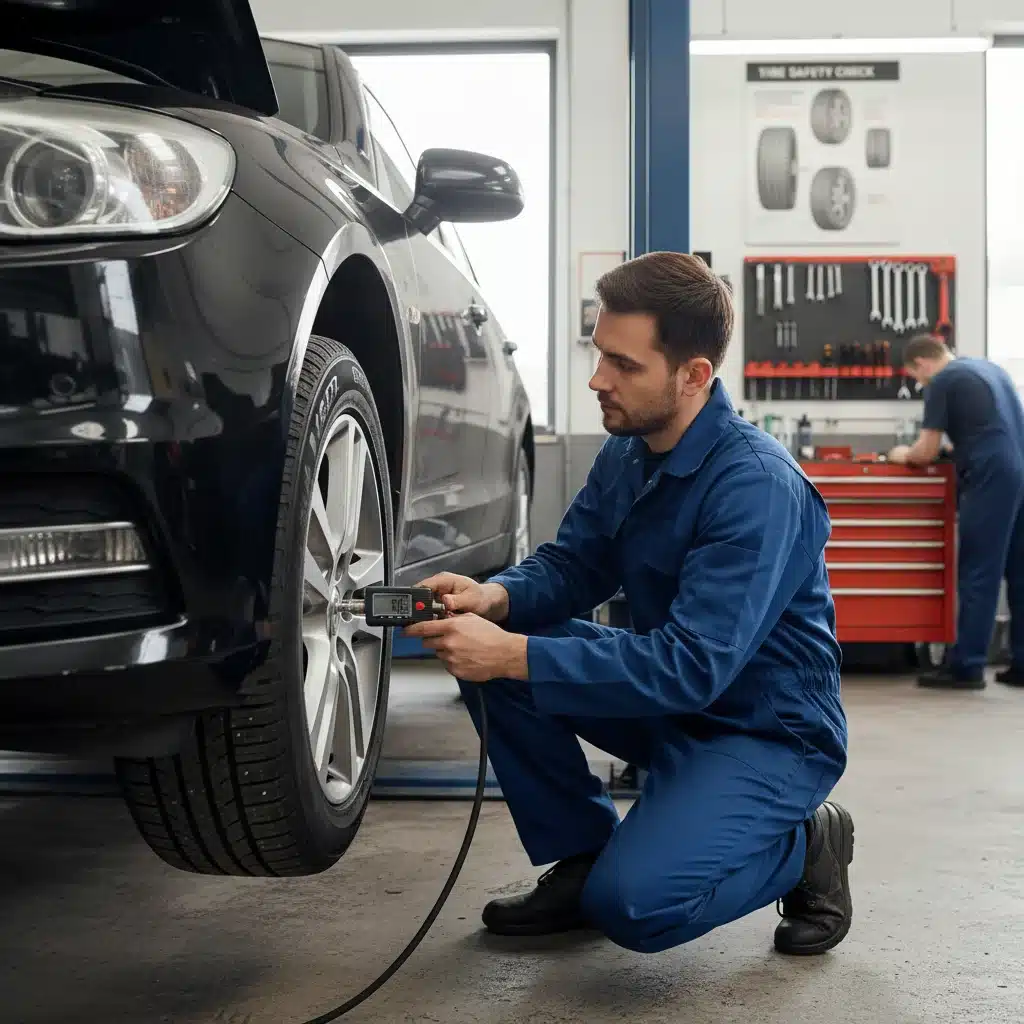
Key Tire Maintenance Practices:
- Tire Pressure: Check your tire pressure at least once a month and before long trips, using a reliable tire pressure gauge. The recommended pressure (PSI) is usually found on a sticker inside your driver’s side door jamb or in your owner’s manual, not on the tire sidewall. Incorrect pressure affects handling, fuel economy, and tire wear.
- Tread Depth: Use a tread depth gauge or the ‘penny test’ to check your tire tread. Insert a penny into a tread groove with Lincoln’s head upside down. If you can see the top of Lincoln’s head, your tread is too shallow (less than 2/32 of an inch), and your tires need replacement.
- Tire Rotation: Rotate your tires every 5,000 to 7,500 miles, or as recommended by your vehicle manufacturer. This helps ensure even wear across all four tires, extending their lifespan.
- Wheel Alignment and Balancing: If you notice uneven tire wear, steering wheel vibration, or your car pulling to one side, it might be time for a wheel alignment or balancing. These services ensure your wheels are properly oriented and weighted, improving handling and tire longevity.
By diligently following these tire-related auto maintenance tips, you’ll enhance your driving safety and get the most out of your tire investment.
3. Stopping Power: Brake System Inspection
Your brakes are arguably the most critical safety system in your car. A malfunctioning brake system can have catastrophic consequences. Regular inspection of your brake components is one of the most vital auto maintenance tips. Don’t wait until you hear grinding noises or feel a spongy pedal to address brake issues.
What to Look and Listen For:
- Brake Pads: Most brake pads have wear indicators that produce a squealing sound when they’re getting thin. If you hear this, get them checked immediately. Some vehicles have electronic wear sensors that trigger a dashboard warning light.
- Brake Rotors: These are the discs that the brake pads clamp onto. Look for deep grooves, warping (which can cause vibrations when braking), or excessive rust.
- Brake Fluid: As mentioned, check the brake fluid level. If it’s consistently low, it could indicate a leak or severely worn pads.
- Brake Pedal Feel: A spongy, soft, or unusually hard brake pedal can signal problems with the hydraulic system, master cylinder, or brake booster.
- Pulling: If your car pulls to one side when braking, it could be an issue with a caliper, brake hose, or uneven pad wear.
Even if you don’t detect any obvious issues, it’s a good practice to have your brakes inspected by a professional at least once a year or every 12,000 miles. Incorporating this into your auto maintenance tips routine ensures peace of mind on the road.
4. Keeping the Lights On: Battery Health and Electrical System
Your car’s battery powers everything from starting the engine to running the infotainment system. A weak or failing battery can leave you stranded. While modern batteries are largely maintenance-free, a few simple auto maintenance tips can extend their life and prevent unexpected failures.
Battery and Electrical System Checks:
- Visual Inspection: Look for corrosion around the battery terminals (a white, powdery substance). Clean it off with a wire brush and a mixture of baking soda and water. Ensure the battery terminals are tight.
- Battery Age: Car batteries typically last 3-5 years. If yours is approaching this age, consider having it tested, especially before winter.
- Battery Test: Many auto parts stores offer free battery testing. This will tell you if your battery is holding a charge effectively.
- Alternator Check: The alternator charges your battery while the engine is running. If your battery light comes on while driving, it often indicates an alternator issue.
- Lights and Fuses: Periodically check all your lights – headlights, taillights, brake lights, turn signals, and interior lights. Replace burnt-out bulbs promptly. If a light or electrical component isn’t working, check the fuse box (located under the hood or dashboard) for a blown fuse.
These electrical auto maintenance tips are crucial for ensuring your car starts reliably and all its electrical systems function as intended.
Beyond the Basics: Advanced Auto Maintenance Tips for the Enthusiast
While the four core areas above are essential, there are other auto maintenance tips that can further enhance your car’s performance and longevity. These might require a bit more technical know-how or professional assistance, but they contribute significantly to overall vehicle health.
Air Filter Replacement
Your engine needs clean air to operate efficiently. A clogged engine air filter restricts airflow, reducing engine power and fuel efficiency. It also allows dirt and debris into the engine, causing premature wear. Check your engine air filter every 12,000-15,000 miles or annually, and replace it if it’s dirty. Similarly, your cabin air filter (which filters air entering the passenger compartment) should also be checked and replaced periodically to ensure clean air inside your car.
Spark Plugs and Ignition System
Spark plugs ignite the air-fuel mixture in your engine’s cylinders. Worn-out spark plugs can lead to misfires, reduced fuel economy, and poor engine performance. Depending on your vehicle and spark plug type (copper, platinum, iridium), they may need replacement every 30,000 to 100,000 miles. This is a more involved task, often best left to a professional, but understanding its importance is a key auto maintenance tip.
Belts and Hoses Inspection
Your engine relies on various belts (serpentine belt, timing belt) and hoses (radiator hoses, heater hoses) to function. Belts drive accessories like the alternator, power steering pump, and air conditioning compressor. Hoses carry vital fluids. Inspect them regularly for cracks, fraying, bulges, or leaks. A broken belt or burst hose can lead to immediate breakdown and potential engine damage. Replacing these components proactively is a smart auto maintenance tip.
Exhaust System Check
The exhaust system manages harmful emissions and reduces engine noise. Rust, leaks, or damage can lead to increased noise, reduced fuel efficiency, and potentially dangerous exhaust fumes entering the cabin. Periodically inspect the exhaust pipes, muffler, and catalytic converter for any signs of damage or corrosion.
Suspension and Steering Components
Components like shock absorbers, struts, ball joints, and tie rods are crucial for a comfortable ride, stable handling, and safe steering. If you notice excessive bouncing, uneven tire wear, clunking noises over bumps, or loose steering, have your suspension and steering systems inspected by a professional. These are critical auto maintenance tips for driving safety and comfort.
Creating Your Personalized Auto Maintenance Schedule
The best way to stay on top of your car’s needs is to develop a personalized maintenance schedule. Your owner’s manual is the ultimate resource for this, outlining manufacturer-recommended service intervals based on mileage and time. However, your driving habits and environmental conditions can also influence how often certain tasks need to be performed.
General Guidelines for a Maintenance Schedule:
- Monthly Checks: Tire pressure, fluid levels (oil, coolant, washer fluid), lights, and dashboard warning indicators.
- Every 3-6 Months / 3,000-7,500 Miles: Oil and filter change (depending on oil type), tire rotation, battery check, visual inspection of belts and hoses.
- Annually / Every 12,000-15,000 Miles: Comprehensive multi-point inspection, brake inspection, cabin and engine air filter replacement, fluid top-offs/flushes as needed (e.g., power steering, transmission fluid – check manual).
- Every 30,000-60,000 Miles: Spark plug replacement, fuel filter replacement, thorough inspection of suspension components, potentially transmission fluid flush (if recommended by manufacturer).
- Every 60,000-100,000 Miles: Timing belt replacement (if applicable), major fluid flushes (coolant, brake fluid), and a comprehensive check of all major systems.
Keeping detailed records of all maintenance performed, whether by you or a professional, is another invaluable auto maintenance tip. This not only helps you track what’s been done but also serves as proof of diligent care, which can be a significant advantage when selling your car.
Common Misconceptions About Auto Maintenance
Despite the clear benefits, several myths and misconceptions often deter car owners from embracing regular auto maintenance. Let’s debunk a few:
- Myth 1: New cars don’t need much maintenance. While modern cars are more reliable, they still require regular oil changes, fluid checks, tire rotations, and inspections. Neglecting these can void warranties and lead to premature wear.
- Myth 2: I only need to worry about maintenance when a warning light comes on. Warning lights indicate a problem has already occurred. Proactive maintenance aims to prevent these issues before they arise.
- Myth 3: DIY maintenance is too complicated/risky. Many basic checks (like oil, tire pressure, fluid levels) are simple and safe for anyone to perform. Knowing these basics empowers you and helps you avoid unnecessary mechanic visits.
- Myth 4: Dealership service is always more expensive and unnecessary. While independent shops can be more affordable, dealerships often have specialized tools, factory-trained technicians, and genuine OEM parts, especially beneficial for newer vehicles or complex repairs. It’s about finding the right balance for your car’s needs.
- Myth 5: Flushes are always better than simple fluid changes. Not all fluids require flushing, and some manufacturers specifically advise against it. Always consult your owner’s manual or a trusted mechanic for fluid service recommendations.
Understanding these points helps you make more informed decisions about your car’s care and ensures you’re applying the most effective auto maintenance tips.
The Long-Term Benefits: Saving Money and Extending Lifespan
The initial thought of regular maintenance might seem like an added expense, but in reality, it’s a significant money-saver in the long run. Consider the cost of replacing an engine due to neglected oil changes versus the cost of routine oil changes over several years. The difference is astronomical.
By consistently applying these auto maintenance tips, you:
- Avoid Major Repairs: Catching small issues early prevents them from becoming large, expensive problems.
- Improve Fuel Efficiency: A well-maintained engine and properly inflated tires use less fuel, saving you money at the pump.
- Enhance Resale Value: A car with a complete service history and in excellent condition will command a higher price when you decide to sell.
- Increase Safety: Reliable brakes, tires, and steering mean a safer ride for you and your passengers.
- Extend Vehicle Lifespan: The most significant benefit is adding years to your car’s operational life, delaying the need for a new car purchase.
These benefits underscore the value of adopting a proactive approach to car care. It’s an investment that pays dividends in both financial savings and peace of mind.
Conclusion: Empowering Yourself with Auto Maintenance Tips
Taking care of your car doesn’t have to be a daunting task. By focusing on essential auto maintenance tips, you can significantly extend your vehicle’s lifespan, improve its performance, ensure your safety, and save a considerable amount of money over time. From regularly checking your oil and fluids to diligently maintaining your tires and brakes, each small action contributes to the overall health and longevity of your vehicle.
Remember, your car’s owner’s manual is your best friend. It contains specific recommendations tailored to your make and model. Combine that knowledge with the practical auto maintenance tips discussed here, and you’ll be well on your way to enjoying many more years with your trusty vehicle. Don’t wait for a problem to arise; embrace preventive maintenance and drive with confidence, knowing you’ve done everything to keep your car in top condition.
Start today by checking one of the items on this list. Your car, and your wallet, will thank you for it!