Mastering Basic Cooking Techniques: Prepare 4 Go-To Meals for Any Weeknight
Are you tired of relying on takeout or pre-made meals? Do you dream of confidently whipping up delicious, wholesome dinners without the stress? You’re in the right place! This comprehensive guide will empower you with fundamental basic cooking techniques, transforming you from a kitchen novice into a confident home chef. We’ll not only cover the essential skills but also apply them directly to four incredibly versatile and delicious go-to weeknight meals that will become staples in your culinary repertoire.
The journey to becoming a great cook doesn’t require a culinary degree or expensive gadgets. It starts with understanding and practicing a few core basic cooking techniques. Once you grasp these, the possibilities in your kitchen become endless. Imagine the satisfaction of preparing a healthy, flavorful meal from scratch, tailored exactly to your taste. This isn’t just about saving money; it’s about better health, greater control over your food, and the sheer joy of creation.
We’ll break down complex processes into simple, actionable steps, ensuring that by the end of this article, you’ll feel equipped to tackle your kitchen with newfound enthusiasm. From mastering knife skills to understanding heat management, each technique is a building block towards culinary independence. So, tie on your apron, gather your enthusiasm, and let’s embark on this delicious adventure together!
Why Master Basic Cooking Techniques?
Before we dive into the ‘how,’ let’s briefly touch upon the ‘why.’ Mastering basic cooking techniques offers a multitude of benefits that extend far beyond the dinner table:
- Healthier Eating: When you cook at home, you control the ingredients, reducing unhealthy fats, sugars, and additives often found in processed foods.
- Cost Savings: Eating out frequently can be expensive. Home-cooked meals are significantly more budget-friendly.
- Reduced Food Waste: Learning to utilize ingredients effectively and plan meals helps minimize waste.
- Stress Reduction: The act of cooking can be meditative and a wonderful way to unwind after a long day.
- Creative Outlet: Cooking is an art form. Once you master the basics, you can experiment and create your own unique dishes.
- Life Skill: Knowing how to cook is a fundamental life skill that provides independence and confidence.
- Social Connection: Sharing a home-cooked meal with loved ones is a powerful way to connect and create memories.
These benefits underscore the importance of investing time in learning and practicing basic cooking techniques. It’s an investment that pays dividends daily, enriching your life in countless ways.
Essential Basic Cooking Techniques Every Beginner Needs
Let’s get to the heart of the matter: the foundational basic cooking techniques that will serve as your culinary bedrock. Don’t be intimidated; each one is simpler than it sounds, and practice makes perfect.
1. Knife Skills: The Foundation of Efficiency
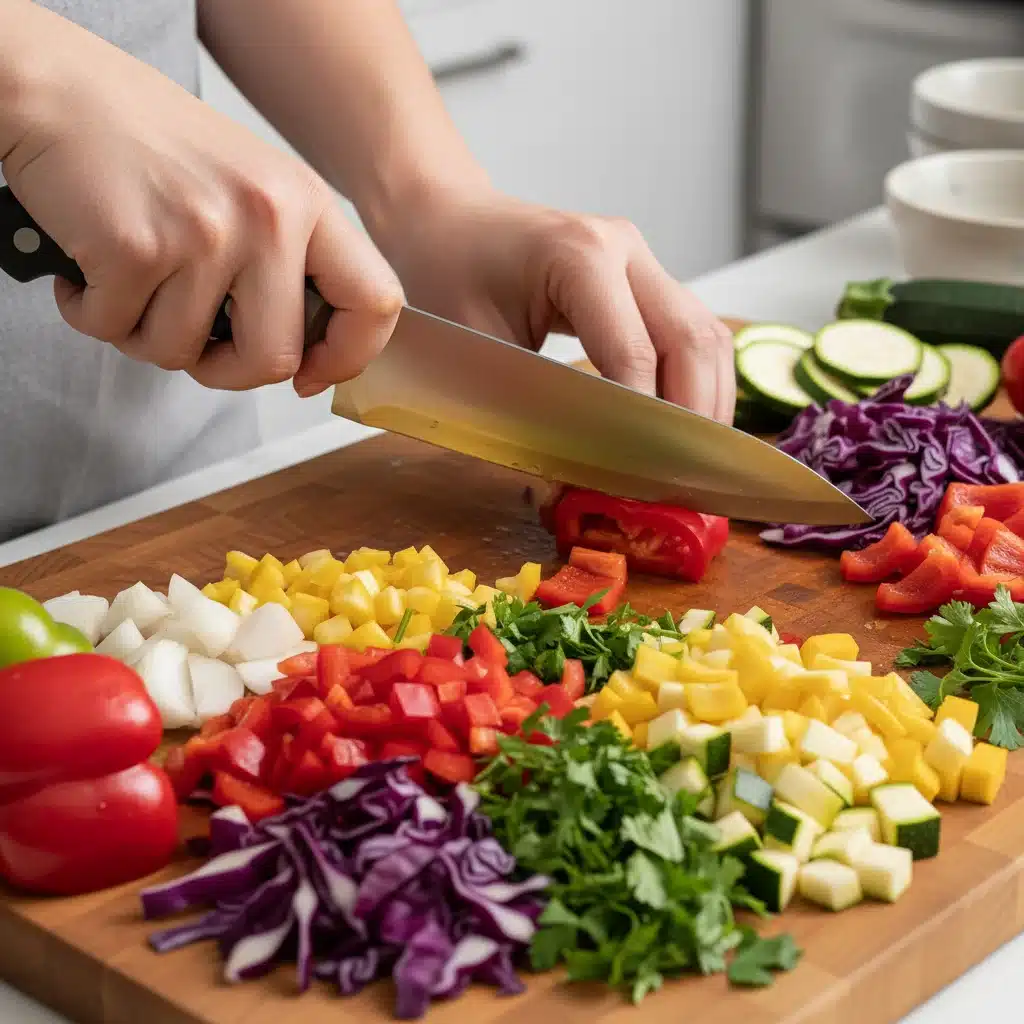
Good knife skills are paramount. They make cooking faster, safer, and more enjoyable. You don’t need a professional chef’s knife collection; a sharp chef’s knife, a paring knife, and a serrated knife will cover most of your needs.
- The Claw Grip: This is crucial for safety. Curl your fingertips inward, holding the food with your knuckles against the blade. This protects your fingertips from the blade.
- Rocking Motion: For dicing and mincing, use a gentle rocking motion with your chef’s knife. Keep the tip of the blade on the cutting board and lift the heel, pushing forward and down.
- Basic Cuts:
- Slice: Cutting food across the grain into thin, even pieces.
- Dice: Cutting food into small, uniform cubes (e.g., 1/2-inch, 1/4-inch). Consistency is key for even cooking.
- Mince: Chopping food into very fine, tiny pieces (e.g., garlic, herbs).
- Keeping Your Knives Sharp: A sharp knife is safer than a dull one. Learn to use a honing steel regularly to maintain the edge between professional sharpenings.
Practicing these basic cooking techniques with your knife will dramatically improve your speed and confidence in the kitchen. Start with soft vegetables like onions or bell peppers.
2. Sautéing: Quick Cooking with Flavor
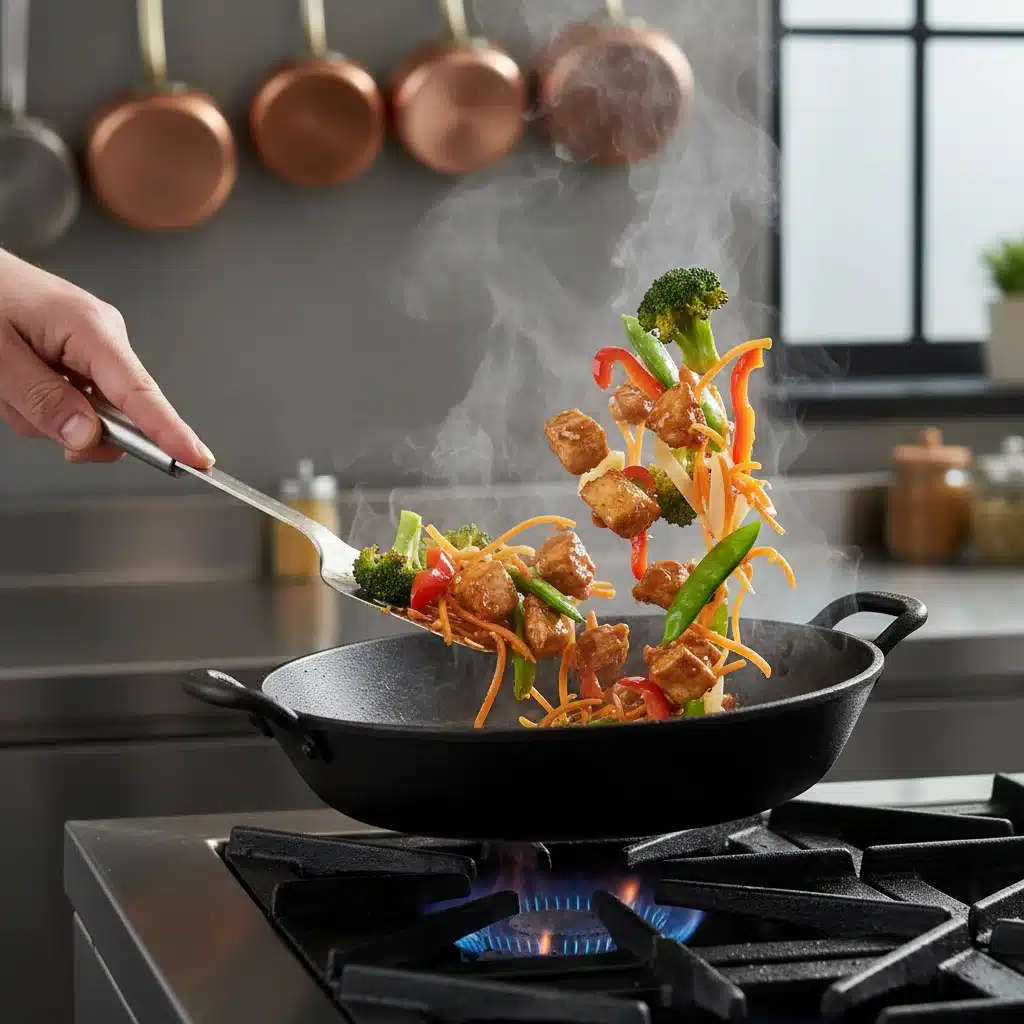
Sautéing (from the French word "sauter," meaning "to jump") is a fast cooking method that uses a small amount of fat in a hot pan. It’s perfect for tender vegetables, small pieces of meat, and creating rich flavors.
- Heat Management: This is key. Preheat your pan over medium-high heat before adding oil. The oil should shimmer, but not smoke.
- Don’t Overcrowd the Pan: This is a common mistake. Overcrowding lowers the pan’s temperature, steaming the food instead of searing it, leading to soggy results. Cook in batches if necessary.
- Stirring/Tossing: Keep the food moving to ensure even cooking and browning.
- Fat Choice: Olive oil, butter, and vegetable oils are common choices. Choose based on flavor and smoke point.
Sautéing is a fundamental skill among basic cooking techniques that you’ll use almost daily. It’s excellent for building flavor layers in many dishes.
3. Roasting: Bringing Out Natural Sweetness
Roasting involves cooking food in an oven with dry heat, typically at higher temperatures. This method caramelizes the natural sugars, creating a delicious browned exterior and tender interior.
- Even Pieces: Cut vegetables or meat into similar-sized pieces for even cooking.
- Seasoning: Toss with a little oil, salt, pepper, and your favorite herbs and spices.
- Single Layer: Spread food in a single layer on a baking sheet. Again, overcrowding leads to steaming, not roasting.
- High Heat: Most vegetables roast well between 375°F (190°C) and 425°F (220°C). Meat temperatures vary.
Roasting is one of the most hands-off basic cooking techniques, perfect for meal prepping or when you want maximum flavor with minimal effort.
4. Boiling and Simmering: Gentle Cooking for Soups and Grains
These two related basic cooking techniques are essential for cooking pasta, grains, vegetables, and creating flavorful stocks and sauces.
- Boiling: Rapidly bubbling water, indicating high heat. Used for pasta, blanching vegetables, and speeding up initial cooking.
- Simmering: Gentle bubbles breaking the surface of the liquid, just below a boil. Ideal for developing flavors in soups, stews, and sauces, and for cooking grains like rice or quinoa.
- Seasoning Water: Always salt your pasta water! It seasons the pasta from within.
- Lid Usage: Covering a pot helps bring water to a boil faster and maintains a simmer more effectively.
Understanding the difference and proper application of boiling and simmering is crucial for many comfort foods.
5. Pan-Frying/Shallow Frying: Crispy Exteriors
Pan-frying uses a moderate amount of fat to cook food, creating a crispy, golden-brown crust. It’s slightly different from sautéing, often involving larger pieces of food or items with a coating.
- Even Thickness: Ensure your food (e.g., chicken cutlets, fish fillets) is of even thickness for uniform cooking. Pounding chicken breasts is a great trick.
- Adequate Fat: Use enough oil or butter to cover the bottom of the pan, but not so much that the food is submerged.
- Proper Temperature: The fat should be hot enough to sizzle when food is added, but not smoking. Too low, and food absorbs too much oil; too high, and it burns.
- Don’t Rush: Allow a good crust to form on one side before flipping.
This is a satisfying one of the basic cooking techniques for achieving that perfect crispy texture.
Applying Basic Cooking Techniques: 4 Go-To Weeknight Meals
Now that we’ve covered the essential basic cooking techniques, let’s put them into practice with four delicious and easy weeknight meals. These recipes are designed to be flexible and adaptable, allowing you to build confidence and customize them to your liking.
Meal 1: Speedy Chicken & Veggie Stir-Fry
Techniques Used: Knife Skills (slicing, dicing), Sautéing, Pan-Frying
A stir-fry is the quintessential quick weeknight meal, perfect for using up leftover vegetables and mastering high-heat cooking.
Ingredients:
- 1 lb boneless, skinless chicken breast or thighs, thinly sliced or diced
- 1 tbsp soy sauce (or tamari for gluten-free)
- 1 tsp cornstarch
- 2 tbsp vegetable oil (or other high smoke point oil)
- 1 head broccoli, cut into florets
- 2 carrots, julienned or thinly sliced
- 1 red bell pepper, thinly sliced
- 1/2 onion, thinly sliced
- 2 cloves garlic, minced
- 1-inch ginger, grated (optional)
- For the Stir-Fry Sauce:
- 1/4 cup soy sauce
- 2 tbsp rice vinegar
- 1 tbsp sesame oil
- 1 tbsp brown sugar or honey
- 1 tsp cornstarch (mixed with 1 tbsp water)
- Cooked rice or noodles for serving
Instructions:
- Prep the Chicken (Pan-Frying/Sautéing Prep): In a bowl, toss sliced chicken with 1 tbsp soy sauce and 1 tsp cornstarch. This velvet-ing step helps keep the chicken tender. Set aside.
- Prep the Veggies (Knife Skills): Using your sharpened knife and claw grip, slice the chicken, cut broccoli into florets, julienne carrots, slice bell pepper and onion, and mince garlic and ginger. Keep vegetables separate as they cook at different rates.
- Make the Sauce: Whisk together all stir-fry sauce ingredients in a small bowl until smooth.
- Cook the Chicken (Sautéing/Pan-Frying): Heat 1 tbsp oil in a large skillet or wok over medium-high heat until shimmering. Add chicken in a single layer and cook for 2-3 minutes per side until browned and cooked through. Remove chicken from the pan and set aside.
- Cook the Vegetables (Sautéing): Add the remaining 1 tbsp oil to the pan. Add broccoli and carrots, stir-fry for 3-4 minutes until slightly tender-crisp. Add bell pepper and onion, cook for another 2-3 minutes. Finally, add minced garlic and ginger, stir-fry for 30 seconds until fragrant.
- Combine and Finish: Return cooked chicken to the pan with the vegetables. Pour the prepared stir-fry sauce over everything. Stir constantly for 1-2 minutes until the sauce thickens and coats all ingredients.
- Serve immediately over cooked rice or noodles.
This meal demonstrates how efficient basic cooking techniques like proper knife work and sautéing can lead to a quick, flavorful dinner.
Meal 2: Roasted Sheet Pan Sausage & Veggies
Techniques Used: Knife Skills (chopping), Roasting
The sheet pan meal is a weeknight hero, minimizing cleanup and maximizing flavor through roasting.
Ingredients:
- 1 lb pre-cooked chicken or Italian sausage, cut into 1-inch pieces
- 1 head broccoli, cut into florets
- 2 bell peppers (any color), cut into 1-inch pieces
- 1 red onion, cut into wedges
- 1 pint cherry tomatoes (optional)
- 2 tbsp olive oil
- 1 tsp dried Italian seasoning
- 1/2 tsp garlic powder
- Salt and black pepper to taste
Instructions:
- Preheat Oven & Prep Pan: Preheat oven to 400°F (200°C). Line a large baking sheet with parchment paper for easy cleanup.
- Prep Ingredients (Knife Skills): Cut your sausage into 1-inch pieces. Using your knife skills, cut broccoli into florets, bell peppers into 1-inch pieces, and the red onion into wedges.
- Season & Toss (Roasting Prep): In a large bowl, combine the sausage, broccoli, bell peppers, red onion, and cherry tomatoes (if using). Drizzle with olive oil, then sprinkle with Italian seasoning, garlic powder, salt, and pepper. Toss well to ensure everything is evenly coated.
- Roast (Roasting): Spread the seasoned mixture in a single layer on the prepared baking sheet. Ensure there’s enough space for air to circulate; if your sheet is too crowded, use two.
- Roast for 20-25 minutes, or until vegetables are tender-crisp and slightly caramelized, and sausage is heated through and lightly browned. Give the pan a shake or stir halfway through cooking for even browning.
- Serve hot as is, or with a side of quinoa or rice.
This recipe perfectly highlights the simplicity and deliciousness that comes from mastering the roasting basic cooking technique.
Meal 3: Classic Marinara with Pasta
Techniques Used: Knife Skills (mincing, dicing), Sautéing, Simmering, Boiling
A good marinara sauce is a cornerstone of Italian-American cooking and a fantastic way to practice gentle simmering and flavor building.
Ingredients:
- 1 tbsp olive oil
- 1/2 medium onion, finely diced
- 2-3 cloves garlic, minced
- 1 (28-ounce) can crushed tomatoes
- 1 (15-ounce) can tomato sauce (or more crushed tomatoes)
- 1/2 tsp dried oregano
- 1/4 tsp red pepper flakes (optional, for a kick)
- Salt and black pepper to taste
- A pinch of sugar (to balance acidity, optional)
- Fresh basil leaves, torn (for garnish)
- 1 lb pasta of your choice
- Parmesan cheese, grated (for serving)
Instructions:
- Prep Aromatics (Knife Skills): Finely dice the onion and mince the garlic. Consistent, small pieces are important for flavor integration.
- Sauté Aromatics (Sautéing): Heat olive oil in a large pot or Dutch oven over medium heat. Add diced onion and cook, stirring occasionally, until softened and translucent, about 5-7 minutes. Add minced garlic and red pepper flakes (if using), cook for another minute until fragrant, being careful not to burn the garlic.
- Build the Sauce (Simmering): Pour in the crushed tomatoes and tomato sauce. Stir in dried oregano, salt, pepper, and a pinch of sugar if desired. Bring the sauce to a gentle simmer.
- Simmer & Develop Flavor: Reduce heat to low, cover partially, and let the sauce simmer for at least 30 minutes, or up to an hour, stirring occasionally. The longer it simmers, the more the flavors will meld and deepen.
- Cook the Pasta (Boiling): While the sauce simmers, bring a large pot of heavily salted water to a rolling boil. Add your pasta and cook according to package directions until al dente (tender but with a slight bite).
- Combine & Serve: Drain the pasta, reserving about 1/2 cup of the pasta water. Add the drained pasta directly to the marinara sauce. Toss to combine, adding a splash of reserved pasta water if the sauce is too thick.
- Serve immediately, garnished with fresh basil and grated Parmesan cheese.
This recipe showcases effective use of basic cooking techniques like sautéing for building flavor and simmering for depth.
Meal 4: Easy Pan-Seared Salmon with Roasted Asparagus
Techniques Used: Pan-Frying, Roasting
This meal highlights two simple yet elegant basic cooking techniques to create a restaurant-quality dish at home.
Ingredients:
- 2 (6-ounce) salmon fillets, skin on or off
- 1 tbsp olive oil (for salmon)
- Salt and black pepper to taste
- 1 lb asparagus, tough ends trimmed
- 1 tbsp olive oil (for asparagus)
- 1/2 lemon, cut into wedges (for serving)
Instructions:
- Prep Asparagus & Preheat Oven (Roasting Prep): Preheat oven to 400°F (200°C). On a baking sheet, toss trimmed asparagus with 1 tbsp olive oil, salt, and pepper. Spread in a single layer.
- Roast Asparagus (Roasting): Roast for 10-15 minutes, or until tender-crisp and slightly browned.
- Prep Salmon: Pat salmon fillets very dry with paper towels. Season generously with salt and pepper on both sides.
- Pan-Sear Salmon (Pan-Frying): While asparagus roasts, heat 1 tbsp olive oil in a non-stick or cast-iron skillet over medium-high heat until shimmering.
- Carefully place salmon fillets, skin-side down (if applicable), in the hot pan. Cook for 4-6 minutes, undisturbed, until the skin is crispy and golden brown, and the fish is cooked about halfway up the sides.
- Flip the salmon and cook for another 2-4 minutes, or until cooked through to your desired doneness. The internal temperature should reach 145°F (63°C).
- Serve: Plate the pan-seared salmon alongside the roasted asparagus. Squeeze fresh lemon juice over everything before serving.
This meal is a testament to how simple basic cooking techniques can produce incredibly satisfying and healthy results.
Tips for Success and Continued Learning
Mastering basic cooking techniques is an ongoing journey. Here are some tips to help you continue growing:
- Read the Recipe Entirely: Before you start, read the recipe from beginning to end. This helps you understand the flow and anticipate steps.
- Mise en Place: This French culinary term means "everything in its place." Chop all your vegetables, measure out your spices, and have everything ready before you start cooking. This makes the process much smoother and less stressful.
- Taste as You Go: Seasoning is crucial. Taste your food throughout the cooking process and adjust salt, pepper, and other seasonings as needed.
- Don’t Be Afraid to Experiment: Once you’re comfortable with the basic cooking techniques, start playing with different ingredients and flavors. That’s where the real fun begins!
- Invest in Good Tools: You don’t need a gourmet kitchen, but a sharp knife, a sturdy cutting board, and a good quality pan will make a world of difference.
- Clean as You Go: Keep your workspace tidy. This makes cleanup at the end much less daunting.
- Embrace Mistakes: Everyone makes mistakes in the kitchen, even experienced chefs. Learn from them and don’t get discouraged.
- Watch and Learn: There are countless cooking shows, YouTube channels, and online courses that can demonstrate basic cooking techniques visually.
- Practice, Practice, Practice: Just like any skill, cooking improves with regular practice. The more you cook, the more intuitive it becomes.
Conclusion: Your Culinary Journey Begins Now
Congratulations! You’ve just taken a significant step towards culinary confidence by exploring these essential basic cooking techniques and applying them to practical, delicious weeknight meals. Remember, cooking is a skill that develops over time, with patience and practice. Don’t aim for perfection immediately; aim for progress.
By consistently applying the knife skills, sautéing, roasting, boiling, simmering, and pan-frying techniques discussed, you’ll not only prepare these four go-to meals with ease but also unlock the ability to tackle countless other recipes. The kitchen will transform from a place of intimidation to a space of creativity and enjoyment. So, what are you waiting for? Grab your ingredients, sharpen your knife, and start cooking! Your delicious, home-cooked future awaits.